

Plumbing for Home Extensions: Challenges and Solutions
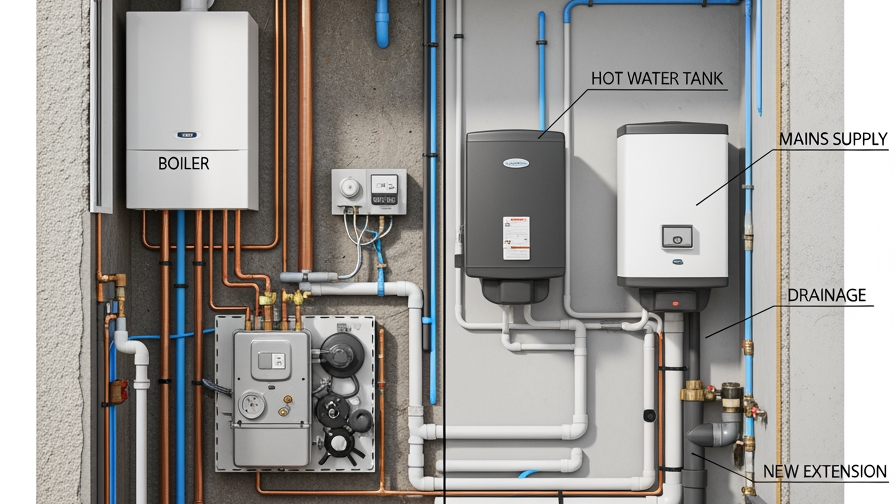
Planning a home extension is an exciting project, but the plumbing aspects can quickly become overwhelming without proper guidance. From water pressure concerns to drainage complications, plumbing for home extensions presents unique challenges that require careful consideration and expert planning. Whether adding a kitchen extension, bathroom, or multi-storey addition, understanding the plumbing requirements from the outset prevents costly mistakes and ensures compliance with building regulations.
This home extension plumbing guide explores the most common obstacles homeowners face and provides practical solutions to overcome them. With proper planning and professional support, the plumbing elements of an extension project can be managed efficiently, ensuring the new space functions seamlessly with existing systems.
Understanding Plumbing Requirements for Extensions
Planning Permission and Building Regulations
Before any plumbing work begins, understanding the regulatory landscape is essential. Building regulations govern water supply, drainage, and heating installations to ensure safety and efficiency. All plumbing work in extensions must comply with Part G (sanitation and water efficiency) and Part H (drainage and waste disposal) of the Building Regulations.
Gas installations require certification from Gas Safe-registered engineers, whilst electrical work connected to plumbing systems needs compliance with Part P regulations. Local water authorities may also require notification before connecting new plumbing to the mains supply, particularly for larger extensions affecting water consumption patterns.
Assessing Your Current Plumbing System
A thorough evaluation of existing infrastructure determines whether current systems can support additional demand. Water pressure measurements indicate if the mains supply provides sufficient flow for extra outlets. Many older properties operate on 1-1.5 bar pressure, which struggles to serve multiple bathrooms or appliances simultaneously.
Pipe diameter and material condition affect capacity. Properties with outdated 15mm copper pipes may experience restricted flow, whilst modern 22mm pipework handles increased demand more effectively. Boiler capacity becomes critical when extending heating systems - a boiler undersized for the additional radiators results in poor performance and increased energy costs. Professional assessment prevents discovering capacity issues after construction begins.
Key Challenges in Extension Plumbing
Water Pressure and Flow Issues
Insufficient water pressure ranks among the most frustrating challenges in plumbing for home extensions. Extensions further from the mains supply often experience reduced pressure, particularly on upper floors. Symptoms include slow-filling toilets, weak shower performance, and appliances failing to operate correctly.
Distance and elevation compound pressure loss. For every metre of height, water pressure drops by approximately 0.1 bar. Extensions requiring pumps or pressure relief valves ensure adequate flow throughout the property. Alternatively, expansion vessels stabilise pressure fluctuations in sealed heating systems extended into new spaces.
Drainage and Waste Water Management
Connecting extension drainage to existing soil stacks presents significant technical challenges. Waste pipes require minimum fall gradients - typically 1:40 for 100mm pipes and 1:80 for larger diameters. Insufficient fall causes blockages and slow drainage, whilst excessive fall creates noise and allows solids to separate from water.
Underground drainage connections demand careful planning. Existing inspection chambers may be inadequately positioned for new waste runs, requiring additional chambers or pump-assisted drainage systems. Extensions built over existing drains need building-over agreements from water authorities, involving structural protection and access provisions.
Heating System Integration
Extending central heating circuits into new rooms requires careful calculation of heat loss and radiator sizing. Undersized radiators leave spaces cold, whilst oversized units waste energy and create uncomfortable temperature swings. Many homeowners discover their existing boiler lacks capacity for additional heating load, necessitating upgrades or system modifications.
Pipe routes present practical obstacles. Running heating pipes through existing walls and floors without causing disruption demands creative solutions. Manifold systems offer advantages in extensions, allowing individual room control and simpler pipe routing using smaller-diameter plastic pipework rather than traditional copper circuits.
Practical Solutions for Common Extension Plumbing Problems
Upgrading Your Water Supply
When existing water pressure proves inadequate, several solutions restore proper flow. Whole-house booster pumps increase pressure throughout the property, typically raising pressure by 1-2 bar. These systems install on the incoming mains supply and automatically activate when flow is detected.
For properties with combination boilers struggling with simultaneous hot water demands, switching to system boilers with separate hot water cylinders provides superior performance. Water tanks ensure a constant supply and reduce strain on the mains pressure. Cold water storage tanks in loft spaces supply bathrooms and heating systems, whilst unvented cylinders deliver mains-pressure hot water throughout larger properties.
Effective Drainage Strategies
Pump-assisted drainage solves situations where gravity drainage is impossible. These systems collect wastewater in sealed chambers before pumping it upward or horizontally to existing drainage points. Macerator pumps handle toilet waste, whilst grey water pumps manage basin and shower drainage where connection to soil stacks proves problematic.
External soil stacks simplify connections when internal routing creates difficulties. Modern plastic soil stacks offer weather resistance and durability, avoiding internal boxing work. Inspection chambers positioned strategically allow future maintenance access and connection points for additional drainage as properties evolve.
Heating System Modifications
Addressing inadequate boiler capacity requires assessment by qualified heating engineers. Heating and Plumbing World supplies a comprehensive range of modern boilers suitable for extended properties. System boilers with larger outputs accommodate additional radiators whilst maintaining efficiency through condensing technology.
Zoned heating systems provide independent temperature control for extensions. Wireless thermostatic radiator valves and smart controls optimise comfort and energy consumption. Where floor depth allows, underfloor heating offers space-saving alternatives to radiators, particularly effective in kitchen and conservatory extensions with tiled or stone floors.
Cost Considerations and Budgeting
Typical Plumbing Costs for Extensions
Plumbing represents 10-15% of total extension costs, varying with complexity and specification choices. Basic bathroom plumbing (basin, toilet, shower) costs £2,000-4,000 including labour, whilst luxury installations with multiple fixtures reach £8,000-12,000. Kitchen plumbing typically ranges from £1,500 to £ 3,500, depending on appliance requirements.
Hidden costs catch many homeowners unprepared. Building regulations compliance inspections add £300-600. Upgrading inadequate boilers costs £2,000-4,000 installed. Water main upgrades from 15mm to 22mm pipework throughout properties reach £1,500-3,000. Setting aside 15-20% contingency for unexpected complications provides a financial buffer.
When to Upgrade vs Modify Existing Systems
Short-term cost savings from minimal modifications often create long-term expenses through poor performance and maintenance issues. A boiler operating at 90% capacity before extension work struggles with additional demand, reducing efficiency and increasing breakdown risks. Investing in appropriately sized replacements delivers better value over 10-15 year equipment lifespans.
Energy efficiency improvements offset upgrade costs through reduced running expenses. Modern condensing boilers achieve 90-95% efficiency compared to 70-80% for older models. Improved insulation and controls in new extensions enhance overall system performance, making comprehensive upgrades financially sensible when coupled with extension work.
Working with Professionals
Choosing Qualified Plumbers and Heating Engineers
Selecting competent professionals ensures compliance and quality workmanship. Gas Safe registration remains mandatory for any gas installation work, whilst Water Industry-approved plumbers guarantee a proper understanding of regulations. Experience specifically with extension projects proves valuable - the challenges differ significantly from new-build or simple maintenance work.
Detailed quotations itemising labour, materials, and timescales enable accurate comparisons. Reputable professionals provide a comprehensive home extension plumbing guide approach, explaining choices and alternatives rather than pushing single solutions. References from recent extension projects verify capability and reliability.
Coordinating with Builders and Other Trades
Successful extension projects require careful coordination between multiple trades. Plumbing installation occurs in two stages - the first fix involves routing pipes before plastering, whilst the second fix completes connections and fits fixtures after decoration. Understanding these stages prevents conflicts between electricians, plumbers, and builders competing for wall space and access.
Clear communication about pipe routes, appliance positions, and inspection access avoids costly alterations. Building project managers coordinate trades effectively, but homeowners managing projects independently must schedule plumbing work to align with building progress. Delays in plumbing first fix hold up subsequent trades, whilst rushed second fix compromises finish quality.
Conclusion
Successfully managing plumbing for home extensions requires thorough planning, realistic budgeting, and professional expertise. The challenges outlined in this home extension plumbing guide - from water pressure and drainage complications to heating system integration - demand careful consideration before construction begins. Addressing these issues proactively prevents expensive corrections and ensures new spaces function reliably.
Professional assessment of existing infrastructure identifies upgrade requirements early, whilst quality installations comply with regulations and deliver long-term performance. Whether tackling single-storey rear extensions or complex multi-room additions, proper plumbing planning transforms potential obstacles into manageable tasks.
For expert guidance on extension plumbing projects, quality components, and professional advice, contact us to discuss specific requirements and ensure successful outcomes.