

Plumbing Parts Checks That Keep Installations Moving
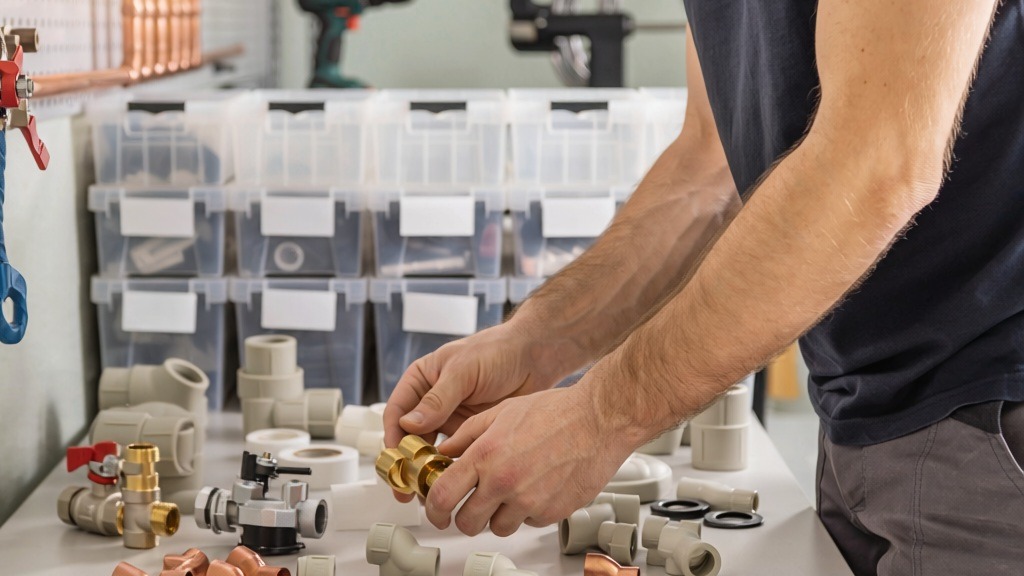
Plumbing callouts often become expensive because a small missing component holds up the whole repair. A washer, valve, fitting or pump connection can decide whether a job is finished in one appointment or left waiting for another van run. A good plumbing parts guide helps businesses keep the right essentials close without filling storage areas with slow-moving stock.
For trade buyers using Heating and Plumbing World, plumbing parts planning should start with the jobs most likely to interrupt water supply, drainage performance or safe system operation.
Map the common job types first
Plumbing parts planning should reflect real work. A maintenance firm dealing with rental properties needs a different stock profile from a contractor fitting plant rooms and booster sets.
Group recent jobs into practical categories:
- Leaks and failed joints
- Tap, valve and isolation faults
- Cylinder and stored water repairs
- Pump and pressure complaints
- Plastic pipe and fitting replacements
- Heating system plumbing around valves and manifolds
The pattern will show which parts deserve regular space in the van or stores.
Build a core kit around failure points
Most plumbing delays happen around small items that are easy to overlook. Isolation valves, compression fittings, fibre washers, PTFE tape, inserts, clips and overflow fittings may not look impressive, but they often prevent a return visit.
A core kit should cover common pipe sizes and materials used by the business. Copper, plastic and threaded connections each need suitable fittings and tools. Mixing systems without checking compatibility can cause leaks, movement or warranty problems.
For plastic piping systems, Polypipe products may be relevant. General fittings are useful only when the type, size and application are right for the job.
Plan around water pressure and stored water equipment
Not all plumbing parts are small consumables. Pressure issues, stored water faults and cylinder connections may need more considered planning.
Where boosted water systems are involved, Stuart Turner equipment may be part of the review. For cylinder-related work, verifying the exact manufacturer brand is critical to ensure compatibility with the existing installation.
A pressure-boosting system is like a delivery route. The pump may be the van, but the pipe size, valves and stored volume are the roads. A fast van still struggles on the wrong road.
Avoid the universal fitting trap
A part that fits physically is not always the correct part. Temperature rating, pressure rating, potable water suitability, connection type and manufacturer instructions all matter.
Before standardising a plumbing part, check:
- Suitable use for hot water, cold water or heating water
- Maximum working pressure and temperature
- Material compatibility
- Required pipe inserts or liners
- WRAS approval or other relevant requirements where applicable
- Access for future maintenance
This is where a tidy parts list protects both the engineer and the customer.
Keep consumables separate from specified components
Consumables can be restocked in quantity. Specified components need more care. A roll of tape and a box of washers can sit in a general kit. A pump or a specific Gledhill cylinder part, such as a cylinder valve, blending valve or specialist fitting, should be linked to the system it serves.
A helpful split is:
- Everyday consumables for routine completion.
- Size-specific fittings for common site materials.
- System-specific components ordered against known assets.
- Urgent repair items identified from previous failures.
This keeps spending controlled and reduces incorrect substitutions.
Reduce return visits with clearer van stock rules
Van stock often grows by accident. One engineer keeps too much, another keeps too little, and nobody has a clear standard.
A simple van stock rule should state:
- Minimum quantities for the most frequently used plumbing parts
- Maximum quantities to prevent clutter
- Restock day or trigger point
- Items that must not be substituted without approval
- How used parts are recorded against a job
- When stock levels should be reviewed and updated
The aim is not perfection. It is to create a consistent stock system that reduces avoidable delays.
Check storage conditions and packaging
Plumbing parts can be damaged before they are fitted. Rubber seals harden, threads get knocked, packaging splits and small washers disappear into toolboxes.
Keep seals and small fittings in labelled containers. Store larger items so threads and mating faces are protected. Do not treat a loose part at the bottom of a van as automatically serviceable.
Add a short technical note to repeat jobs
When a plumbing fault repeats, the part list should be updated with a short technical note. A leaking joint might be caused by movement, poor clipping, pressure spikes or incorrect pipe preparation rather than a bad fitting.
For example, a facilities team might experience repeated leaks under basins in a busy washroom. The spare traps may be correct, but the underlying issue could be pipe movement caused by nearby stored equipment. The repair plan could then change from parts replacement to bracket improvement and access control. The return visits may stop. Parts matter, but the cause matters more.
Check compatibility before ordering
A heating or plumbing part can look close enough in a product photo while still being wrong for the system. Before ordering, check the appliance model, fitting type, thread size, electrical rating, pressure rating and any manufacturer notes. This matters even more when replacing components on older boilers, pumps or Kingspan cylinder parts, where similar-looking parts may have changed across production years.
For trade buyers, the fastest order is usually the one with the least uncertainty. Having the old part number, boiler GC number where applicable, installation manual or clear photographs of the existing component can prevent returns and repeat callouts. For homeowners, the safest route is to confirm the part with a qualified engineer before buying. A lower-cost component is not a saving if it delays the repair or creates a compatibility issue on site.
FAQ
What plumbing parts should be kept for maintenance work?
Common isolation valves, washers, fittings, inserts, clips, traps, overflow parts and suitable jointing consumables are common essentials. The exact list should match the pipe materials and systems being maintained.
Are plastic and copper plumbing fittings interchangeable?
Not automatically. Each system has its own requirements for inserts, support, pressure rating and connection method. Always check manufacturer instructions before mixing materials.
How can a business avoid buying the wrong plumbing parts?
Record pipe sizes, materials, appliance data, and previous part references. Cross-referencing these details on Heating and Plumbing World using photos, model numbers and job notes can help reduce ordering errors.
Should plumbing van stock be standardised?
Yes, within reason. Standardisation helps engineers complete common jobs faster, but specialist components should still be ordered against the exact system.
Conclusion
Plumbing parts planning is about finishing more jobs safely on the first visit. The best results come from matching stock to real job patterns, keeping small essentials organised and treating specified components with care. A reliable parts list should be practical, visible and regularly updated after repeat faults.