

Power Flushing: When Your System Needs a Deep Clean
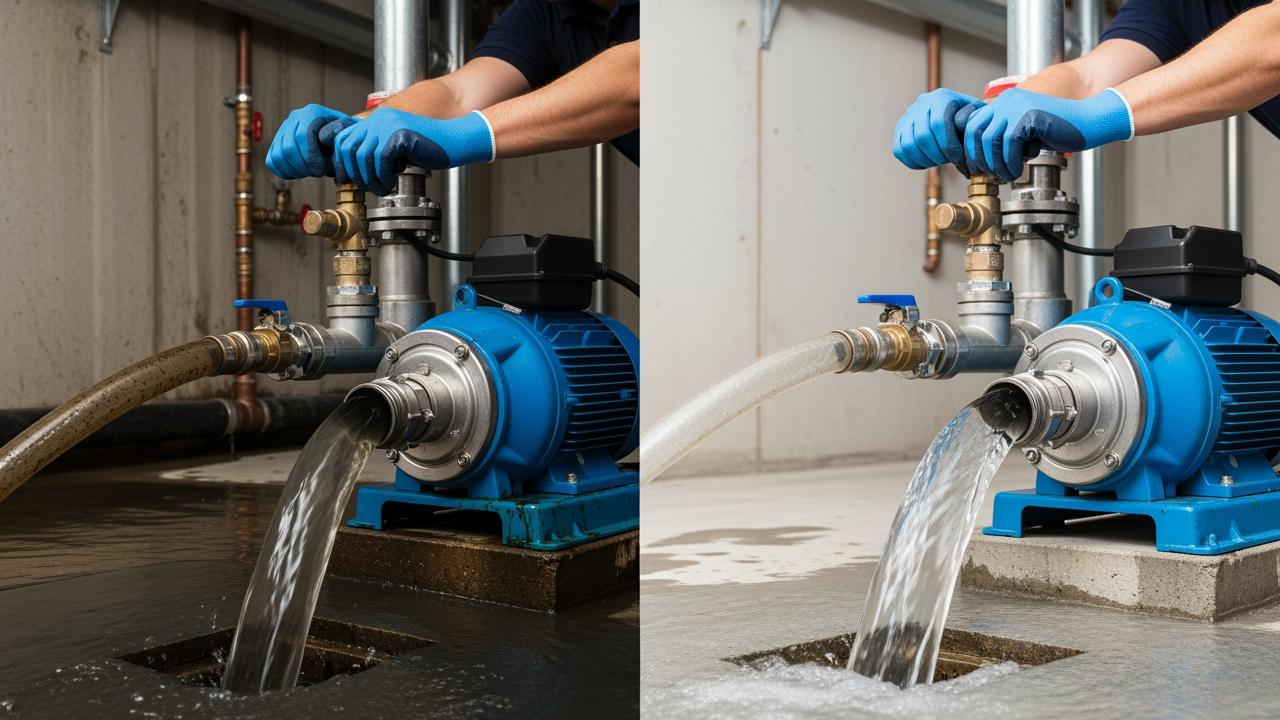
Your central heating feels sluggish. Radiators take longer to warm up, some rooms never quite reach the desired temperature, and your boiler works harder than it should. These symptoms point to one culprit: sludge buildup in your heating system.
Sludge, a mixture of rust, scale, and debris, accumulates over the years of operation. It restricts water flow, reduces heat transfer, and forces your boiler to consume more energy for less warmth. Power flushing removes this buildup, restoring your system to near-original efficiency.
What Power Flushing Actually Does
Power flushing uses high-velocity water flow to dislodge and remove accumulated deposits from your heating system. A specialist pump connects to your system, circulating water at speeds up to three times the normal flow rate. This turbulent flow breaks up magnetite (black iron oxide) and other debris that regular circulation can't shift.
The process differs fundamentally from standard system draining. Draining removes water but leaves sludge clinging to pipe walls and radiator fins. Power flushing's velocity creates shear forces that strip away these deposits, carrying them out of the system entirely.
Systems typically lose 15-30% efficiency before owners notice symptoms. A radiator that feels cold at the bottom has sludge settling in the lower channels. A boiler cycling frequently fights against restricted flow. These aren't minor inconveniences; they represent wasted fuel and accelerated component wear.
Clear Signs Your System Needs Power Flushing
Cold spots on radiators indicate uneven water distribution. If the bottom third stays cool whilst the top heats normally, sludge has settled in the lower sections. Multiple radiators from Myson or other manufacturers showing this pattern confirm system-wide contamination.
Noisy operation reveals debris movement. Kettling, a sound like a boiling kettle, occurs when sludge accumulates on the heat exchanger, causing localised boiling. Banging or clanking suggests loose deposits travelling through pipes and hitting bends or valves.
Increased heating times signal reduced system capacity. A system that once reached temperature in 45 minutes but now needs 90 minutes has significantly compromised flow. The boiler runs longer, consuming more fuel for the same heat output.
Frequent boiler repairs often trace back to contaminated water. Pump failures from Grundfos or Lowara units, valve seizures, and heat exchanger problems accelerate when sludge circulates. Replacing components without addressing water quality treats symptoms, not causes.
Discoloured water when bleeding radiators confirms contamination. Clean heating water appears clear or slightly pink (from inhibitor). Black water indicates magnetite. Brown water suggests rust. Either colour means your system needs intervention.
The Power Flushing Process Step-by-Step
Initial Assessment
A sample bottle connects to a radiator bleed valve to collect water. Visual inspection reveals contamination levels. Laboratory testing isn't necessary; water colour and sediment volume tell the story. Systems with heavy black deposits require a different chemical treatment than those with brown rust.
System Preparation
The power flush pump connects at two points, typically the flow and return pipes near the boiler. Older systems require boiler isolation to protect heat exchangers from dislodged debris. Modern boilers with robust exchangers can remain in the circuit.
Chemical cleaning agents go into the system before flushing begins. These break down deposits chemically, while mechanical action removes them physically. The combination achieves what neither method accomplishes alone.
Flushing Sequence
Each radiator gets flushed individually whilst the pump circulates through the entire system. Closing valves to all but one radiator concentrates flow, increasing velocity through that unit. Hammering the radiator sides with a rubber mallet dislodges stubborn deposits.
Flow reversal shifts debris that settles in one direction. Reversing pump direction multiple times attacks deposits from both angles. This back-and-forth action proves particularly effective in horizontal runs where sludge accumulates.
Fresh water continuously enters the system whilst contaminated water drains away. Discharge water clarity is monitored. When it runs clear for 5-10 minutes, that radiator is clean. The process repeats for each radiator in sequence.
Final Treatment
After mechanical cleaning, neutralising chemicals circulate to remove cleaning agent residues. Acid-based cleaners require alkaline neutralisers. Leaving active chemicals in the system damages components.
Fresh inhibitor goes in before refilling. This chemical coating protects against future corrosion and sludge formation. Inhibitor concentration matters, too little provides inadequate protection, too much wastes money without added benefit. Test concentration with indicator strips to confirm proper levels.
System pressurisation and bleeding remove air introduced during flushing. Each radiator requires bleeding. The system needs checking 24 hours later as dissolved air comes out of solution.
When Power Flushing Isn't Enough
Severely corroded systems sometimes can't be saved. If radiators show external rust or pipes have pinhole leaks, power flushing may expose weaknesses rather than solve problems. The pressure and turbulence can turn small leaks into major failures.
System age and condition assessment proves essential before recommending power flushing. Systems over 20 years old with visible corrosion may need replacement rather than cleaning. Power flushing a system near the end of its life wastes money and creates false expectations.
Leaking heat exchangers require replacement, not cleaning. Power flushing can't repair physical damage. If your boiler loses pressure regularly or shows water beneath it, investigation comes before power flushing.
Cost Versus Benefit Analysis
Power flush cost for a typical three-bedroom house with 10 radiators runs £400-600. This investment returns value through reduced fuel consumption and extended equipment life.
Efficiency gains of 15-25% translate directly to lower heating bills. A household spending £1,200 annually on heating saves £180-300 per year after power flushing. The service pays for itself within 2-3 years.
Component longevity increases substantially. Clean systems don't destroy pumps, seize valves, or clog heat exchangers. A boiler lasting 15 years instead of 12 saves thousands in replacement costs.
Compare this to replacing a failed boiler (£2,000-4,000) or multiple radiators (£150-300 each). Preventive power flushing costs less than reactive repairs.
Power Flushing Versus Chemical Cleaning
Chemical-only cleaning uses strong cleaners circulated by the existing pump. This approach costs less (£150-250) but achieves less. Your system pump can't generate the velocity needed to remove heavy deposits.
Chemical cleaning works for light contamination or as preventive maintenance on systems under five years old. It doesn't substitute for power flushing on heavily contaminated systems.
Radiators opened after chemical-only cleaning often show significant sludge remaining. The chemicals softened deposits but couldn't remove them. Power flushing's mechanical action proves necessary.
Some situations warrant both approaches in sequence. Extreme contamination benefits from chemical pre-treatment followed by power flushing. The chemicals break down deposits, making mechanical removal more effective.
Preventing Future Sludge Buildup
Quality inhibitor provides primary protection. This chemical creates a protective film on metal surfaces, preventing oxygen from reaching them. Without oxygen contact, corrosion can't occur.
The inhibitor degrades over time. Annual testing ensures adequate protection. Test strips cost £5-10 and take seconds to use. If concentration drops below the recommended levels, add more inhibitor.
Magnetic filters capture magnetite particles before they circulate. These devices install on the return pipe and use powerful magnets to extract iron oxide. Annual cleaning removes accumulated debris.
Systems with magnetic filters show dramatically less sludge buildup. Ten-year-old systems with filters contain minimal contamination. Comparable systems without filters need power flushing.
Proper system design prevents problems. Pipes from Polypipe, sized correctly, maintain adequate velocity. Dead legs, pipe sections with minimal flow, accumulate deposits. Eliminating these during installation or upgrades reduces contamination.
DIY Power Flushing: Why It's Not Recommended
Rental power flush machines exist, but using them effectively requires experience. Knowing which chemicals to use, how long to circulate them, and when the system is truly clean comes from performing hundreds of flushes.
Numerous DIY power flush attempts require correction. Common mistakes include insufficient flushing time, wrong chemical selection, and inadequate neutralisation. These errors leave systems partially cleaned or chemically damaged.
The equipment investment makes DIY economically questionable. Renting a machine costs £80-150 for a weekend. Buying chemicals adds another £50-80. Professional service costs only £200-300 more and includes expertise, insurance, and guarantees.
Insurance implications matter. If DIY power flushing damages your system, homeowner's insurance may not cover repairs. Professional work includes liability coverage.
Timing Your Power Flush
Spring or autumn provides ideal timing. You don't need heating in spring, minimising disruption. Autumn preparation ensures peak efficiency before winter demand.
Avoid winter power flushing unless absolutely necessary. The process takes 4-8 hours, leaving you without heating. Summer works, but wastes the opportunity to verify system performance under load.
Power flush before boiler replacement from manufacturers like Andrews or Morco. Fitting a new boiler to a contaminated system transfers debris to pristine components. Manufacturer warranties often require power flushing before installation. Skipping this step can void warranty coverage.
After significant repairs, power flushing removes debris introduced during work. Cutting pipes, replacing radiators, or installing new components introduces metal particles and flux residues. Flushing prevents these contaminants from circulating.
What to Expect During Service
The technician needs access to all radiators and the boiler. Clear space around these components before the appointment. Moving furniture beforehand speeds the process.
Water discharge requires drainage access. A hose typically runs to an outside drain or toilet. Some water spillage occurs despite precautions; protect nearby carpets and furnishings.
Noise levels are substantial. The pump runs continuously for several hours. Plan accordingly if working from home or have noise-sensitive family members.
The entire process takes 4-8 hours, depending on system size and contamination levels. A small flat with six radiators needs less time than a large house with 15 radiators.
Conclusion
Power flushing transforms struggling heating systems back to efficient operation. The process removes years of accumulated sludge that regular maintenance can't address. Systems heat faster, distribute warmth evenly, and consume less fuel.
The investment pays for itself through reduced energy bills and prevented repairs. A system that would otherwise need component replacement or early boiler failure gains years of reliable service.
Watch for warning signs: cold radiator sections, noisy operation, longer heating times, and discoloured water. These symptoms indicate contamination levels that compromise efficiency and damage components.
Don't wait for complete failure. Power flushing works best as preventive maintenance rather than emergency repair. Systems with moderate contamination clean more effectively than severely degraded ones.
Professional service ensures proper chemical selection, adequate flushing time, and complete neutralisation. The expertise and equipment investment justify the power flush cost difference over DIY attempts.
Schedule power flushing every 5-7 years as part of system maintenance. Combined with annual inhibitor testing and magnetic filtration, this approach maximises heating system longevity and efficiency. Your system will heat reliably, operate quietly, and cost less to run, exactly what central heating should do.
For comprehensive heating system maintenance and professional power flushing services, Heating and Plumbing World provides expert technical support. Whether you need boilers from Andrews or Morco, pumps from Grundfos or Lowara, radiators from Myson, or quality pipework from Polypipe, professional guidance ensures optimal system performance.