

Pre-Winter Boiler Service: What Products and Parts to Check
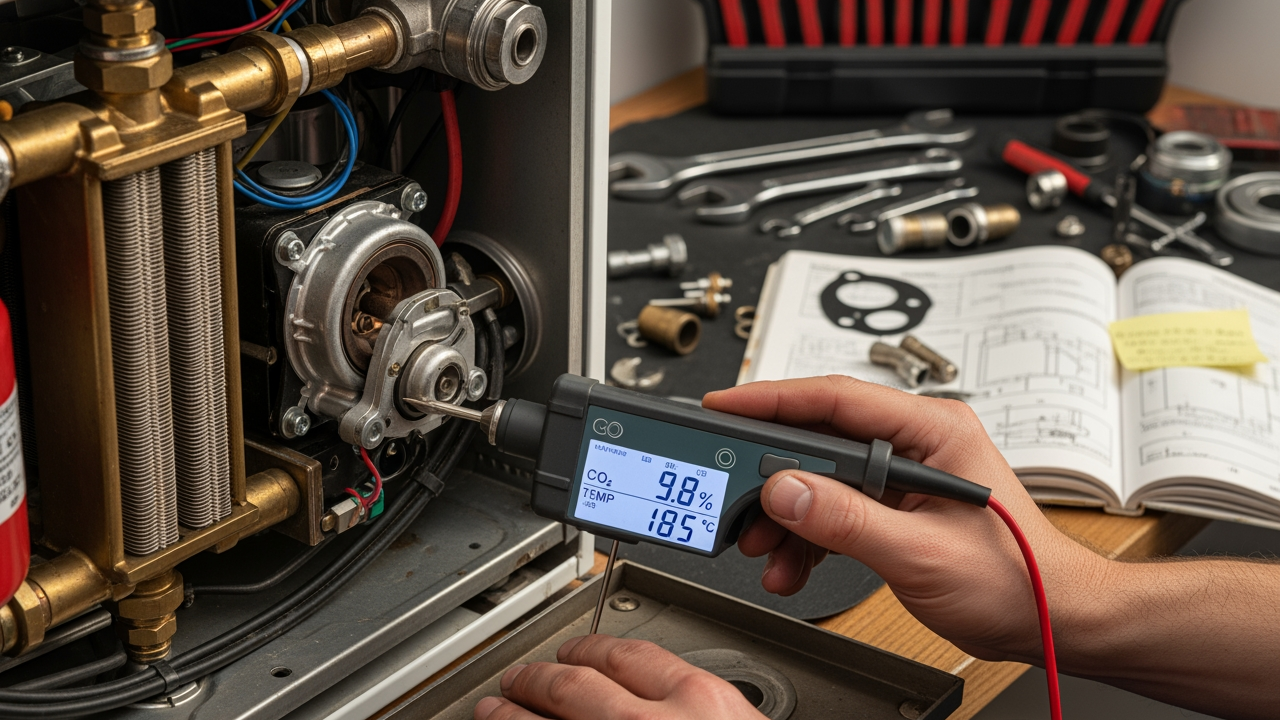
A boiler failure in January costs three times more to fix than the same problem caught in September. This pattern repeats every year: homeowners skip autumn servicing, winter hits hard, and suddenly emergency calls flood in for breakdowns that could have been prevented.
Pre-winter boiler service isn't about ticking boxes. It's about catching the small failures before they cascade into expensive breakdowns when you need heat most. Here's what actually needs checking, which parts fail first, and what to stock up on before the rush.
The Parts That Fail First
Certain components fail predictably. After servicing thousands of boilers across two decades, the patterns become clear.
Pressure relief valves top the list. These safety devices prevent dangerous pressure buildup, but they corrode when sitting idle through the summer. Roughly 40% of pressure relief valves on boilers older than five years require replacement during inspection. The valve might look fine externally, but internal corrosion means it won't open when needed. Testing under load reveals the problem; a manual lift test isn't enough.
Expansion vessels lose their air charge gradually. A vessel that held 1 bar in March might show 0.3 bar by September. This causes pressure fluctuations, frequent venting, and strain on the pressure relief valve. Check the charge with the system cold and depressurised, the only way to get an accurate reading. Most technicians skip this because it takes 15 minutes. Those 15 minutes prevent callbacks.
Heat exchangers develop pinhole leaks from corrosion, particularly in areas with hard water. These leaks start microscopic; you won't see dripping, but you'll notice the pressure gauge dropping weekly. By the time it's visible, you're looking at a £600-1200 replacement instead of a £40 inhibitor top-up that would have prevented it.
Ignition electrodes corrode at the ceramic insulator junction. The boiler might fire up fine in September when it's 15°C outside, but fail repeatedly in January when it's -2°C and the boiler needs to fire more frequently. Replace electrodes showing any surface corrosion, not just broken ones.
Pumps and Circulation Components
The circulation pump runs for thousands of hours each winter. It needs more than a visual check.
Measure amp draw under load. A pump rated for 0.45 amps drawing 0.62 amps is working too hard, usually fighting sludge buildup or a seized valve somewhere in the system. This shows up before the pump fails, giving time to flush the system instead of replacing a burnt-out motor mid-winter. Quality pumps from Grundfos or Lowara provide reliable performance when properly maintained.
Pump bearings wear gradually. Place your hand on the pump body; you should feel a smooth vibration, not grinding or knocking. Any unusual noise means replacement within the next 2-3 months. A noisy pump never lasts a full heating season.
Zone valves stick after months of inactivity. The motor might hum without opening the valve, or the valve might open but not close fully. Both problems waste energy and create uneven heating. Manually operate each valve through its full range and listen for smooth motor operation. A valve that hesitates or jerks needs replacement; the motor is failing.
Flue and Combustion Analysis
The flue system determines whether combustion gases exit safely or leak into your home. Visual inspection catches obvious problems, but combustion analysis reveals hidden issues.
Measure flue gas temperature, CO levels, CO₂ percentage, and excess air. These numbers tell exactly how the boiler is burning:
- CO levels above 50ppm indicate incomplete combustion, usually a dirty burner or restricted air intake
- CO₂ below 8% means too much excess air, which wastes fuel and cools the heat exchanger, promoting condensation and corrosion
- Flue gas temperature 50°C above manufacturer specs suggests scale buildup on the heat exchanger
A boiler passing visual inspection can fail combustion analysis completely. CO readings above 200ppm have been found on boilers that "looked fine", dangerously high levels that would have poisoned the household through winter.
Flue seals perish from heat cycling. The rubber or silicone gasket between flue sections hardens and cracks. You can't see this without disassembling the flue, but you can smell it, a faint exhaust odour near the boiler means gases are escaping. Replace all flue seals on boilers over seven years old as standard practice.
Controls and Safety Devices
Modern boilers have multiple safety interlocks. Each one needs testing under actual operating conditions.
Overheat thermostats cut power if the boiler exceeds a safe temperature. Test these by running the boiler with the pump isolated briefly; the thermostat should trip within 45 seconds. If it doesn't, the boiler could overheat and crack the heat exchanger. This test takes two minutes, but most service visits skip it.
Pressure switches verify the pump is running before allowing ignition. These fail in two ways: stuck closed (boiler fires without water flow) or stuck open (boiler won't fire at all). Test them by measuring continuity with the pump, both running and stopped. A switch that doesn't change state needs immediate replacement.
Flame supervision devices shut off the gas if the flame extinguishes. Older boilers use thermocouples; newer ones use flame rectification. Both degrade over time. Measure the signal voltage; anything below the manufacturer's minimum spec gets replaced. A weak signal might work in September but fail during a cold snap when you need the boiler most.
Water Treatment and System Chemistry
The water inside your heating system determines how long components last. Most boiler failures trace back to poor water chemistry.
Test pH, inhibitor concentration, and total dissolved solids. Proper levels look like this:
- pH between 7.5-8.5: Below 7.5 accelerates corrosion; above 8.5 can damage aluminium components
- Inhibitor concentration at manufacturer specs: Usually 3-5% by volume, but this drops as water evaporates or gets topped up
- TDS below 500ppm: Higher readings indicate dissolved metals from corrosion
A system with pH 6.8 is eating itself from the inside. Heat exchangers from eight-year-old boilers sometimes look like they'd been running for twenty years, all from acidic water conditions that nobody checked.
Magnetic filters trap iron oxide sludge before it reaches the boiler. Clean these during every service and measure what comes out. More than 100ml of sludge means the system needs a power flush, not just a chemical clean. The filter is doing its job, but the system is degrading faster than the filter can handle.
Condensate Traps and Drainage
Condensing boilers produce acidic water that must drain safely. Condensate system failures are the single biggest cause of winter breakdowns.
Condensate traps dry out over summer, allowing flue gases to backdraft into the boiler. This triggers safety lockouts that look like ignition failures; technicians often replace expensive parts, chasing the wrong problem. Refill every trap and verify proper water seal depth.
Condensate pipes freeze when routed externally. Building regulations allow this, but physics doesn't care about regulations, a 22mm pipe running outside will freeze solid when the temperature drops below -3°C for more than four hours. Dozens of frozen condensate pipes have been cut out over the years. The solution is either insulation (which helps but doesn't eliminate the problem) or rerouting internally. For pipes that must run outside, install a 32mm pipe instead of 22mm; the larger diameter takes longer to freeze solid.
Condensate pumps (for boilers below the drain level) clog with sludge. The float switch sticks, the pump runs dry, or the discharge line gets blocked. Any of these stops the boiler dead. Test pumps by pouring water into the reservoir and verifying full operation, filling, pumping, and shutting off correctly.
Electrical Connections and Wiring
Loose connections cause intermittent failures that are nightmares to diagnose. Thermal cycling expands and contracts metal, gradually loosening screw terminals.
Check torque on every power connection, control connection, and ground. A connection that looks tight might have 30% less contact area than when originally installed. This creates resistance, which creates heat, which loosens the connection further. The boiler works fine until high demand in January makes it cycle frequently, heating the loose connection until it fails completely.
Printed circuit boards develop dry solder joints from thermal stress. These create symptoms that make no sense: the boiler fires randomly, controls don't respond consistently, or error codes appear and disappear. Inspect PCBs under magnification for cracked solder around high-heat components like relays and transformers. A crack invisible to the naked eye causes complete failure when the board heats up under load.
Gas Valve and Burner Assembly
The gas valve controls fuel delivery with precision. Any deviation from spec creates efficiency loss or safety issues.
Measure gas inlet pressure, outlet pressure, and pressure drop across the valve under firing conditions. The valve should modulate smoothly from minimum to maximum rate without hunting or hesitation. A valve that hunts (pressure fluctuates) or responds slowly is failing, usually from debris in the valve body or worn diaphragm.
Burner ports clog with dust and combustion deposits. This restricts gas flow unevenly, creating yellow flames instead of clean blue. Yellow flames produce CO and soot, which fouls the heat exchanger and reduces efficiency. Remove and clean burners showing any discolouration or debris buildup. A burner that looks "mostly clean" is not clean enough.
Seals and Gaskets Throughout the System
Every joint in the boiler uses a seal that degrades over time. Replace these proactively on older systems rather than waiting for leaks.
Pump unions use fibre washers that compress and harden. After five years, these leak when you remove and reinstall the pump, turning a simple service into a parts chase. Replace pump washers on every service for boilers over five years old.
Heat exchanger seals fail from thermal cycling. The seal looks intact, but it's lost its springiness and no longer seals under pressure. This causes weeping that you won't see during a short service visit but appears after the boiler runs for three hours straight on a cold night.
Automatic air vent seals perish from heat exposure. The vent drips water instead of releasing air. Most technicians replace the entire vent; replacing just the seal cap costs £3 instead of £25 for the assembly.
System Integration With Modern Equipment
Understanding winter boiler service requirements becomes particularly important when maintaining complete heating installations. Modern condensing boilers from Andrews or Morco require specific maintenance protocols to maintain efficiency and warranty compliance.
Heating controls from Honeywell, EPH Controls, or Danfoss depend on properly maintained boilers to regulate temperature accurately. A boiler running inefficiently due to poor combustion creates control problems that no amount of thermostat adjustment can fix.
Expansion vessels from Altecnic Ltd protect the system from pressure surges, but only when correctly charged and maintained. A failed expansion vessel during pre-winter boiler service catches problems before they damage the pressure relief valve or create system leaks.
Cylinders from Gledhill and Kingspan rely on consistent boiler performance to maintain hot water temperatures. Poor boiler maintenance affects cylinder performance and increases energy costs throughout the heating season.
Documentation and System History
Photograph every boiler installation and keep combustion analysis records going back years. This data reveals degradation trends that single snapshots miss.
A boiler showing CO₂ at 9.2% last year and 8.7% this year is developing a problem, probably a small air leak or early burner fouling. The boiler still passes specs, but the trend predicts failure within the next season. Address it now instead of waiting for a breakdown.
Service records should document parts replaced, settings adjusted, and problems found. "Boiler serviced, working OK" tells you nothing useful. Comprehensive reports list every measurement taken, every part inspected, and every adjustment made. When something fails, you know exactly what's been done and can eliminate variables quickly.
Getting Ahead of Winter Demands
Pre-winter boiler service finds problems whilst they're still small and cheap to fix. The pressure relief valve that costs £35 to replace in September becomes a £200 emergency callout in January, plus the valve, plus the damage from the pressure release event that triggered it.
Focus on the components that fail predictably: pressure relief valves, expansion vessels, heat exchangers, pumps, zone valves, flue seals, safety interlocks, water chemistry, condensate systems, electrical connections, gas valves, and all the seals throughout. Each component gets tested under actual operating conditions, not just visually inspected.
The combustion analysis and water chemistry testing separate proper servicing from checkbox exercises. These measurements reveal problems developing inside the system that you can't see from outside, the corrosion, the fouling, the efficiency loss that will become complete failure under winter load.
Schedule servicing in September or early October, before the rush. By November, every heating engineer is booked solid with breakdowns from people who skipped servicing. The parts you need might be on backorder. And you'll pay premium rates for emergency service instead of routine maintenance pricing.
A boiler that's been properly serviced will run efficiently through winter and last 15-20 years instead of 10-12. The annual service costs less than one emergency repair, and it prevents the 3 AM breakdown when the temperature drops to -5°C and your pipes are at risk.
For comprehensive boiler servicing support and replacement parts, Heating and Plumbing World stocks a complete range of components from leading manufacturers. Quality fittings and spare parts from Halstead Spares ensure reliable repairs. If you need technical advice on boiler maintenance or system components, get in touch with the technical team.