

Preserving Warmth When Heating Fails
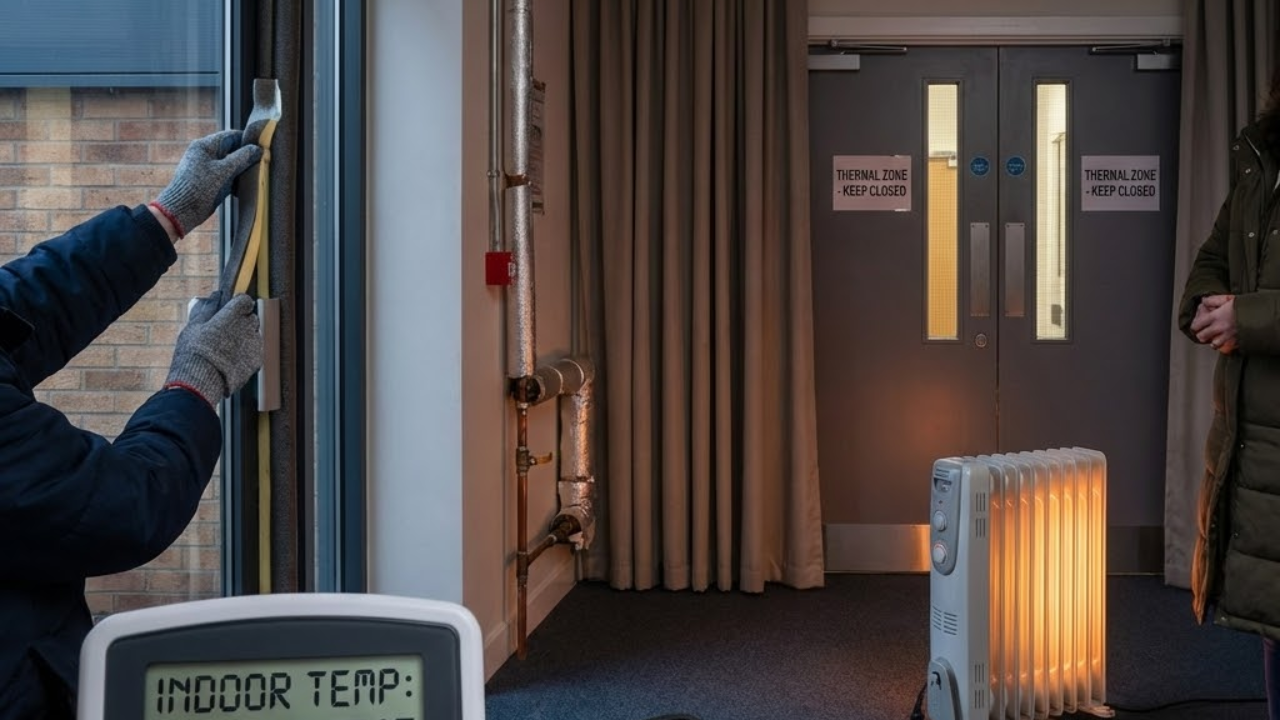
When the boiler locks out at 11 PM on a Friday in January, emergency repair isn't always immediate. Parts take time to source, engineers have limited weekend availability, and some failures demand extensive diagnostics before solutions emerge. During these gaps, retaining existing heat becomes as important as restoring it. Buildings don't instantly freeze - thermal inertia and insulation quality determine how quickly temperatures drop, and simple interventions extend the window before conditions become intolerable.
Understanding heat retention during boiler breakdown transforms crisis management. Instead of watching temperatures plummet whilst frantically searching for emergency solutions, building managers can implement strategies that buy time, keeping spaces marginally habitable until permanent heating resumes. This isn't about accepting cold environments, it's about maximising every degree of residual warmth whilst repairs proceed.
Think of a building's thermal mass like a charged battery. When the heating system stops, you're not producing new heat, but you've got stored warmth in the walls, floors, and structure. How long that "battery" lasts depends on insulation quality and how carefully you manage heat loss. Good heat retention strategies are like turning off unnecessary apps to extend battery life - you're making the most of what you've got.
Heating and Plumbing World supplies the components that build resilience into heating systems, from frost protection controls to backup heating solutions.
How Buildings Lose Heat Without Active Heating
Heat escapes through three primary mechanisms: fabric transmission, ventilation losses, and thermal bridging. When active heating stops, these mechanisms continue extracting heat from the building's thermal mass until internal and external temperatures equalise.
Fabric transmission represents the largest heat loss pathway in most buildings. Walls, roofs, floors, and windows conduct heat from warm interiors to cold exteriors at rates determined by insulation quality and surface area. A poorly insulated building loses heat rapidly - temperatures dropping 2-3°C per hour without heating. Well-insulated modern construction might lose just 0.5-1°C hourly, buying substantially more time.
Ventilation losses occur through air changes, both planned via mechanical systems and uncontrolled through gaps and cracks. Opening windows accelerates heat loss dramatically - each air change strips heat stored in the building's air volume. A 200 m² office with 3-metre ceilings contains roughly 600 m³ of air. One complete air change at -3°C exterior temperature removes approximately 0.2 kWh of heat, equivalent to running a small heater for twelve minutes. Multiple air changes per hour compound losses rapidly.
Thermal bridging creates localised heat loss pathways where insulation is interrupted: steel beams penetrating walls, concrete balconies, and poorly fitted window frames. These bridges don't dominate overall heat loss but create cold spots that accelerate occupant discomfort and condensation formation.
The building's thermal mass - plasterboard, masonry, concrete, furniture - acts as a heat reservoir when active heating stops. Buildings with substantial thermal mass cool more slowly than lightweight structures, providing extended buffer periods. This principle is why Victorian houses with solid masonry walls retain warmth longer than modern timber-frame buildings despite inferior insulation values.
Immediate Actions When Heating Fails
The first minutes after heating failure determine how much residual warmth you can preserve. Quick decisive actions buy hours before temperatures become problematic.
Close All External Doors and Windows
Obvious but critical. Even slightly open windows accelerate heat loss massively. Walk through the building ensuring every external opening is sealed. Check fire escapes and loading bays - these overlooked access points bleed heat constantly. In commercial buildings, automatic doors pose challenges. Switch to manual operation or ensure doors close promptly after use.
Reduce Ventilation to Safe Minimums
Mechanical ventilation systems continue extracting warm air unless deliberately reduced. Switch HVAC systems to minimum fresh air settings or shut them down entirely if safe to do so. Maintain adequate ventilation for combustion appliances and areas requiring air quality control - kitchens, toilets, server rooms - but eliminate unnecessary air changes elsewhere.
Balance safety against heat retention. Complete ventilation shutdown risks air quality issues and condensation buildup, particularly in occupied spaces. Aim for enough ventilation to prevent stuffiness and moisture accumulation without unnecessarily purging warm air.
Seal Obvious Air Leaks Temporarily
Identify and block significant draughts using temporary measures: stuff old towels under doors, tape over large cracks, close off unused rooms to concentrate warmth in occupied areas. These interventions won't match proper draught-proofing but provide marginal gains that accumulate over hours.
Close Internal Doors to Create Thermal Zones
Divide the building into occupied and unoccupied zones, concentrating residual heat where people actually spend time. Close doors between zones and accept temperature differentials. If heating fails in a multi-storey building, upper floors (where warm air naturally collects) remain warmer longest - consider relocating activities upwards temporarily.
Deploy Portable Electric Heaters Strategically
If electrical supply permits, position small electric heaters in critical areas. Don't attempt to heat the entire building - a few 2 kW fan heaters can't replace a 100 kW boiler system. Instead, maintain tolerable temperatures in essential spaces: staff offices, patient areas, server rooms. Target heat at people rather than spaces - localised warmth feels more effective than raising general ambient temperature marginally.
Building Fabric Interventions That Help
Beyond immediate actions, some building modifications extend heat retention meaningfully, though most require advance preparation rather than emergency implementation.
Loft Insulation
Heat rises - poorly insulated roof spaces act as major heat sinks. Loft insulation doesn't help during heating failure if it's not already installed, but buildings with good roof insulation lose heat far more slowly when heating stops. Current building regulations specify 270mm mineral wool equivalent, older buildings often have just 50-100mm or none at all. The difference during heating failure is dramatic: well-insulated roofs slow heat loss through the roof by 75%.
For existing buildings considering resilience improvements, loft insulation represents the single most cost-effective intervention. Installation's straightforward, costs are modest (£300-500 for typical houses), and benefits extend far beyond breakdown scenarios by reducing everyday heating demand.
Cavity Wall Insulation
External walls represent large surface areas for heat loss, particularly in older buildings with uninsulated cavity walls. Cavity wall insulation dramatically improves heat retention, reducing transmission losses by 50-60%. Retrofitting cavity insulation costs more than loft work (£500-1,500 for typical houses) but delivers proportionally greater impact given the large wall areas involved.
Solid wall buildings can't benefit from cavity insulation and require external or internal wall insulation instead - substantially more expensive (£4,000-15,000) and disruptive to install. These interventions suit major refurbishments rather than breakdown preparation unless the building's particularly vulnerable.
Secondary Glazing
Windows lose heat far faster than insulated walls, particularly single-glazed units common in older buildings. Secondary glazing - adding an inner pane 50-100mm inside existing windows - traps a layer of still air that dramatically reduces heat loss. Unlike full double-glazing replacement, secondary glazing installs quickly (often DIY projects) and costs £100-200 per window.
During heating failures, secondary glazing buys several hours of additional warmth retention. The intervention's particularly effective in buildings with large window areas or extensive single glazing. For buildings prone to heating failures, installing secondary glazing on north-facing and exposed windows provides resilience against future breakdowns.
Heavy Curtains and Blinds
Closing curtains and blinds at night reduces heat loss through glazing by creating additional insulating air layers. Heavy lined curtains perform best, reducing glazing heat loss by 25-30%. During heating failures, keep curtains closed continuously if possible, sacrificing solar gain to minimise losses.
Fit curtains properly with pelmets and side seals to prevent convective loops where warm air from the room rises behind the curtain, cools against the window, and descends into the room, undermining insulation effectiveness.
Managing Occupant Comfort and Safety
Heat retention extends the viable occupancy period, but eventually temperatures drop below acceptable levels. Understanding physiological responses and regulatory limits helps manage expectations and maintain safety.
Temperature Thresholds for Different Building Types
Residential buildings become uncomfortable below 16°C, with regulatory minimums for social housing typically set at 18°C in living areas. Below 10°C, risks of hypothermia increase for vulnerable occupants - elderly or very young residents need warmer conditions than fit adults.
Commercial offices remain productive down to approximately 16°C, though concentration and manual dexterity decline as temperatures drop further. Most employment regulations don't specify minimum temperatures but require "reasonable" thermal comfort, typically interpreted as 16°C minimum.
Healthcare facilities have strict minimum temperatures - 21°C in patient areas, 18°C in circulation spaces. Heating failures in hospitals trigger emergency protocols within hours if temperatures can't be maintained.
Schools can operate down to 15-16°C in teaching spaces, though learning effectiveness drops and safeguarding concerns arise below these thresholds. Local authorities typically close schools when heating failures reduce temperatures below 12-13°C.
Personal Thermal Comfort Measures
When building temperatures drop, personal measures extend occupant tolerance. Additional clothing provides more effective individual warmth than attempting to heat large spaces marginally. Each clothing layer adds roughly 0.15 CLO insulation value - multiple layers can maintain comfort in temperatures several degrees cooler than normally acceptable.
Hot drinks provide internal warming and psychological comfort, both valuable during heating failures. Access to warm beverages - tea, coffee, soup - helps maintain morale when ambient temperatures decline.
Encourage activity to generate metabolic heat. Light physical activity produces 150-200 watts of body heat, enough to maintain comfort in environments where sedentary occupancy feels uncomfortable. This isn't practical for long periods but helps bridge gaps.
Vulnerable Occupant Protection
Elderly, very young, chronically ill, and mobility-impaired occupants are disproportionately vulnerable to cold. These groups require priority heating measures and potentially evacuation if temperatures drop below safe levels. Frost thermostats set at 5-7°C trigger emergency responses before risks escalate.
Care homes and supported living facilities can't tolerate extended heating failures. Regulatory requirements mandate immediate action when temperatures approach minimum thresholds, including relocating residents if necessary. Having emergency evacuation plans prepared before heating failures occur is essential for these facilities.
Preventing Freeze Damage to Building Systems
Beyond occupant comfort, heating failures risk freeze damage to water systems and building fabric. Protecting infrastructure sometimes outweighs comfort considerations.
Frost Thermostats
Frost thermostats are the single most important protection against freeze damage. These simple devices monitor temperature and activate backup heating or alert operators when readings drop toward freezing. Set temperature sensors at 5-7°C to provide warning before actual freezing occurs.
Modern digital freeze protection controls offer additional features: remote monitoring, battery backup ensuring operation during power failures, and zone-specific temperature tracking. Danfoss controls supply high-quality frost protection controls suitable for commercial installations, combining reliability with flexible configuration options.
On a large industrial building project, the facilities manager skipped installing frost thermostats to save £400 during the initial build. Two years later, a weekend boiler failure during a cold snap wasn't discovered until Monday morning. Burst pipes in the loading bay caused £12,000 damage and a week-long operational shutdown. The cost of frost protection equipment suddenly seemed trivial compared to the consequences of not having it.
Draining Down Systems
If heating can't be restored quickly and freezing temperatures are forecast, draining water systems prevents burst pipes. This is an extreme measure - complex wet heating systems take hours to drain and refill properly - but prevents catastrophic damage in unheated buildings during prolonged outages.
Prioritise draining vulnerable pipework: exposed external runs, pipes in unheated roof spaces or basements, and sections prone to freezing. Domestic water systems need draining separately from heating circuits - don't overlook cold water supply pipes.
Insulating Exposed Pipework
Pipe insulation installed before heating failures significantly extends the time before freezing occurs. Well-insulated pipes in 5°C ambient temperatures take 12-24 hours to freeze, uninsulated pipes can freeze within 2-4 hours in similar conditions. Standard foam pipe insulation costs pennies per metre and takes minutes to fit, making it excellent value for resilience.
Focus insulation efforts on vulnerable sections: external walls, roof spaces, and basements. Pay particular attention to combination boiler condensate pipes - these small-bore pipes commonly freeze during cold weather, causing lockouts that compound heating failures.
Maintaining Minimal Heat in Critical Areas
If electrical supply allows, maintain minimal heat in areas housing sensitive systems: server rooms, control panels, water tanks, and primary heating plant rooms. Small tubular heaters (200-500 watts) prevent freezing without significant electrical load - running costs pale against freeze damage repair expenses.
Myson radiators include tubular heater options specifically designed for frost protection in plant rooms and sensitive equipment areas.
Communicating and Managing Expectations
Heating failures create stress and uncertainty, particularly when resolution timescales are unknown. Clear communication with building occupants reduces anxiety and maintains cooperation with retention measures.
Setting Realistic Timeframes
Provide regular updates on repair progress, even if the news isn't encouraging. "We're still waiting for parts, expect another 12 hours minimum" manages expectations better than radio silence followed by unexpected delays.
Explain why immediate resolution isn't possible. Occupants understand supply chain delays or diagnostic complexity when explained clearly - they tolerate uncertainty better than perceived inaction.
Explaining Heat Retention Measures
Tell occupants why you're closing doors, reducing ventilation, or relocating activities. "We're concentrating warmth in the west wing whilst repairs proceed" makes sense of otherwise puzzling instructions. People comply better with measures they understand.
Provide guidance on personal comfort measures - additional clothing, hot drinks, activity - rather than expecting occupants to suffer in silence.
Planning for Extended Failures
If heating restoration looks uncertain, discuss contingency plans early. Will the building close if temperatures drop further? Are alternative accommodation arrangements available? What trigger points mandate evacuation?
Having contingency plans visible and understood before they're needed reduces panic if situations deteriorate. People tolerate adversity better when they see thoughtful preparation rather than reactive scrambling.
When Heat Retention Isn't Enough
Eventually, heat retention measures reach their limits. Recognising when escalation becomes necessary prevents situations spiralling beyond control.
Emergency Heating Hire Thresholds
Consider emergency heating hire when building temperatures approach regulatory minimums or occupant tolerance limits. For care homes and hospitals, this threshold's high - initiate hire when temperatures drop below 18°C if repairs will extend beyond 4-6 hours. Commercial buildings have lower urgency but should consider temporary heating once temperatures reach 14-15°C with uncertain repair timelines.
Emergency hire costs money, but allowing buildings to freeze risks far greater expenses from burst pipes, staff disruption, and regulatory breaches. The decision point comes when heat retention measures can't maintain acceptable conditions through the anticipated repair period.
Building Closure Decisions
Some situations warrant temporary closure rather than struggling with inadequate heat. Schools typically close when heating failures reduce temperatures below 12-13°C, prioritising child welfare over educational continuity. Commercial buildings might close when employee productivity collapses or health and safety concerns escalate.
Document closure decisions carefully. Explain the triggering conditions, alternatives considered, and safety rationale. This documentation protects against later criticism and demonstrates reasonable decision-making under pressure.
Insurance and Emergency Service Contacts
Have emergency service providers and insurance contacts readily accessible before heating failures occur. Scrambling for phone numbers during crises wastes precious time. Create emergency contact lists including hire companies, specialist engineers, insurance claim handlers, and regulatory bodies if relevant.
Verify insurance coverage for heating failures and temporary heating costs. Many commercial policies cover emergency measures but require prompt notification to validate claims.
Conclusion
Heat retention during boiler breakdown doesn't replace permanent repairs but extends the viable period before conditions become intolerable or dangerous. Simple immediate actions - closing external openings, reducing ventilation, creating thermal zones - buy crucial hours. Building fabric improvements such as loft insulation and cavity wall insulation provide lasting resilience benefits extending far beyond breakdown scenarios.
Managing occupant comfort and safety requires understanding temperature thresholds for different building types, implementing personal thermal measures, and protecting vulnerable individuals. Preventing freeze damage to building systems demands frost thermostats, selective pipe insulation, and contingency planning for draining systems if necessary.
Clear communication with building occupants maintains cooperation and reduces anxiety during uncertain situations. Knowing when heat retention measures reach their limits and emergency escalation becomes necessary prevents situations deteriorating beyond control.
For guidance on improving building heating resilience or developing emergency preparedness plans, our professional heating components include quality frost protection controls and backup heating solutions. Get expert advice on strategies that extend operational continuity when primary heating fails.