

Pressure Switches in Heating Systems: How They Work
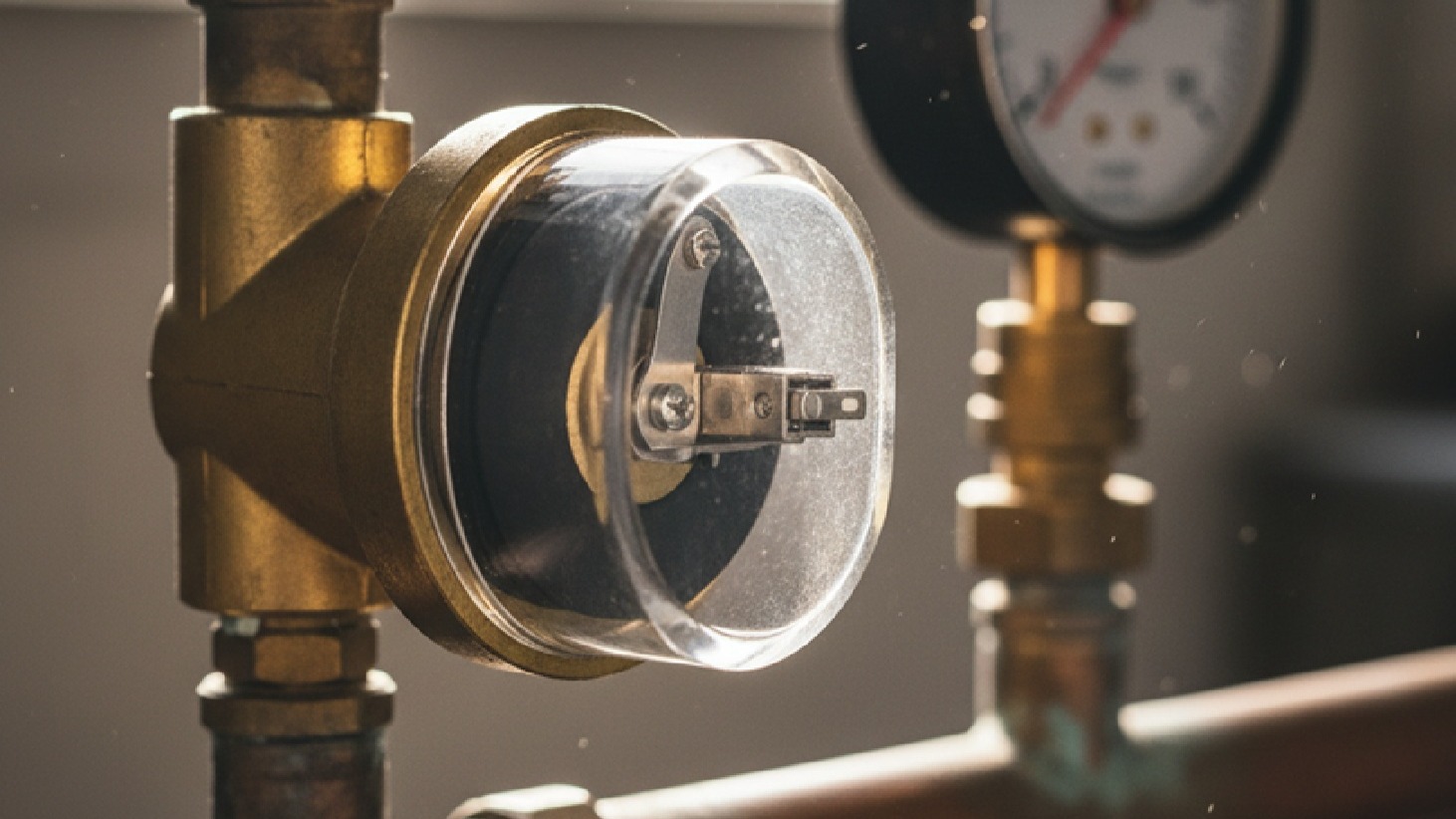
Your boiler's making that odd clicking sound again. You've checked the pressure gauge, topped up the system, and still something doesn't feel right. The radiators are lukewarm at best, and you're starting to wonder if it's time to call someone out. Before you do, there's a good chance the culprit is a small but mighty component called a pressure switch.
A homeowner often assumes their boiler needs replacing when, actually, a £30 pressure switch has failed. Understanding how these switches work can save you hundreds in unnecessary repairs and help you communicate more effectively with heating engineers when problems arise.
What Actually Happens Inside a Pressure Switch
Think of a pressure switch as the boiler's safety inspector. Its job is simple: confirm that water pressure in the system is sufficient before allowing the boiler to fire up. Without adequate pressure, your boiler could overheat, damage internal components, or create dangerous conditions.
The switch sits in the water circuit, typically near the pump. Inside, there's a diaphragm (a flexible membrane) that responds to water pressure. When you turn on your heating, the pump starts and creates pressure. This pressure pushes against the diaphragm, which in turn activates a microswitch. That microswitch sends an electrical signal to the boiler's control board saying "all clear, pressure is good, you can ignite."
If pressure drops below a safe threshold, the diaphragm relaxes, the microswitch opens, and the boiler shuts down. It's a fail-safe mechanism that's been protecting heating system pressure switches for decades.
The Different Types You'll Encounter
Not all pressure switches look or work identically. The type fitted to your system depends on the boiler model and age.
Air pressure switches are common in older systems. These monitor air pressure in the flue rather than water pressure directly. When the fan runs, it creates a vacuum that closes the switch. They're gradually being phased out in favour of more reliable designs.
Water pressure switches connect directly to the water circuit. Modern condensing boilers almost exclusively use this type. They're more accurate and less prone to false readings caused by debris in the flue.
Differential pressure switches measure the difference between two points in the system. These are typically found in commercial installations or high-end residential systems where precise monitoring matters.
Matching the exact specification to your boiler model is critical, as even slight variations in switching pressure can affect performance. Quality boilers from manufacturers like Andrews and Morco use pressure switches calibrated specifically for their systems.
Common Failure Modes and What They Mean
Pressure switches fail in predictable ways. Recognising the symptoms helps you diagnose problems faster.
The boiler won't ignite at all. You hear the pump running, but nothing happens. The pressure gauge shows adequate pressure, yet the boiler refuses to fire. This usually means the switch has stuck in the open position. The diaphragm might be dirty, the microswitch contacts could be corroded, or the switch has simply reached the end of its service life.
Intermittent operation. The boiler works sometimes but not others. You might get hot water but no heating, or the system runs for a few minutes before shutting down. This points to a pressure switch that's borderline failing. The contacts might be making poor connection, or the diaphragm has lost elasticity.
Constant lockouts. The boiler tries to fire, immediately locks out, and you have to keep resetting it. This can indicate a switch that's too sensitive or one that's responding to genuine pressure fluctuations in the system. Checking actual system pressure with a gauge helps distinguish between a faulty switch and an underlying circulation problem.
Cases exist where homeowners replaced three different components before discovering the pressure switch was the issue. The symptoms can mimic pump failures, control board faults, or circulation problems. That's why proper diagnostics matter.
How System Pressure Affects Switch Performance
Your boiler's pressure gauge should typically read between 1.0 and 1.5 bar when the system is cold. Most heating system pressure switches are calibrated to close (allow the boiler to fire) at around 0.5 to 0.8 bar and open (shut down) below 0.3 to 0.5 bar. These thresholds vary by manufacturer.
If your system pressure keeps dropping, the pressure switch will do its job and prevent ignition. This isn't a switch fault; it's the switch protecting your boiler from damage. Common causes of pressure loss include:
Small leaks at radiator valves or pipe joints. You might not see water pooling, but even a slow drip can reduce pressure over weeks. Quality radiator valves and fittings prevent leaks that compromise system pressure.
A failing expansion vessel. The vessel absorbs pressure changes as water heats and cools. When it fails, pressure swings become more extreme, and you'll find yourself topping up the system more frequently.
A leaking automatic air vent. These small devices release trapped air but can develop leaks that gradually bleed pressure from the system.
Before assuming the pressure switch has failed, rule out genuine pressure loss. Top up the system, monitor the gauge over 24 hours, and look for obvious leaks. If pressure holds steady but the boiler still won't fire, the switch becomes a more likely suspect.
Testing and Troubleshooting Methods
Heating engineers use several pressure switch testing methods to confirm operation.
The bypass test is the simplest approach. This means disconnecting the switch wires and connecting them directly together. If the boiler fires with the switch bypassed, you've confirmed the switch is faulty. Never leave a system running with the pressure switch bypassed. This is purely a diagnostic technique, not a repair.
A multimeter test checks electrical continuity. With the system pressurised and running, the switch contacts should show continuity (zero resistance). With pressure released, they should show infinite resistance (open circuit). If the readings don't match expectations, the switch needs replacing.
Manometer testing measures the actual pressure at the switch and compares it to the switching threshold. This identifies cases where system pressure is marginal, hovering right around the switch's activation point.
Attempting to adjust pressure switches using the small screw on the switch body rarely works and often makes matters worse. These adjustments are factory-set, and tampering with them typically requires recalibration equipment that most people don't have access to.
The Relationship Between Pumps and Pressure Switches
Your circulation pump and pressure switch work as a team. The pump creates the pressure that closes the switch. If the pump runs weakly or has air locked, it might not generate sufficient pressure to activate the switch, even though the static system pressure (what you see on the gauge) looks fine.
This is why bleeding radiators sometimes "fixes" pressure switch problems. You haven't actually fixed the switch; you've removed air that was preventing the pump from building adequate dynamic pressure.
Grundfos circulator pumps are particularly good at maintaining consistent pressure across varying system demands. If you're experiencing repeated pressure switch issues and your pump is more than ten years old, replacing both components together often makes sense. The labour cost is similar, and you avoid a second callout when the pump fails six months later.
Installation Considerations That Affect Reliability
Proper installation extends the pressure switch's life significantly.
Orientation matters. Most pressure switches should be installed with the pressure port horizontal or angled downward. This prevents air bubbles from collecting against the diaphragm, which would give false low-pressure readings.
Pipe work cleanliness is critical. When systems are drained and refilled, debris can enter the pressure switch port. A small piece of sludge or scale stuck under the diaphragm will prevent proper operation. This is why power flushing before fitting new components is a good practice, especially in older systems.
Components from manufacturers like Danfoss include integral filters to protect pressure switches from debris. These are worth considering in systems with a history of circulation problems or where water quality is questionable.
When to Replace Versus Repair
Pressure switches are not repairable in any meaningful sense. You can clean external connections, check wiring, and ensure the pressure port is clear, but internal components are sealed units. Once the diaphragm degrades or the microswitch contacts fail, replacement is the only option.
The good news is they're relatively inexpensive. A replacement switch typically costs between £25 and £60, depending on the boiler model. Labour for fitting usually runs £80 to £120 for a straightforward swap. Compare this to the cost of repeated callouts for intermittent faults, and early replacement makes financial sense.
Some manufacturers include pressure switches as part of larger assemblies. You might find the switch integrated with a flow sensor or mounted on a manifold block. In these cases, you're looking at higher parts costs, but the principle remains the same: replace the failed component rather than attempting repairs.
How Modern Controls Have Changed the Picture
Newer boilers use more sophisticated pressure monitoring. Instead of a simple on/off switch, they might employ pressure transducers that provide continuous pressure readings to the control board. These allow for more nuanced system management but also introduce new failure modes.
A transducer can develop calibration drift, reporting incorrect pressure values even though it hasn't completely failed. This can cause odd behaviour like the boiler running at reduced output or displaying error codes that don't quite match the symptoms.
Honeywell controls and similar systems often include diagnostic modes that display actual pressure readings. If your boiler has this capability, comparing the displayed pressure to a physical gauge reading quickly identifies sensor problems.
The shift towards smart controls from manufacturers like EPH Controls also means more integration. A pressure fault might trigger a notification on your phone before you notice the heating isn't working. This early warning can prevent secondary damage from running the system in compromised conditions.
System Design Factors That Reduce Pressure Switch Problems
Proper system design prevents many pressure-related issues before they start.
Correctly sized expansion vessels maintain stable pressure across temperature changes. The vessel should be roughly 8-10% of the total system volume for sealed systems. Undersized vessels cause pressure to spike when the system heats up and drop excessively when it cools. This constant cycling wears out pressure switches faster.
Altecnic expansion vessels come pre-charged to typical system pressures, but the charge should be checked annually. A vessel that's lost its air charge is effectively useless, and all pressure variation gets transferred to the relief valve and pressure switch.
Adequate pipe sizing reduces resistance and helps pumps maintain consistent pressure. Systems with undersized pipes or excessive fittings make the pump work harder, which can affect pressure switch operation, particularly at the end of long heating cycles when water temperature peaks.
Quality piping systems from Polypipe ensure proper flow characteristics that support consistent pressure throughout the system.
Common Diagnostic Scenarios
Understanding typical failure patterns helps with accurate diagnosis.
A customer contacted a heating engineer about a boiler that worked perfectly all summer but failed every autumn when they first switched on the heating. The pressure switch was activating intermittently. The cause? Their system pressure was set at 1.0 bar, right at the lower end of the acceptable range. Over the summer, tiny leaks (too small to notice) had reduced the pressure to 0.9 bar. This was enough for hot water operation but not sufficient for the pressure switch to close reliably when the heating circuit added demand.
Another case involved a newly installed boiler that wouldn't fire at all. The installer had fitted the pressure switch with the pressure port facing upward. An air bubble was trapped against the diaphragm, preventing it from sensing water pressure. Simply rotating the switch 90 degrees solved the problem instantly.
Situations exist where frozen condensate pipes are misdiagnosed as pressure switch faults. The symptoms are similar (boiler won't fire, error code displayed), but the root cause is completely different. This is why systematic diagnosis beats parts replacement.
Maintenance Practices That Extend Component Life
You can't directly maintain a pressure switch, but you can maintain the system around it.
Annual servicing should include checking system pressure, inspecting for leaks, and testing the expansion vessel. These simple checks catch problems before they cascade into component failures.
Keeping the system clean through regular inhibitor treatment protects all components, including pressure switches. Corrosion and sludge are enemies of anything with moving parts or flexible membranes.
Flushing during system work helps if you're draining the system for any reason. Take the opportunity to flush through the pressure switch port. A small amount of debris removed now prevents a callout later.
Advanced Pressure Switch Testing Methods
Professional pressure switch testing methods go beyond basic continuity checks.
Dynamic pressure testing involves monitoring pressure at the switch whilst the system operates through a complete heating cycle. This identifies intermittent faults that might not appear during static testing.
Oscilloscope analysis of the microswitch operation shows the exact timing and quality of the switching action. Degraded contacts produce characteristic patterns that predict imminent failure.
Temperature cycling tests subject the switch to rapid temperature changes whilst monitoring performance. Diaphragms that have lost elasticity show delayed response or inconsistent switching points.
Pressure ramping involves gradually increasing system pressure whilst monitoring when the switch activates. Comparing the actual switching point to the manufacturer's specification identifies calibration drift.
The Bigger Picture: System Health Indicators
Pressure switch problems rarely exist in isolation. They're often symptoms of broader system issues.
Repeated pressure switch failures might indicate chronic low pressure from undetected leaks. Intermittent operation could point to circulation problems that need addressing. Error codes related to pressure should prompt investigation of the entire sealed system, not just the switch itself.
When replacing switches, checking related components is essential. It's frustrating to fit a new switch only to have it fail prematurely because an underlying problem wasn't addressed.
Quality cylinders from suppliers like Gledhill and Kingspan integrate properly with pressure monitoring systems, ensuring reliable operation across the entire installation.
Making Informed Decisions About Your Heating System
Understanding heating system pressure switches helps you make better decisions when heating problems arise. You'll know the right questions to ask engineers, understand diagnostic steps, and have realistic expectations about repair costs.
If your boiler is showing pressure-related faults, check the obvious first: system pressure on the gauge, any visible leaks, and recent changes to the heating system. If these check out, the pressure switch becomes a likely suspect.
Modern heating systems are remarkably reliable when properly maintained. Components like pressure switches typically last 10-15 years in normal service. When they do fail, replacement is straightforward and relatively inexpensive compared to other boiler repairs.
The key is catching problems early. A pressure switch that's starting to fail will often give warning signs: occasional lockouts, longer ignition times, intermittent operation. Addressing these symptoms promptly prevents the frustration of a complete breakdown on the coldest day of the year.
Your heating system is a significant investment in your home's comfort. Understanding how its components work together, how they fail, and what symptoms to watch for puts you in control. You'll spend less on unnecessary repairs, communicate more effectively with engineers, and keep your system running reliably for years to come.
For quality heating system components including pressure switches, expansion vessels, and circulation pumps, Heating and Plumbing World supplies certified products that meet British standards for residential and commercial installations. If you need specific advice on pressure switch selection or system diagnostics, get in touch for expert guidance tailored to your heating system requirements.