

Pressure Testing Equipment for Heating Systems
When a heating system fails in the middle of winter, the pressure to find the problem quickly is immense. Yet rushing through diagnostics without proper testing equipment often leads to misdiagnosed issues, wasted time, and callbacks that damage your reputation. Pressure testing isn't just about finding leaks; it's about understanding how a system behaves under real-world conditions before problems escalate into emergencies.
Every plumber and heating engineer knows the sinking feeling of completing an installation, only to discover a slow leak weeks later. The right heating system pressure testing equipment transforms this scenario from an everyday occurrence into a rare exception. These tools don't just identify problems; they provide the confidence that your work will stand up to years of daily use.
What Pressure Testing Actually Reveals
Pressure testing does more than confirm whether pipes hold water. It exposes weaknesses in joints, identifies microscopic cracks that will fail within months, and reveals installation errors before they become expensive problems. A system that holds pressure for 15 minutes might still fail after an hour, which is why proper testing protocols matter as much as the equipment itself.
The process works by introducing air or water into a sealed system at pressures exceeding normal operating conditions. For most domestic heating systems, this means testing at 1.5 times the working pressure. A system rated for 1.5 bar typically gets tested at 2.25 bar, held for a specific duration. Any pressure drop indicates a leak or weakness that needs addressing.
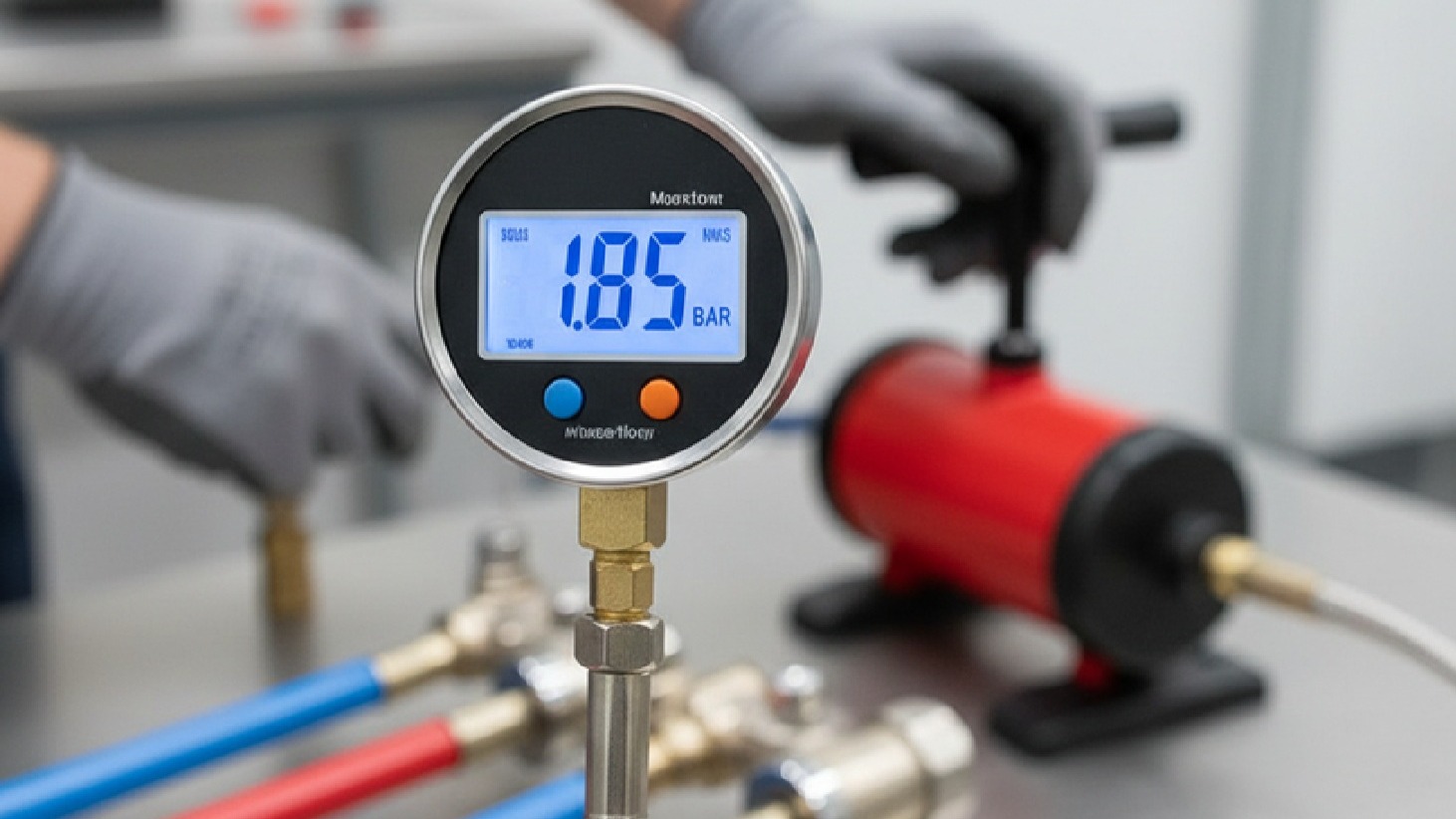
Modern digital pressure testers measure drops as small as 0.01 bar, catching issues that manual gauges miss entirely. This precision matters when you're testing underfloor heating circuits buried in concrete or pipework hidden behind finished walls. Finding a leak before the plaster goes up saves thousands in remedial work.
Hand Pumps vs Electric Testing Equipment
Hand-operated pressure pumps remain the workhorse of the industry for good reason. They're reliable, require no power source, and give you direct feedback about system resistance. When you're pumping manually, you feel immediately if something isn't right; excessive resistance suggests a blockage, whilst too-easy pumping might indicate an open valve somewhere.
Quality hand pumps feature dual-scale gauges showing both bar and PSI, with colour-coded zones indicating safe testing ranges. The best models include built-in pressure release valves that prevent over-pressurisation, which can damage components or create dangerous situations. Grundfos testing equipment combines durability with precision measurement.
Electric pressure testing pumps speed up the process considerably, especially on larger commercial systems where reaching test pressure manually would take 20 minutes of constant pumping. These units typically feature automatic shut-off at preset pressures and can maintain pressure whilst you inspect the system. The trade-off is cost and the need for a power source or charged batteries.
Selecting the Right Pump Type
For residential work, a robust hand pump handles 95% of situations. Commercial installations or testing multiple systems daily justifies the investment in electric equipment. Many experienced engineers carry both, using the hand pump for quick tests and verification, reserving the electric pump for extensive commercial work.
Digital Gauges Transform Testing Accuracy
Analogue gauges served the industry well for decades, but digital pressure gauges have changed what's possible in leak detection. The difference isn't just about easier reading; it's about capturing data that proves system integrity to customers and building inspectors.
Digital gauges record pressure over time, creating graphs that show exactly how a system behaves during the test period. A sudden drop indicates a significant leak requiring immediate attention. A gradual decline might suggest temperature-related contraction or a very slow seep. This distinction matters when deciding whether to rip out walls or simply monitor a situation.
Many digital testers now include Bluetooth connectivity, sending real-time data to your phone or tablet. This means you can pressurise a system, then walk the entire installation checking for leaks whilst monitoring pressure remotely. When you find a drop, you know exactly which section to inspect more closely.
The data logging feature provides documentation that protects you if questions arise months after installation. When a customer claims a leak existed from day one, your pressure test data showing the system held 2.5 bar for two hours becomes compelling evidence that the installation was sound.
Testing Different System Types Requires Different Approaches
Central heating systems, underfloor heating circuits, and pressurised hot water systems each present unique testing challenges. A radiator system with 10mm microbore pipe requires different pressure and duration than 22mm copper mains. Understanding these distinctions prevents false positives that waste time and false negatives that miss genuine problems.
Underfloor heating circuits demand particular care. The plastic pipe used in most installations expands slightly under pressure, which can mimic a small leak during the first few minutes of testing. Standard practice involves pressurising to test pressure, waiting 30 minutes for stabilisation, then topping up to test pressure again before starting the official test period. This compensates for pipe expansion and gives accurate results.
Older systems with traditional radiators and steel pipes might show pressure drops from air absorption rather than leaks. The water in the system slowly absorbs pressurised air, causing gauge readings to fall even when no leak exists. Testing these systems with water instead of air eliminates this variable, though it makes leak location harder since you can't hear air hissing from joints.
For systems incorporating Honeywell controls or EPH Controls components, ensure all automatic air vents are closed during testing. These devices are designed to release air during normal operation, which will cause test failures if left open.
Air Testing vs Hydraulic Testing
The debate between air and water testing continues in the industry, with strong advocates for both methods. Air testing offers significant advantages for new installations where the system is still dry. It's cleaner, faster, and makes leak location easier since you can hear air escaping from joints. The downside is that air compresses, so small leaks appear more dramatic than they actually are under normal water-filled operation.
Hydraulic testing with water provides more realistic results since water is incompressible. A system that holds water pressure will definitely hold heating system pressure during operation. However, finding leaks in a water-filled system requires more detective work. You're looking for drips and wet spots rather than listening for hissing air.
For most domestic heating installations, air testing at 1.5 times working pressure for one hour provides adequate verification. Commercial systems often require hydraulic testing at higher pressures for extended periods, sometimes 24 hours or more. Building regulations and insurance requirements sometimes specify which method to use, so checking before starting prevents having to repeat tests.
Practical Testing Considerations
Temperature affects test results significantly. A system tested in a cold garage at 5°C will show different pressure behaviour than the same system at 20°C. Air expands and contracts with temperature changes, causing pressure variations that can mimic leaks. Record ambient temperature during testing and account for this variable when interpreting results.
Some pressure test equipment heating systems include temperature compensation features that automatically adjust readings for thermal effects. These advanced gauges provide more consistent results across varying conditions, particularly valuable for outdoor installations or unheated spaces where temperature fluctuates during the test period.
Essential Connection Fittings and Adapters
Pressure testing requires a proper connection to the system being tested. Most heating systems have filling loop connections or drain points that can serve as test points, but having a comprehensive set of adapters ensures you can connect to any system configuration.
Standard test kits include 15mm and 22mm compression fittings, BSP thread adapters, and hose connections for filling loops. Having these readily available prevents delays when you encounter unfamiliar connection types. Quality plumbing fittings ensure leak-free connections during testing.
Some systems use proprietary filling loop designs requiring specific adapters. Keeping a selection covering common boiler manufacturers saves time and prevents damage from improvised connections. Quick-connect fittings speed up the process, particularly when testing multiple systems daily.
Avoiding Connection Problems
Always use proper sealing methods on test connections. PTFE tape or jointing compound prevents leaks at connection points that would invalidate test results. A leak at your test connection can be mistaken for a system leak, wasting time investigating non-existent problems elsewhere.
Check all test hoses and connections for damage before starting. A pinhole leak in your test hose creates the same pressure drop as a system leak, leading to false failures. Periodically pressure-test your equipment itself to ensure it's not introducing errors into your diagnostics.
Recording and Documenting Test Results
Professional practice involves documenting every pressure test, creating records that protect you and inform future work on the system. A simple test sheet recording date, initial pressure, final pressure after the test period, and any observations provides valuable documentation. Digital gauges that automatically log this data simplify the process whilst providing more detailed records.
Photographs of gauge readings at the start and end of testing provide visual proof that systems passed their tests. Many engineers now use time-stamped photos that show both the gauge and a recognisable part of the installation, making it clear which system was tested. This documentation proves invaluable if questions arise months or years later.
For commercial installations or new builds requiring building control sign-off, comprehensive test documentation is often mandatory. This includes details of test equipment used (including serial numbers and calibration dates), test pressure and duration, ambient temperature, and any observations about system behaviour. Detailed records speed up inspections and demonstrate professional practice.
Some engineers provide customers with copies of test documentation, particularly for new system installations. This transparency builds trust and gives homeowners confidence in the quality of work. It also serves as a baseline for future testing. If a system held 2.5 bar for two hours in 2024, but only manages 30 minutes in 2026, something has changed that warrants investigation.
Choosing Equipment That Grows with Your Business
Starting out, a basic hand pump kit with an analogue gauge handles most residential heating work. As your business grows and you take on more complex or commercial projects, upgrading to digital gauges and electric pumps makes sense. The key is choosing quality equipment initially that can be supplemented rather than replaced as needs evolve.
Modular systems, where you can upgrade the gauge or add electric pumping capability to existing equipment, offer better value than replacing entire kits. Some manufacturers design their testing equipment around this principle, with pumps that accept either analogue or digital gauges, and hand pumps that can be fitted with electric motors later.
For businesses focusing on specific niches, specialist equipment might be worthwhile. If you primarily install underfloor heating, testing equipment designed specifically for these systems with appropriate pressure ranges and connection types makes sense. Radiator system specialists benefit from equipment optimised for those pressure ranges and connection points.
The range of heating components from Andrews and available plumbing fittings means systems vary considerably in their testing requirements. Equipment that handles the full spectrum of domestic and light commercial work provides flexibility as your business develops and takes on diverse projects.
When Testing Reveals Problems
Pressure testing sometimes confirms what you suspected: there's a leak somewhere. The challenge then becomes locating it efficiently. Systematic approaches work better than random searching. For air-tested systems, start by listening at all accessible joints, working methodically from the pump connection outwards. Spray soapy water on suspected areas to reveal bubbles from escaping air.
Water-tested systems require visual inspection for drips and moisture. Starting at high points and working downwards makes sense since water follows gravity. Check beneath joints and valves where drops would collect. For concealed pipework, moisture metres detect damp patches in walls and floors that indicate leak locations.
Sometimes pressure drops occur without any visible leak. This suggests either a very slow seep that needs extended observation or issues with testing equipment or procedure. Re-check all test connections, ensure valves are fully closed, and verify your gauge is working correctly. If the system still shows pressure loss, extend the observation period whilst monitoring specific areas more closely.
For systems incorporating expansion vessels from Altecnic, check these components separately. A failed diaphragm in an expansion vessel can cause pressure variations that mimic leaks. Testing the vessel's air charge independently confirms whether it's functioning correctly or needs replacement.
Understanding Test Standards and Requirements
Building regulations specify minimum testing requirements for heating systems, though these vary between new installations, modifications, and maintenance work. New installations typically require testing at 1.5 times maximum working pressure for a minimum period, often one hour for domestic systems. The system must show no pressure drop during this period to pass.
Some local authorities or insurance companies impose stricter requirements, particularly for commercial properties or buildings with vulnerable occupants like care homes. Understanding what's required before starting work prevents having to repeat tests or defend your methods later. When in doubt, testing to higher standards than strictly required provides extra assurance.
Industry best practice often exceeds minimum regulatory requirements. Many professional engineers test domestic systems for two hours rather than one, and at slightly higher pressures than required. This margin of safety catches marginal issues that might pass minimum tests but fail within months. The extra 30 minutes spent testing prevents callbacks and protects your reputation.
Documentation requirements vary similarly. Whilst not always legally required for simple maintenance work, recording test results demonstrates professional practice and provides valuable records if questions arise. For warranty purposes, many manufacturers require proof of proper installation testing, making documentation essential even when regulations don't mandate it.
Building Confidence Through Consistent Testing
Pressure testing every heating system you work on, regardless of how minor the job seems, builds habits that prevent problems. Changing a single radiator valve might not legally require a full system test, but doing one anyway catches unrelated issues before they escalate. This approach transforms you from someone who fixes immediate problems into a professional who ensures entire systems work correctly.
Customers notice when you test thoroughly. Explaining that you're pressure testing their system after replacing a pump or valve demonstrates professionalism that justifies your rates and generates referrals. The 20 minutes spent testing becomes a marketing tool that differentiates you from competitors who skip this step.
For your own peace of mind, knowing every system you touch has been properly tested eliminates the nagging worry about callbacks. When your phone rings three weeks after a job, you can confidently rule out leaks because you have test data proving the system was sound when you left. This confidence shows in how you interact with customers and handle queries.
The investment in quality pressure test equipment that heating professionals use pays for itself quickly through prevented callbacks, faster problem diagnosis, and the professional reputation that comes from thorough, documented work. Whether you're working with Gledhill cylinders, Polypipe systems, or any other components, proper testing ensures everything works together reliably for years to come.
Pressure testing isn't an optional extra or box-ticking exercise. It's fundamental to delivering heating systems that work reliably, protecting your reputation, and building a business based on quality rather than racing to the next job. The right equipment, used consistently and maintained properly, makes this standard practice rather than an aspiration.
For quality heating system pressure testing equipment and all the components needed for professional installations, Heating and Plumbing World stocks a comprehensive range from trusted manufacturers. Need advice on selecting testing equipment or understanding testing requirements for specific applications? Get in touch with specialists who understand both testing protocols and proper system installation standards.