

Radiator Bleed Keys: Types and Applications
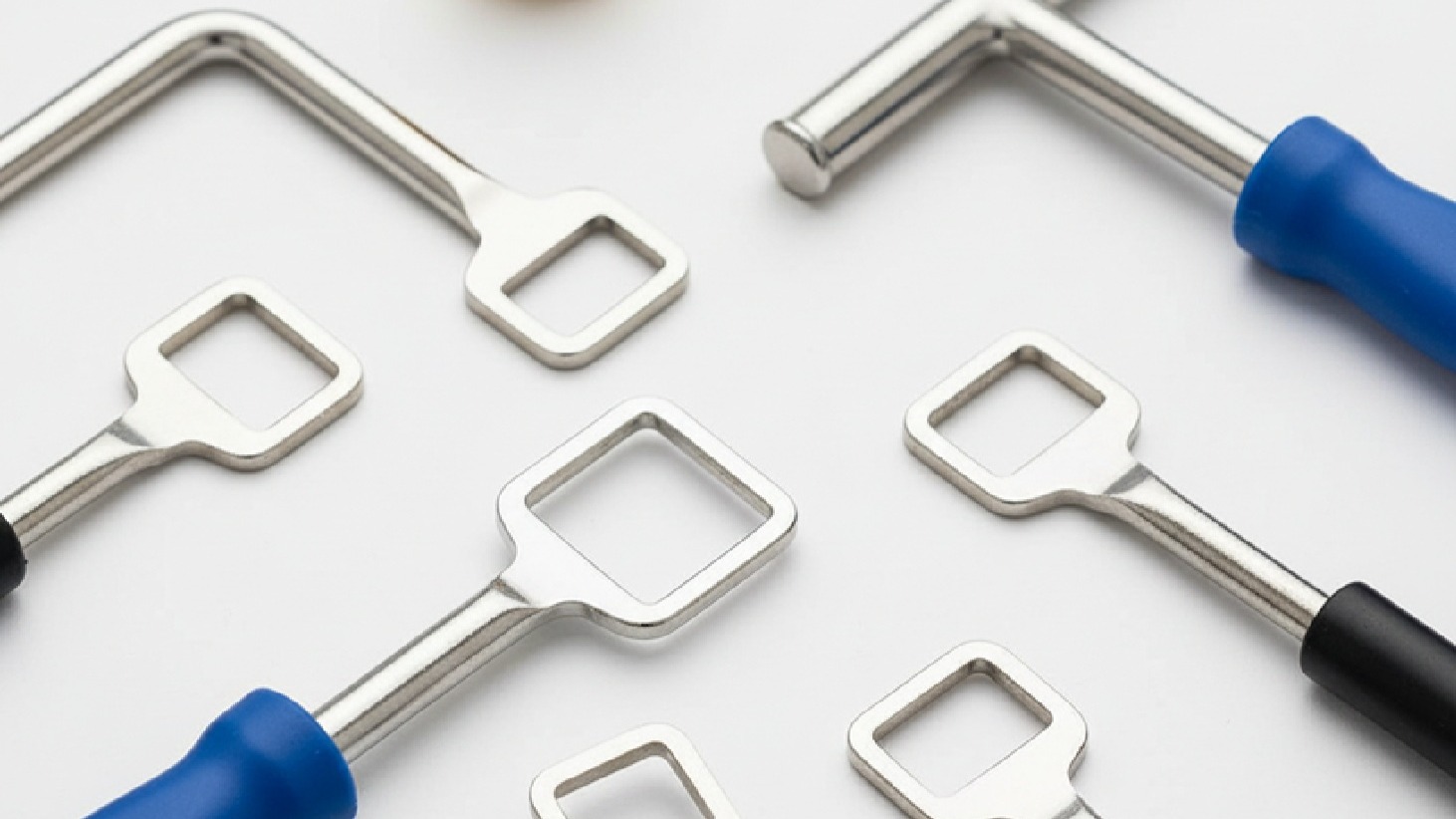
You wouldn't think a small metal tool could make the difference between a warm home and a cold one, but that's exactly what a radiator bleed key does. When air gets trapped in your heating system, radiators turn cold at the top whilst staying warm at the bottom. The solution? A simple bleed key that releases the trapped air in seconds.
Countless homes endure lukewarm radiators for months, not realising they have the power to fix them themselves. The right bleed key costs pennies but saves pounds on wasted energy. Understanding what makes these unassuming tools essential for any UK household transforms basic maintenance from mystery to routine.
What Actually Happens When Air Gets Trapped
Air naturally accumulates in heating systems over time. When you fill or top up your system, when new radiators get fitted, or simply through the normal heating and cooling cycles throughout the year, tiny air bubbles work their way into your radiators. These bubbles rise to the top and create cold spots that stop your radiator from working at full capacity.
The result? Your boiler works harder to heat your home, your energy bills climb, and you're left wondering why half your radiators feel tepid whilst the boiler's running full blast. Bleeding radiators removes this trapped air and restores proper circulation. It's basic maintenance that most homeowners can handle, provided they've got the right key.
Different radiators use different valve types, which means different radiator bleed keys. Using the wrong one either won't work at all or risks damaging the valve. That's why understanding the types available matters more than you'd think.
The Standard Square Key: Your Most Common Option
Walk into any hardware shop and ask for a radiator bleed key, and you'll likely get handed a small silver tool with a square socket at one end. This is the standard 5mm square key, and it fits roughly 90% of radiators in UK homes.
The design is beautifully simple. One end has a square socket that fits over the bleed valve nipple, whilst the other end features a small handle or grip. Some versions look like a simple cross or plus sign; others have a more elaborate handle for better grip. The functional end remains the same: a 5mm square opening.
These keys work on most modern panel radiators, column radiators, and the majority of older cast iron radiators, too. If you've got standard radiators from any major manufacturer, this key will almost certainly fit. Various heating components from Andrews work alongside proper radiator maintenance to keep systems running efficiently.
The standard key typically costs between 50p and £2, depending on whether you pick up a basic version or one with a more comfortable handle. Many plumbers carry several as spares because they're so universally useful. If you're only going to own one radiator key, make it this one.
Radiator Keys with Detachable Handles
Some radiators sit in awkward positions. Behind furniture, in tight alcoves, or tucked into corners where your hand barely fits, that's where keys with detachable or extendable handles prove their worth.
These tools feature the same 5mm square socket but attach to a longer handle or shaft. Some telescopes out to reach valves hidden behind radiators mounted close to walls. Others have removable handles that let you access the valve first, then attach the handle once you've got the key in position.
These prove invaluable when dealing with radiators positioned behind sofas or beds that homeowners don't want to move. The extra reach makes what would be an awkward job straightforward. They cost slightly more than basic keys, usually between £3 and £8, but if you've got even one difficult radiator, they're worth every penny.
The 6mm Square Key for Older Systems
Not every radiator uses the 5mm standard. Some older systems, particularly those installed in the 1970s and early 1980s, feature larger 6mm square valve nipples. If you try forcing a 5mm key onto a 6mm valve, you'll either strip the valve or damage the key.
The 6mm key looks almost identical to its 5mm cousin, but with a slightly larger square socket. If your standard key feels loose on the valve or doesn't engage properly, you likely need this larger version. Some manufacturers produced radiators with these valves for specific product lines, so you might find 6mm valves on particular models even in newer installations.
These keys are less common in shops but still readily available from plumbing suppliers. When working on older properties with original heating systems, checking valve sizes first before attempting to bleed radiators saves the frustration of a stripped valve that then requires professional repair.
Double-Ended and Multi-Function Keys
For people who maintain multiple properties or deal with various radiator types, double-ended keys offer practical versatility. These feature different fittings on each end, typically combining a 5mm square socket with either a 6mm square or a slotted screwdriver end.
The slotted end serves a specific purpose. Some modern thermostatic radiator valves (TRVs) and lockshield valves have slotted adjustment points rather than square ones. Having both options on one tool means you can bleed radiators and adjust flow rates without swapping tools.
Multi-function keys take this further, incorporating three or four different fittings into one compact tool. You might find a 5mm square, a 6mm square, a slotted end, and even a small adjustable spanner section all on one keyring-sized tool. These prove particularly useful for landlords or property managers who maintain various properties with different radiator types.
Quality heating controls from EPH work best when radiators are properly bled and balanced, making these multi-tools valuable for comprehensive system maintenance.
Recessed and Flush-Mounted Valve Keys
Modern radiators increasingly feature recessed bleed valves that sit flush with the radiator body for a cleaner aesthetic. Standard keys won't reach these valves because they're set back into a small recess.
Recessed valve keys have an extended square socket that reaches into the recess to engage the valve. The socket portion is longer and narrower, designed to fit through the access hole whilst still turning the valve inside. Without this specific tool, you simply cannot bleed these radiators.
If you've got contemporary designer radiators or high-end panel radiators, check your bleed valves. If they sit inside a small circular recess rather than protruding from the radiator surface, you need this specialised key. They're not as universally available as standard keys, so it's worth ordering one when you purchase the radiator itself.
Some manufacturers include the correct key with their radiators, but these often get misplaced during installation or lost over time. Replacements cost between £3 and £10, depending on the specific design.
Plastic Keys for Specific Radiator Brands
Certain radiator manufacturers, particularly those producing designer or specialist heating products, use proprietary plastic bleed valves. These require matching plastic keys that often come supplied with the radiator.
The plastic construction isn't about cost-cutting. These valves are designed to be hand-tightened only, preventing over-tightening that could damage the radiator body or valve threads. The plastic key provides just enough leverage for proper operation without risking damage.
Brands like Stelrad, Myson, and others have used these systems on specific product lines. The keys are colour-coded or branded, matching the radiator range. Losing one means contacting the manufacturer or supplier for a replacement, as standard metal keys won't work. Myson radiators often include these specialised components.
T-Bar Keys for Better Leverage
Anyone who's tried bleeding a particularly stubborn radiator knows the frustration of a valve that won't budge. Mineral deposits, corrosion, or simply years without bleeding can make valves incredibly stiff. That's where T-bar keys prove invaluable.
These feature the standard 5mm square socket attached to a T-shaped handle that provides significantly more leverage than a basic key. The perpendicular handle lets you apply more turning force without risking hand slippage or stripped valves.
Professional plumbers often carry T-bar keys because they make quick work of stiff valves. The improved grip also means better control, reducing the risk of over-opening the valve and causing water to spray out. They're slightly bulkier than basic keys but worth the extra pocket space if you're bleeding multiple radiators or dealing with older systems.
Prices range from £3 to £12, depending on build quality and handle material. Chrome-plated versions with rubber grips offer the best combination of durability and comfort.
Electric and Automatic Bleed Keys
Technology has reached even this simple tool. Electric radiator keys automate the bleeding process, slowly opening the valve and closing it once air stops escaping. These battery-operated tools are designed for people with limited hand strength or mobility issues who find manual keys difficult to use.
Automatic air vents take a different approach. These small devices replace standard bleed valves and automatically release trapped air as it accumulates, eliminating manual bleeding entirely. They're particularly useful on radiators in difficult-to-reach locations or for people who want truly hands-off heating maintenance.
The trade-off? Cost and complexity. Electric keys run between £20 and £50, whilst automatic air vents cost £8 to £15 per radiator. For most homes, manual bleeding with a standard key remains the most practical and economical option. But for specific situations, particularly where accessibility is a concern, these alternatives make sense.
Matching Keys to Valve Types
Before you buy any radiator bleed keys, check your actual valves. Look at the bleed valve, usually located at the top corner of the radiator. You'll see either:
A square nipple protruding from the radiator body - This takes a standard 5mm or 6mm square key. Measure the nipple width if you're unsure. 5mm is roughly the width of a standard pencil lead, whilst 6mm is noticeably larger.
A recessed circular opening with a square socket inside - This requires a recessed valve key. Standard keys won't reach.
A plastic valve with a specific shape - This needs the manufacturer's plastic key. Check your radiator documentation or contact the manufacturer.
A slotted screw head - This takes a flathead screwdriver or a key with a slotted end.
Taking 30 seconds to check your valves before buying a key saves the frustration of discovering you've got the wrong tool when you're ready to bleed your radiators. If you've got multiple radiators, check them all. Many homes have a mix of radiator types, particularly if heating systems have been updated piecemeal over the years.
Practical Tips for Using Any Radiator Key
Regardless of which radiator bleed key types you've got, the bleeding process remains essentially the same. Turn your heating on and let the radiators warm up. This helps trapped air rise to the top, where the bleed valve sits.
Turn the heating off and wait 30 minutes for the system to cool slightly. This reduces pressure and prevents hot water from spraying out when you open the valve. Keep a cloth or small container handy to catch any water.
Insert your key into the valve and turn anti-clockwise about a quarter turn. You'll hear air hissing out. Once water starts dripping steadily instead of air, close the valve by turning clockwise. Don't overtighten; hand-tight is sufficient.
Check your boiler pressure gauge after bleeding multiple radiators. You may need to repressurise the system if pressure has dropped too low. Systems incorporating quality pumps from Grundfos maintain better circulation when properly bled and pressurised.
When to Replace Your Radiator Key
Metal radiator keys last for decades if treated reasonably. The square socket might wear slightly with heavy use, but they're simple enough that wear rarely becomes an issue. If your key starts slipping on valves that previously turned smoothly, the socket has likely worn and needs replacing.
Plastic keys are more vulnerable to wear and breakage. Check them periodically for cracks or deformation, particularly around the socket area. A cracked plastic key can break inside the valve, creating a much bigger problem than a cold radiator.
Keep spare keys. They're inexpensive enough that having backups makes sense, particularly if you've got specialist valves that need specific keys. Store them somewhere logical, like with your boiler manual or in your household toolkit. You'll thank yourself when you need one at 9 pm on a cold January evening.
Building Your Radiator Maintenance Kit
A well-prepared homeowner keeps these items together:
- Standard 5mm square radiator key (or the correct key for your specific radiators)
- Small cloth or towel for catching drips
- Small container or tray for water
- Torch for seeing valves in dark corners
- Marker pen for noting which radiators you've bled
This simple kit lets you maintain your heating system properly without calling a plumber for routine air bleeding. Combined with proper heating controls from Honeywell and regular maintenance, it keeps your system running efficiently year after year. Danfoss valves also benefit from regular bleeding to maintain optimal performance.
Maintaining System Efficiency
The right radiator key costs a couple of pounds and takes up less space than a house key, yet it's one of the most useful tools any homeowner can own. Cold spots on radiators waste energy and money. Bleeding them takes minutes and requires nothing more than the correct key and basic knowledge.
Check your radiator valves, buy the appropriate key, and bleed your radiators at the start of each heating season. This simple routine maintenance keeps your heating system running efficiently, reduces energy waste, and ensures your home stays warm when temperatures drop. The small investment in the right tool pays for itself many times over through improved heating performance and lower energy bills.
For homes with mixed radiator types or multiple properties to maintain, investing in a multi-function key or keeping several different key types on hand makes practical sense. The few extra pounds spent on the right tools save time, frustration, and potential damage to valves that comes from using incorrect implements.
Your heating system works hard to keep your home comfortable. Give it the simple maintenance it needs with the right radiator key, and it'll reward you with reliable warmth throughout the cold months ahead.
For quality radiator bleed keys and all the components needed for efficient heating systems, Heating and Plumbing World stocks a comprehensive range from trusted manufacturers. Need advice on radiator maintenance or selecting the correct tools? Get in touch with specialists who understand heating system maintenance and proper bleeding procedures.