

Radiator Valve Tail Extenders: Solving Connection Problems
You've just bought a beautiful new radiator for your living room. The measurements checked out, the BTU output is perfect, and it matches your décor brilliantly. Then the plumber arrives and discovers the valve tails don't quite reach the pipe connections. The radiator sits 10mm too far from the wall, or the existing pipework doesn't align properly. This scenario plays out in homes across the UK every week, particularly in older properties where pipework positioning varies wildly from modern standards.
Radiator valve tail extenders solve this frustrating problem without requiring expensive pipework alterations. These simple brass components bridge the gap between your radiator valve and the pipework, saving time, money, and considerable disruption to your home.
What Radiator Valve Tail Extenders Actually Do
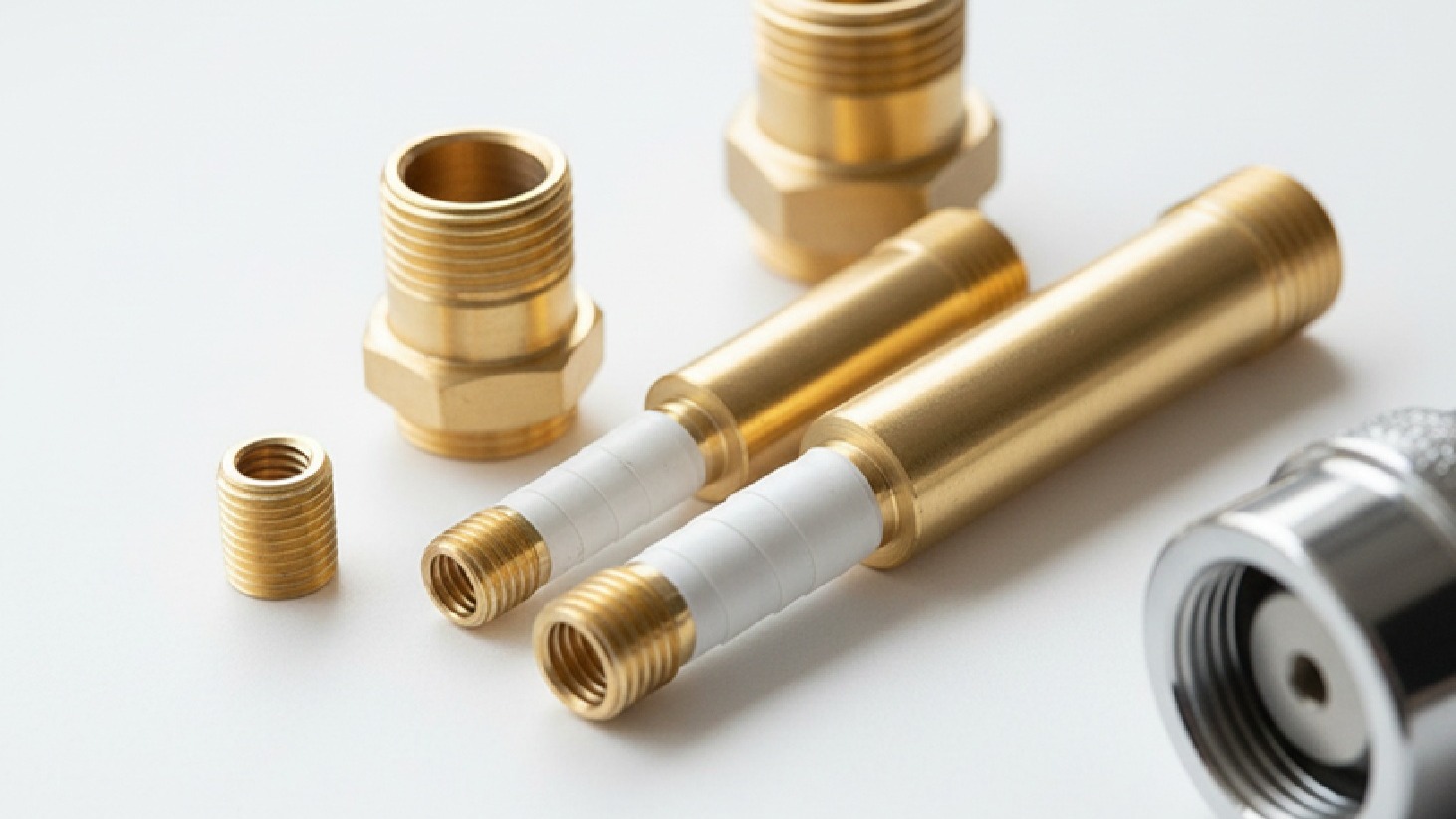
A radiator valve tail extender is a brass adapter that lengthens the connection point between your radiator and its valve. Standard radiator tails typically measure 30mm or 50mm in length. When these don't quite reach your existing pipework, or when you're replacing an old radiator with a modern design that sits differently, extenders provide the additional length needed.
The extender screws into the radiator's threaded connection point, creating a longer tail for the valve to attach to. Most extenders add between 10mm and 50mm of extra length, though longer versions exist for specific applications. They maintain a watertight seal through compression fittings and PTFE tape, exactly like standard radiator connections.
Various radiator valve tail extenders and fittings from Heating and Plumbing World accommodate different thread sizes and extension lengths. The most common thread sizes in UK installations are 1/2 inch BSP (British Standard Pipe) and 3/4 inch BSP, matching standard radiator valve connections.
Common Situations That Require Tail Extenders
Replacing Old Radiators with Modern Designs
Older radiators, particularly those from the 1970s and 1980s, often had valve connections positioned differently than contemporary models. Column radiators and vintage-style cast iron radiators typically have valve entry points that sit further from the wall than modern panel radiators. When you upgrade to a sleek modern panel radiator, the valve connections may end up 20-30mm closer to the wall than the existing pipework allows.
Rather than re-routing pipes through walls and floors, which can cost hundreds of pounds and take days to complete, tail extenders bridge this gap in minutes. Installations using extenders have saved homeowners over £500 in plumbing alterations. It's like using a socket extension rather than rewiring your entire electrical system, a simple adapter that solves the mismatch problem.
Fitting Designer Radiators in Period Properties
Period properties present unique challenges. Original pipework often emerges from walls or floors at positions that don't align with modern radiator specifications. Victorian and Edwardian homes frequently have pipework that rises through floorboards at angles or positions that made sense for the radiators installed a century ago, but create headaches for contemporary replacements.
Tail extenders allow you to fit modern, efficient radiators without disturbing original architectural features or undertaking major structural work. This proves particularly valuable in listed buildings where alterations require careful consideration and often formal consent.
Correcting Installation Errors
Sometimes pipework gets installed slightly off-position during new builds or renovations. A pipe centre that should be 50mm from the wall might actually be 60mm away. Rather than cutting into fresh plaster and re-routing pipes, tail extenders provide a quick correction that keeps the project on schedule.
Accommodating Thicker Wall Finishes
Adding insulation, plasterboard, or decorative wall panels increases wall thickness. If you're fitting radiators after these improvements, your existing pipework now sits further from where the radiator will mount. Extenders compensate for this additional depth without requiring pipe modifications.
Choosing the Right Tail Extender Specifications
Thread Size Compatibility
The thread size must match both your radiator's connection and your valve. UK radiators predominantly use 1/2 inch BSP threads, though some larger radiators and commercial applications use 3/4 inch BSP. Designer radiators, particularly imported European models, occasionally use metric threads (15mm or 20mm), which require adapter fittings.
Check your radiator's specification sheet or measure the existing tail thread before purchasing extenders. A 1/2 inch BSP thread measures approximately 20.9mm in diameter, whilst a 3/4 inch BSP measures about 26.4mm. If you're replacing an existing radiator, the old tail provides a perfect reference for matching thread size.
Extension Length
Measure the gap between your radiator's valve connection point and where your pipework terminates. Add 5-10mm to this measurement to ensure adequate overlap for secure connections. Extenders typically come in 10mm, 20mm, 30mm, and 50mm lengths, with some manufacturers offering longer options for specialist applications.
Using an extender that's too long creates unnecessary projection and may cause clearance issues with skirting boards or furniture. Too short, and you won't achieve proper connection depth for a secure, leak-free seal.
Material Quality
Quality brass extenders from reputable manufacturers provide decades of reliable service. Cheap alternatives made from inferior brass alloys or plated steel can corrode, particularly in systems with poor water quality or inadequate inhibitor levels. Corrosion weakens connections and can cause leaks that damage flooring and decorating.
Heating components from manufacturers like Danfoss meet British Standards for materials and manufacturing tolerances, ensuring compatibility and longevity. Brass composition matters because it must resist dezincification, a corrosion process that weakens brass in certain water conditions.
Valve Tail Extender Fitting: Installation Steps
Preparation Steps
Drain down the heating system or isolate the specific radiator circuit if your system includes zone valves. Attempting installation with water pressure in the system creates a mess and prevents proper thread sealing. Remove the existing radiator if it's already fitted, or prepare the new radiator for installation if you're replacing an old unit.
Clean the radiator's threaded connection thoroughly. Old PTFE tape, jointing compound residue, or corrosion products must be removed completely. A wire brush or cloth with white spirit cleans threads effectively. Clean threads ensure the extender seats properly and create an even seal.
Applying Thread Sealant
Wrap PTFE tape around the extender's threads that will screw into the radiator. Apply the tape clockwise (when viewing the thread end-on) so it tightens as you screw the extender in, rather than bunching up. Three to five wraps of quality PTFE tape provide adequate sealing for most applications.
Some installers prefer jointing paste or liquid thread sealant, particularly for larger diameter connections. These compounds fill minor imperfections in thread surfaces and remain slightly flexible, accommodating thermal expansion. Whatever sealant you choose, apply it only to the male thread, never to the female thread, as this can cause hydraulic lock and prevent proper tightening.
Tightening Specifications
Thread the extender into the radiator by hand initially, ensuring it enters squarely without cross-threading. Cross-threaded connections never seal properly and may damage the radiator's threaded boss beyond repair, particularly on thin-walled panel radiators.
Once finger-tight, use appropriate spanners to complete the connection. The extender should tighten firmly without excessive force. Most 1/2 inch BSP connections achieve proper seal with 1-2 full turns after hand-tightening. Over-tightening risks damaging threads or distorting the radiator boss, whilst under-tightening leaves the connection vulnerable to leaks.
For the valve tail extender fitting, the valve then connects to the extender's exposed thread using standard techniques. Apply fresh PTFE tape or jointing compound to the extender's external thread, hand-tighten the valve body, then complete the connection with spanners. Ensure adequate thread engagement; at least 4-5 complete threads must engage to create a secure connection.
Testing and Commissioning
After completing all connections, refill the system slowly whilst bleeding air from radiators. Check all connections for leaks as pressure builds. Small weeps often appear initially, then seal as PTFE tape beds in, but persistent drips indicate inadequate sealing or damaged threads requiring attention.
Run the heating system to operating temperature and recheck all connections. Thermal expansion can sometimes reveal marginal connections that appeared adequate when cold. Address any weeps immediately before they develop into significant leaks.
A homeowner in Berkshire decided to save money by buying unbranded brass extenders from an online marketplace for £1.50 per pair, half the price of quality components. The installation appeared successful initially, but three months later, pinhole corrosion appeared on two of the four extenders. The resulting leaks damaged engineered oak flooring throughout the ground floor (£3,200 replacement cost) and required an emergency plumber callout (£280). The insurance excess was £500, and the claim caused the premium to increase by £180 annually. The £6 "saving" on quality components cost over £4,000 in total. Quality brass extenders meeting British Standards would have prevented this entirely.
Alternative Solutions When Extenders Aren't Suitable
Angled Valve Options
Sometimes the issue isn't distance but alignment. Pipework emerging at the wrong angle relative to radiator connections creates problems that a simple extension won't solve. Angled radiator valves (typically 15-degree or 45-degree angles) redirect flow to accommodate misaligned pipes.
Combining angled valves with appropriate extenders solves complex alignment problems. Various valve configurations from quality manufacturers work with different radiator and pipework arrangements, providing solutions for most installation challenges. Honeywell offers reliable valve options for various installation scenarios.
Pipework Modification
In some situations, particularly new installations or major renovations, modifying the pipework makes more sense than using extenders. If you're already opening walls or floors for other work, repositioning pipes creates a cleaner, more permanent solution.
Professional pipe modifications ensure proper fall for drainage, maintain adequate flow rates, and position connections precisely where needed. This approach costs more upfront but eliminates the need for adapters and provides the most robust long-term solution.
Maintaining Systems with Tail Extenders
Tail extenders require no special maintenance beyond what your heating system normally needs. Annual system checks should include inspecting all connections for signs of weeping or corrosion. Small amounts of moisture around connections indicate developing leaks that need attention before they worsen.
Ensure your heating system contains a proper corrosion inhibitor at the correct concentration. Inhibitor protects all metal components, including brass extenders, from corrosion and scale formation. Systems without adequate inhibitor protection deteriorate faster, with connections often showing problems first.
When bleeding radiators or performing routine maintenance, check that connections remain tight. Thermal cycling can occasionally cause compression fittings to work slightly loose over the years of service. A quarter-turn tightening during annual maintenance prevents minor weeps from developing into significant leaks.
Cost Considerations and Value
Quality brass tail extenders cost between £3 and £15 per pair, depending on length and specification. This modest investment prevents pipework modifications that typically cost £150-£400 per radiator when you factor in labour, materials, and making good decorative finishes.
The time saving is equally significant. A competent DIYer can fit extenders in 15-20 minutes per radiator. Equivalent pipework modifications require 2-4 hours per radiator, including cutting into walls or floors, modifying pipes, testing, and repairing surfaces. For professional installations, this time difference translates directly to labour cost savings.
Beyond immediate costs, extenders allow you to upgrade radiators without major disruption. You can replace one radiator at a time as budget allows, rather than needing to commit to whole-house pipework modifications before improving your heating system.
Selecting Quality Components
The brass quality significantly affects long-term performance. DZR (dezincification-resistant) brass contains small amounts of arsenic or other elements that prevent the selective corrosion of zinc from the brass alloy. This corrosion process, common in certain water conditions, weakens brass and causes premature failure.
British Standard BS EN 12165 specifies brass compositions suitable for plumbing applications. Components meeting this standard provide reliable service in UK water conditions. Cheap, unspecified brass fittings from unknown manufacturers may save a few pounds initially, but risk failure that causes water damage costing thousands to repair.
Thread accuracy matters equally. Properly machined threads create even pressure distribution and seal reliably with appropriate PTFE tape or jointing compound. Poorly machined threads with rough surfaces or incorrect pitch never seal properly, regardless of how much sealant you apply.
Plumbing components from suppliers like Polypipe meet relevant British and European standards, ensuring compatibility with UK radiators and valves. This compatibility eliminates the frustration of discovering that a bargain component doesn't quite fit or leaks despite correct installation.
Working with Different Radiator Types
Panel Radiators
Modern panel radiators typically have threaded bosses welded into the bottom corners. These accept standard 1/2 inch BSP tails and extenders without complications. The thin steel construction means you must avoid over-tightening, which can distort or crack the boss.
Column Radiators
Traditional column radiators, whether cast iron originals or modern steel reproductions, have more robust threaded connections. These can accommodate the higher torque needed for larger diameter threads and longer extenders. The greater mass of column radiators makes proper bracket support essential when using extenders.
Designer and Vertical Radiators
Contemporary designer radiators come in numerous configurations, with valve connections positioned at various points. Some have bottom connections like traditional radiators, whilst others use side connections or even top connections for specific applications. Check the manufacturer's specifications for thread size and position before purchasing extenders.
Vertical radiators often have connections positioned where they'll be hidden behind furniture or in corners. This positioning sometimes creates access challenges during installation. Consider connection accessibility when planning installations that require extenders.
Understanding System Pressure Considerations
Modern sealed heating systems operate at higher pressures than older open-vented systems. Sealed systems typically run at 1-1.5 bar cold pressure, rising to 2-3 bar when hot. These pressures place greater stress on all connections, making proper installation technique critical.
Tail extenders from reputable manufacturers are designed and tested for these pressures with appropriate safety margins. The connection between extender and radiator, when properly made with adequate thread engagement and appropriate sealant, withstands system pressures without difficulty.
Problems arise when installation shortcuts compromise connection integrity. Inadequate thread engagement, missing or insufficient sealant, or cross-threading create weak points that fail under normal operating pressure. The pressure itself doesn't cause failure; it simply reveals inadequate installation.
Simple Solutions for Complex Problems
Radiator valve tail extenders solve common connection problems elegantly and economically. They bridge gaps between radiators and pipework that would otherwise require expensive and disruptive alterations. Whether you're upgrading to more efficient radiators, fitting designer models in a period property, or correcting installation misalignments, these simple brass components provide reliable solutions.
Success depends on selecting appropriate specifications for your application, using quality components that meet relevant standards, and following proper valve tail extender fitting techniques. Measure carefully, choose the correct thread size and extension length, and install with attention to thread sealing and tightening specifications.
The modest cost of quality extenders represents excellent value when compared to alternative solutions. They enable heating system improvements that might otherwise be impractical due to cost or disruption. Paired with quality radiator valves and controls from manufacturers like EPH Controls, they form part of an efficient, reliable heating system that provides comfortable warmth for years to come.
When planning radiator replacements or installations, consider connection requirements early in the process. Identifying the need for extenders before starting work prevents delays and ensures you have the correct components to hand. This preparation transforms potentially frustrating installations into straightforward jobs that proceed smoothly from start to finish.
Quality components, proper installation technique, and appropriate system maintenance ensure that tail extenders provide decades of leak-free service. They become an invisible part of your heating system, quietly doing their job whilst you enjoy the comfort and efficiency of your upgraded radiators.
For technical guidance on radiator installations or to source quality valve tail extenders and heating components, contact us for expert support.