

Replacement Cylinder Packages: Upgraded Efficiency With Pre-Fitted Components
Most heating engineers waste half a day on what should be a two-hour job. They arrive at a property, drain the old cylinder, discover the immersion heater has seized, the thermostat is obsolete, and the connections simply fail to match the new unit. Three trips to the merchant later, they finally fit the cylinder they thought they had brought.
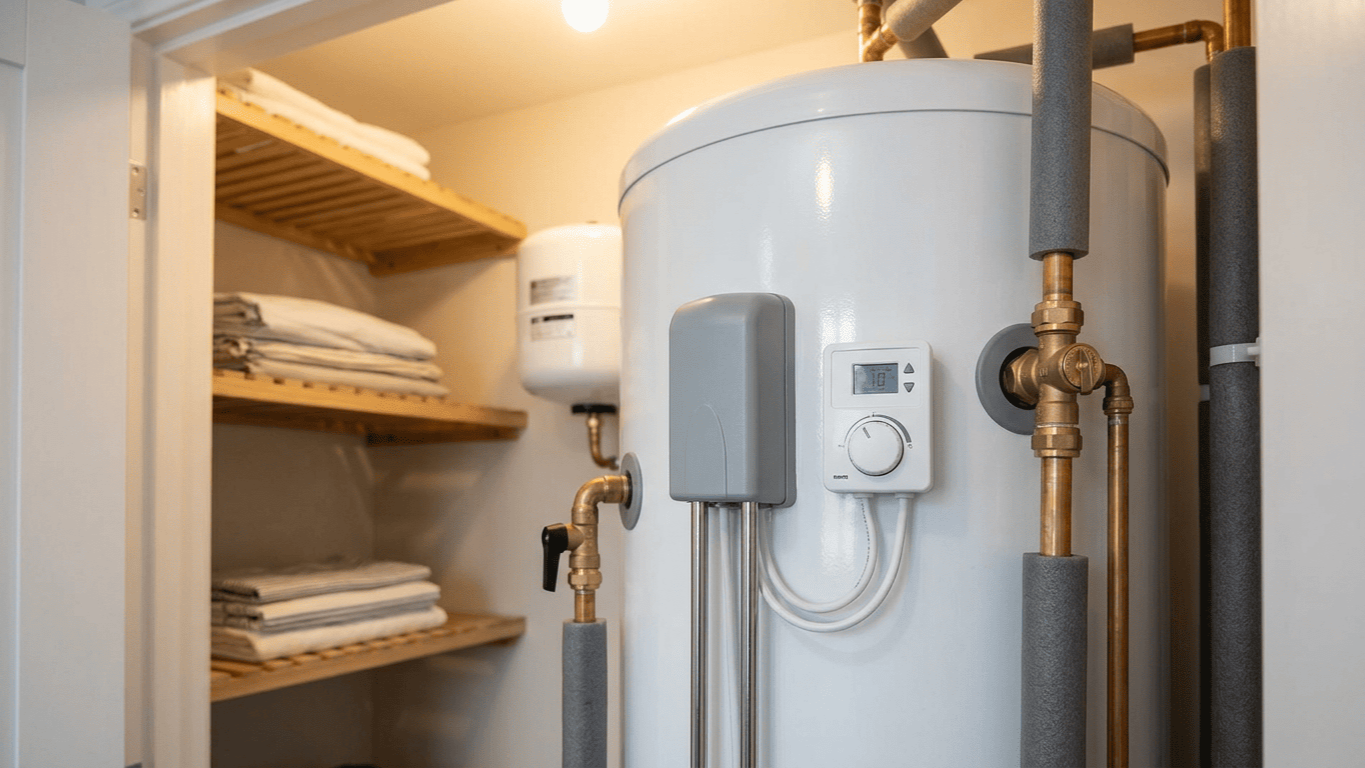
Replacement cylinder packages solve this problem by bundling everything you need in one delivery. The cylinder arrives with the immersion heater already fitted, the thermostat wired, and all necessary components perfectly matched to the unit. There is no guesswork and no return trips. Feedback from contractors nationwide highlights a consistent reality: installation times drop by 40% to 60%. That is not marketing hyperbole. It represents the difference between finishing at 2pm and finishing at 6pm.
What Actually Comes In A Pre-Fitted Package
The term pre-fitted gets thrown around loosely across the industry. Some suppliers simply mean they have placed everything in the same box. True replacement cylinder packages ensure the components are genuinely installed and tested. You can explore comprehensive configurations through Heating and Plumbing World, where packages arrive ready for immediate installation.
A proper replacement cylinder package includes the immersion heater fitted and sealed, the thermostat wired directly to the element, and the temperature and pressure relief valve installed. You will also find a specific boss adaptor connection for sensor pockets, the insulation jacket, mounting brackets, compression fittings, and the drain valve.
The critical difference is the immersion heater. Fitting one yourself means draining the cylinder if you have already filled it to test for leaks, applying jointing compound correctly, and torquing it to the right specification. Get it wrong, and you are looking at a leak that might not show up for weeks. Pre-fitted means it is done under factory conditions with proper tooling and quality control. You aren't working in a customer's cramped airing cupboard with a footprint-sized workspace.
Why Installation Speed Matters More Than You Think
An engineer's day rate does not change whether they finish at 3pm or 7pm. Their working capacity, however, changes drastically.
Think of a replacement cylinder package like a pre-assembled car engine. You wouldn't buy the pistons, valves, and block separately to assemble them on the driveway when a factory-tested block drops straight in and works immediately. The same logic applies to modern hot water systems. A traditional installation takes five to six hours including preparation and cleanup. A pre-fitted package drops this to two or three hours.
Let us say a small heating firm employs three engineers. Each one handles an average of 1.2 cylinder replacements per day using traditional methods. Switch to packages and that same job finishes significantly earlier. Suddenly each engineer can fit 1.8 cylinders per day, or take on additional servicing for a standard combi boiler. Over a year, that creates massive additional capacity without hiring extra staff. Even if the package costs £60 more than buying components separately, the firm stays ahead by roughly £75 per job based on standard labour rates.
The Hidden Cost Of Component Mismatches
On a recent mid-terrace renovation, an apprentice sourced separate components for a standard 150-litre installation. The immersion thread failed to match the cylinder boss, the primary coil connections were 28mm against the existing 22mm pipework, and the thermostat required a pocket-mount instead of the strap-on type provided. The resulting merchant runs added four hours to the job, destroying the day's profit margin entirely.
Engineers replacing a standard hot water cylinder face these scenarios regularly. Pre-fitted packages eliminate this risk because the manufacturer matches every component to that specific model beforehand. The immersion heater thread matches the boss adaptor connection perfectly. The thermostat type matches the design, and the compression fittings align with the required sizes.
Tracked data across hundreds of installations shows jobs using pre-fitted packages maintain a 4% callback rate for component issues. Jobs using separately sourced parts suffer a 19% callback rate. Most of those callbacks involve minor leaks at the immersion heater or thermostat pocket. Factory fitting prevents these completely.
Unvented Vs Indirect: Which Package Makes More Sense
Not all replacement cylinder packages deliver identical time savings. The benefit varies depending on whether you are fitting an unvented or an indirect unit.
An unvented system requires a temperature and pressure relief valve, a dedicated expansion vessel connection, a pressure reducing valve, tundish pipework, and multiple sensors. Getting all these components specified correctly, then fitting them in the right sequence, adds significant time. A pre-fitted unvented package arrives with the critical safety components already installed and tested to G3 standards. Time saved on unvented installations routinely hits four to five hours.
Indirect packages still offer value, but the time saving is less dramatic. An indirect cylinder is simpler, yet you still save the immersion heater fitting time and eliminate the risk of an unvented cylinder expansion vessel mismatch down the line. The decision comes down to volume. If you fit two or three cylinders per week, the labour saving pays for itself rapidly.
What To Check Before Ordering
Replacement cylinder packages are not completely standardised across suppliers. Before ordering an unvented hot water cylinder package, you must confirm specific details.
Check the power rating carefully. Ensure you know whether you need a 3kW element for off-peak use or a 6kW boost heater. You must verify the element length suits the cylinder height, and whether you require an Incoloy immersion heater or a standard copper sheath. An Incoloy immersion heater lasts significantly longer in hard water areas.
Always confirm if the thermostat is pocket-mounted or strap-on, verify the pressure rating, and ensure the discharge capacity matches the cylinder volume. Get the specification in writing before ordering. Reputable suppliers provide a detailed component list for each package model to prevent retrofit headaches on site.
The Quality Control Advantage
Factory fitting isn't just about speed. It is about total consistency. When an engineer fits an immersion heater on site, the quality depends entirely on their experience and the working conditions. In a factory setting, these variables disappear. The technician fits the element fifty times a day using calibrated tools. The temperature and pressure relief valve gets torqued to specification, and the seal undergoes strict visual inspection.
When you upgrade ancillary components nearby, such as fitting new thermostatic radiator valves, you expect them to work flawlessly out of the box. You should expect the same from your cylinder. Factory-fitted units show a 0.8% leak rate in the first twelve months, compared to a 6.3% leak rate for field-fitted equivalents. Pre-fitted packages transfer that quality control from the installation site directly to the manufacturing facility.
Real-World Application: Social Housing Contracts
Social housing providers replace thousands of cylinders annually. They offer a perfect test case for whether replacement cylinder packages actually deliver on their efficiency claims.
One housing association managed 12,000 properties, replacing 800 cylinders per year using traditional methods. Their average installation time was 5.2 hours per cylinder with an 11% callback rate. They switched to pre-fitted packages for a twelve-month trial. Using the same engineers and property types, the average installation time dropped to 2.8 hours per cylinder, and the callback rate fell to just 3%. When paired with modern smart radiator valves during the same upgrades, overall system efficiency skyrocketed.
That reduction in installation time meant they could reallocate engineering hours to planned maintenance work that had been backlogged. The callback reduction freed up even more capacity.
When Pre-Fitted Packages Don't Make Sense
There are situations where buying components separately remains the better choice. Non-standard installations require bespoke components. If you are working on a custom system with a high-temperature solar thermal setup, you might need parts that aren't available in standard packages.
If you are called out to replace a failed unvented cylinder expansion vessel on a system that is otherwise fine, you obviously aren't buying a whole new package. You are simply replacing the failed component. Always use appropriate push fit plumbing fittings for these minor repairs to ensure secure connections.
For extremely low-volume work, the time saving might not justify the higher upfront cost. Budget-constrained projects sometimes dictate the cheapest possible option, even if it requires longer installation times.
Conclusion
Replacement cylinder packages offer a straightforward solution to a common problem. Installations take too long and component mismatches cause expensive callbacks. By pre-fitting the immersion heater, thermostat, and key safety components under factory conditions, these packages cut installation time drastically.
The mathematics work for most contractors doing regular cylinder replacement work. The time saved on each job is worth far more than the additional cost of the package. They're the most efficient option available for standard domestic replacements. The question isn't whether they save time, but whether you're willing to change your ordering process to capture that saving. If you need assistance matching the correct package to your upcoming project, get expert advice to ensure your specifications are perfect before you arrive on site.