

Replacing Heat Pump Compressor Capacitors: A Step-by-Step Guide
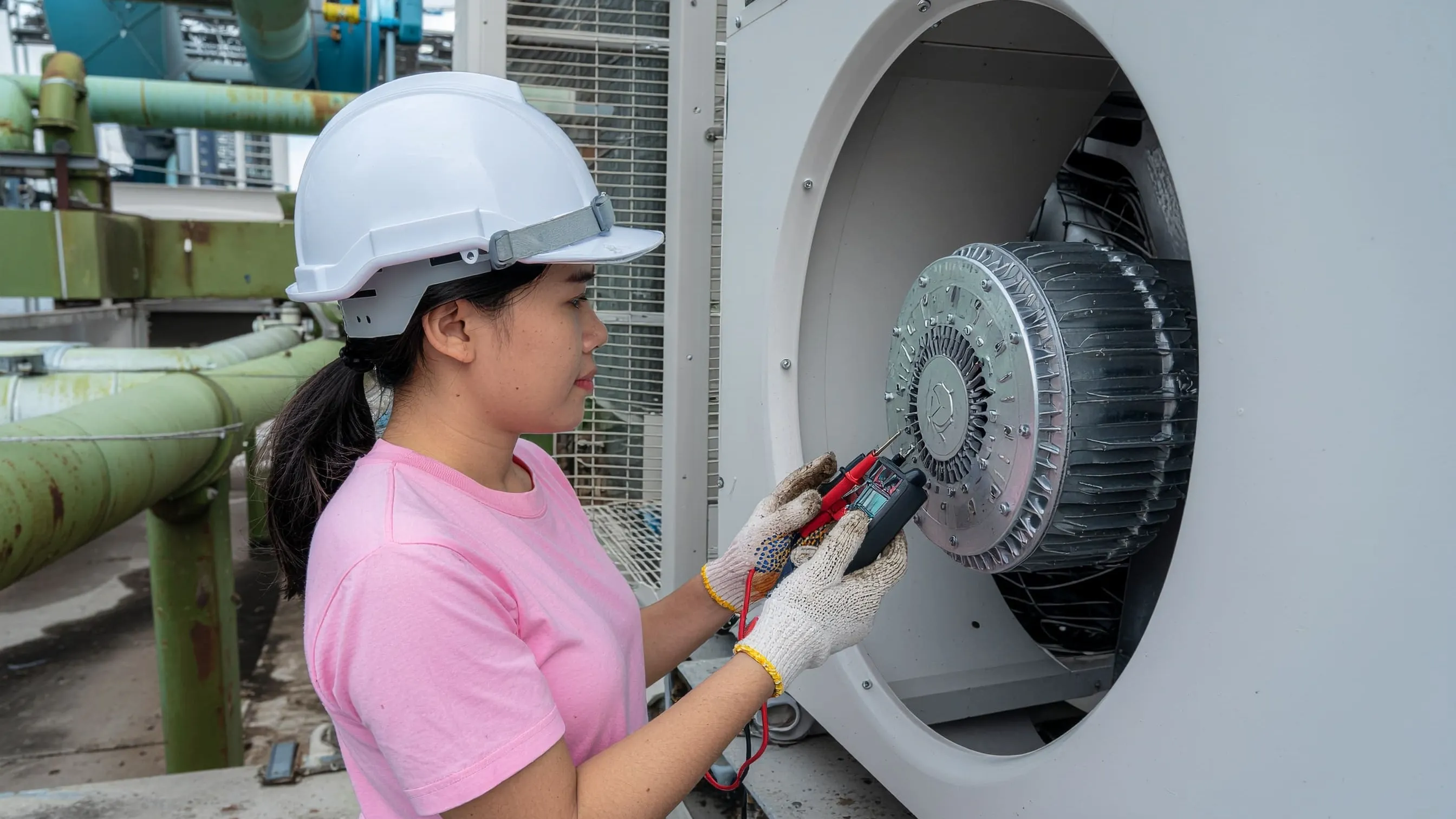
When a heat pump fails to start, the run capacitor is frequently the culprit behind the breakdown. Heat pump compressor capacitor replacement is a fundamental skill for any heating engineer dealing with modern HVAC equipment. You need to diagnose the fault accurately, test the components safely, and execute the swap without introducing new electrical faults. Proper heat pump compressor capacitor replacement restores efficiency and prevents catastrophic mechanical failure. It's a straightforward fix when executed correctly, but rushing the process costs you time and damages expensive equipment. Master this process, and your first-time fix rates will soar.
Identifying Capacitor Failure Symptoms
Before attempting a heat pump compressor capacitor replacement, you must identify the physical and operational signs of failure across the outdoor unit. A bulging top casing, commonly known as mushrooming, or leaking dielectric fluid indicates immediate and irreversible failure. You might hear the compressor hum aggressively but fail to turn over entirely. This specific symptom often triggers unnecessary scroll mechanism diagnostics by inexperienced technicians who assume the worst.
Proper scroll mechanism diagnostics should always begin with verifying the incoming power supply and capacitor integrity. If the capacitor is weak, the compressor draws massive locked rotor amps, overheats rapidly, and eventually trips the internal thermal overload or the mains breaker.
Effective scroll mechanism diagnostics will save you from condemning a perfectly good mechanical unit when the fault is purely electrical. Always check the microfarad output before assuming the compressor itself is seized or mechanically compromised. The difference between a failed compressor and a failed capacitor is thousands of pounds.
Professionals sourcing replacement parts understand that Heating and Plumbing World supplies professional-grade components designed to withstand these demanding electrical loads. Visual inspection alone isn't enough, as many capacitors fail internally without showing any external deformity. You must rely on accurate electrical testing rather than visual guesswork to confirm the diagnosis definitively. Don't guess. Test.
Safe Discharge and Testing Protocols
Safety is absolute paramount before you touch any electrical terminals inside the condenser unit cabinet. Disconnect the mains power at the local isolator and verify the circuit is completely dead using a reliable, calibrated voltage indicator. You must then discharge the capacitor safely using a high-wattage resistor across the terminals to prevent dangerous shocks. Keeping reliable heating spares in your van means absolutely nothing if you don't follow these basic isolation procedures first. Dead men don't fix heat pumps.
Think of a compressor capacitor like the starter motor on a heavy diesel transit van. The engine might be mechanically flawless, but without that initial massive jolt of electrical energy, it simply won't turn over.
Accurate microfarad rating testing requires a high-quality multimeter set specifically to the capacitance function, not just continuity or resistance. Measure across the appropriate terminals and compare your reading directly to the specification printed on the metallic component casing.
If the result from your microfarad rating testing falls outside the standard plus or minus six percent tolerance range, the capacitor is officially dead and requires immediate removal. Leaving a borderline capacitor in place guarantees a callback when the ambient temperatures drop and the starting torque requirements peak.
Consistent microfarad rating testing prevents you from leaving weak components in a system that will inevitably fail a few weeks later, causing unnecessary wear on modern heating pumps. Always remove the wires from the capacitor terminals before taking your readings to prevent back-feeding through the compressor windings, which will skew your multimeter results entirely. Clean the terminals if they show signs of light corrosion before placing your probes.
Navigating the Replacement Process
Handling dual run capacitor wiring requires close attention to detail and methodical working practices from the moment you open the panel. These combined units serve both the heavy compressor and the lighter condenser fan motor simultaneously from a single casing.
The dual run capacitor wiring features three distinct terminals marked C for Common, HERM for the Hermetic Compressor, and FAN for the fan circuit. Getting the dual run capacitor wiring wrong will cause immediate and costly component failure upon power-up, potentially destroying the fan motor windings.
On a recent commercial callout, an apprentice wired the fan feed into the HERM terminal during a routine repair. Within minutes of powering the system back up, the fan motor overheated violently and the compressor refused to budge. Tracing and correcting the dual run capacitor wiring resolved the issue instantly, proving exactly why you must always mark your wires or take a clear photograph before removal.
A secure, tight electrical connection is just as critical as a watertight push fit joint on the wet side of the heating system. Loose spade connectors create resistance, which generates immense heat and subsequently destroys the new capacitor's internal dielectric layers.
When installing the new unit, ensure it matches the exact capacitance rating perfectly and meets or exceeds the voltage rating of the original factory component. Securing the capacitor properly in its mounting bracket prevents vibration damage over time, which can snap the internal connections. If the new capacitor is physically smaller than the old one, use a universal mounting strap to keep it rigid against the chassis.
Associated Component Checks
A blown capacitor sometimes points to deeper, systemic electrical issues within the heat pump's condensing unit. You should conduct thorough start relay troubleshooting alongside every replacement job you undertake to rule out cascading failures. If the relay contacts are pitted, heavily carbonised, or welded shut, the brand new capacitor will fail prematurely under the constant load.
Systematic start relay troubleshooting ensures the compressor drops out of the start circuit at the exact correct RPM, protecting your wider heating controls from damaging voltage spikes. A sticking relay keeps the start capacitor in the circuit too long, causing massive overheating.
Proper start relay troubleshooting involves checking for voltage drops across the terminals and verifying continuity across the contacts while the system operates under normal parameters. We often find that upgrading the heating system control interface can offer better diagnostic feedback for future maintenance schedules, allowing you to monitor system amp draw remotely.
Make sure all physical connections are entirely secure, checking every electrical spade connector and terminal block to ensure nothing has been disturbed or weakened during your repair process. Replace any discoloured or brittle wire insulation before restoring power.
Conclusion
Mastering heat pump compressor capacitor replacement ensures you can restore system functionality quickly, safely, and profitably on every single visit. Always verify the capacitance tolerances with a reliable meter, double-check your terminal connections for tightness, and systematically test the associated relays before leaving the site. Do the job right the first time. If you encounter unusual electrical faults during commissioning or need specific component cross-references for older heat pump models, do not hesitate to contact our technical team for expert guidance.