

Retrofitting Walk-in Baths: Plumbing Challenges and Drainage Solutions
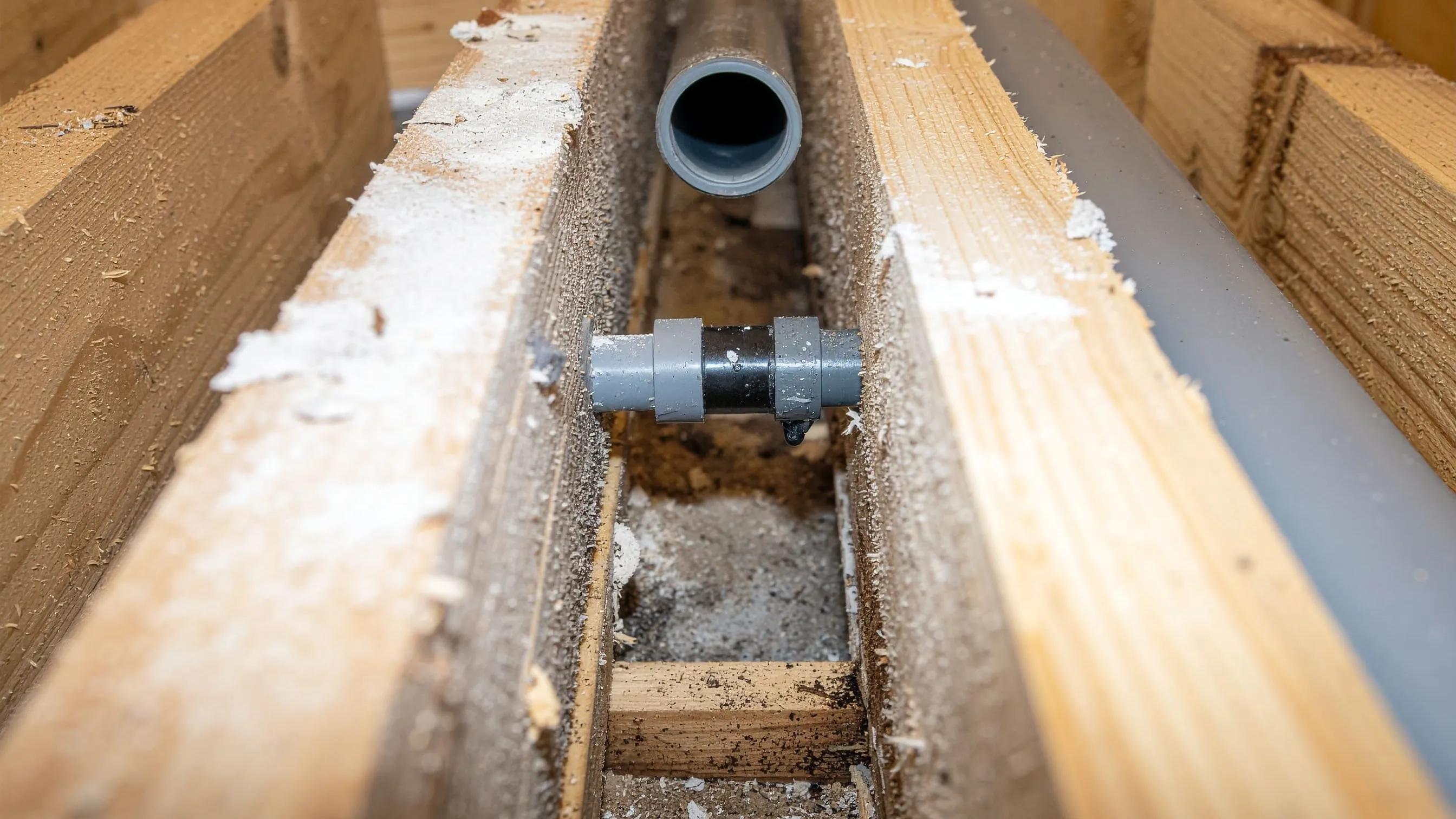
The process of retrofitting walk-in baths into an existing domestic bathroom is rarely a straightforward swap. You are introducing a highly specialised piece of equipment with unique hydraulic and structural demands into a space designed for standard fixtures. A standard bathtub relies on a slow, gravity-fed drain. However, a walk-in bath requires rapid water evacuation to prevent the user from sitting in cold water while the tub empties.
When retrofitting walk-in baths, failing to account for these massive drainage and hot water requirements will result in a completely unusable fixture. By carefully calculating the system demands before you begin tearing up the floorboards, you ensure the final installation is safe, efficient, and genuinely accessible. Thoroughly assessing the existing infrastructure prevents highly expensive rework later on.
Understanding Floor Joists and Trap Clearances
One of the immediate physical hurdles during a retrofit is dealing with the existing floor structure. Standard bathroom floor joists rarely offer enough depth to accommodate the complex plumbing required under these specialist tubs. You must carefully calculate the low-level trap clearance to ensure the wastewater flows freely towards the main soil stack.
If you don't have adequate low-level trap clearance, the water will physically pool in the bottom of the bath. The team at Heating and Plumbing World supplies a vast range of specialist shallow traps and low-profile waste fittings specifically designed for these exact tight installations. You cannot simply hack away at the floor joists to make room.
Building Regulations Part A strictly governs exactly how much structural timber you can notch or drill safely without causing a collapse. If the existing floor depth is completely unsuitable, you'll need to construct a sturdy raised plinth to house the necessary pipework safely.
Managing High-Volume Drainage Requirements
When a vulnerable user finishes their bath, they must wait for the water to drain entirely below the door threshold before they can exit safely. If the bath takes ten minutes to drain, the user will quickly become freezing cold and highly uncomfortable. To combat this severe heat loss, most premium models now actively feature a twin waste outlet configuration.
A twin waste outlet physically doubles the drainage capacity, clearing the water twice as fast as a standard single plug hole. You must ensure the waste pipe running under the floor can actually handle this sudden, massive influx of water. Upgrading the entire run to 50mm pipework is often highly recommended to prevent the water from aggressively backing up into the shower tray.
On a recent bungalow renovation, the contractor fitted a massive walk-in tub but foolishly left the original 1970s lead waste pipe in place. The very first time the client emptied the bath, the restricted pipe simply couldn't handle the flow, and the resulting back pressure blew the trap clean off the basin pedestal. Taking the time to upgrade the entire waste run using modern plumbing pipe solutions completely prevents this kind of catastrophic failure.
Overcoming Gravity with Pumped Drainage
Sometimes, achieving a sufficient natural gravity fall to the main soil pipe is physically impossible in an older property. In these difficult scenarios, integrating a robust high-capacity pump drainage system is the only viable technical solution. This equipment actively pulls the water from the tub and forcefully pumps it into the main waste network, completely overcoming the physical limitations of poor gravity falls.
Think of high-capacity pump drainage exactly like a supercharger bolted onto a car engine. Just as the supercharger physically forces massive amounts of air into the engine to dramatically increase its power, the mechanical pump forces water through the pipework to dramatically increase the drainage speed.
If you are specifying a mechanical waste system, installing a reliable booster shower pump on the incoming feeds often guarantees the tub fills just as quickly as it empties. You must always ensure any mechanical pumps installed in wet bathroom zones comply strictly with Part P electrical safety regulations.
Meeting the Increased Hot Water Demand
A standard domestic bathtub holds roughly 150 litres of warm water. A deep, walk-in bath designed for a seated user can easily demand well over 300 litres. This massive difference in physical volume instantly exposes any hidden weaknesses in the property's primary hot water delivery system.
If you try to fill a 300-litre tub using an older, undersized gravity tank, the water will run freezing cold halfway up the user's shins. You must carefully evaluate the primary heat source to see whether it genuinely has the thermal capacity for this massive new fixture.
Upgrading the primary heat source to a modern unvented cylinder system is often the most reliable way to guarantee the required volume and pressure. Ensuring full unvented cylinder compatibility gives the user a powerful, rapidly filling bath that stays hot throughout the entire wash. To guarantee unvented cylinder compatibility, always calculate the specific flow rates before removing the old tank.
Pipework Routing and Anti-Scald Protection
Routing new, high-flow 22mm feeds to the bath through tight, existing floor spaces requires highly robust, flexible materials. Carefully navigating safely around structural obstacles without compromising the final water pressure is a massive priority.
You must secure all new concealed connections properly before burying them under the floorboards. Using a secure push fit on copper pipe connection guarantees a completely leak-free joint in tight locations where using an open blowtorch flame is far too dangerous.
Because these baths are primarily used by individuals with potentially limited mobility and much thinner skin, absolute anti-scald protection is a strict legal requirement.
To ensure complete safety and compliance, you must verify these steps:
- Fit a certified TMV3 thermostatic blending valve as close to the bath taps as physically possible.
- Calibrate the valve so the delivery temperature never exceeds a maximum of 44 degrees Celsius.
- Test the fail-safe mechanism by simulating a complete cold water supply failure.
Final Commissioning and Safety Testing
Installing the hardware is only the first part of the job; rigorous commissioning is where you prove the system's safety. Once the water is live, you must physically test the bath under a full weight load to ensure the floor joists do not deflect.
During the initial system flush, construction debris like solder flakes or sealing tape often travels down the pipes. Sourcing premium heating plumbing supplies ensures the delivery network remains robust, but you must still clear the lines thoroughly.
If you don't flush the system properly before fitting the final thermostatic cartridge, the debris will instantly clog the fine mesh strainers. Testing the drainage speed with a digital stopwatch guarantees the final installation perfectly meets the user's physical accessibility needs.
Conclusion
Successfully retrofitting walk-in baths demands a highly holistic approach to the entire plumbing network. You aren't just fitting a new tub; you are radically altering the property's drainage and hot water dynamics. Always calculate the necessary low-level trap clearance and thoroughly verify unvented cylinder compatibility before you commit to the installation.
Integrating a twin waste outlet or a high-capacity pump drainage system guarantees the user won't be left shivering while the water slowly trickles away. If you need assistance matching the correct pumps or cylinders to your specific complex retrofit project, please contact our support team today for expert technical advice.