

Saving on Plumbing Bills with Preventive Maintenance
Plumbing emergencies arrive at the worst possible moments - burst pipes during winter holidays, blocked drains before dinner parties, or failing boilers on the coldest nights. These urgent situations force homeowners to pay premium rates for emergency callouts, often costing hundreds of pounds more than planned maintenance would have. Understanding how to reduce plumbing bills through strategic preventive plumbing maintenance transforms household budgets while protecting property from costly water damage.
The financial impact of reactive plumbing repairs extends beyond immediate callout charges. Water damage from leaking pipes ruins floors, walls, and possessions. Failed heating systems during winter create uncomfortable living conditions and risk frozen pipes. Neglected drainage systems back up into homes, requiring extensive cleaning and repairs. Each scenario represents avoidable expenses that strategic maintenance prevents.
Understanding the True Cost of Reactive Plumbing Repairs
Emergency plumbing repairs typically cost 50-100% more than scheduled maintenance visits. Weekend and evening callouts attract premium rates, whilst urgent part replacements eliminate opportunities to source competitive pricing. Water damage repairs escalate costs dramatically - a small leak ignored for weeks can necessitate floor replacement, wall repairs, and mould remediation costing thousands of pounds.
Insurance premiums increase following water damage claims, creating long-term financial consequences. Some insurers refuse coverage for damage resulting from poor maintenance, leaving homeowners liable for the entire repair costs. The cumulative expense of reactive repairs over a property's lifetime significantly exceeds preventive plumbing maintenance investments.
Preventive maintenance identifies developing issues before they become emergencies. Annual system inspections detect deteriorating washers, corroding pipes, and failing components, whilst replacement remains straightforward and affordable. This proactive approach eliminates surprise expenses and allows budget planning for necessary repairs.
Key Areas Requiring Regular Plumbing Maintenance
Boiler and Heating System Inspections
Central heating systems benefit from annual professional servicing. Engineers check pump operation, inspect heat exchangers, test safety controls, and verify efficient combustion. Regular servicing prevents mid-winter breakdowns whilst maintaining fuel efficiency - poorly maintained systems consume 20-30% more energy. Heating and Plumbing World stocks comprehensive replacement components for all major boiler manufacturers, ensuring repairs happen quickly when needed.
Heating systems incorporate numerous components requiring periodic attention. Expansion vessels maintain correct system pressure and prevent damage from thermal expansion. These vessels should be checked annually for correct pre-charge pressure and signs of water ingress. Failed expansion vessels cause repeated pressure loss, forcing constant system refilling and potential boiler lockouts.
Water Supply Systems and Leak Detection
Hidden leaks waste significant water volumes whilst causing structural damage. Regular inspections of visible pipework, connections under sinks, and areas around appliances catch problems early. Modern leak detection techniques identify concealed issues behind walls or under floors before damage becomes extensive.
Stop taps and isolation valves require periodic operation to prevent seizure. Testing these controls annually ensures they'll function during emergencies. Pressure relief valves protect systems from dangerous over-pressure conditions and should be checked for correct operation and discharge.
Cold water storage systems need inspection for contamination, debris accumulation, and proper insulation. Kingspan Ferham tanks provide robust, hygienic water storage when maintained correctly. Tank ball valves require adjustment periodically to prevent overflow whilst maintaining adequate supply.
Drainage System Maintenance
Blocked drains represent common plumbing emergencies that are entirely preventable through regular maintenance. Kitchen sink traps accumulate grease and food debris, requiring periodic cleaning. Bathroom drains collect hair, soap residue, and other materials that restrict flow. Simple preventive cleaning every few months prevents complete blockages requiring professional intervention.
External drainage systems benefit from annual inspection and clearing. Gullies collect leaves and debris, particularly during autumn. Inspection chambers should be checked for proper flow and signs of blockage or damage. Tree root intrusion into drainage systems causes expensive repairs - early detection through preventive inspections reduces costs substantially.
Implementing an Effective Preventive Plumbing Maintenance Schedule
Creating a structured maintenance schedule transforms good intentions into consistent action. Different components require varying attention frequencies, from weekly checks to annual professional services.
Monthly Maintenance Tasks
Simple monthly checks catch developing issues whilst requiring minimal time investment. Inspect visible pipes for signs of corrosion, moisture, or damage. Check under sinks and around appliances for drips or dampness. Verify toilet cisterns refill properly without continuous running. Test taps for proper operation and absence of leaks around handles.
Run infrequently used taps and showers briefly to prevent trap seals drying out - dried traps allow drain odours into living spaces. Check washing machine and dishwasher hoses for bulging, cracking, or other deterioration. These hoses fail suddenly, causing significant water damage within minutes.
Seasonal Maintenance Requirements
Winter preparation protects plumbing systems from freeze damage. External taps should be isolated and drained before temperatures drop. Pipes in unheated spaces require adequate insulation. Heating systems should be serviced before winter's demands test their reliability.
Spring provides ideal timing for thorough system inspections after winter's stress. Check for any frost damage, verify heating system performance, and address any issues discovered during winter. Summer offers opportunities for major maintenance projects without weather pressures or heating system dependence.
Professional Inspections: When to Call the Experts
Whilst homeowners can perform many maintenance tasks, professional expertise remains essential for certain aspects. Gas appliances must be serviced by Gas Safe-registered engineers - attempting DIY repairs creates serious safety risks. Complex issues like suspected pipe leaks within walls require professional detection equipment and expertise.
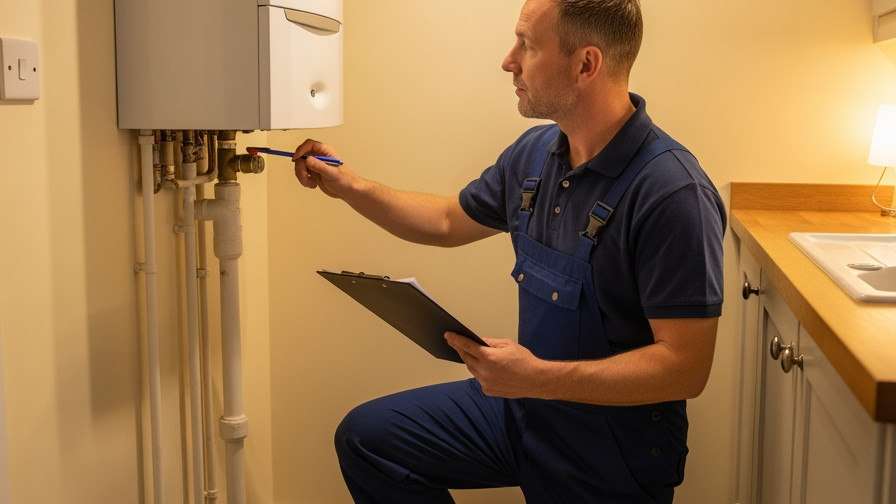
Annual boiler servicing by qualified engineers identifies issues invisible to homeowners. Engineers possess specialized tools for testing combustion efficiency, checking safety controls, and measuring system performance. These annual inspections often reveal minor issues easily addressed before they escalate into expensive failures.
Establishing relationships with reliable plumbing professionals before emergencies occur ensures prompt service when urgent issues arise. Regular customers often receive priority scheduling and better rates than unknown callers seeking emergency help.
The Financial Benefits of Preventive Plumbing Maintenance
Calculating preventive plumbing maintenance return on investment demonstrates clear financial advantages. Annual boiler servicing costs approximately £80-120, whilst emergency winter breakdown repairs often exceed £300-500. Regular drain maintenance costing £50 yearly prevents emergency blockage clearance bills of £150-300. The mathematics overwhelmingly favour prevention.
An extended equipment lifespan represents another significant benefit. Well-maintained boilers last 15-20 years compared to 10-12 years for neglected systems. Properly maintained plumbing components operate reliably for decades rather than requiring premature replacement. These extended service lives substantially reduce lifetime equipment costs.
Energy efficiency improvements from regular maintenance reduce monthly utility bills. Heating systems operating at peak efficiency consume less fuel whilst delivering better comfort. Fixing dripping taps and running toilets eliminates constant water waste. These ongoing savings compound over the years, substantially offsetting maintenance costs.
Creating Your Plumbing Maintenance Action Plan
Begin with a comprehensive assessment of your current plumbing system. Document all components, their ages, and their current condition. Identify items requiring immediate attention versus those suitable for scheduled maintenance. This baseline understanding guides priority setting and budget allocation.
Develop a written maintenance schedule specifying tasks, frequencies, and responsible parties. Include space for recording completion dates and observations. This documentation creates accountability while building a service history valuable for troubleshooting future issues or property sales.
Budget realistically for both routine maintenance and eventual component replacement. Setting aside monthly amounts for expected repairs prevents financial stress when issues arise. This approach allows quality repairs using proper parts rather than emergency shortcuts.
Common Preventive Maintenance Mistakes to Avoid
Delaying known issues represents false economy - small problems invariably worsen when ignored. A dripping tap wastes water and damages the tap body through constant erosion. Addressing issues promptly while they remain minor prevents expensive escalation.
Using incorrect or substandard parts compromises repairs and risks further damage. Quality replacement components ensure proper function and adequate service life. Cheap alternatives often fail quickly, requiring repeated repairs at greater total cost.
Attempting complex repairs beyond your skill level risks making problems worse. Knowing when to call professionals prevents expensive mistakes. Water and gas systems demand particular respect - errors create safety hazards beyond financial considerations.
Long-Term Property Protection Through Preventive Care
Preventive plumbing maintenance protects property values alongside immediate cost savings. Homes with documented maintenance histories sell faster and command better prices. Potential buyers appreciate evidence of proper care and reduced likelihood of hidden problems.
Insurance companies increasingly recognize preventive maintenance value. Some insurers offer premium discounts for properties with regular professional inspections. Documented maintenance strengthens claims when incidents occur, demonstrating responsible property management.
The peace of mind from knowing systems receive proper attention extends beyond finances. Eliminating surprise failures reduces stress whilst ensuring home comfort and safety. This psychological benefit, though difficult to quantify, represents real value in daily life.
Taking Action: Your Next Steps
Reducing plumbing costs through preventive strategies begins with a commitment to regular maintenance. Start by scheduling any overdue professional services - annual boiler inspections or system checks. Create your maintenance schedule and gather necessary supplies for routine tasks.
If you need expert guidance on maintaining your plumbing systems or require quality replacement components, contact us at Heating and Plumbing World. Our team helps homeowners across the UK reduce plumbing bills through proper maintenance planning and access to genuine parts at competitive prices. Investing in preventive plumbing maintenance today protects your property and budget for years to come.