

Scaling Prevention: Why Soft Water Saves Energy in Hot Water Systems
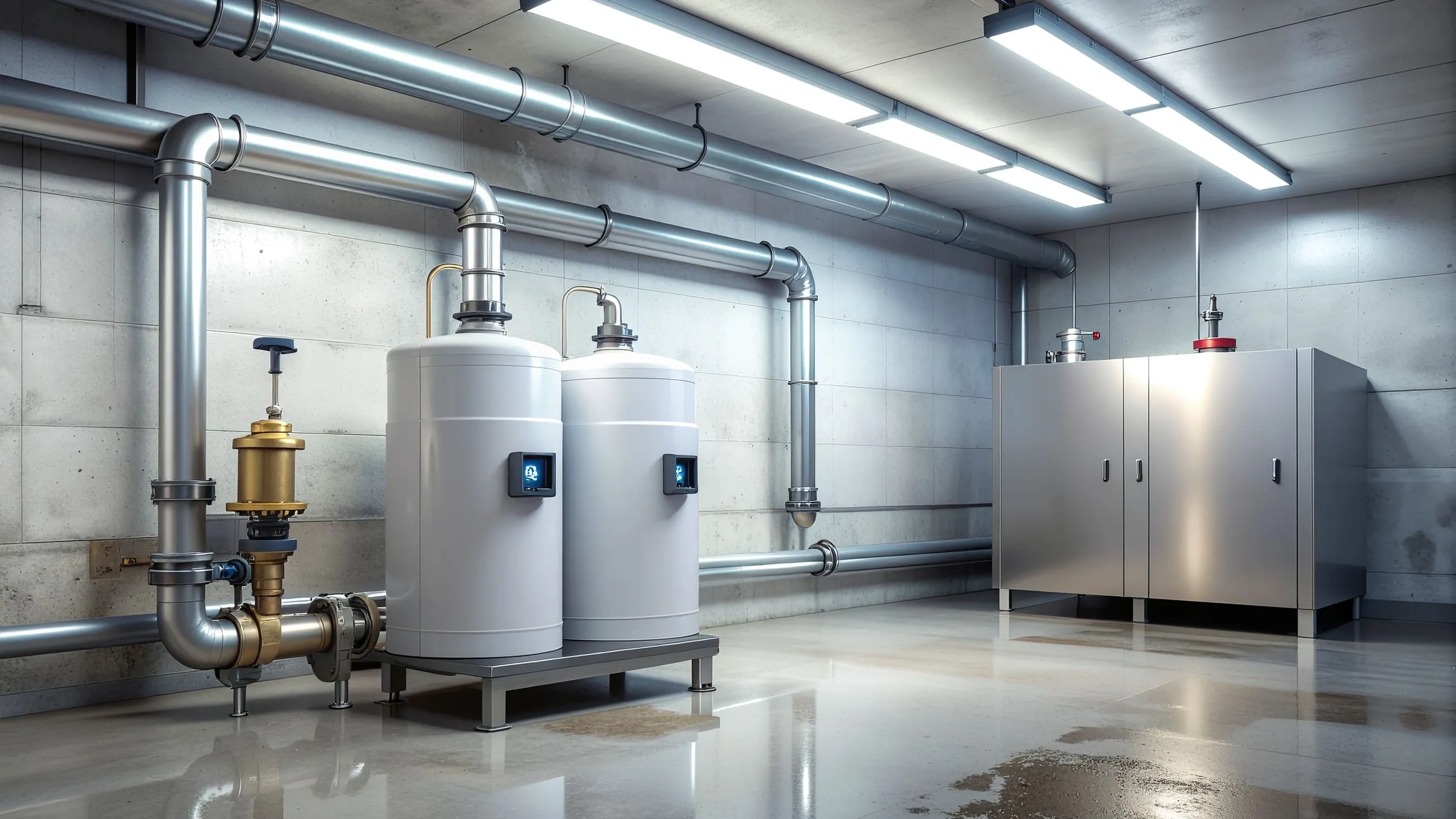
Hard water is an absolute silent killer for modern plumbing infrastructure. If you operate a property in a hard water area, dissolved minerals are constantly attacking your expensive heating equipment. Implementing strict limescale prevention completely transforms how a building manages its thermal energy. By removing these destructive minerals at the mains inlet, you actively protect the entire downstream network from premature failure.
Modern high-efficiency boilers and cylinders rely on pristine internal surfaces to transfer heat properly. When you allow scale to build up, you actively destroy that efficiency and force your client to pay massive utility bills. Installing a dedicated water softening unit is a mandatory step for any professional property refit in a chalky region. It is a highly logical, mechanical upgrade that fundamentally guarantees long-term system resilience.
The Chemistry of Hard Water Accumulation
When municipal water flows through natural limestone or chalk deposits, it picks up heavy concentrations of calcium and magnesium. These hard water minerals remain dissolved in the cold mains supply without causing much immediate trouble. However, the exact moment you apply high heat to this water, a rapid chemical reaction occurs. The heat forces the dissolved calcium carbonate to precipitate out of the fluid and stick directly to the nearest hot metal surface.
This continuous thermal precipitation creates a rock-solid layer of scale inside your most expensive plumbing components. Heating and Plumbing World provides the commercial-grade softening equipment required to physically intercept this process. You must tackle the chemistry of the water before it ever enters the primary boiler plant. If you ignore the incoming water quality, you are setting the entire installation up for a catastrophic failure.
How Scale Ruins Thermal Transfer
Think of limescale on a heating element exactly like wearing a thick winter coat inside a sauna. The coat traps the heat perfectly, completely stopping it from transferring to your body. Inside a boiler, that thick layer of rock stops the burner's thermal energy from reaching the water. The boiler fires aggressively, but the water barely warms up because the scale blocks the heat transfer.
This insulating effect causes a massive drop in your overall heat exchanger efficiency. Just one single millimetre of scale buildup on a heat exchanger can reduce heating efficiency by over seven percent. The boiler is forced to burn significantly more gas and run for much longer cycles just to hit the target thermostat temperature. Effective limescale prevention is the only way to stop this extreme mechanical waste.
The Mechanics of Ion Exchange
You cannot simply filter dissolved calcium out of water with a standard physical mesh screen. You must use a chemical process known as ion exchange to alter the actual makeup of the fluid. A high-quality water softener contains a cylinder packed with millions of tiny, negatively charged resin beads. This internal ion exchange resin actively pulls the positively charged calcium and magnesium ions out of the passing water.
As the hard water minerals lock onto the resin, the system releases harmless sodium ions into the water supply. This newly softened water cannot form scale, regardless of how high you turn up the boiler thermostat. Eventually, the ion exchange resin becomes fully saturated with calcium and needs to be cleaned. The softener automatically triggers a regeneration cycle, flushing the resin bed with a salty brine solution to recharge it for the next day.
Real-World Soft Water Energy Savings
Eradicating scale at the source directly translates into massive financial returns for the property owner. You generate incredible soft water energy savings simply by allowing the boiler to operate at its factory-rated efficiency. The gas burner runs for shorter, highly productive bursts rather than struggling endlessly against an insulated heat exchanger.
On a recent hotel refit down in Kent, the original contractors ignored the extreme local water hardness. Within eighteen months, a massive layer of scale completely choked the primary heat exchangers. We had to physically cut the pipework apart and replace the entire cascade system, turning a basic maintenance check into a forty-thousand-pound disaster. This proves that active mechanical prevention is always drastically cheaper than reactive emergency repairs.
You must protect the wider network to truly optimise your client's utility costs. Sourcing reliable central heating components ensures the system operates efficiently, but they will still fail if pumped full of liquid chalk. Consistent soft water energy savings are only possible when the entire plumbing ecosystem remains pristine.
Protecting Expensive Boiler Plant
Modern condensing boilers feature incredibly narrow waterways designed to maximize surface area and extract latent heat. These highly engineered aluminium and stainless steel blocks are incredibly vulnerable to blockages. If you don't implement aggressive limescale prevention, these narrow channels will choke up and restrict the primary flow. This instantly causes the boiler to overheat and trigger a rapid safety lockout.
When you feed clean, softened water into a high-end combi boiler, you eliminate this choking risk entirely. The internal plate heat exchanger remains perfectly clear, allowing the unit to deliver endless hot water at maximum pressure. It prevents the internal sensors from giving false readings and stops the secondary circulation pumps from grinding against heavy abrasive grit.
Maintaining pristine heat exchanger efficiency is also a strict requirement for keeping commercial manufacturer warranties valid. If an engineer opens a failed boiler and finds it packed solid with white scale, the manufacturer will void the warranty instantly. You actively protect your client's financial investment by managing the fluid chemistry correctly from day one.
Safeguarding Domestic Hot Water Storage
Cylinders are essentially giant storage vessels that act as the perfect environment for scale to accumulate. Over a few years, heavy precipitation can create a solid block of limestone at the base of the tank. This physical displacement actively reduces the usable capacity of your hot water storage cylinder. You end up paying to heat a tank that is twenty percent full of useless solid rock.
If the property relies on internal immersion elements, hard water minerals will destroy them incredibly quickly. The element overheats beneath the chalky crust, splits open, and trips the main electrical breaker board. Supplying clean water to your primary hot water tank ensures these electrical elements last for decades instead of just months.
Unvented systems are particularly sensitive to pressure and temperature fluctuations. Protecting an expensive unvented hot water cylinder with softened water stops the safety relief valves from crusting over and seizing shut. It also completely eliminates the aggressive, knocking "kettling" sound caused by water boiling underneath the scale layer.
Installation and Commissioning Best Practices
Installing a softening unit requires strict adherence to UK Water Supply Regulations to guarantee absolute safety. You must always install a hard water bypass valve to feed the kitchen drinking tap. While softened water is perfectly safe for bathing and heating networks, the elevated sodium levels mean it shouldn't be used for infant formula or strict low-sodium diets.
You must also plumb the automated regeneration drain line securely into the property's main wastewater system. You can't just run this salty discharge pipe outside onto the garden, as the brine will actively kill the surrounding soil and plants. Sourcing high-quality heating plumbing supplies ensures your bypass valves and drain connections remain watertight and highly reliable.
Always test the incoming mains water hardness using a titration drop kit before you commission the new unit. You must input this exact hardness metric into the digital control head so it knows exactly how often to trigger a regeneration cycle. Dialling in this calibration prevents the system from wasting expensive block salt through unnecessary flushing.
Conclusion
Tackling hard water at the mains inlet is a fundamental requirement for any serious professional property upgrade. It guarantees absolute long-term resilience for your most expensive plant room equipment. By removing the destructive minerals early, you lock in permanent system efficiency and drastically lower your daily carbon footprint.
Never ignore the local water conditions when specifying new high-efficiency heating hardware. A poorly protected network will cost your clients thousands of pounds in wasted gas and premature component failures. Please reach out to our experts to ensure you select the perfect, fully compliant water treatment hardware for your next major installation.