

Seasonal Bleeding of Radiators: Timing and Frequency
Air trapped in radiators costs UK households an average of £160 annually in wasted energy, yet most homeowners only bleed their radiators when they've already noticed cold spots. The heating system has been working inefficiently for weeks, sometimes months, before anyone takes action.
Bleeding radiators removes trapped air that prevents hot water from circulating properly. When air accumulates, radiators heat unevenly, boilers work harder, and energy bills climb. Strategic seasonal radiator bleeding at specific intervals throughout the year prevents these efficiency losses and keeps heating systems performing at their best.
Why Air Accumulates in Heating Systems
Heating systems naturally develop air pockets through several mechanisms. When water heats up, dissolved gases separate and rise to the highest points in the system, typically radiator tops. Each time the system cycles on and off, this process repeats.
Corrosion inside radiators and pipes generates hydrogen gas as a byproduct. Older systems with steel radiators produce more gas than modern aluminium ones, but all systems generate some level of gas over time.
Fresh water introduced during repairs or pressure top-ups contains dissolved oxygen. This oxygen eventually separates as the water heats, creating new air pockets. Think of it like opening a fizzy drink; the dissolved gas stays hidden under pressure, but once conditions change, bubbles form and rise. Systems that require frequent pressure adjustments accumulate air faster than sealed systems that maintain stable pressure.
Optimal Radiator Bleeding Timing by Season
Autumn Bleeding (September-October)
Autumn represents the most critical bleeding period. Before the heating season begins, bleed all radiators to remove air that accumulated during the summer shutdown. Systems left idle for months develop air pockets as water cools and gases redistribute.
Bleeding radiators at least two weeks before regular heating use allows you to identify any issues, leaking valves, persistent air problems, or pressure irregularities, before cold weather arrives and heating engineers face peak demand. Get ahead of problems now.
Mid-Winter Checks (January)
Mid-winter checks catch air accumulation that develops during heavy use. If radiators ran continuously through December, bleed them in early January. Systems working hard in cold weather cycle frequently, accelerating air separation from the water.
On a particularly brutal January job a few years back, a facilities manager called about eight radiators in an office building that had gone cold. Every single one was airbound after six weeks of continuous running through the Christmas period. Bleeding them restored full heat within an hour, but those radiators had been wasting energy for weeks before anyone noticed the problem.
Spring Maintenance (March-April)
Spring maintenance prepares the system for its summer rest. Bleed radiators one final time before switching off heating for the season. This removes any remaining air and helps prevent corrosion during the idle months.
Summer Considerations
Summer months generally don't require bleeding unless you're running heating during cold spells. Systems left completely off accumulate less air than those cycling intermittently.
How Often Each Radiator Type Needs Bleeding
Standard panel radiators in a well-maintained system need bleeding once or twice annually, in autumn before heating starts, and optionally mid-winter if problems appear. These radiators sit on brackets that keep them level, allowing air to collect predictably at the bleed valve.
Column radiators and cast-iron models require more attention. Their complex internal geometry creates multiple air trap points. Bleed these radiators twice yearly, at a minimum, checking them in autumn and again in January. Many Heating and Plumbing World customers with period properties face this exact scenario: beautiful cast iron radiators that need regular attention.
Towel rails, especially chrome ladder-style models, trap air more readily due to their vertical pipe configuration. Check these monthly during the heating season. The complex pipe routing creates numerous high points where air collects.
Radiators positioned on upper floors need bleeding more frequently than ground floor units. Air naturally rises through the system, concentrating in upstairs radiators. If you only have time to bleed some radiators, prioritise the highest ones in your property.
Signs You Need to Bleed Between Scheduled Checks
Cold spots at the top of radiators while the bottom stays hot indicate trapped air. Run your hand across the radiator surface from bottom to top. A temperature drop of more than a few degrees signals air accumulation.
Gurgling or trickling sounds from radiators or pipes mean water is flowing around air pockets. These noises intensify when the heating first switches on as expanding water pushes against trapped air.
Longer warm-up times suggest air is blocking circulation. If radiators that previously heated within 5-10 minutes now take 15-20 minutes, air has likely accumulated since the last bleeding. Don't ignore this.
Uneven heating between rooms, especially if upstairs rooms stay colder than downstairs, points to air blocking flow to upper radiators. The system prioritises lower radiators where water flows more easily around air pockets.
Boiler pressure dropping faster than normal indicates either a leak or excessive air in the system. Check the pressure gauge weekly. A drop of more than 0.2 bar per month warrants investigation, starting with bleeding radiators.
The Correct Bleeding Procedure
Turn the heating on full for 15-20 minutes before bleeding. Hot water expands, pushing air toward bleed valves where it's easier to release. Bleeding cold radiators removes less air and may need repeating.
Switch off the heating and wait 30-60 minutes before bleeding. This prevents scalding from hot water spray and allows the pump to stop, letting air rise naturally to the highest points. Patience here prevents burns.
Start with the ground floor radiator furthest from the boiler. Work systematically through each floor, moving toward the boiler. This sequence prevents air from lower radiators rising into radiators you've already bled.
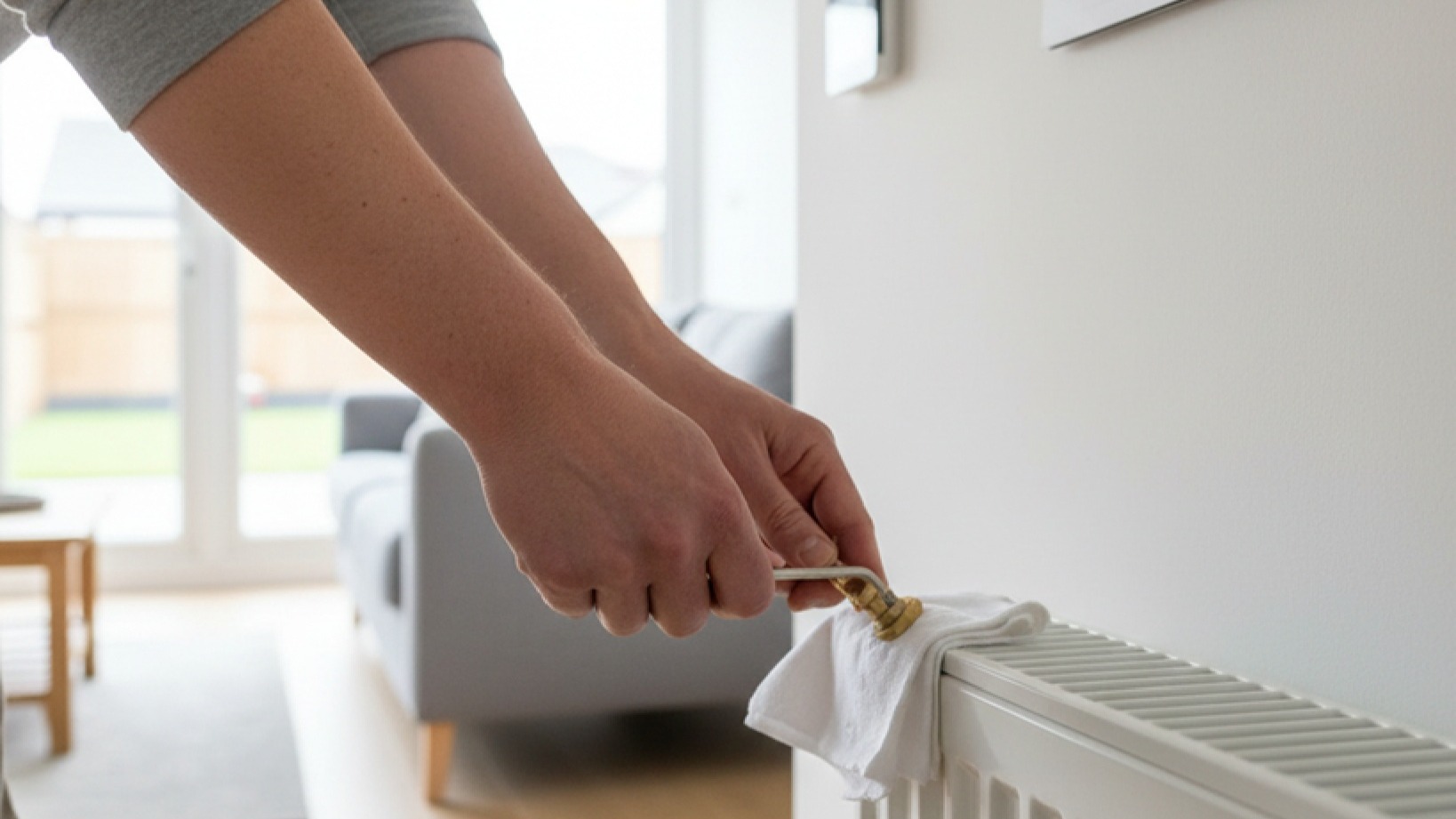
Place a cloth under the bleed valve and hold a container to catch water. Turn the valve anti-clockwise a quarter to half turn, never remove it completely. You'll hear hissing as air escapes.
Keep the valve open until water flows steadily without air bubbles, then close it immediately. Over-bleeding wastes water and drops system pressure unnecessarily. A few seconds of steady water flow confirm the radiator is clear.
Check boiler pressure after bleeding multiple radiators. Most systems should read between 1.0 and 1.5 bar when cold. If pressure drops below 1.0 bar, top up the system using the filling loop according to your boiler manufacturer's instructions.
Frequency Factors Specific to Your System
System Age
System age dramatically affects bleeding frequency. Systems over 15 years old with original radiators and pipes need bleeding 2-3 times annually. Internal corrosion accelerates air production, and older components may have microscopic leaks that allow air ingress.
Boiler Type
Combi boilers maintain more stable pressure than conventional systems with header tanks, typically requiring less frequent bleeding. However, combis that lose pressure rapidly may have air accumulation or small leaks that need addressing. Quality brands like Grundfos manufacture pumps that help maintain system pressure more effectively.
Property Size
Properties with many radiators (10+) benefit from quarterly checks of the most problematic units, usually the highest radiators and towel rails, while bleeding the full system twice yearly.
Water Hardness
Hard water areas see more corrosion and scale buildup inside radiators, generating more hydrogen gas. If you live in Southeast England, East Anglia, or other hard water regions, you experience an increase in bleeding frequency by 50% compared to soft water areas.
When Frequent Bleeding Indicates Bigger Problems
Needing to bleed the same radiator monthly signals an underlying issue. The system may be drawing air in through:
- A failing pump seal
- Microscopic leaks in pipework or radiator valves
- The automatic air vents were incorrectly installed.
- Damaged expansion vessel
Radiators that refill with air within days of bleeding need professional inspection. This isn't normal air accumulation; it indicates either severe corrosion producing excessive hydrogen or air entering from outside the system.
Discoloured water (black, brown, or orange) when bleeding indicates internal corrosion. The system may need power flushing to remove sludge and corrosion debris, followed by treatment with a corrosion inhibitor.
Maintaining Bleeding Valve Condition
Bleed valves seize when left unused for years. Exercise valves annually, even if radiators don't need bleeding. Open each valve slightly, then close it immediately. This prevents corrosion from locking the valve mechanism.
Apply penetrating oil to seized valves 24 hours before attempting to open them. Never force a stuck valve; the square spindle will shear off, requiring valve replacement.
Replace weeping valves immediately. A valve that drips after closing has a damaged seal. Continuing to use a faulty valve wastes water, drops system pressure, and can cause damage to flooring or walls.
Modern automatic bleed valves reduce maintenance frequency by releasing air continuously. These devices work well on problem radiators that trap air frequently, though they occasionally stick open and cause pressure loss. Honeywell offers reliable automatic valve solutions that work well in commercial applications.
Creating Your Bleeding Schedule
Document your seasonal radiator bleeding schedule based on your system's characteristics:
Standard systems (5-15 years old, soft water):
- September: Full system bleed
- January: Check upstairs radiators and towel rails
Older systems (15+ years, any water hardness):
- September: Full system bleed
- January: Full system bleed
- April: Full system bleed
Large properties (10+ radiators):
- September: Full system bleed
- November: Check problem radiators
- January: Full system bleed
- March: Full system bleed
- Monthly: Check the highest radiators and towel rails
Set calendar reminders for each bleeding session. A radiator key costs £1-3 and should live in an accessible location; many people attach one to their boiler or keep one in the meter cupboard.
The Economics of Regular Bleeding
The Energy Saving Trust estimates that air-locked radiators reduce heating system efficiency by 10-30%. For a typical UK household spending £1,600 annually on heating, this represents £160-480 in wasted energy.
Bleeding all radiators takes 30-45 minutes, including pressure checks. Twice yearly, this represents 60-90 minutes of maintenance that saves hundreds of pounds and extends system lifespan. That's an exceptional return on investment.
Radiators work harder to compensate for air pockets, stress boiler components. The pump works against higher resistance, shortening its lifespan. The boiler fires more frequently to maintain temperature, increasing wear on the heat exchanger. Components from quality manufacturers like Danfoss handle these stresses better, but prevention through regular bleeding remains the best approach.
Regular bleeding as part of comprehensive heating system maintenance prevents these cascading problems. The small time investment delivers measurable returns in efficiency, comfort, and component longevity.
For additional technical support or guidance on maintaining your heating system, contact us for expert assistance.
Maintaining Peak Efficiency Year-Round
Bleeding radiators seasonally, primarily in autumn before heating season begins, with a mid-winter check and spring maintenance, keeps heating systems running efficiently. Most systems need full bleeding twice yearly, with problem radiators checked more frequently.
The specific schedule depends on system age, water hardness, radiator count, and property layout. Older systems in hard water areas with many radiators need quarterly attention, while newer systems in soft water areas may only require annual bleeding.
Watch for warning signs between scheduled bleeds: cold spots, gurgling sounds, slow warm-up times, and pressure drops. These indicators mean the air has accumulated faster than expected, and immediate bleeding will restore efficiency.
Regular radiator bleeding timing aligned with seasonal changes prevents the compounding costs of inefficiency, higher energy bills, increased boiler wear, and reduced comfort. A radiator key and 30 minutes twice yearly protect your heating investment and keep your home warm when you need it most.