

Seasonal TRV Adjustments for Optimal Efficiency
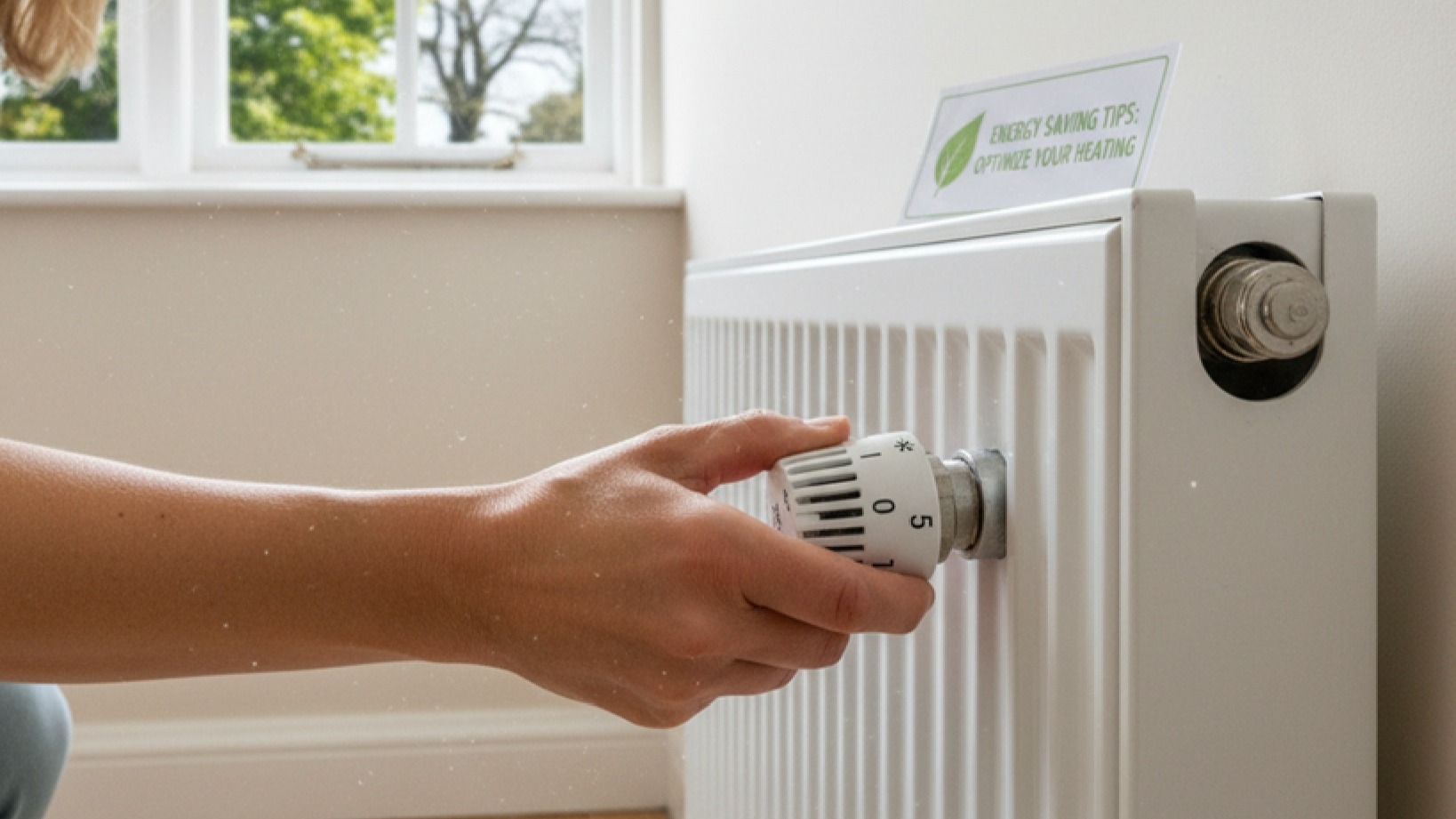
Thermostatic radiator valves waste energy and money when left on the same setting year-round. A TRV set to maximum during winter will overheat rooms in spring, while summer settings leave you shivering come October. We see this pattern repeatedly: heating systems running harder than necessary because nobody adjusted the valves between seasons.
The fix takes 10 minutes per room, four times per year. Adjust your TRVs with the seasons, and you'll cut heating bills by 15-30% while maintaining better comfort levels throughout your home.
How TRVs Respond to Temperature Changes
TRVs contain a wax or liquid-filled element that expands when warm and contracts when cold. This element pushes a pin that controls water flow through the radiator. Set to position 3 (roughly 20°C), the valve opens when the room temperature drops below this point and closes when it reaches the target.
Here's where seasonal TRV adjustments matter: a TRV set to 3 in January might maintain 20°C when outdoor temperatures hover around 2°C. That same setting in April, with outdoor temperatures at 12°C, can push room temperatures to 22-23°C because your boiler is still heating water to winter temperatures and the valve stays open longer.
Your boiler doesn't automatically adjust water temperature based on outside conditions unless you have weather compensation controls from manufacturers like Honeywell. Even then, individual rooms heat differently based on sun exposure, insulation quality, and usage patterns. South-facing rooms gain 2-4°C from solar heat in spring and autumn. North-facing rooms stay cooler year-round.
Spring Adjustments: March Through May
Reduce TRV settings by one full number as outdoor temperatures climb above 8°C consistently. A winter setting of 4 drops to 3. A setting of 3 drops to 2.
Start with rooms that get direct sunlight. We've measured temperature swings of 5°C in south-facing living rooms between morning and afternoon during March. Drop these TRVs first, typically to position two or even one by late April.
Bedrooms need less heat as nights warm up. Most people sleep comfortably at 16-18°C, which means dropping bedroom TRVs to position 1-2 by early April. Bathrooms are the exception - maintain position 2-3 for morning comfort, since you're typically in there during the coldest part of the day.
Monitor room temperatures for three days after adjusting. If you're reaching for extra layers, increase by half a position. Modern TRVs with numbered positions allow quarter-turn adjustments between settings.
Summer Settings: June Through August
Close TRVs completely in unused rooms. Turn them to the frost protection setting (usually marked with a snowflake symbol or asterisk) or position 0. This prevents water circulation through radiators you don't need.
Keep one radiator per floor in position 1. This maintains minimal circulation through your heating system and prevents valve mechanisms from seizing. We replace more stuck valves in September than in any other month, almost always in systems where every TRV was closed completely over the summer.
Check TRVs monthly during summer. Turn each valve from fully closed to position two and back again. This five-second exercise per radiator prevents the internal pin from sticking and extends valve life by 3-5 years. A replacement TRV costs £15-40 plus fitting time; this maintenance takes 15 minutes for an entire house.
Autumn Adjustments: September Through November
Begin increasing TRV settings when outdoor temperatures drop below 12°C at night. This typically happens in mid-September across most of the UK, though Scotland and northern England may need adjustments from early September.
Raise settings gradually - one position every week rather than jumping straight to winter settings. Start with north-facing rooms and those used during early morning or evening. Living rooms where you spend evenings need adjustment before bedrooms if you're not using heating overnight yet.
October is the critical month. Outdoor temperatures fluctuate between 8°C and 16°C, and heating needs change daily. Set TRVs one position lower than you think necessary, then adjust upward if needed. It's easier to add heat than remove it, and you'll waste less energy than overshooting.
By November, most rooms should be back to winter settings. Position 3 for living areas (approximately 20°C), position 2-3 for kitchens (which gain heat from cooking), position 2 for bedrooms (16-18°C), and position 3-4 for bathrooms (20-22°C).
Winter Settings: December Through February
Maintain consistent settings throughout the coldest months, but adjust for room usage patterns rather than calendar dates. Guest bedrooms don't need position 3 when nobody's using them. Drop these to position 1-2, then increase 24 hours before guests arrive.
Rooms above heated spaces stay warmer than ground-floor rooms. First-floor bedrooms often run 2-3°C warmer than the rooms below them. If your upstairs bedroom is too warm at position two while your living room is comfortable at position 3, that's normal. Heat rises, and you're benefiting from the warmth generated below.
Check for cold spots near windows and external walls. If one corner of a room stays cold while the rest is warm, you have an insulation problem, not a TRV problem. Increasing the valve setting just overheats the warm areas while barely affecting the cold spot. Address the insulation issue instead.
Room-Specific Adjustment Strategies
Living Rooms and Open-Plan Spaces: These areas need the most frequent adjustment because they're affected by multiple factors - occupancy, electronics generating heat, cooking heat spreading from kitchens, and typically large windows. Start at position 3 in winter, drop to 2 in spring and autumn, and close completely in summer unless you use the room daily.
Bedrooms: Keep these cooler than living spaces. Position 2 (16-18°C) works for most people year-round when heating is on. Drop to position one or frost protection from May through September. Children's rooms may need position 2-3 depending on age and preference, but avoid overheating - temperatures above 20°C disrupt sleep quality.
Bathrooms: Maintain higher temperatures (position 3-4) during heating season because you're typically undressed and wet. Drop to position 1-2 during the summer. Never close bathroom TRVs completely if the room has external walls - you need some heat to prevent mould growth in this high-humidity space.
Kitchens: Set these one position lower than living rooms. Cooking generates 1-2kW of heat, equivalent to a medium-sized radiator. Position 2 handles most conditions from October through April. Position 1 is closed for the summer.
Hallways and Landings: These transitional spaces don't need full heating. Position 1-2 prevents cold spots when moving between rooms and stops the spaces from feeling unwelcoming. These areas also benefit from heat spreading from adjacent rooms.
Tracking Adjustments and Results
Record your TRV settings at the start of each season. A simple spreadsheet or notes app entry with room names and positions takes two minutes and saves guesswork next year. After one year of seasonal adjustments, you'll have a baseline that works for your specific property.
Compare heating bills year-on-year, but account for weather variations. A mild winter will show lower bills regardless of TRV settings. Better comparison: track thermostat runtime hours if your system displays this data, or note how many hours per day your boiler fires up. Effective TRV adjustment should reduce daily runtime by 2-4 hours during shoulder seasons (spring and autumn).
Room temperature monitoring provides concrete data. Basic digital thermometers cost £5-10. Place one in your main living area and check it at the same time daily for a week after adjusting TRVs. You're aiming for consistent temperatures that match your comfort needs, not specific numbers. If you're comfortable at 19°C instead of 21°C, you've just cut heating costs by roughly 10% without sacrificing comfort.
Common Adjustment Mistakes
Setting all TRVs to the same position wastes energy. Different rooms need different temperatures based on usage, insulation, solar gain, and heat from adjacent spaces. A bathroom at position 3 and a bedroom at position 2 is normal, not a problem to fix.
Adjusting TRVs daily defeats their purpose. These valves automatically regulate temperature once set correctly. Constant manual adjustment prevents the thermostatic element from working properly and wears out the mechanism faster. Set them appropriately for the season and leave them alone unless conditions change significantly.
Turning TRVs to maximum for faster heating doesn't work. Position 5 doesn't heat a room faster than position 3 - it just sets a higher target temperature. The radiator outputs the same heat regardless of the TRV setting; the valve only controls when it stops heating. Setting a TRV to 5 to warm up quickly just means you'll overheat the room and waste energy.
Closing TRVs in unused rooms while leaving doors open wastes the adjustment. Heat flows freely through open doors, making the closed TRV work harder to prevent heating while warm air pours in from adjacent rooms. If you're closing TRVs to save energy, close the room doors too.
Integration with Other Heating Controls
TRVs work alongside your central thermostat, not instead of it. The thermostat sets overall system operation; TRVs fine-tune individual rooms. Set your thermostat to the temperature you want in your main living area, then use TRVs to make other rooms warmer or cooler relative to that baseline.
Programmers and timers from brands like EPH Controls or Danfoss control when your heating runs. Seasonal TRV adjustments work within this schedule. Spring adjustment means you're still heating morning and evening, just to lower temperatures. Summer means the system rarely fires up, but TRVs are ready for occasional cool days.
Smart TRVs automate seasonal adjustments through scheduling features, but they still need your input on preferred temperatures. Set different schedules for heating and shoulder seasons rather than leaving them on one year-round programme. The automation helps, but understanding when and why to adjust still matters.
The Role of Circulation and System Balance
Proper circulation depends on more than TRVs alone. Your heating system needs adequate water flow, maintained by circulator pumps from manufacturers like Grundfos. When you adjust TRVs seasonally, you're changing flow resistance throughout the system. Closing multiple TRVs in summer increases pressure elsewhere, which is why keeping at least one radiator per floor open matters.
System pressure also fluctuates with temperature changes. As water heats and cools through the seasons, expansion vessels absorb these variations. Quality components from suppliers like Altecnic ensure your system maintains stable pressure regardless of how many TRVs you've adjusted. If you notice pressure dropping frequently after seasonal adjustments, you might have a leak or an undersized expansion vessel.
Radiator valves themselves need occasional replacement. Older TRVs from the 1990s lack the precision of modern units and won't respond accurately to seasonal adjustments. Upgrading to current TRV technology improves temperature control and reduces the margin for error when you're fine-tuning settings between seasons.
Boiler Efficiency and Seasonal Operation
Your boiler works harder or easier based on how many radiators demand heat. Winter settings with all TRVs open create maximum system demand. Spring adjustments reduce this demand, allowing your boiler to cycle less frequently and operate more efficiently within its optimal range.
Modern condensing boilers from brands like Andrews achieve peak efficiency when return water temperatures stay below 54°C. Seasonal TRV adjustments help maintain these lower return temperatures by preventing unnecessary heat circulation. Close TRVs in unused rooms, and your boiler isn't working to heat water that immediately returns without transferring useful heat.
Boiler cycling - the frequency of on-off operations - damages components over time. Proper seasonal TRV management reduces cycling during mild weather. Your boiler runs for longer, more efficient periods rather than short, wasteful bursts. This extends component life, particularly on heat exchangers and burner assemblies.
Water Pressure and System Protection
Seasonal temperature swings affect system pressure through thermal expansion. Water expands roughly 4% when heated from 10°C to 80°C. During winter operation with all radiators active, your system contains the maximum heated water volume. Spring adjustments close radiators, reducing the volume of heated water and subsequently dropping system pressure slightly.
Monitor your pressure gauge during seasonal transitions. A drop of 0.1-0.3 bar is normal when switching from winter to spring settings. Larger drops indicate leaks or expansion vessel problems that need addressing. Similarly, pressure shouldn't climb excessively in winter when you open all TRVs again - if it does, your expansion vessel may be undersized or failed.
Quality expansion vessels and system protection components prevent pressure problems regardless of seasonal adjustments. A properly sized vessel accommodates the volume changes from opening and closing multiple TRVs without triggering relief valve discharge or causing low-pressure lockouts.
Maintenance During Seasonal Changes
Use seasonal adjustment periods for quick maintenance checks. When you're touching every TRV four times per year anyway, spend an extra 30 seconds per valve checking for issues. Feel the radiator - is it evenly hot when the TRV is open? Cold spots indicate sludge buildup or airlocks.
Listen to each TRV as you adjust it. Smooth operation is silent. Grinding, clicking, or resistance means internal wear or scale buildup. These valves need replacement before they stick completely. We find that valves exercised seasonally last 15-20 years, while static valves often fail within 10 years.
Check radiator bleed valves during autumn adjustments. Air accumulates in systems over summer when heating runs minimally. Bleeding radiators before winter ensures efficient heat distribution when you've set TRVs to their higher winter positions. Trapped air reduces radiator output by up to 40%, completely undermining your careful seasonal settings.
Achieving Optimal Efficiency Year-Round
Seasonal TRV adjustments match your heating output to actual needs as weather changes throughout the year. Reduce settings by one position in spring, close or minimise them in summer, gradually increase through autumn, and maintain steady winter settings. Each adjustment takes minutes per room but compounds into substantial energy savings - typically 15-30% annually compared to static settings.
The work is simple: turn TRVs down as temperatures rise, up as they fall, and adjust individual rooms based on usage and sun exposure. Track your settings for one year to establish a pattern that works for your property, then repeat it annually. Your heating system will run more efficiently, rooms will maintain more consistent comfort levels, and you'll extend the working life of the valves themselves through regular seasonal operation.
Start your first seasonal adjustment cycle this week. Walk through your home, note current TRV positions, and adjust them to match current outdoor temperatures and room usage. Check results after three days, fine-tune as needed, and mark your calendar to review settings again when the season changes. Small, regular adjustments beat major overhauls, and your heating bills will reflect the difference.
For further advice on heating controls and system optimisation, Heating and Plumbing World offers a comprehensive range of products and technical support to help you achieve optimal efficiency throughout the year. If you need specialist guidance on any aspect of your heating system, get in touch with the team for expert recommendations.