

Signs Your Hot Water Cylinder Needs Replacement
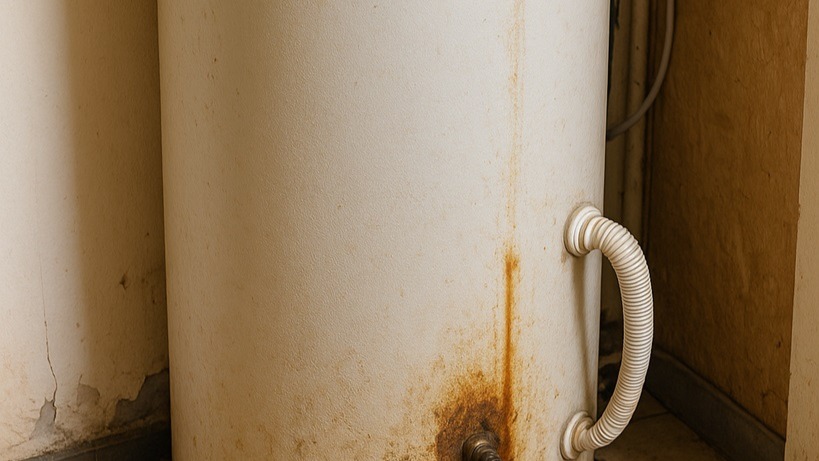
Your hot water cylinder is an unsung hero that keeps your home comfortable and running smoothly. It ensures that warm water is always ready for a cosy shower, a relaxing bath, or even those early morning tea moments. Over time, however, even the sturdiest cylinder can show signs of wear. In this comprehensive guide, we’ll walk you through the tell-tale signs that indicate it might be time to consider a cylinder replacement, how to maintain your unit for longevity, and what factors to consider when choosing a new hot water cylinder.
Understanding the Role of Your Hot Water Cylinder
Before diving into the warning signs, it helps to appreciate the role of your hot water cylinder. In both domestic and commercial settings, the hot water cylinder (or hot water tank) stores heated water, ensuring a steady supply whenever needed. Unlike instantaneous water heaters, these cylinders keep a reserve of hot water ready to go. Over the years, constant heating and cooling cycles, sediment build-up, and general wear can affect its efficiency and safety.
A well-maintained cylinder can last many years, but like any component in your plumbing system, it won’t last forever. Regular checks and early identification of issues can save you from unexpected cold showers or even costly water damage. A cylinder replacement might be the best solution when problems start piling up.
Key Signs Your Hot Water Cylinder Might Need Replacement
When it comes to knowing when to replace your hot water cylinder, there are several common signs to watch out for. Let’s explore these indicators in detail.
1. Age and Lifespan
One of the simplest clues is the age of your cylinder. Most hot water cylinders have an expected lifespan of 10 to 15 years. If your cylinder is approaching or has surpassed this age range, it might be time to start considering a cylinder replacement, even if it seems to be working fine now.
- Tip: Regular inspections become more important as your cylinder ages. Even if you overlook other issues, age alone indicates that a cylinder replacement might be a wise investment.
2. Reduced Hot Water Supply
Have you noticed that your showers aren’t as warm or that you’re running out of hot water quicker than before? A decline in performance is often one of the first signs of a failing hot water cylinder.
- Potential Cause: Sediment build-up in the cylinder can interfere with the heating process, reducing your system's efficiency and capacity.
- Personal Note: I once had a friend who kept complaining about lukewarm showers, only to find out that years of sediment buildup had decreased the cylinder’s efficiency. A simple flush provided temporary relief, but eventually, a cylinder replacement was the best solution.
3. Leaks and Drips
Water pooling around your hot water cylinder or damp patches on the surrounding walls are clear signs that something isn’t right. Leaks can be caused by a range of issues, from internal corrosion to a failing seal.
- Warning: Leaks are wasteful and can lead to water damage to your property. Addressing small leaks early on can prevent bigger problems later.
- What to Do: If you spot a leak, it’s important to assess whether it’s a minor issue that can be repaired or a sign that the entire cylinder is nearing the end of its useful life, often signalling the need for a replacement.
4. Discoloured or Rusty Water
If the hot water coming from your taps has a rusty or discoloured appearance, it might indicate internal corrosion within the cylinder. Rust can erode the tank’s internal lining, leading to leaks and a reduction in overall performance.
- Insight: Corrosion is one of the most common reasons for premature cylinder failure. Over time, the protective lining can wear away, exposing the metal to corrosive elements and making a cylinder replacement a prudent consideration.
5. Unusual Noises
While it’s normal for a hot water cylinder to produce a faint humming sound during operation, louder or banging noises are a cause for concern. These sounds can be a result of sediment build-up or internal damage.
- Observation: A noisy cylinder is like your system’s way of saying it’s struggling. It may be working harder than it should be, which can lead to further damage if not addressed promptly through timely cylinder replacement.
6. Inconsistent Water Temperature
Experiencing fluctuations in water temperature, where your hot water sometimes feels scalding and at other times lukewarm, can indicate that your cylinder’s thermostat or heating element is failing.
- Technical Note: Faulty thermostats can lead to inefficient heating cycles, causing the system to work overtime or underheat the water. In such cases, a cylinder replacement might be more cost-effective than continuous repairs.
7. Increased Energy Bills
A sudden spike in your energy bills without any obvious changes in usage can be another sign that your hot water cylinder isn’t working as efficiently as it once did. When a cylinder struggles due to internal issues, it requires more energy to heat the same amount of water.
- Energy Efficiency: Upgrading through a cylinder replacement to a new, more energy-efficient model can help reduce your monthly costs, providing savings in the long run.
8. Frequent Repairs
If you call a plumber regularly to fix your hot water cylinder, it might be time to consider a complete cylinder replacement. Frequent repairs strongly indicate that the system is no longer reliable and may cost you more in the long term.
- Economic Consideration: While repair costs can add up, a new cylinder installed through a cylinder replacement is an investment that can provide peace of mind and improved efficiency for years to come.
The Impact of Sediment Build-Up
One of the most common culprits behind many of the issues mentioned above is sediment build-up. Over time, minerals in the water can settle at the bottom of your hot water cylinder. This sediment layer acts as an insulator, reducing the efficiency of the heating element and potentially causing overheating.
- Maintenance Tip: Regularly flushing your hot water cylinder can help reduce sediment build-up. However, if the sediment has already caused significant damage or corrosion, flushing may not be enough, and a cylinder replacement might be necessary.
Maintenance and Regular Inspections
Preventative maintenance is key to extending the life of your hot water cylinder. Here are some routine checks and maintenance tips to keep your system in good shape:
Annual Inspections
- Visual Check: Look for any signs of rust, leaks, or discolouration around your cylinder.
- Listen: Pay attention to unusual noises during the operation.
- Professional Service: Consider having a qualified technician inspect your system annually, especially if your cylinder is more than 10 years old.
Flushing the Cylinder
Regularly flushing the cylinder helps to remove sediment and prevent build-up. Depending on your water hardness, this might need to be done annually or more frequently.
Testing the Thermostat
Ensure that the thermostat is functioning correctly. A malfunctioning thermostat can lead to inconsistent water temperatures and inefficiencies in your heating system.
When Replacement is the Best Option
While regular maintenance can prolong the life of your hot water cylinder, there comes a point when a cylinder replacement is the most practical and cost-effective solution. Here are some scenarios where opting for a new unit is the best course of action:
Advanced Age Combined with Performance Issues
A cylinder replacement is likely the smartest option if your cylinder is nearing or has exceeded its expected lifespan and you’re experiencing multiple issues, such as reduced water capacity, leaks, and increased energy bills.
Persistent Leaks and Corrosion
Minor repairs can sometimes mask the deeper issue of corrosion. If your cylinder leaks or shows signs of rust, a new unit through a cylinder replacement can prevent further damage to your home and avoid the costs associated with water damage repairs.
Upgrading for Efficiency
Modern hot water cylinders are far more energy-efficient than older models. Upgrading via a cylinder replacement can not only resolve your problems but also reduce your carbon footprint and lower your utility bills.
Safety Concerns
A deteriorating hot water cylinder can pose safety risks, especially if corrosion has compromised its structural integrity. In such cases, a cylinder replacement isn’t just about efficiency, it’s about ensuring the safety of your household or business.
Choosing the Right Replacement Cylinder
When it’s time for a cylinder replacement, choosing the right hot water cylinder involves considering several factors:
Types of Hot Water Cylinders
- Vented Cylinders: These traditional systems use a cold water storage tank (typically in the loft) and rely on gravity to feed water into the cylinder. They’re often simpler to maintain but may offer lower water pressure.
- Unvented Cylinders: Directly connected to the mains, these cylinders provide higher water pressure and a more consistent water supply, making them a popular choice for modern homes.
Capacity and Size
Consider the hot water demand of your household or business. A larger cylinder may be necessary for properties with multiple bathrooms or higher hot water usage, whereas smaller properties might benefit from a more compact unit.
Energy Efficiency Ratings
Newer models come with improved insulation and energy-saving features. Look for cylinders with high energy efficiency ratings to ensure you’re getting a unit that will help lower your energy bills in the long run.
Installation and Space Requirements
Assess the available space for your new cylinder. Unvented systems, for instance, do away with the need for a separate cold water tank, which can free up valuable space in your property.
Professional Advice
When in doubt, consult with a professional installer. They can assess your current system, your water usage needs, and your property layout to recommend the best option for your cylinder replacement.
Real-Life Experiences and Anecdotes
Despite noticing early warning signs, I’ve spoken to many homeowners and business managers who initially hesitated to replace their hot water cylinders. One memorable case involved a small family home where the cylinder was over 15 years old. The family began experiencing frequent leaks and noticed their hot water was never as hot as it once was. After a professional assessment, it became clear that the unit was beyond repair and a cylinder replacement was the best way forward. They opted for an upgrade to an unvented cylinder, and the improvement was almost immediate: consistent water temperature, better pressure, and a noticeable drop in their energy bills.
Another example comes from a local café owner who relied on a vented cylinder to meet their hot water needs. Over time, the system’s performance dwindled, and the frequent need for repairs started affecting daily operations. Upgrading to a modern, energy-efficient model via a cylinder replacement not only resolved the issues but also allowed the café to operate more smoothly during busy periods.
Additional Considerations for a Smooth Transition
Planning for Installation
Once you decide that replacement is necessary, the next key step is planning the installation. Ensure you:
- Schedule a Professional Installation: A qualified technician will ensure that the new unit is installed safely and in accordance with local building regulations.
- Prepare for Downtime: While the installation is relatively quick, plan for a day when you can manage with alternative water sources if needed.
- Budget Accordingly: Consider both the cost of the unit and the installation fees. Although a cylinder replacement is an investment, the long-term benefits in efficiency and reliability are well worth it.
Exploring Replacement Options Online
For a range of high-quality hot water cylinders and accessories, check out the Heating and Plumbing World homepage. Whether you’re looking for a traditional vented system or a modern unvented model, you’ll find options to suit your specific needs and budget.
Complementary Products
While upgrading your hot water system, exploring additional products to boost efficiency and safety might be worth exploring. For example, consider looking at Kingspan Ferham Tanks if you’re interested in complementary water storage solutions that can enhance your overall system performance.
Preventative Measures to Extend Your New Cylinder’s Lifespan
Replacing your hot water cylinder is a great step towards ensuring reliable hot water for years to come. Once installed, regular maintenance will help you get the most out of your new system. Here are a few tips:
- Regular Flushing: Keep sediment at bay by flushing the cylinder at least once a year.
- Annual Inspections: Have a professional check your unit annually to ensure all components, including thermostats and pressure valves, are functioning correctly.
- Monitor Energy Usage: Keep an eye on your energy bills as an early indicator of potential issues, any unexpected increases might suggest that your unit isn’t operating as efficiently as it should be.
- Prompt Repairs: Address minor issues quickly before they develop into major problems.
Expert Recommendations and Internal Links
At Heating and Plumbing World, we’re passionate about providing quality products and advice to keep your home comfortable and energy efficient. Here are some recommendations to explore further:
- Worcester Bosch Boiler Spares: Ensure your boiler is always performing at its best by checking out our range of Worcester Bosch Boiler Spares.
- Oil Boiler Spares: For those with oil heating systems, our selection of Thermecon Oil Boiler Spares offers reliability and quality.
- Photo Cells for Oil Heating: Discover efficient solutions with our photo cells designed for oil heating systems.
- Worcester Bosch Condensate Pump: Enhance performance with our Worcester Bosch Condensate Pump.
- Baxi Boiler Spares: Complement your system with our offerings for Baxi Boiler Spares.
- Oil Boilers by Firebird: Consider our Firebird Oil Boilers for an upgrade.
- Fire Valves and More: Check out our range of fire valves to ensure safety.
- Brassware and Fittings: Our selection of pressure relief valves provides peace of mind.
- Crystal Fireplaces: For alternative heating options, explore our Crystal fireplace spares.
- Burners for Oil Heating: Upgrade components with our burners.
- Water Tanks: Consider our Kingspan Ferham Tanks for efficient water storage.
- Greenstar Junior Spares: For Worcester Bosch systems, our Greenstar Junior spares are highly recommended.
- Expansion Vessels: Enhance reliability with our range of expansion vessels.
- Cannon and Crystal Brands: Browse our selections from leading brands like Cannon and Crystal for quality assurance.
- Radiant Fire Spares: Finally, for those with radiant heating systems, check out our radiant fire spares.
Wrapping Up
Recognising the signs that your hot water cylinder needs replacement can be the difference between uninterrupted comfort and a series of inconvenient, costly repairs. From reduced hot water supply and visible leaks to discoloured water and unusual noises, each symptom is a clue that your system may be nearing the end of its lifespan. By understanding these warning signs and acting early, you can ensure a seamless transition from a cylinder replacement to a more efficient, reliable hot water solution.
Taking the time to evaluate your hot water cylinder not only protects your property from potential water damage but also enhances your day-to-day comfort. Whether you repair minor issues or decide on a full cylinder replacement, staying informed and proactive is key.
Modern hot water cylinders offer improved energy efficiency, enhanced safety features, and better performance overall for those considering an upgrade. With options ranging from traditional vented systems to advanced unvented models, there’s a solution to fit every need and space requirement.
Remember, a well-functioning hot water system is an investment in your comfort and the smooth running of your household or business. For further advice, quality products, and professional services, do visit our Heating and Plumbing World homepage. Happy maintenance, and here’s to many more warm, comfortable days ahead!