

Smart Plumbing Fixtures That Learn Your Usage Patterns
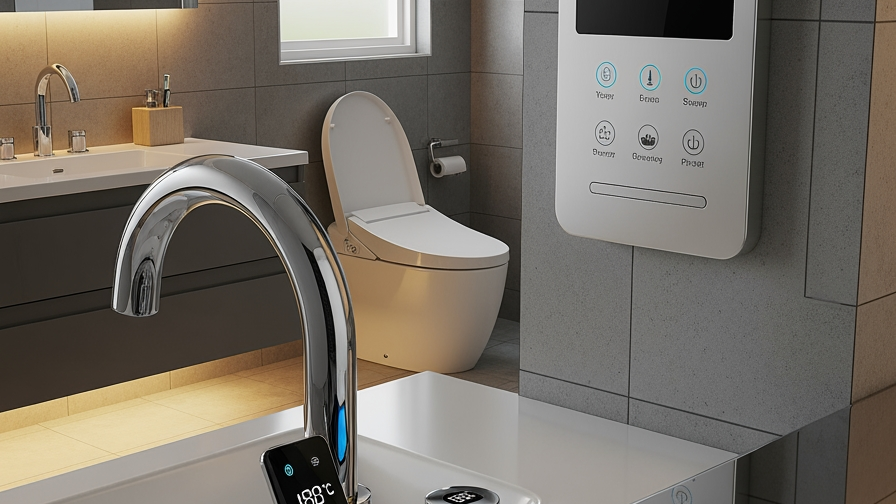
Modern homes are experiencing a technological revolution, and plumbing systems are no exception. Smart plumbing fixtures represent the latest advancement in water management, combining artificial intelligence with everyday household appliances to create systems that adapt to individual usage patterns. These intelligent devices monitor consumption, learn household routines, and automatically adjust to maximise water efficiency whilst maintaining comfort and convenience.
The integration of machine learning technology into plumbing fixtures marks a significant shift from traditional water management approaches. Rather than relying on manual adjustments and guesswork, homeowners can now benefit from systems that continuously analyse and optimise water usage based on real-world behaviour patterns.
What Are Smart Plumbing Fixtures?
Smart plumbing fixtures are water-delivery systems equipped with sensors, connectivity features, and adaptive algorithms that enable them to learn and respond to user behaviour. Unlike conventional fixtures that operate the same way regardless of usage patterns, these intelligent systems collect data about water consumption, temperature preferences, and timing patterns to create personalised experiences whilst reducing waste.
The core technology behind these systems combines Internet of Things (IoT) connectivity with machine learning algorithms. Sensors monitor flow rates, temperature, pressure, and usage frequency, whilst software processes this information to identify patterns and make predictive adjustments. This data-driven approach allows fixtures to anticipate needs and optimise performance without requiring constant manual intervention.
Key Components of Smart Systems
Modern smart water-saving fixtures incorporate several essential technological elements. Flow sensors measure water usage in real-time, providing precise data about consumption patterns. Temperature sensors track preferred settings and can detect anomalies that might indicate system issues. Connectivity modules enable communication between fixtures and control systems, whether through Wi-Fi, Bluetooth, or dedicated home automation protocols.
Machine learning algorithms form the intelligence behind these systems, analysing collected data to identify recurring patterns and make informed decisions about operation. These algorithms continuously refine their understanding of household routines, improving accuracy and efficiency over time.
Types of Smart Plumbing Fixtures Available
Smart Taps and Faucets
Intelligent taps represent one of the most accessible entry points into smart plumbing technology. These fixtures use touchless sensors to activate water flow, eliminating the need for physical contact whilst preventing taps from being accidentally left running. Advanced models remember individual user preferences for temperature and flow rate, automatically adjusting when they detect familiar usage patterns.
Pattern learning capabilities allow these taps to recognise different household members based on time of day, duration of use, or specific activation patterns. Some systems can even detect when users are washing hands versus filling containers, adjusting flow rates accordingly to prevent unnecessary water waste.
Intelligent Shower Systems
Smart shower systems offer sophisticated control over water temperature, pressure, and consumption. These fixtures learn preferred settings for different times of day or different family members, eliminating the need for manual adjustment while water reaches the desired temperature. This capability significantly reduces water waste during warm-up periods.
Advanced shower systems monitor usage patterns to provide insights into household water consumption and can set customised limits to encourage conservation. Leak detection features alert homeowners to potential issues before they become costly problems, whilst integration with expansion vessels ensures proper system pressure management.
Smart Toilets and WCs
Modern smart toilets incorporate sensors that optimise flush volumes based on usage patterns and waste detection. Rather than using the same amount of water for every flush, these systems adjust to use only what's necessary, resulting in substantial water savings over time. Some models can detect leaks in the fill valve or flush mechanism, providing early warnings that prevent water waste and potential damage.
Connected Water Heaters
Smart water heaters learn household heating schedules and adjust operation to ensure hot water availability when needed, whilst minimising energy consumption during off-peak times. Pattern learning algorithms analyse usage data to predict demand, preheating water just before typical usage periods rather than maintaining constant high temperatures.
How Pattern Learning Technology Works
Data Collection and Analysis
Smart plumbing fixtures continuously gather information about water usage through integrated sensors. This data includes flow rates, temperatures, duration of use, and timing patterns. Over days and weeks, the system builds a comprehensive picture of household routines, identifying consistent patterns such as morning shower times, evening dishwashing, or weekend laundry schedules.
Machine learning algorithms process this information to distinguish between regular patterns and anomalies. This capability allows systems to adapt to changing routines whilst alerting users to unusual consumption that might indicate leaks or other issues requiring attention from Heating and Plumbing World professionals.
Adaptive Responses
Once patterns are established, smart water-saving fixtures make autonomous adjustments to optimise performance. A smart shower might begin warming water five minutes before the usual morning routine, ensuring immediate hot water availability whilst reducing warm-up waste. Smart taps can adjust flow rates based on detected activities, providing stronger flows for filling containers and gentler streams for handwashing.
These adaptive responses extend to maintenance as well. Systems monitoring for irregular pressure fluctuations can detect issues with components like pressure relief valves before they escalate into failures, prompting timely intervention.
Water Conservation Benefits
Reducing Household Water Waste
The environmental impact of smart plumbing fixtures extends beyond individual homes to contribute meaningfully to broader water conservation efforts. Studies indicate that households using intelligent water management systems can reduce consumption by 20-30% compared to traditional fixtures, primarily by eliminating waste from fixtures left running, optimising flow rates, and detecting leaks promptly.
Pattern learning capabilities prove particularly effective at preventing common sources of water waste. Smart systems can detect when taps are left running unintentionally, automatically shutting off after predetermined periods. They identify unusual consumption patterns that might indicate hidden leaks in water tanks or pipe connections, enabling rapid response before significant waste occurs.
Cost Savings Through Efficiency
Water efficiency translates directly into financial benefits for households. Reduced water consumption lowers utility bills, whilst optimised heating schedules for hot water systems decrease energy costs. The combination of water and energy savings typically results in payback periods of two to four years for smart fixture installations, after which ongoing savings represent pure financial benefit.
Beyond immediate consumption savings, smart systems help avoid costly repairs by providing early warning of developing issues. Leak detection capabilities can prevent water damage that might otherwise require extensive remediation, whilst monitoring system pressure helps protect components from premature failure.
Integration with Home Systems
Smart Home Connectivity
Modern smart plumbing fixtures integrate seamlessly with broader home automation platforms, enabling centralised control and monitoring. Homeowners can review water consumption data through mobile applications, receive alerts about unusual patterns, and adjust settings remotely. Voice control compatibility allows for hands-free operation, enhancing convenience whilst maintaining water efficiency.
Integration with smart home technology extends to coordinated operation with other systems. A smart water heater might communicate with the home's occupancy sensors to adjust heating schedules when residents are away, whilst smart irrigation systems can coordinate with weather forecasting data to optimise outdoor water usage.
Compatibility Considerations
Successful integration requires attention to compatibility between smart fixtures and existing plumbing infrastructure. Most modern systems work with standard pipe sizes and connections, but older homes might require adapter fittings or upgrades to components like boiler spares to ensure proper operation.
Network connectivity requirements also deserve consideration. Reliable Wi-Fi coverage throughout the home ensures consistent communication between fixtures and control systems, preventing gaps in data collection or responsive operation.
Maintenance and Longevity
Care Requirements for Smart Fixtures
Smart plumbing fixtures require both physical maintenance and digital upkeep. Regular cleaning prevents sensor obstruction that might affect performance, whilst periodic software updates ensure systems benefit from improvements and security patches. Most manufacturers provide automatic update capabilities, but homeowners should verify systems remain current.
Battery-powered components need periodic replacement, typically every one to three years, depending on usage intensity. Mains-powered systems eliminate battery concerns but may require professional installation to ensure proper electrical safety compliance.
Troubleshooting Common Issues
Common challenges with smart fixtures include connectivity problems, sensor calibration drift, and software glitches. Many issues are resolved through simple steps like power cycling devices or reconnecting to Wi-Fi networks. However, persistent problems or those affecting water flow or safety require professional attention.
Understanding when to seek expert assistance helps prevent minor issues from escalating. Unusual noises, pressure fluctuations, or error messages indicating component failures warrant immediate professional evaluation to protect both the fixture and the broader plumbing system.
Choosing the Right Smart Fixtures
Assessing Your Needs
Selecting appropriate smart plumbing fixtures begins with evaluating household requirements. Family size, existing water consumption patterns, and specific pain points guide decisions about which fixtures offer the greatest benefit. Homes with high hot water usage might prioritise smart water heaters, whilst those focused on conservation might emphasise intelligent taps and showers.
Budget considerations extend beyond initial purchase costs to include installation expenses and ongoing operational costs such as connectivity fees or battery replacements. However, anticipated water and energy savings should factor into value assessments, as efficiency gains often justify higher upfront investments.
Professional Installation vs DIY
Whilst some smart fixtures accommodate DIY installation, professional installation ensures proper integration with existing systems and optimal performance. Complex installations involving electrical connections, integration with heating systems, or modifications to existing plumbing infrastructure typically require qualified professionals.
Professional installation provides additional benefits, including system configuration, network setup, and initial calibration of pattern learning algorithms. Experts can also assess overall plumbing health during installation, identifying potential issues that might affect smart fixture performance or suggesting complementary upgrades that enhance system efficiency.
Conclusion
Smart plumbing fixtures that learn usage patterns represent a significant advancement in home water management, combining convenience with conservation in ways previously impossible. Through continuous monitoring and adaptive responses, these intelligent systems reduce water consumption, lower utility costs, and provide valuable insights into household usage whilst maintaining or enhancing comfort and functionality.
As pattern learning technology continues evolving, smart fixtures will become increasingly sophisticated, offering ever-greater efficiency and integration with broader home automation systems. For homeowners considering upgrades to their plumbing systems, smart fixtures provide compelling benefits that extend far beyond simple convenience.
Whether upgrading a single fixture or implementing comprehensive smart water management throughout your home, professional guidance ensures optimal results. Contact us to discuss how smart plumbing fixtures can transform your home's water efficiency whilst maintaining the comfort and reliability you expect from modern plumbing systems.