

Smart Toilets for Accessibility: Hands-Free Operation and Hygiene
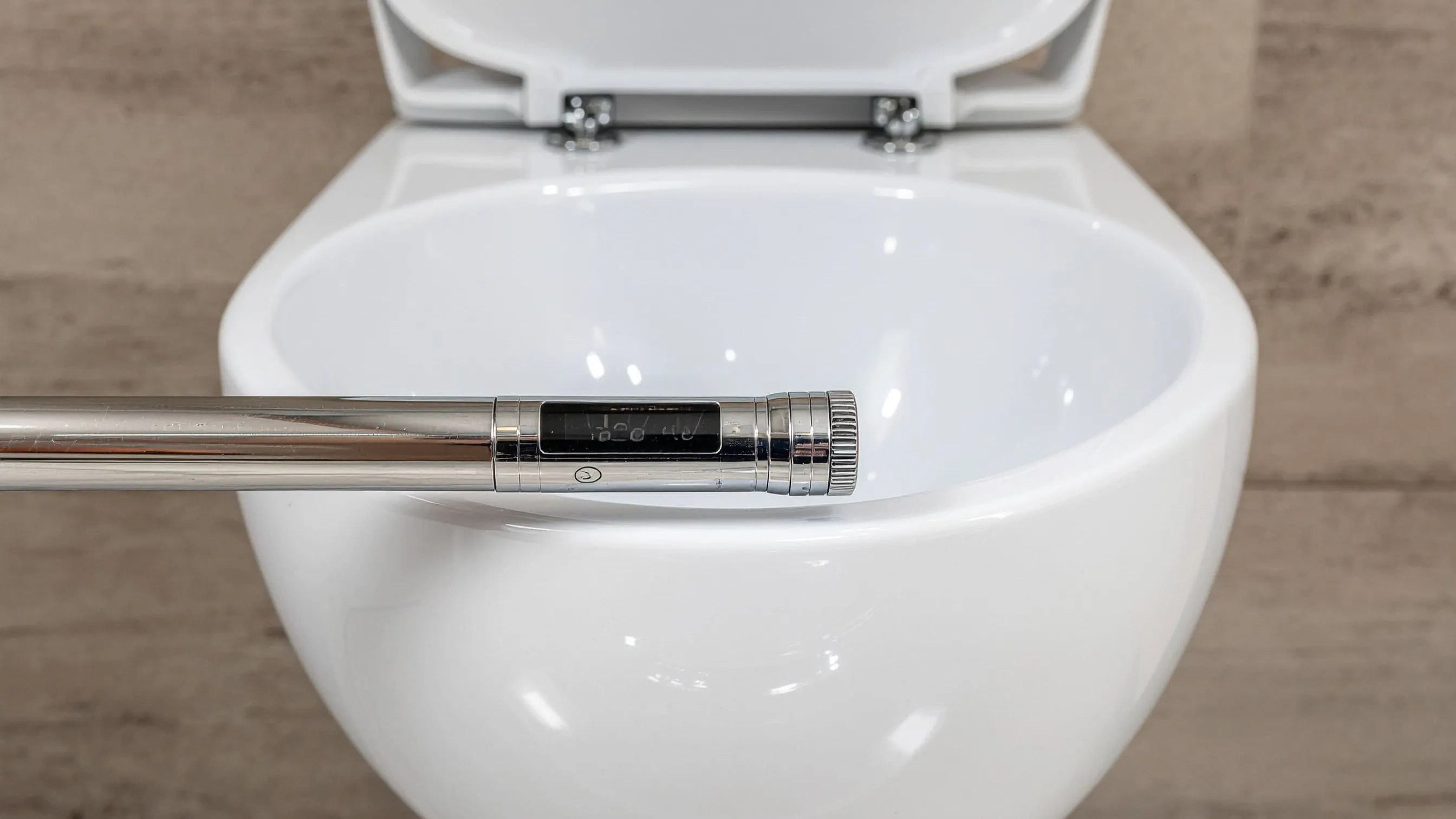
Upgrading washrooms represents a massive leap forward in accessible building design. Traditional accessible bathrooms rely heavily on standard grab rails and immense physical exertion. This outdated approach still leaves many users highly dependent on caregivers for basic personal hygiene. By automating the washing and drying processes, these advanced fixtures restore total physical independence to users with severely limited mobility. Smart toilets represent the absolute pinnacle of modern sanitary engineering.
However, you must completely understand the complex plumbing and electrical demands before specifying this highly technical equipment. A standard toilet is a simple gravity-fed ceramic bowl. An automated unit is a complex hybrid appliance demanding rigorous engineering oversight. Failing to understand the specific water categories and electrical zones will result in an immediate compliance failure.
Navigating Water Regulations and Backflow Prevention
When specifying smart toilets for commercial or care environments, your primary legal concern is strict backflow prevention. Because these fixtures feature submerged nozzles for personal washing, the water supply falls under a severe Fluid Category 5 risk. You must ensure the unit features a built-in Type AB air gap to pass mandatory site inspections.
This critical air gap complies strictly with the Water Supply Regulations 1999. It actively prevents contaminated water from siphoning back into the clean public mains supply. The team at Heating and Plumbing World provides a range of compliant commercial washroom equipment to help you meet these strict safety standards safely. If the automated unit lacks a built-in air gap, you will have to install a dedicated break tank.
Beyond standard plumbing, you must respect strict electrical zoning laws in wet environments. Because these fixtures require a 230V mains supply directly at the pan, the installation must comply perfectly with IET Wiring Regulations. The connection point usually needs to be completely sealed against water ingress using an IPX4-rated fused spur.
Understanding Automated Cleansing Mechanics
The core feature of these advanced fixtures is the highly precise bidet wash nozzle. This mechanism extends automatically to provide targeted, temperature-controlled water. It completely eliminates the need for manual wiping, dramatically improving personal hygiene. You must ensure the bidet wash nozzle self-cleans before and after every single use to maintain strict infection control. Advanced commercial models even utilise ultraviolet light to sterilise the stainless steel wand automatically.
If the property suffers from poor mains pressure, installing a reliable water supply pump guarantees the required 1.0 to 1.5 bar of dynamic pressure. Maintaining this consistent hydraulic pressure ensures the spray reaches the user comfortably without causing erratic splashing. If hard water scale blocks the bidet wash nozzle, the entire cleansing system fails completely.
Installing an inline water softener is highly recommended to protect these delicate internal valves. Many premium models also feature a clever pre-wetting function that lightly mists the ceramic bowl before use. This hydraulic feature prevents solid waste from sticking to the dry ceramic.
Integrated Drying and Comfort Features
Following the wash sequence, the automated air drying cycle activates to eliminate the need for physical toilet paper. Think of the automated washing and drying process exactly like a modern touchless car wash. Just as the car wash applies high-pressure water and then forces warm air across the surface without making physical contact, the toilet executes a timed sequence to clean the user.
A properly calibrated air drying cycle prevents severe skin irritation for vulnerable users who might suffer from excessive rubbing. You can usually adjust the temperature of the air drying cycle to suit individual comfort levels using a wireless remote control. User comfort also heavily relies on the broader bathroom environment.
Integrating reliable heating plumbing supplies ensures the ambient room temperature remains comfortably warm while the user dries. These combined features dramatically reduce the physical strain on both the user and their designated carers. Eliminating standard paper also prevents sudden blockages in the downstream drainage network. Furthermore, many units activate a carbon deodoriser simultaneously to keep the room smelling fresh.
Eliminating Contact with Sensor Activation
A reliable proximity sensor flush completely removes the need to press any physical buttons or heavy lever handles. These infrared mechanisms detect when the user stands or shifts away from the pan. They automatically trigger the concealed cistern to clear the ceramic bowl safely. Installing a proximity sensor flush prevents cross-contamination in busy washrooms, instantly breaking the chain of infection.
On a recent care home retrofit, the facility had standard Doc M packs, but residents with severe arthritis still required a carer. We installed fully automated units featuring a proximity sensor flush, and five residents regained complete washroom independence in a single day.
When connecting the concealed water feeds for these units, using robust poly pipe plumbing allows you to navigate tight partition walls easily. For users with severe visual impairments, many of these sensor-operated units emit soft auditory cues. These helpful digital beeps confirm exactly when the flush cycle is complete. High-end models even feature automatic lid opening when someone approaches the cubicle.
Overcoming Gravity with Mechanical Waste Solutions
In locations without direct access to a standard 110mm soil stack, macerator pump integration is absolutely essential. Proper macerator pump integration allows you to route the macerated waste through small-bore pipework. This entirely overcomes the severe limitations of poor gravity falls in older heritage buildings.
When calculating the overall water flow capacity for the bathroom suite, you must ensure the incoming water volume does not overwhelm the pump. You must carefully calculate the maximum vertical head and horizontal run distances to prevent raw sewage from backing up. You must also ensure the electrical feed for the macerator pump integration complies strictly with Part P of the Building Regulations.
Some advanced smart models require a dedicated domestic hot water system connection to deliver warm water instantly to the spray nozzle. Other models heat the cold mains feed internally using a small, high-efficiency electrical heating element. Always fit rubber acoustic mounts to stop the pump vibrating against the floorboards.
Securing Concealed Plumbing Connections
When installing these highly technical units on wall-hung carrier frames, the concealed pipework must be perfectly watertight. You cannot afford to have a minor weep behind the finished bathroom tiles. You must install accessible isolation valves on the hot and cold feeds to allow for future maintenance.
You can secure these vital hidden connections safely using a reliable push fit joint. This modern plumbing technology prevents destructive leaks inside the wall cavity without requiring a dangerous blowtorch flame. Keeping the internal framework completely dry ensures the electronic components are not exposed to hidden moisture buildup.
Modern smart toilets often contain highly sensitive computer motherboards located just behind the ceramic pan. Taking the time to properly secure the feeds guarantees the system will run safely for years. You should also install acoustic dampening pads behind the ceramic to prevent flushing noises from travelling through the walls.
Conclusion
Upgrading to smart toilets completely transforms the user experience from one of high dependency to total physical independence. The automated mechanics require highly precise water pressure, rigorous electrical safety checks, and strict adherence to Category 5 backflow regulations. You cannot just connect these complex electronic units to a standard cold feed and hope for the best.
Taking the time to properly specify the correct booster pumps, air gaps, and macerators ensures the fixture operates flawlessly. Investing in high-quality hardware protects the vulnerable end-user while reducing the daily physical burden on their caretakers. If you need dedicated assistance verifying the regulatory compliance or technical specifications of an automated unit, please contact our technical team today for expert guidance. We possess the exact practical experience required to help you build a highly reliable, accessible washroom environment.