

Testing Your Home's Water Quality: What to Look For
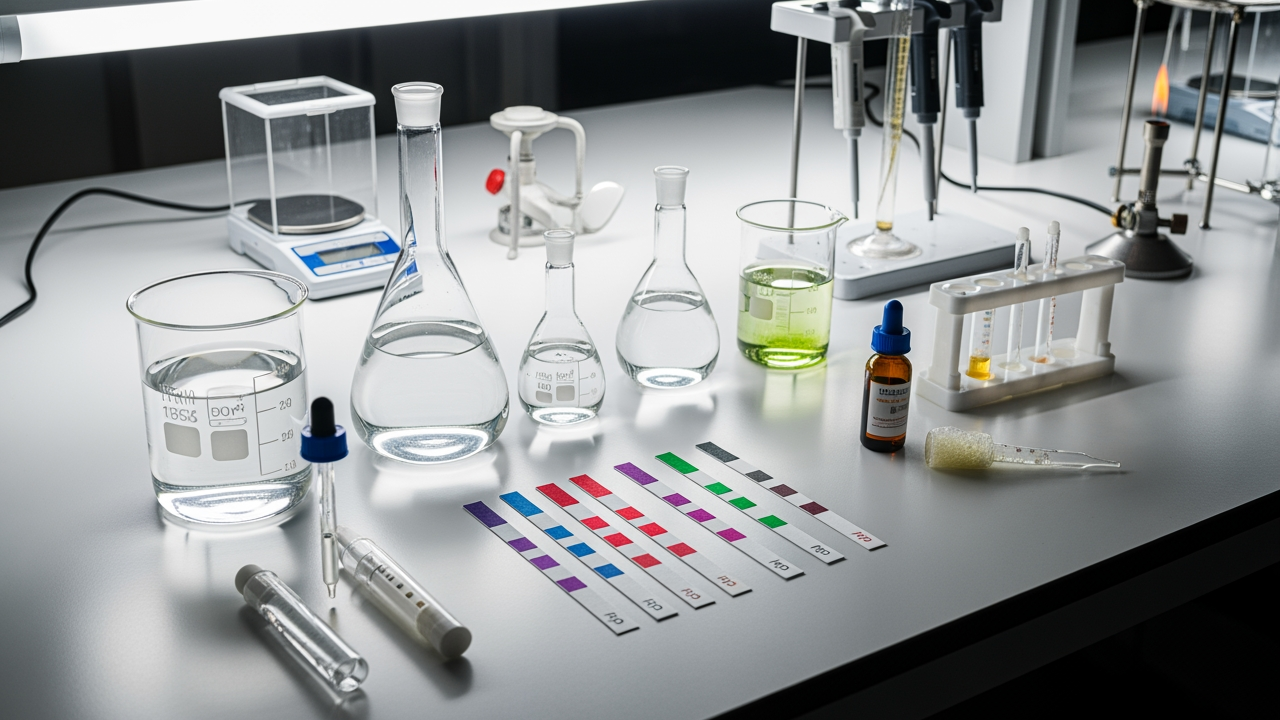
Your home's water might look crystal clear, but it contains contaminants that affect your health, damage your plumbing, and reduce appliance lifespan by years. Most homeowners never test their water until they notice problems, rusty stains, strange tastes, or failing water heaters, but by then, the damage is already underway.
Home water quality testing isn't just about safety. Hard water alone costs the average household £500-800 annually through increased energy bills, soap waste, and premature appliance replacement. Boilers fail within 5 years instead of lasting 15, simply because no one checked the water hardness.
Why Municipal Water Reports Aren't Enough
Your local water authority tests at the treatment plant, not at your tap. Between the plant and your glass, water travels through miles of ageing infrastructure and your home's internal plumbing.
A 2023 study found that 23% of homes with lead-free municipal water still showed elevated lead levels at the tap. The contamination happened in the final 50 feet, inside the property boundary, where the water authority's responsibility ends.
Your water report also shows averages across the entire supply area. If you live in an older neighbourhood, near industrial sites, or have copper pipes installed before 1987, your water chemistry differs significantly from the district average.
The Five Critical Tests Every Homeowner Should Run
Lead Testing
Lead leaches from old pipes, solder joints, and brass fittings. No safe level exists for lead consumption, particularly for children under six and pregnant women.
Test if your home was built before 1970, or if you've noticed metallic tastes in morning water. First-draw samples, water that's sat in pipes overnight, reveal the highest concentrations.
Professional lab testing costs £25-40 and provides accurate results down to 1 part per billion. Home test strips (£15-20) work for quick screening but lack precision at low concentrations.
If tests show above 10 parts per billion, flush taps for 2-3 minutes before drinking. Long-term solutions include replacing lead pipes or installing whole-house filtration systems that specifically target heavy metals. Quality pipework from Polypipe and proper fittings eliminate lead concerns in replacement installations.
Hardness Testing
Hard water contains dissolved calcium and magnesium. These minerals precipitate out when heated, forming limescale that coats heating elements, clogs pipes, and reduces heat transfer efficiency by up to 70%.
Soft: 0-60 ppm Moderately hard: 61-120 ppm Hard: 121-180 ppm Very hard: 180+ ppm
Areas with water above 150 ppm see water heater efficiency drop 25-30% within three years. A £40 hardness test kit pays for itself if it prompts you to install a water softener before scale damages your boiler.
The test takes five minutes: fill a vial, add reagent drops, and count until the water changes colour. Each drop represents a specific hardness level.
Hard water also increases soap consumption by 50% and leaves deposits on fixtures that require aggressive cleaning chemicals to remove. Heating and Plumbing World supplies water treatment solutions and scale prevention systems that protect heating equipment from hard water damage.
Bacteria Testing (Coliform and E. Coli)
Coliform bacteria indicate potential contamination from surface water or sewage. Whilst most coliform strains are harmless, their presence means disease-causing organisms could enter your water supply.
Test after flooding, if you have a private well, following plumbing work, or when water develops unusual odours. Lab tests cost £30-50 and require sterile collection bottles.
Positive coliform results don't automatically mean your water is dangerous. Follow up with E. coli testing (often included in comprehensive panels) to determine if faecal contamination exists.
Shock chlorination or UV sterilisation systems eliminate bacteria, but you must identify and fix the contamination source, such as cracked well casings, damaged pipes, or failing septic systems.
pH Level
pH measures acidity or alkalinity on a 0-14 scale. Drinking water should fall between 6.5-8.5. Outside this range, water corrodes pipes, leaches metals, and affects chlorine disinfection efficiency.
Low pH (acidic) water dissolves copper from pipes, creating blue-green stains and metallic tastes. Copper levels triple in homes with a pH below 6.5.
High pH (alkaline) water tastes bitter, leaves white scale deposits, and reduces soap effectiveness. It also interferes with chlorine's ability to kill bacteria.
Simple pH strips cost £5-10 and provide immediate results accurate to 0.2-0.5 pH units. For £30-40, digital pH metres deliver precision to 0.01 units, worthwhile if you're troubleshooting specific corrosion problems.
Adjust pH using calcite filters (raises pH) or acid injection systems (lowers pH). Most modern heating systems include pH monitoring because even small deviations accelerate component wear. Quality heating controls from Honeywell, Danfoss, or EPH Controls help maintain optimal water conditions.
Iron and Manganese
These naturally occurring minerals cause rust-coloured (iron) or black (manganese) staining on fixtures, laundry, and dishes. Concentrations above 0.3 ppm (iron) or 0.05 ppm (manganese) create noticeable problems.
Beyond aesthetics, iron bacteria feed on dissolved iron, forming slimy biofilms inside pipes and water heaters. These biofilms harbour other bacteria and create foul odours.
Test kits cost £15-25 and use colour comparison charts. Lab analysis (£35-50) provides exact concentrations and identifies whether iron exists in dissolved (clear water) or oxidised (rusty water) form.
Treatment depends on concentration and form. Water softeners remove low levels of dissolved iron. Higher concentrations require oxidising filters or chemical feed systems that convert dissolved iron to particles that filters can trap.
When to Test Your Water
Run baseline water quality testing when you move into a new home, even if the previous owner claims recent testing. Water chemistry changes with seasons, and problems develop between sales.
Retest annually if you have a private well or live in an area with known contamination issues. Municipal supply customers should test every 2-3 years, or immediately after:
- Changes in taste, odour, or appearance
- Plumbing repairs or replacements
- Flooding or surface water intrusion
- Nearby construction or industrial activity
- Installation of new water heating equipment
- Gastrointestinal illness affecting multiple household members
Seasonal testing reveals patterns. Wells often show higher bacteria counts after spring thaws or heavy rainfall. Hardness can increase during droughts when groundwater is drawn from deeper mineral-rich layers.
DIY Test Kits vs Professional Laboratory Analysis
Home test kits provide quick answers for common parameters. Spend £40-60 on a comprehensive kit covering pH, hardness, chlorine, iron, copper, nitrates, and bacteria indicators.
These kits work well for screening and monitoring known issues. If your annual hardness test shows consistent results, you don't need lab confirmation.
Laboratory testing costs more (£80-150 for comprehensive panels) but delivers:
- Precise measurements are critical for treatment system sizing
- Detection of contaminants in home kits (arsenic, pesticides, volatile organic compounds)
- Legal documentation if you're disputing water quality with authorities
- Analysis of complex interactions between multiple contaminants
Lab testing is recommended for initial assessments, when symptoms suggest contamination but home tests show nothing, or before investing in expensive treatment systems.
Many labs offer mail-in kits with sterile bottles and prepaid shipping. Results typically arrive within 5-7 business days.
Reading and Acting on Your Results
Test reports list each parameter with your result, the ideal range, and regulatory limits. Don't panic if something exceeds ideal levels; regulatory limits include safety margins.
Focus on parameters that exceed regulatory limits or show significant deviation from ideal ranges. A single elevated reading doesn't necessarily indicate a persistent problem. Retest before investing in treatment systems.
Compare results to previous tests if available. Gradual increases in hardness or iron suggest changes in your water source. Sudden spikes often indicate plumbing issues or contamination events.
For private wells, share results with your local environmental health department. They can identify regional patterns and advise on treatment approaches that work in your area.
Common Problems and Solutions
Limescale buildup from hard water requires water softeners using ion exchange resins. These systems cost £400-1,200 installed and reduce hardness to below 60 ppm. Operating costs run £40-80 annually for salt and maintenance. Protecting heating equipment from scale extends the lifespan of boilers from manufacturers like Andrews or Morco.
Lead contamination demands immediate action. Replace lead pipes if possible (£1,500-4,000 depending on length). Short-term solutions include certified lead-reduction filters on drinking water taps (£30-150).
Bacterial contamination requires identifying the source. Shock chlorinate wells, repair damaged pipes, and install UV sterilisation systems (£300-800) for ongoing protection.
Low pH corrosion responds to calcite neutralising filters (£400-900) that gradually raise pH as water passes through limestone media. These systems require minimal maintenance and last 3-5 years before media replacement.
The Cost of Ignoring Water Quality
Countless boilers and water heaters fail prematurely because no one tests water hardness. A £40 test and a £600 water softener would have saved £3,000-5,000 in replacement costs.
Hard water increases energy consumption by 25-30% as scale insulates heating elements from water. On a £1,200 annual heating bill, that's £300-360 wasted every year. Quality cylinders from Gledhill or Kingspan suffer reduced efficiency without proper water treatment.
Contaminated water poses health risks that don't show up in your plumbing bills. Lead exposure causes developmental delays in children and cardiovascular problems in adults. Bacterial contamination triggers gastrointestinal illness that costs days of work and medical expenses.
The cost isn't the testing; it's the damage that accumulates whilst you remain unaware.
Creating a Water Testing Schedule
Start with a comprehensive baseline test covering all major parameters. This establishes your normal ranges and identifies immediate concerns.
Annual quick tests monitor parameters that affect your plumbing and heating systems: hardness, pH, and iron. These £20-30 tests catch developing problems before they cause damage. Regular testing protects pumps from Grundfos or Lowara, expansion vessels from Altecnic Ltd, and other system components.
Full laboratory analysis every three years confirms your water quality hasn't changed and screens for contaminants that don't show obvious symptoms.
Keep records of all tests. Tracking trends over the years reveals gradual changes that single tests miss. Note the date, source (kitchen tap, outside tap, well head), and any recent events (heavy rain, plumbing work, treatment system maintenance).
Conclusion
Water quality testing isn't a one-time checkbox; it's ongoing maintenance that protects your health and your home's infrastructure. The £100-200 you'll spend on initial testing and annual monitoring prevents thousands in premature equipment replacement and protects your family from invisible contaminants.
Start with the five critical tests: lead, hardness, bacteria, pH, and iron. These cover the issues that affect 90% of homes and cause the most damage when ignored. If tests reveal problems, address them immediately. The cost of treatment systems is always less than the cumulative damage of contaminated water.
Your water authority tests at the plant, but you're responsible for the final 50 feet. Make home water quality testing part of your annual home maintenance routine, alongside boiler servicing and gutter cleaning. The investment pays returns in lower energy bills, longer-lasting appliances, and peace of mind that your water is safe to drink. For expert advice on water treatment solutions and protecting your heating system from hard water damage, contact us for professional recommendations.