

The Benefits of Pressure Reducing Valves for Water Conservation
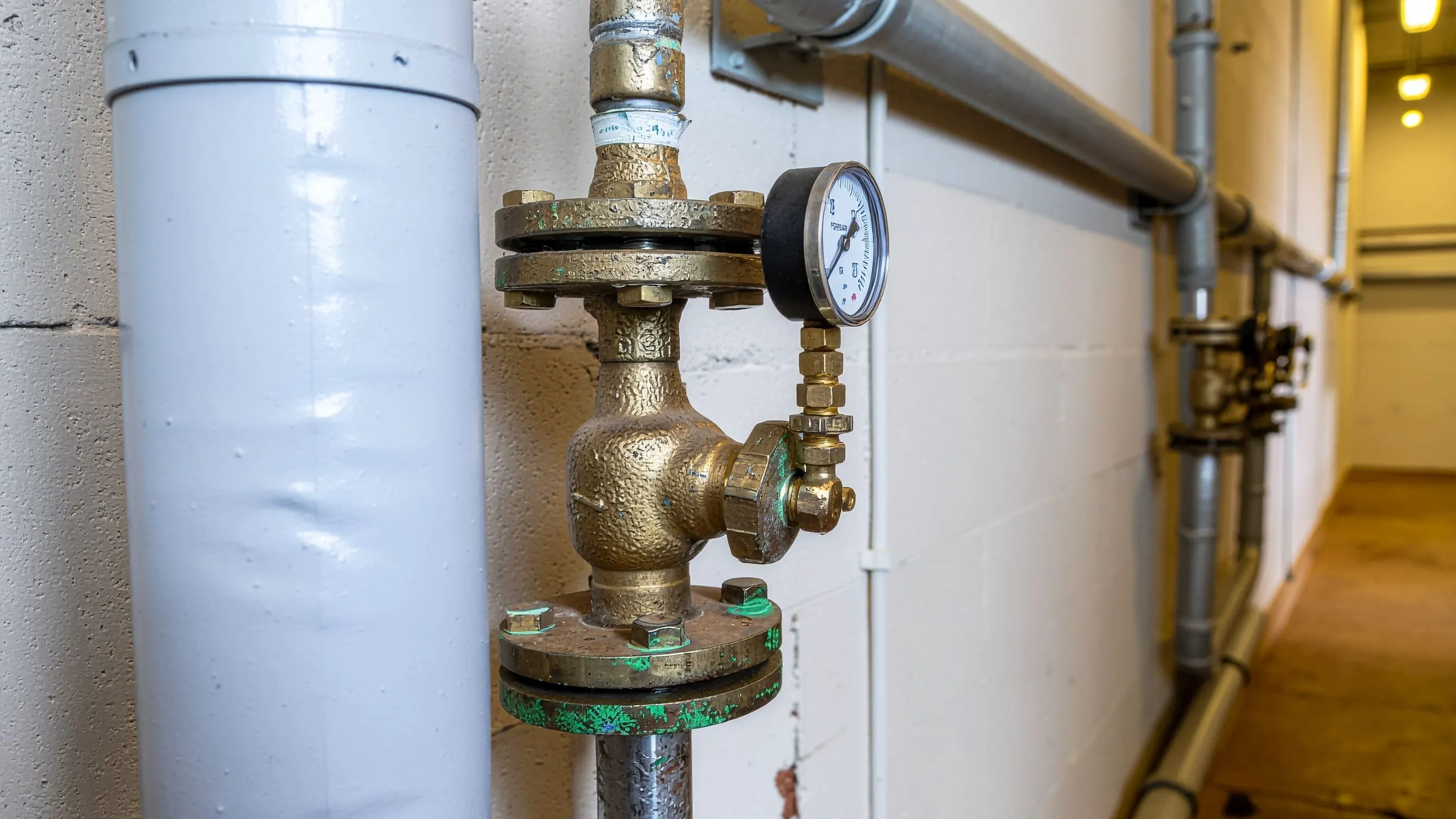
Pressure reducing valves are the absolute unsung heroes of modern residential plumbing. High incoming water pressure isn't a luxury; it's a massive liability that destroys appliances and wastes resources. By installing these brilliant devices, you instantly tame aggressive mains pressure and take control of your network. This guide explains how pressure reducing valves protect your property and drastically lower your utility bills.
Understanding High Mains Pressure Issues
Many homeowners mistakenly think having aggressive water pressure is a good thing for their morning showers. They don't realise that anything over three bar is actively wearing down their internal pipework. Unregulated pressure forces excess water through every open tap, creating massive and completely unnecessary waste. We need to look at the genuine water conservation benefits of stepping that pressure down using pressure reducing valves.
To tackle this effectively, you need hardware built for true commercial durability. Cheap valves often fail within a year, leaving your system completely unprotected. Heating and Plumbing World supplies top-tier PRVs that handle aggressive mains supplies effortlessly. It's always worth investing in a solid brass body rather than plastic alternatives.
How Static Pressure Control Works
Think of high water pressure like driving a heavy van down a steep hill. Without constant braking, the speed just keeps building until you eventually crash into something. A good drop-tight valve provides constant static pressure control, acting as those reliable brakes when all your taps are firmly closed. It stops the mains pressure from creeping up overnight and blowing out your weakest pipe joints.
On a recent job in a new build estate, the incoming mains pressure was hitting six bar at night. The homeowner woke up to a flooded kitchen because the excessive pressure blew the seals on their unvented cylinder. A simple, inexpensive PRV would have prevented this massive disaster entirely. Managing your expansion vessel pressure properly always starts with regulating what enters the building. This is why reliable static pressure control is a non-negotiable safety feature.
Dynamic Flow Regulation in Daily Use
But what happens when the street's supply pressure fluctuates wildly? When you open a tap, the valve shifts its primary focus to dynamic flow regulation. It automatically adjusts its internal cartridge to maintain a steady, safe output regardless of what the main supply is doing. This prevents that annoying pressure drop when someone flushes a toilet while you're in the shower.
This responsive action is crucial for busy households with multiple bathrooms running simultaneously. Proper dynamic flow regulation ensures consistent, highly predictable performance across the entire property. Your showers remain powerful, but they no longer waste litres of water by spraying it violently against the tiles. It perfectly balances user comfort with strict resource efficiency.
The Financial Water Conservation Benefits
Lowering your overall system pressure directly reduces the volume of water you consume every single day. If you reduce your mains pressure from five bar to three bar, you use about thirty percent less water through unregulated outlets. You also spend significantly less money heating that excess water, which slashes your gas or electric bills. These are the real water conservation benefits that pay for the initial valve installation within just a few months.
Beyond the immediate utility savings, you are actively extending the lifespan of your fixtures. Taps, shower cartridges, and washing machine hoses last years longer when they aren't subjected to extreme hydraulic stress. You save a fortune by simply avoiding premature wear and tear on your expensive bathroom brassware. It's a highly profitable, logical upgrade for any home.
Optimal PRV Installation Position
You must get the PRV installation position exactly right for the device to work effectively. The valve needs to sit immediately after your internal stopcock and water meter. This specific PRV installation position ensures that every single branch of your plumbing network is fully protected. If you install it further down the line, you leave critical joints exposed to aggressive mains pressure.
You must also install a serviceable Y-strainer directly before the valve body. This catches grit, rust, and scale before it can score the internal brass seating of the regulator. If grit gets inside, the valve will pass water and completely lose its regulating ability. Sometimes, bad pressure readings mimic pump problems, but the culprit is actually a fouled pressure valve.
Protecting Broader Plumbing Infrastructure
Your entire heating plant relies on balanced, highly predictable water input to operate efficiently. When you tame the incoming supply, you protect expensive appliances like your hot water storage tank from premature failure. You won't need to replace pressure relief valves constantly because they aren't being pushed past their strict safety limits. It brings absolute stability and longevity to the entire property.
This stability extends right down to your radiator network and heating valve control. You aren't forcing excess strain through delicate thermostatic pins and internal rubber seals. The entire heating loop performs exactly as the manufacturer intended.
Even your smart trv heads operate significantly more accurately when the system isn't fighting aggressive hydraulic forces. Motorised valves can close gently without slamming against a high-pressure wall of water. It's all connected in a healthy, highly efficient plumbing ecosystem.
If you are upgrading an older property, you might actually encounter the opposite issue of extremely poor flow. In those rare cases, a dedicated pressure boosting system is the correct technical solution for the site. However, taming aggressive mains pressure remains the absolute priority for modern builds.
Always ensure your pipework insulation is fully up to standard to prevent winter freezing around the new external brassware. A frozen PRV will block your entire property's water supply in a matter of hours. Proper lagging is a cheap and highly effective insurance policy against extreme weather.
Conclusion
Fitting pressure reducing valves is a mandatory step for any professional property renovation or upgrade. They deliver absolute peace of mind by stopping midnight pipe bursts and protecting your valuable boiler components. You actively stop wasting expensive heated water without ever sacrificing your daily shower performance. It's a quick, straightforward installation that provides decades of solid system protection.
Never try to adjust or install a primary pressure valve without the proper testing tools and gauges. If you are unsure about your incoming mains pressure, don't guess the settings. Reach out and speak to our team to ensure you select the correct brassware for your specific site. We'll make sure your system operates safely, efficiently, and fully within UK legal compliance.