

The Essential Plumbing Toolkit for Every UK Homeowner
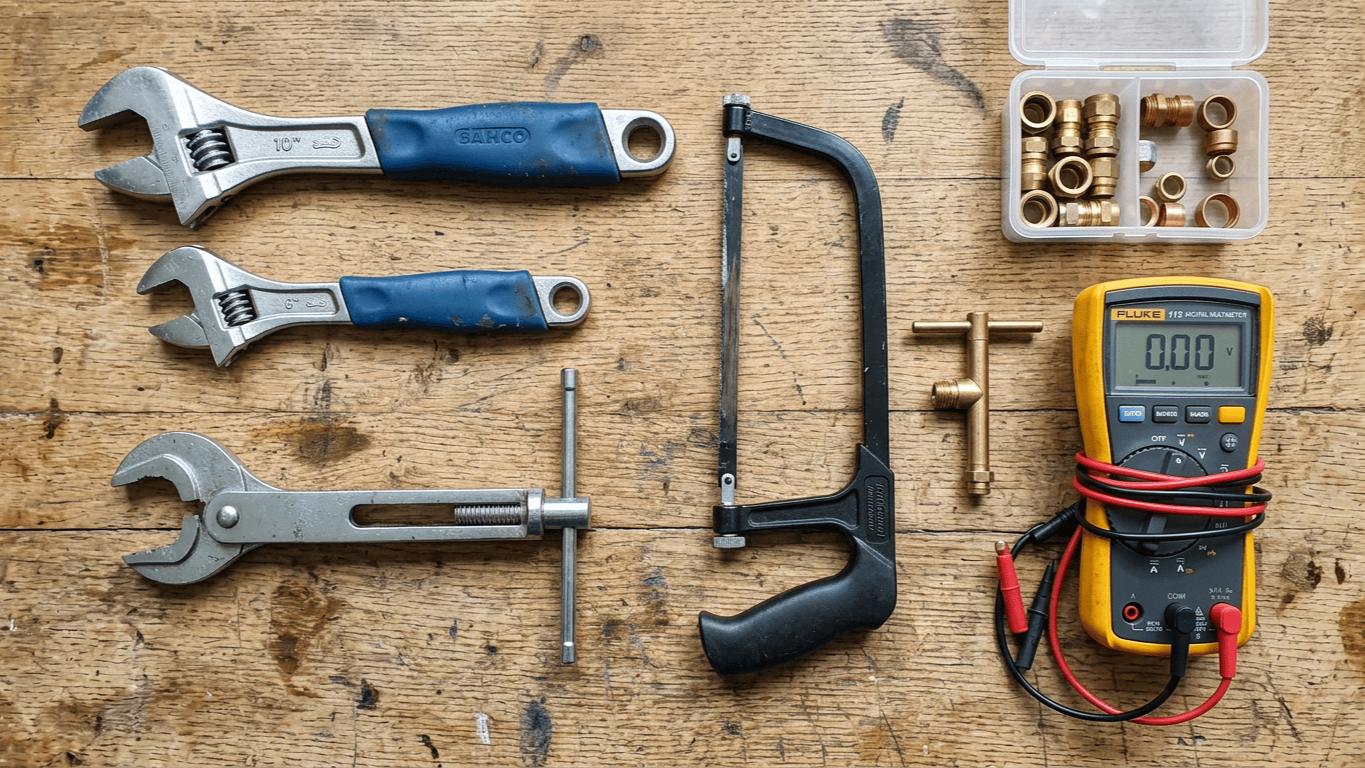
Every homeowner faces plumbing emergencies at the worst possible moment. Usually, this happens on a Sunday evening when guests are arriving, or Boxing Day when every tradesperson in the country is off. Having the right tools to hand doesn't just save an expensive callout fee. It gives you the confidence to tackle minor issues safely before they escalate into major problems.
Over years of working on residential properties across the UK, professionals see the same scenario play out countless times: a homeowner attempts a simple repair with the wrong tools, causing more damage than the original fault. The right essential plumbing toolkit isn't about turning you into a professional, it is about giving you the capability to handle common issues safely and effectively.
Think of your plumbing toolkit like a household first aid kit. You don't need the equipment to perform major surgery, but you absolutely need the supplies to stabilise a situation before the professionals arrive. This guide covers the essential tools every UK homeowner should own, focusing on practical equipment that addresses real-world scenarios.
Core Hand Tools for Basic Plumbing Repairs
Your foundational setup starts with versatile hand tools that cover 80% of common household issues. These aren't specialist items, they are practical investments that will prove their worth repeatedly. Quality adjustable spanners are non-negotiable. You will need two: a 250mm and a 150mm. The larger size handles compression fittings on isolation valves, whilst the smaller works in confined spaces like under-sink traps.
Buy quality here because cheap tools round off nut flats. On a recent emergency callout, a homeowner tried replacing a kitchen tap washer using mole grips because they lacked the right spanner. They ended up crushing the brass valve seating entirely, turning a £3 washer replacement into a £300 emergency repair. It proved exactly why having the right tools prevents minor issues from escalating.
A pipe wrench handles larger diameter pipes and fittings that standard spanners can't grip effectively. You will use this when dealing with iron pipework or anywhere you need serious leverage. Slip-joint pliers and long-nose pliers complete your gripping arsenal. Slip-joints adjust to different jaw widths, which is perfect for holding pipe whilst you work on fittings.
Cutting and Joining Equipment
Eventually, you will need to cut pipe or modify existing installations. Having proper cutting tools prevents the rough edges and distorted pipe ends that cause leaks. A junior hacksaw fits where full-size saws won't, making it essential for cutting copper pipe in situ.
Keep fresh blades in your toolkit. Dull blades crush copper rather than cutting cleanly, which creates frustrating rework when you try to slide new compression fittings over deformed pipe ends. Pipe cutters deliver superior results to hacksaws when you've got the clearance to use them.
When working with copper pipe joiners, a clean, deburred cut is absolutely critical for a watertight seal. Roll the cutter around the pipe, tightening the knob a quarter-turn at a time. Dedicated plastic pipe cutters easily slice through waste pipe, producing cleaner cuts much faster than a standard hacksaw.
Drainage and Blockage Tools
Blocked sinks, toilets, and external drains account for a significant portion of emergency plumbing callouts. Basic drainage tools resolve most blockages without harsh chemicals or professional intervention. A quality sink plunger and a toilet plunger work differently and aren't interchangeable.
Effective plunging technique matters more than physical effort. Fill the sink or toilet with enough water to cover the plunger cup. Create a seal, push down slowly to compress air, and follow with a sharp pull-back. The suction on the return stroke often shifts blockages more effectively than the downward push.
Drain rods tackle external blockages in inspection chambers and underground drainage. A basic set includes three 1-metre polypropylene rods with screw-together brass fittings. A flexible drain snake clears internal waste pipes when plunging fails. Feed the cable gently because forcing it risks puncturing older plastic pipes.
Specialist Plumbing Tools Worth Owning
Certain jobs require specific tools. These aren't daily-use items, but when you need them, nothing else works. A basin wrench accesses nuts in confined spaces where standard adjustable spanners simply will not fit. These long, thin tools reach behind basins to tighten tap back-nuts perfectly.
A radiator key bleeds air from radiators. Keep several around the house, as they are cheap and frequently misplaced. Immersion heater spanners fit the large hexagonal boss on immersion heater elements.
A flare nut spanner works on compression fittings where you need to support the fitting body whilst tightening the compression nut. The open-ended design slips over the pipe, then securely engages the nut flats. Using standard spanners on these connections often results in the whole fitting rotating and twisting the pipe.
Measuring and Testing Equipment
Accurate measurement prevents errors and wasted materials. A tape measure and spirit level are obvious essentials. Less obvious but equally important is a pipe gauge. This simple sliding tool accurately measures external pipe diameter so you don't buy the wrong sized fittings.
A digital multimeter tests immersion heater elements and heating controls. Set to resistance, a functioning 3kW element reads approximately 18-20 ohms. Infinite resistance means the element has failed open-circuit.
For a very small investment, a basic digital multimeter safely diagnoses electrical faults that would otherwise require a professional callout. Pipe detectors locate hidden pipes before drilling into walls, significantly reducing the risk of puncturing a pipe when mounting cabinets.
Safety Equipment and Consumables
Professional plumbers wear safety equipment for good reason. The same hazards exist whether you are charging £60 an hour or fixing your own sink. Safety glasses protect against debris when cutting pipe or working beneath sinks where trapped water might drain suddenly.
Keep absorbent cloths and an old towel in your toolkit. Plumbing work inevitably releases trapped water. Having absorbent material to hand prevents water damage to carpets and furniture.
Stock basic consumables like assorted tap washers, O-rings for mixer taps, and spare compression olives. These small items cost pennies but prevent a job stopping halfway through because you damaged a washer during removal. Many Heating and Plumbing World suppliers offer mixed washer packs that cover common sizes.
Assembling Your Toolkit Strategically
You don't need everything immediately. Build your essential plumbing toolkit based on your property and your likely needs. Start with the core hand tools, a basic hacksaw, and a plunger. This foundation handles bleeding radiators and unblocking sinks.
Expand gradually as you gain confidence. Once you are comfortable tackling push fit plumbing fittings, you can add pipe cutters and deburring tools. Buy specialist tools only when you face a specific job requiring them.
Quality matters more than quantity. One excellent spanner outperforms three cheap ones. Avoid unbranded budget tools for items that grip or cut, as they always fail when you need them most. Wipe tools dry after use and store them properly in a dedicated toolbox.
When to Use Your Toolkit Versus Calling a Professional
Owning tools doesn't obligate you to tackle every plumbing issue. Understanding your limitations prevents minor problems from becoming major disasters. Your toolkit handles replacing tap washers, bleeding radiators, clearing blocked sinks, and replacing radiator valves once the system is fully drained.
Call a professional for gas appliance work, unvented hot water cylinder repairs, and any persistent leaks you can't locate. Gas work is legally restricted to Gas Safe registered engineers.
The grey area involves jobs you could do but might prefer not to, like replacing a toilet or fitting an outside tap. If you are methodical, they are achievable. If you are uncertain, the cost of professional installation provides peace of mind and guaranteed work.
Maintaining and Expanding Your Knowledge
Tools alone don't make you competent. Understanding how domestic plumbing systems actually work does. British Standards and Building Regulations govern plumbing installations, and understanding them helps you work confidently.
Manufacturer instructions often provide excellent guidance. Reading through documentation for modern heating pumps explains systemic fundamentals clearly because the manufacturers want their products installed correctly.
Prioritise educational resources that explain why you are doing something, not just what you are doing. Understanding the reasoning behind techniques helps you adapt them to your specific situation.
Conclusion
Building an essential plumbing toolkit represents a long-term investment in self-sufficiency and property maintenance capability. The core collection costs perhaps £100-150, yet it saves multiples of that investment by handling common repairs and preventing emergency callouts.
Start with fundamental hand tools that address the most frequent tasks. Expand your collection gradually as you encounter different challenges. You are not helpless waiting for professional assistance when you have the right equipment. You can quickly assess situations, implement temporary fixes, and resolve issues completely.
For specialist work, quality suppliers connect you with appropriate products when projects exceed your DIY scope. If you need guidance on quality brands or technical specifications, please get expert advice from our dedicated support team today.