
 -
- The Hidden Costs of Leaving Your Heating on Low All Day
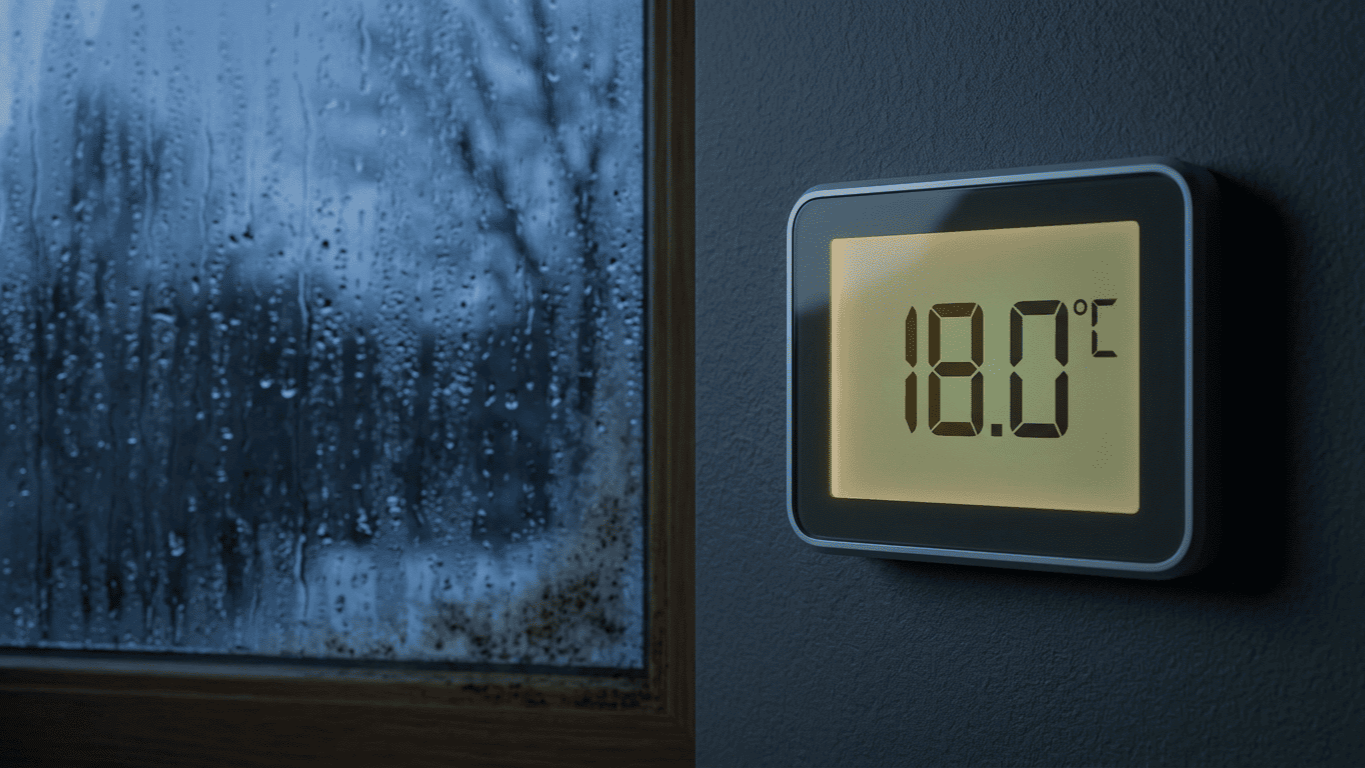
The debate about whether it's cheaper to leave your heating on low all day or to fire it up only when needed has been running for decades. You've probably heard both arguments: some say constant low-level heating is more efficient, while others insist it's a waste of money. The truth is that for most homes in the UK, leaving your heating on low all day costs significantly more than heating on demand; and the hidden expenses go far beyond your energy bill.
Let's cut through the myths and look at what actually happens when you leave your system running continuously at a reduced temperature. The reality involves thermodynamics, boiler efficiency, and real-world system behaviour that marketing literature rarely mentions.
Why The Constant Low Heat Myth Persists
This idea gained traction from a misunderstanding of how heating systems work. The logic seems sound on the surface: if your boiler only needs to maintain temperature rather than raise it from cold, surely it uses less energy? The problem is that this fundamentally misunderstands how the heat loss rate affects a building.
Think of your home like a leaky bucket. If you want to keep the water at a certain level, you have to keep the tap running at a speed that matches the leak. The higher the water level, the faster the water pushes out of the holes. Your home loses heat continuously through walls, windows, floors, and the roof. The rate of heat loss is directly proportional to the temperature difference between inside and outside. Keep your home at 18°C all day when it's 5°C outside, and you're fighting a constant 13-degree temperature difference. That is 13 degrees' worth of heat escaping every hour, which your boiler must replace. Heating and Plumbing World provides the components needed to transition to a more efficient on-demand setup.
When you heat on demand, you only pay for the hours you actually need warmth. Yes, there's a brief period of higher consumption while the system brings the temperature up, but this is almost always outweighed by the savings from a reduced heat loss rate during the hours the heating is off.
Boiler Efficiency And Cycling Losses
Here's where it gets technical. Modern condensing boilers operate most efficiently when they're running at higher outputs for shorter periods. This is because condensing technology works best when return water temperatures are below 54°C, allowing the boiler to extract latent heat from flue gases.
When you run a boiler continuously at very low output to maintain temperature, it often can't condense properly. The system reaches equilibrium where return temperatures stay too high for efficient condensing operation. If you look at a standard boiler efficiency curve, you'll see that efficiency can drop from 92% down to 75% when the unit isn't in condensing mode.
Additionally, continuous operation means more frequent thermal cycling, which is the boiler firing up, reaching temperature, shutting down, and then repeating. Each cycle involves heat-up losses as the heat exchanger and boiler components warm up before useful heat reaches your radiators. Over a 24-hour period of low-level heating, you might experience 40 to 60 cycles. With on-demand heating for a few hours morning and evening, you might have only 8 to 12 cycles total. High-efficiency heating pumps also run continuously when heating is on, which adds up to a surprising amount of electricity over a full season.
The Condensation And Humidity Problem
Leaving heating on constantly at lower temperatures creates a perfect environment for condensation issues. When you maintain your home at 16-18°C continuously, you're often in the sweet spot for moisture to settle on cold surfaces like single-glazed windows and external walls.
Condensation leads to mould growth, particularly in corners and behind furniture. Once mould establishes itself, the costs start stacking up. If the problem becomes severe, professional mould remediation for a single room typically runs between £300 and £800. If it spreads to multiple rooms or gets into wall cavities, you're looking at thousands of pounds in repairs.
Shorter periods of higher temperature heating combined with adequate ventilation are usually the better solution. This approach raises surface temperatures enough to prevent condensation when you're home, without creating the perpetual dampness that encourages spores. Avoiding the need for mould remediation is a significant financial benefit of on-demand heating that most homeowners overlook.
Wear And Tear On System Components
Your heating system wasn't designed for continuous operation. Boilers, pumps, and heating controls have expected service lives based on typical usage patterns. Leave your heating on all day, and you're potentially doubling or tripling those operating hours.
On a recent job, an engineer inspected a system where the homeowner had religiously kept their heating on low 24/7 for five years. The heat exchanger had developed stress cracks from constant thermal cycling, the pump bearings were shot, and three of the motorised zone valves were sticking. The repair bill came to £1,400; and the boiler, which was only eight years old, needed replacing within the year. It's a classic example of how "saving" on the heat-up period can cost a fortune in hardware.
Replacement costs are substantial. A new boiler installation can run into thousands of pounds, and even a replacement pump is a significant expense. Frequent thermal cycling simply ages the components faster than their design specifications intended.
The Insulation False Economy
Some people justify leaving your heating on low by saying their home is poorly insulated, so it costs too much to reheat from cold. This logic is backwards. Poor insulation makes continuous heating more expensive, not less. If your home loses heat rapidly, leaving the heating on means continuously replacing that lost heat.
The real solution is improving the building fabric. While you're looking at efficiency, it's also worth checking your water heating systems to ensure they are properly lagged and controlled. Loft insulation and cavity wall insulation pay for themselves within a few years and make heating on demand far more practical.
When Constant Heating Might Make Sense
There are limited scenarios where maintaining low-level heat makes practical sense. Properties left vacant during winter benefit from frost protection heating, but this means maintaining just 5°C, not 18°C. The energy cost is minimal compared to the risk of frozen pipes causing thousands in damage.
Homes with wet underfloor heating systems sometimes perform better with more consistent heating patterns because they have high thermal mass and slow response times. Even here, though, you're better off with setback temperatures during unoccupied periods rather than maintaining full comfort levels.
Smart Heating Strategies That Save Money
Instead of leaving your heating on low all day, consider approaches that balance comfort and cost. Timed heating zones allow you to heat only the rooms you're using when you're using them. This requires proper zoning with smart radiator valves, but the savings are substantial over a single heating season.
Optimum start controls learn how long your home takes to heat up and automatically start the boiler at the right time. This removes the guesswork and ensures you reach your target temperature exactly when you need it. Using a digital programmable thermostat ensures this temporal precision is maintained without manual intervention. Weather compensation is another excellent tool, as it adjusts the boiler efficiency curve by varying flow temperatures based on outdoor conditions.
Conclusion
The hidden costs of leaving your heating on low all day extend far beyond the obvious increase in energy bills. You're paying for reduced boiler efficiency, accelerated wear on components, and potential mould problems. For the vast majority of UK homes, on-demand heating controlled by proper timers costs significantly less while maintaining comfort.
If your home struggles to maintain temperature, the answer isn't continuous heating; it's addressing insulation and controls. These investments pay for themselves through reduced running costs while making on-demand heating practical. At Heating and Plumbing World, we supply the components that make efficient heating achievable.
If you're looking to optimise your system, please get expert advice from our technical team to find the right controls for your specific property.