

The Rise of Tankless Water Heating in Urban Homes
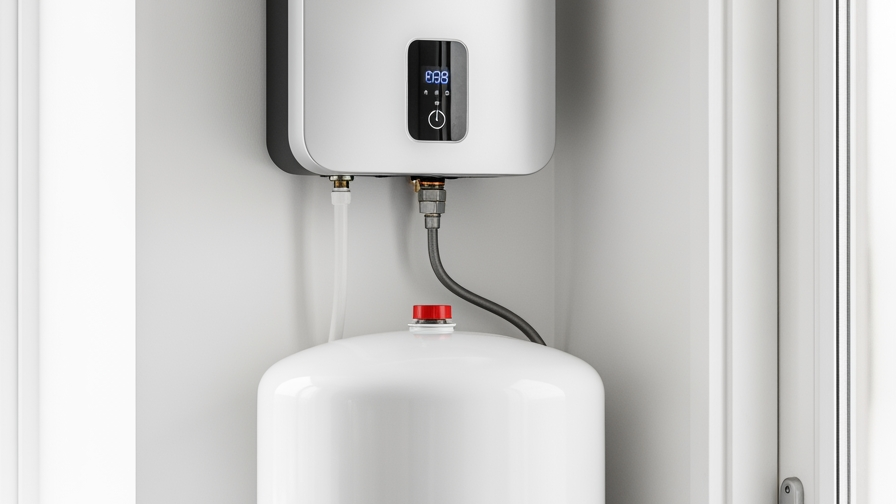
Urban living continues to reshape how homeowners approach heating solutions, with space constraints and energy efficiency driving innovation in residential systems. Traditional water tanks, once standard in every home, are increasingly giving way to modern alternatives that better suit compact city living. Tankless water heaters represent a transformative shift in how urban properties heat water, offering a continuous supply without the bulky storage requirements of conventional systems.
The growing popularity of urban tankless water heater installations reflects broader trends in sustainable city living, where every square metre matters and energy consumption faces greater scrutiny. Heating and Plumbing World has witnessed this transformation firsthand, as more urban homeowners seek heating solutions that align with modern space and efficiency demands.
What Are Tankless Water Heaters?
Tankless water heaters, also known as instantaneous or on-demand systems, heat water directly without requiring storage tanks. When a hot tap opens, cold water travels through the unit where either a gas burner or an electric element heats it instantly. This fundamental difference from conventional systems eliminates the need for large storage cylinders that occupy valuable space in urban properties.
Two primary types dominate the market: gas-powered models that use natural gas or LPG, and electric variants that draw power from the mains supply. Gas models typically deliver higher flow rates, making them suitable for larger households, whilst electric versions offer simpler installation in properties with adequate electrical capacity. Both types provide hot water on demand, ending the frustration of running out during peak usage times.
The technology has advanced significantly over recent decades, with modern tankless systems featuring sophisticated temperature controls, energy-saving modes, and diagnostic capabilities that simplify maintenance. These improvements have made tankless water heaters increasingly attractive to urban homeowners seeking reliable, space-efficient heating solutions.
Why Urban Homes Are Switching to Tankless Systems
Space-Saving Benefits
Urban properties, particularly flats and terraced houses, often struggle with limited storage space. Traditional water tanks can occupy entire airing cupboards or loft spaces, areas that urban dwellers could repurpose for additional storage or living space. An urban tankless water heater typically measures less than 60 cm in height and can be mounted directly on walls, freeing up considerable floor space.
This compact footprint proves particularly valuable in city conversions and new-build flats where developers maximise living areas by minimising utility spaces. Homeowners can reclaim previously dedicated tank spaces for wardrobes, home offices, or simply more comfortable living arrangements. The aesthetic appeal of modern tankless units also allows for installation in visible locations without compromising interior design.
Energy Efficiency Advantages
Energy efficiency drives many conversions to tankless systems, particularly among environmentally conscious urban residents. Traditional tanks continuously heat and reheat stored water to maintain temperature, creating standby heat losses that waste energy and money. Tankless water heaters eliminate this inefficiency by heating water only when needed, reducing overall energy consumption by approximately 24-34% for households using 150 litres or less of hot water daily.
Urban sustainability initiatives increasingly encourage residents to reduce their carbon footprint, and heating system upgrades represent one of the most impactful changes homeowners can make. Modern tankless systems qualify for various energy efficiency schemes and may increase property values in competitive urban housing markets where buyers prioritise running costs and environmental credentials.
The reduced energy consumption translates directly into lower utility bills, an important consideration for urban homeowners facing premium housing costs. Over a typical 20-year lifespan, the cumulative savings can offset higher initial purchase and installation costs, making tankless systems financially attractive long-term investments.
Unlimited Hot Water Supply
Traditional tanks impose strict capacity limits - once depleted, households must wait for the next batch to heat. This limitation causes particular inconvenience in urban homes with multiple occupants or during peak usage periods. Tankless water heaters provide continuous hot water flow, limited only by the unit's flow rate capacity rather than storage volume.
For urban families, shared houses, or properties with multiple bathrooms, this continuous supply eliminates morning scheduling conflicts and ensures comfortable showers regardless of usage patterns. Modern tankless units can support multiple simultaneous demands, such as running a shower whilst the dishwasher operates, without temperature fluctuations that plague undersized tank systems.
Installation Considerations for Urban Properties
Assessing Your Property's Suitability
Before installing an urban tankless water heater, homeowners must evaluate their property's infrastructure. Electric models require substantial electrical capacity, typically 24-36 kW for whole-house heating, which may exceed the available supply in older urban buildings. Upgrading electrical capacity involves significant costs and potential building work that urban homeowners should factor into project planning.
Gas-powered systems require adequate gas supply lines and proper ventilation, which can prove challenging in flats or terraced properties with limited external wall access. Water pressure and flow rate also influence system performance - urban properties with low mains pressure may require pump installations to achieve optimal performance. Professional assessment ensures compatibility between chosen systems and property characteristics.
Professional Installation Requirements
Installing tankless water heaters demands qualified professionals, particularly for gas models, which require Gas Safe-registered engineers. Electrical installations must comply with current Building Regulations, whilst any alterations to gas supplies or flue systems need proper certification. Urban properties, especially those in converted buildings or listed structures, may require additional planning permissions or building control approvals.
The installation process typically involves removing existing tanks, installing new pipework, ensuring adequate expansion vessels and pressure relief valves are fitted, and configuring the system for optimal performance. Professional installers can identify potential issues unique to urban properties, such as restricted access for large equipment or challenges in routing exhaust flues through shared building structures.
Initial Investment vs Long-Term Savings
Tankless water heaters carry higher upfront costs than conventional tanks, with purchase prices ranging from £500 to £2,500 depending on capacity and features, plus installation costs between £500 and £1,500. However, urban homeowners should evaluate total lifetime costs rather than initial outlay alone.
Energy savings accumulate over the system's 20-year typical lifespan, potentially totalling thousands of pounds compared to traditional tanks requiring replacement every 10-15 years. Reduced maintenance requirements, elimination of tank corrosion issues, and increased property value contribute to the overall financial equation. Many urban homeowners find that monthly energy savings offset installation costs within 5-10 years, after which the system provides net financial benefits.
Maintenance Requirements for Tankless Systems
Despite their efficiency advantages, tankless water heaters require regular maintenance to sustain optimal performance. Annual servicing by qualified engineers ensures safe operation and identifies potential issues before they escalate. Hard water areas, common throughout urban regions, necessitate periodic descaling to prevent mineral buildup that reduces heating efficiency and shortens system lifespan.
Modern tankless systems incorporate diagnostic features that alert homeowners to maintenance needs, simplifying upkeep compared to traditional tanks, where problems often remain hidden until failure. Common maintenance involves checking and replacing photo cells in oil-fired models, inspecting heat exchangers, and verifying proper combustion in gas units. Urban homeowners should budget for annual maintenance visits costing approximately £100-150 to protect their investment.
Component replacement proves more straightforward than with traditional systems, as individual parts can be accessed and changed without draining entire systems. Quality components and proper maintenance extend system lifespan well beyond traditional tanks, reinforcing the long-term value proposition of tankless installations.
Choosing the Right Tankless System for Urban Living
Sizing Your System Correctly
Proper sizing ensures tankless water heaters meet household demands without oversizing, which wastes money on unnecessary capacity. Urban homeowners should calculate required flow rates by totalling simultaneous usage - typically 2-3 gallons per minute for showers, 1-2 for taps, and 1-2 for appliances. A family of four might require 6-8 gallons per minute total capacity.
Temperature rise requirements depend on incoming water temperature and desired output temperature. Urban water supplies typically enter homes at 10-15°C, requiring a 35-40°C temperature rise to achieve a comfortable 50°C output. Combining flow rate and temperature rise requirements determines the minimum system capacity needed for satisfactory performance.
Undersizing creates frustration through inadequate hot water during peak demand, whilst oversizing wastes money on unused capacity and potentially higher running costs. Professional assessment considers household size, simultaneous usage patterns, and future needs to recommend appropriately sized systems for long-term satisfaction.
Gas vs Electric Models
Gas-powered tankless systems generally provide higher flow rates and lower running costs in areas with affordable natural gas supplies. They suit larger urban households or properties with multiple bathrooms requiring simultaneous hot water. Installation complexity and costs run higher due to gas line requirements, ventilation needs, and mandatory Gas Safe certification.
Electric models offer simpler installation, particularly in flats or properties without gas supplies, but require substantial electrical capacity that may necessitate costly electrical upgrades in older urban buildings. Running costs typically exceed gas models, though this gap narrows where electric supplies use renewable energy or in areas with expensive gas tariffs.
Environmental considerations increasingly influence choices, with electric systems offering carbon-neutral operation when paired with renewable electricity supplies. Urban homeowners should evaluate total installation costs, running cost projections, and environmental priorities to select systems aligned with their specific circumstances and values.
Common Challenges and Solutions
Urban tankless water heater installations occasionally encounter the "cold water sandwich" effect, where brief cold bursts interrupt hot water flow during multiple short demands. Modern systems address this through buffer tanks or recirculation loops that maintain small volumes of heated water for immediate delivery.
Retrofitting tankless systems in older urban properties sometimes reveals hidden infrastructure challenges, such as undersized gas lines, inadequate electrical capacity, or water pressure issues requiring additional investments. Thorough professional assessment before purchase helps identify and budget for necessary upgrades, avoiding unexpected costs during installation.
Integration with existing heating systems requires careful planning, particularly in properties with combination boiler systems or complex heating arrangements. Professional installers can recommend compatible components and system configurations that work harmoniously with existing infrastructure, whilst delivering the space and efficiency benefits that motivated the tankless conversion.
Conclusion
The rise of tankless water heating in urban homes reflects practical solutions to space constraints, energy efficiency demands, and modern living expectations. These systems deliver continuous hot water without bulky storage requirements, reducing energy consumption whilst freeing valuable urban space for better uses. Though initial investments exceed traditional tanks, long-term savings, extended lifespan, and enhanced property value make tankless water heaters increasingly attractive to city dwellers.
Urban homeowners considering heating system upgrades should evaluate their property's infrastructure, household hot water demands, and budget for both installation and ongoing maintenance. Professional assessment ensures compatible system selection and proper installation that maximises performance and longevity.
Ready to explore how tankless water heating could transform your urban home? Contact us for expert advice on system selection, installation requirements, and customised solutions that meet your specific property needs and heating demands.