

The Role of Buffer Vessels in Improving Heat Pump Lifespans
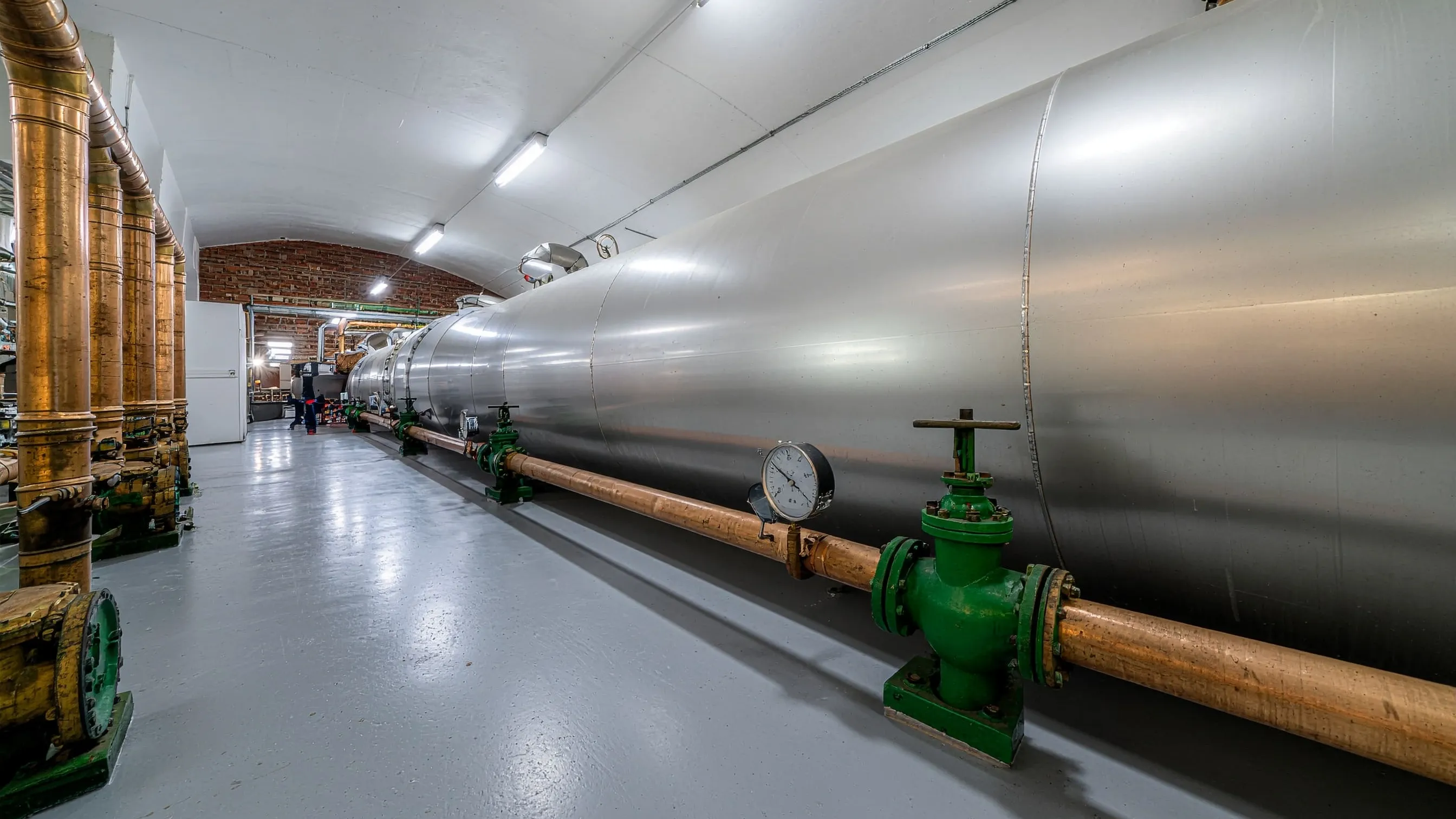
Air source heat pumps require a very specific set of hydraulic conditions to operate efficiently and survive their intended design lifespans. Unlike traditional gas boilers that can comfortably blast heat into a handful of small radiators without missing a beat, a modern heat pump demands unrestricted water flow and a substantial overall system volume. When you install a heat pump onto a restrictive or undersized heating circuit, you are actively destroying the compressor. Incorporating a correctly sized heat pump buffer vessel is often the absolute most critical design decision you will make. It acts as a thermal battery, a hydraulic bridge, and a vital safety net that protects the expensive outdoor machinery from the unpredictable demands of the indoor heating zones.
Understanding Short Cycling and Mechanical Wear
The absolute fastest way to destroy an expensive inverter compressor is through excessive short cycling. This occurs when the heat pump turns on, rapidly hits its target flow temperature because there is not enough water in the system to absorb the energy, and immediately shuts down again. Five minutes later, the small amount of water cools off, and the compressor is forced to violently start back up, highlighting exactly why short cycling prevention is a mandatory design consideration.
True short cycling prevention is the primary reason we introduce buffer tanks into residential systems. Every time a compressor starts, it draws a massive surge of electrical current and places immense mechanical strain on its internal bearings and scroll plates. If a unit starts and stops thirty times a day instead of running low and slow, its mechanical lifespan is effectively cut in half.
Adding a heat pump buffer vessel instantly cures this chaotic behaviour. By introducing a large, insulated volume of water into the primary circuit, you give the compressor a massive thermal sink to dump its energy into. The system takes much longer to heat up the entire volume, allowing the compressor to modulate down and run efficiently for hours at a time.
Professionals know that Heating and Plumbing World provides the robust, heavily insulated steel tanks required to achieve this operational stability. Do not ignore the minimum volume requirements specified in the manufacturer installation manuals.
The Physics of Hydraulic Separation
Beyond simply adding raw water volume, a four-pipe buffer tank configuration provides perfect hydraulic separation between the outdoor unit and the indoor emitters. An air source heat pump requires a constant, high-volume flow rate to transfer thermal energy efficiently across its internal plate heat exchanger.
If the homeowner closes half of their radiator valves, the resistance in the indoor circuit spikes drastically. Without hydraulic separation, this increased resistance pushes back against the primary heat pump circuit, severely restricting the flow and causing immediate high-pressure fault codes. The buffer tank completely severs this physical link.
The outdoor unit pumps water continuously into the primary side of the tank at its required high flow rate, while the indoor circulation pump draws exactly what it needs from the secondary side of the tank. The two pumps never fight against each other.
This separation is incredibly useful when retrofitting modern renewables onto older, restrictive underfloor heating pipe networks. The buffer acts as a zero-pressure bypass, ensuring the delicate outdoor machinery is entirely protected from whatever chaotic hydraulic restrictions exist inside the property.
Last February, I visited a property where a massive sixteen-kilowatt unit was piped directly into three small radiators while the rest of the house was being renovated. The unit was screaming in agony, short cycling every two minutes and vibrating violently. Adding a fifty-litre tank provided immediate short cycling prevention and instantly smoothed out the entire operation. Size it right.
Defrost Cycles and Thermal Energy Requirements
During the freezing winter months, outdoor coils inevitably ice up. To clear this ice, the unit initiates a mandatory defrost cycle by temporarily reversing its refrigeration process. It stops heating the house and instead extracts heat from the indoor water circuit to gather the required system defrost energy, sending that thermal energy back outside to melt the frozen aluminium fins.
To execute this sequence safely, the unit demands a massive, sudden influx of system defrost energy. If the indoor circuit is too small or restricted, the heat pump will rapidly drain all the available heat from the water. The water temperature will plummet dangerously close to freezing.
If the primary water drops too low, the internal plate heat exchanger will freeze solid and split open, destroying the entire unit instantly. A suitably sized heat pump buffer vessel guarantees an abundance of stored system defrost energy is always available, even if every single radiator in the house is completely shut off.
To protect the rest of the indoor circuit from the pressure fluctuations caused by these rapid temperature swings, you must always ensure a correctly sized expansion vessel is fitted on the primary side of the installation. Managing hydraulic pressure is just as important as managing thermal energy.
Calculating Volumetric Capacity Correctly
Guessing your tank size is a guaranteed recipe for poor performance. You must apply strict volumetric capacity sizing formulas before ordering any parts. Most premium manufacturers demand an absolute minimum of fifteen to twenty litres of active system volume for every single kilowatt of thermal output the heat pump can generate.
If you are installing a ten-kilowatt unit, you need a minimum of one hundred and fifty litres of constantly circulating water. If your internal pipework and open radiators only hold fifty litres, your volumetric capacity sizing calculation dictates that you must add a minimum one-hundred-litre buffer tank to bridge the mathematical gap. Don't skip the math.
This mathematical requirement becomes incredibly critical when installing complex heating controls that utilise multiple motorized zone valves. If the controls shut down three out of four heating zones, your total available system volume drops instantly. The buffer tank ensures the minimum volume is mathematically guaranteed at all times, regardless of what the indoor zone valves are doing.
Installation Best Practices and Pipework
When installing the physical tank, pipe sizing is critical. The connections between the outdoor unit and the primary side of the heat pump buffer vessel must be piped in large diameter copper or multi-layer composite pipe to keep water velocity low and prevent acoustic humming.
Using high quality plumbing fittings ensures these large connections remain completely leak free under the constant thermal expansion and contraction of daily operation. Always install full-bore isolation valves on all four ports of the tank to allow for easy future maintenance or pump replacements without draining the entire heating circuit.
Air elimination is the final crucial step. Because flow velocities drop significantly as water enters the large cavernous body of the tank, air bubbles naturally separate from the fluid and rise to the top dome. You must install a reliable automatic air vent at the absolute highest point of the tank. Purging this trapped air guarantees you maintain true hydraulic separation and prevents oxygen from corroding the internal steel components over the coming decades.
Conclusion
Understanding the physics of system volume and flow rates separates average plumbers from elite heating engineers. Properly calculating your volumetric capacity sizing ensures the compressor runs smoothly, while dedicated thermal mass guarantees safe and reliable winter defrost cycles. Never compromise on hydraulic design just to save a small amount of physical space in a utility room. If you need assistance calculating complex flow rates, require help designing a primary and secondary hydraulic schematic, or need to source a specific narrow-profile tank for a tight installation, please contact our technical team for dedicated expert support today.