

The Rules on DIY Plumbing Work in the UK
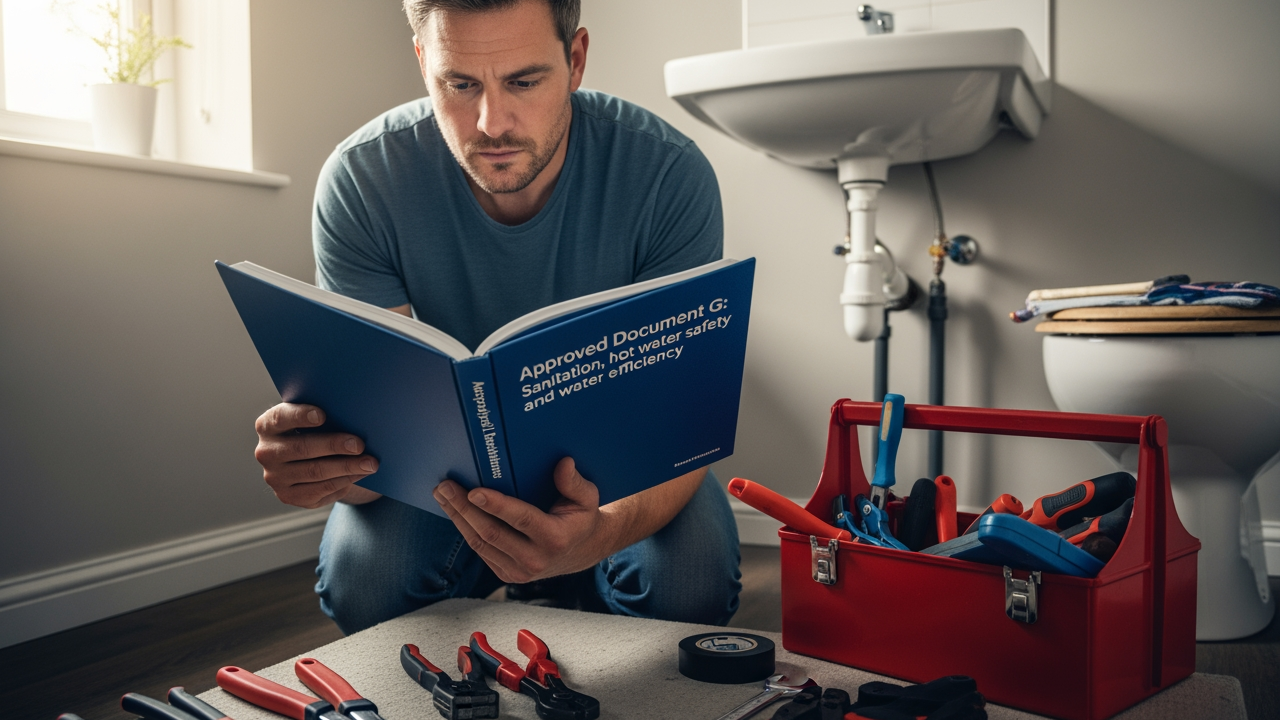
Understanding DIY plumbing regulations UK helps homeowners save money whilst staying within legal boundaries. Many property owners assume all plumbing work falls under professional-only requirements, yet numerous tasks remain perfectly legal for competent individuals to complete. However, specific regulations govern certain installations and modifications, with serious consequences for non-compliance, including fines, invalidated insurance, and dangerous safety risks.
The legal framework surrounding DIY plumbing in the UK divides work into categories based on complexity and safety implications. Simple maintenance tasks like replacing tap washers or unblocking drains require no special permissions. More significant installations involving gas, water supply alterations, or drainage modifications trigger notification requirements and inspections. Misunderstanding these distinctions leads homeowners into expensive mistakes - either paying professionals unnecessarily or facing penalties for unauthorised work.
This comprehensive guide clarifies exactly which plumbing tasks homeowners can legally tackle themselves, what work requires notification, and when professional involvement becomes mandatory. Understanding these boundaries protects your property, family, and finances whilst maximizing legitimate DIY opportunities.
The Legal Framework: Building Regulations and Water Regulations
Two primary regulatory frameworks govern plumbing work in the UK: Building Regulations and Water Supply (Water Fittings) Regulations. Building Regulations ensure structural safety and proper installation standards through Part G (sanitation and hot water safety) and Part H (drainage and waste disposal). These regulations specify when work requires building control notification and inspection.
Water Supply Regulations prevent contamination of public water supplies and waste of water resources. Water companies or local authorities enforce these regulations, focusing on backflow prevention, pipe sizing, and proper installation methods. Certain plumbing modifications require advance notification to your water supplier, typically five working days before starting work.
Understanding which regulatory framework applies to specific tasks guides compliance decisions. Some projects trigger both Building Regulations and Water Regulations requirements, necessitating multiple notifications and inspections.
Gas Work: The Absolute Professional-Only Category
Gas installations and repairs represent the strictest category within DIY plumbing regulations UK. The Gas Safety (Installation and Use) Regulations 1998 make it illegal for anyone except Gas Safe-registered engineers to work on gas appliances, fittings, or pipework. This prohibition extends beyond installations to include repairs, modifications, and maintenance of gas systems.
The legal definition of gas work encompasses remarkably broad activities. Disconnecting a gas cooker to clean behind it, replacing gas fire components, or adjusting gas boiler controls all constitute gas work requiring professional involvement. Even property owners cannot legally work on their own gas systems, regardless of competence or qualifications, unless specifically Gas Safe registered.
Penalties for illegal gas work include unlimited fines and up to six months' imprisonment. Insurance companies routinely refuse claims for damage or injuries resulting from unauthorised gas work. Carbon monoxide poisoning from poorly installed or maintained gas appliances kills approximately 50 people annually in the UK - a sobering reminder of why these regulations exist.
If your heating system requires attention, quality boiler spares combined with a Gas Safe registered installation ensure safety and legal compliance. Never attempt gas work yourself, regardless of apparent simplicity.
Water Supply Modifications: Notification Requirements
Installing new water fittings or significantly modifying existing supply systems requires notification to your water supplier under the Water Supply Regulations. Notifiable work includes installing bidets, outside taps, garden irrigation systems, water softeners, and additional sanitary appliances. The notification allows water companies to verify installations meet contamination prevention standards.
Some water suppliers operate self-certification schemes, allowing approved installers to certify their own work rather than requiring inspection. Homeowners performing DIY work typically cannot access these schemes, necessitating formal notification and inspection processes. Failure to notify can result in fines up to £1,000 and requirements to remove or modify non-compliant installations.
Simple like-for-like replacements generally avoid notification requirements. Replacing a broken toilet with a new one of similar design, changing taps, or fitting new tap washers don't require notification. However, adding new appliances or substantially altering water supply arrangements triggers notification obligations.
Drainage Work: Understanding Notifiable and Non-Notifiable Tasks
Building Regulations Part H governs drainage work, distinguishing between notifiable and exempt installations. Notifiable drainage work includes installing new drains, drainage alterations affecting Building Regulations compliance, and modifications to shared drainage systems. These projects require building control notification and inspection to verify proper installation.
Non-notifiable drainage work encompasses repairs to existing systems, replacing damaged pipes on a like-for-like basis, and unblocking drains. Homeowners can legally clear blockages, replace broken drain pipes, and maintain existing drainage systems without notification. However, installing additional toilets, bathrooms, or extending drainage systems triggers notification requirements.
Shared drainage systems connecting multiple properties introduce additional complexity. Work affecting shared drains may require neighbour consent and formal agreements. Building control officers verify proper pipe falls, appropriate materials, and correct installation methods during inspections of notifiable work.
Hot Water Systems and Unvented Cylinders
Unvented hot water systems contain water under mains pressure, creating potential safety risks from excessive pressure or temperature. Building Regulations require competent person scheme membership for installing, commissioning, or modifying unvented cylinders. These schemes ensure that installers possess the necessary training and knowledge for safe installation.
Homeowners cannot legally install unvented cylinders themselves unless registered with an appropriate competent person scheme, practically requiring professional involvement. Pressure relief valves and other safety components require correct installation and testing by qualified individuals to prevent dangerous pressure buildup.
Traditional vented cylinders with header tanks fall outside these restrictions. Homeowners can legally replace vented cylinders, though complexity makes professional installation advisable. Understanding your system type determines legal DIY possibilities - consult a plumber if uncertain about cylinder configuration.
Electrical Considerations in Plumbing Work
Plumbing projects frequently involve electrical connections, introducing additional regulatory requirements. Part P of the Building Regulations governs electrical installation safety, restricting certain electrical work to qualified electricians or competent person scheme members.
Bathrooms and shower rooms create particularly stringent requirements due to the proximity of water and electricity. Installing new electrical circuits in bathrooms, adding electric showers, or significantly modifying bathroom electrics requires building control notification or competent person certification. Simple like-for-like replacements of existing electrical fittings may proceed without notification if completed competently.
Bonding requirements ensure that metal pipes and fittings connect electrically to prevent dangerous potential differences. Modifying plumbing systems may affect existing bonding arrangements, potentially creating electrical safety hazards. Understanding these interactions prevents dangerous mistakes when combining plumbing and electrical work.
Permitted DIY Plumbing Tasks: What You Can Legally Do
Numerous plumbing maintenance and repair tasks remain fully legal for competent homeowners. These permitted activities save significant money without regulatory complications:
Tap and Valve Maintenance: Replacing tap washers, servicing dripping taps, and maintaining isolation valves constitutes routine maintenance requiring no notifications. Replacing entire taps on existing installations also remains legal, provided new taps connect to existing supply pipes without modifications.
Toilet Repairs and Replacements: Replacing toilet seats, repairing cisterns, adjusting float valves, and replacing complete toilets on existing waste connections proceed without notification. Installing additional toilets or relocating existing ones triggers Building Regulations notification.
Radiator Maintenance: Bleeding radiators, replacing radiator valves, and changing radiators on existing heating systems avoid regulatory requirements. However, work involving gas boilers or sealed system modifications requires professional involvement.
Blockage Clearing: Unblocking sinks, toilets, showers, and external drains represents straightforward maintenance requiring no permissions. Using drain rods, plungers, or chemical cleaners proceeds freely.
Pipe Repairs: Repairing leaking pipes, replacing damaged sections, and fixing compression fittings constitutes maintenance work. Installing new pipe runs or substantially modifying existing pipework may trigger notification requirements depending on the scope and location.
The Competent Person Scheme Alternative
Competent Person Schemes provide an alternative to building control notification for certain work types. Scheme members self-certify compliance with Building Regulations, eliminating separate building control involvement. Schemes operate for plumbing, heating, electrical work, and other building trades.
Homeowners cannot typically join these schemes, which require demonstrable competence, insurance, and ongoing training. However, the hiring of competent persons scheme members streamlines projects by eliminating separate building control fees and inspections. Installers provide certificates confirming regulation compliance upon completion.
Verifying an installer's competent person scheme membership protects against cowboy traders claiming false credentials. Legitimate schemes maintain public registers allowing verification before engaging contractors. This due diligence ensures work meets legal standards whilst avoiding building control complications.
Consequences of Non-Compliant DIY Work
Completing notifiable work without required permissions creates several serious consequences. Building control departments can serve enforcement notices requiring remedial work or removal of non-compliant installations. Continued non-compliance risks prosecution, fines up to £5,000, plus costs of bringing work up to standard.
Property sales reveal non-compliant work during conveyancing searches. Solicitors require building regulation certificates for notifiable work completed after 2002. Missing certificates force either retrospective applications (if possible) or indemnity insurance purchases. Severe non-compliance may prevent sales entirely until rectified.
Insurance implications represent perhaps the most significant risk. Insurers routinely refuse claims for damage caused by or related to non-compliant work. A leak from an improperly installed bathroom could void entire home insurance policies, leaving homeowners liable for all damage costs. This financial exposure far exceeds any savings from avoiding proper procedures.
When to Call Professionals: Making Smart Decisions
Understanding legal DIY plumbing UK boundaries helps homeowners make informed decisions about tackling projects themselves versus hiring professionals. Competence assessment should consider both legal permissions and practical capabilities. Legal permission doesn't guarantee successful execution - complex work may exceed DIY skills despite falling outside notification requirements.
Professional involvement provides several advantages beyond regulatory compliance. Experienced plumbers complete work faster, possess specialized tools, and guarantee their workmanship. They navigate regulatory requirements efficiently and provide necessary certifications. For complex projects, professional costs often represent good value considering time, tool investments, and risk mitigation.
Establishing relationships with reliable plumbers before emergencies arise ensures prompt service when urgent issues develop. Quality professionals provide advice, helping homeowners understand which tasks suit DIY approaches versus requiring expert involvement.
Oil Heating Systems: Additional Considerations
Oil-fired heating systems introduce specific regulatory requirements under Building Regulations and environmental legislation. Oil storage tanks require bunding or secondary containment in many circumstances. Installing or replacing oil tanks triggers building control notification and environmental permit requirements.
Work on oil burners and boiler components requires appropriate competence, though not specifically Gas Safe registration (which applies only to gas work). Oil burners and associated components need proper installation for safe, efficient operation. Many oil heating engineers hold OFTEC registration, demonstrating competence in oil system work.
Fire valves provide essential safety functions in oil heating systems, automatically shutting off oil supply during emergencies. These critical safety components require correct installation and periodic testing. Understanding oil system regulations prevents dangerous mistakes whilst maintaining heating reliability.
Staying Current with Evolving Regulations
Building Regulations and associated plumbing standards evolve periodically, introducing new requirements and modifying existing rules. Staying current with these changes ensures ongoing compliance when planning DIY projects. The UK government's planning portal provides updated guidance on Building Regulations, including plumbing-related requirements.
Professional trade associations publish guidance documents interpreting regulations for practical application. While aimed primarily at trade professionals, these resources help homeowners understand requirements affecting DIY work. Local building control departments answer questions about specific projects, clarifying whether proposed work requires notification.
Changes to water efficiency requirements increasingly affect new installations. Water Regulations evolve to promote conservation and reduce waste. New fittings must meet current water efficiency standards, potentially affecting replacement choices for older installations.
Practical Steps for Compliant DIY Plumbing
Planning compliant DIY plumbing projects requires a systematic approach, ensuring legal compliance and successful execution. Begin by clearly defining your project scope and researching applicable regulations. Determine whether work triggers notification requirements under Building Regulations, Water Regulations, or both.
Contact relevant authorities early in the planning stages. Building control departments and water suppliers provide guidance about notification procedures and inspection requirements. Early engagement prevents starting work only to discover that the notification should have preceded commencement.
Document your project thoroughly, photographing before, during, and after stages. This documentation proves valuable if questions arise about work quality or compliance. Retain receipts for materials and any professional services, building a complete project record.
For projects approaching notification thresholds, consider whether slight modifications might eliminate notification requirements or whether professional involvement simplifies compliance. Sometimes, redesigning projects to avoid regulatory complications proves more practical than navigating notification processes.
Building Your DIY Plumbing Knowledge
Developing plumbing competence requires studying proper techniques, understanding material properties, and practicing essential skills. Numerous resources support DIY plumbers, from online tutorials to practical handbooks. However, theoretical knowledge doesn't automatically translate into practical competence - some tasks require hands-on experience developed gradually.
Start with simple projects, building skills progressively. Successfully replacing tap washers and clearing blockages builds confidence for more complex work. Understanding when projects exceed current capabilities prevents expensive mistakes requiring professional remediation.
Investment in quality tools supports successful DIY plumbing. Professional-grade tools operate more reliably than cheap alternatives, making work easier whilst producing better results. Worcester Bosch spares and genuine manufacturer components ensure repairs meet original specifications rather than compromising with inferior alternatives.
Heating and Plumbing World supports DIY enthusiasts and professionals alike with comprehensive component ranges and expert advice. Understanding DIY plumbing regulations UK and legal DIY plumbing UK requirements empowers homeowners to maximize legitimate DIY opportunities whilst knowing when professional expertise becomes necessary. Whether tackling permitted maintenance yourself or preparing for professional installations, informed decision-making protects your property and family. For guidance on your specific project or quality components for legal DIY work, contact us for expert support tailored to UK regulations and best practices.