

Thermostatic Mixing Valves for Elderly Care: Safety and Regulation
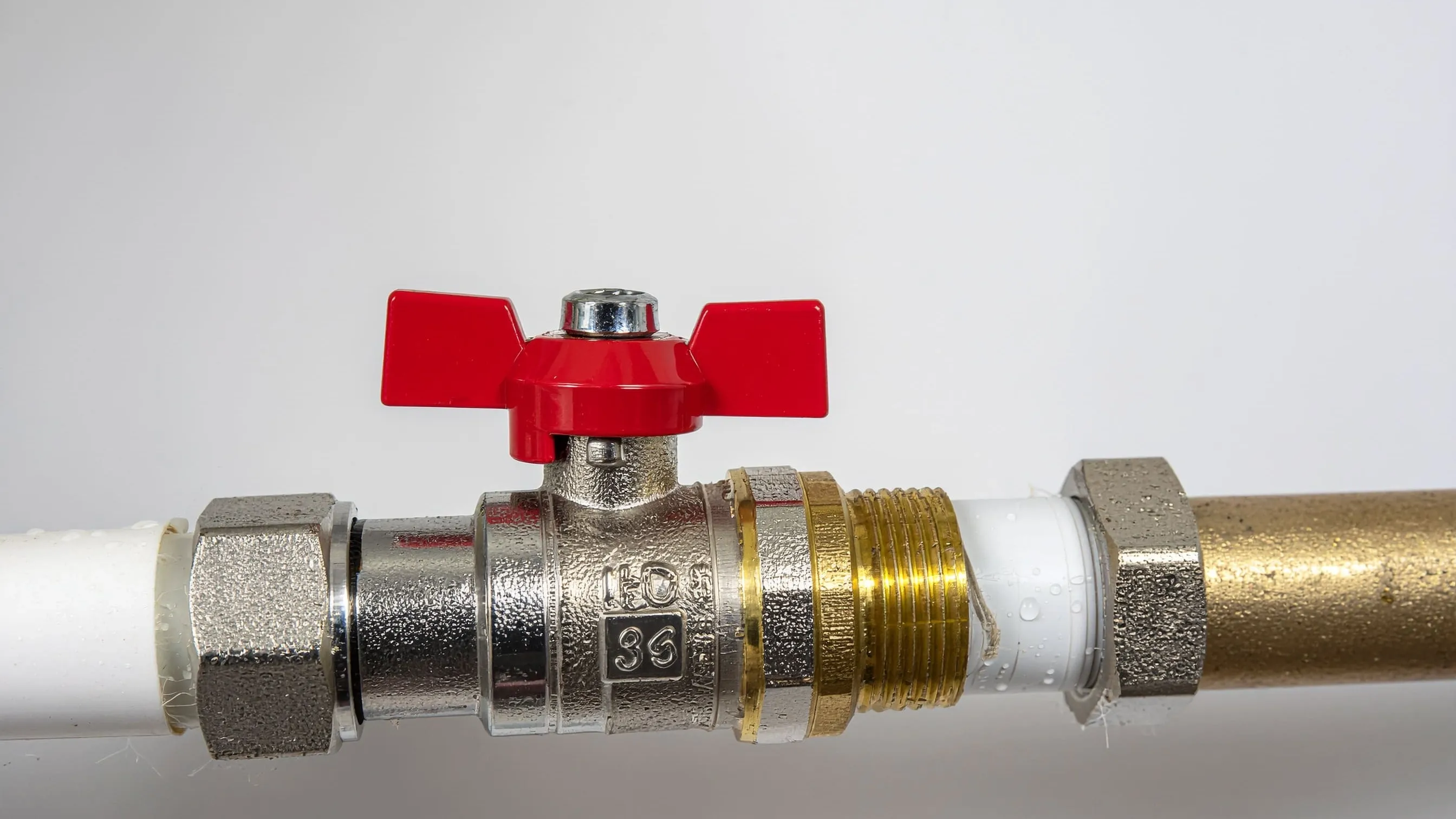
Installing water systems in an elderly care home is a massive responsibility for any commercial plumbing contractor. You aren't just plumbing a standard domestic washbasin for everyday use. You are actively protecting highly vulnerable individuals from severe and potentially fatal thermal burns. As human skin ages, it becomes significantly thinner and completely loses its natural sensitivity to extreme heat.
An elderly resident might not react quickly enough to pull their hands away if the water suddenly spikes in temperature. This severe physical vulnerability is exactly why strict medical guidelines govern hot water delivery in all residential care environments. You must follow regulations like Building Regulations Part G and the specific healthcare technical memorandums without any exception.
Understanding the internal mechanics, the strict legal regulations, and the specific installation rules for these critical safety devices is absolutely mandatory. Proper commercial thermostatic mixing valves guarantee that vulnerable residents can wash their hands safely without ever facing the risk of a severe scalding injury.
Understanding TMV3 Standards in Care Environments
When working in healthcare or elderly care, you simply can't use standard domestic retail equipment. You must install robust hardware that perfectly meets strict tmv3 approval requirements across the entire building. This specific scheme is a highly demanding performance standard created exclusively for the healthcare and medical sectors.
It demands that the internal valve responds incredibly fast to any sudden changes in incoming water pressure or unexpected temperature spikes. The dedicated team at Heating and Plumbing World consistently provides the certified commercial hardware required to pass these rigorous safety audits. If you use uncertified equipment, the facility will instantly fail its compliance inspection.
To maintain these critical tmv3 approval requirements, the maximum blended water temperature at a clinical washbasin must never exceed 41 degrees Celsius. If you set the output temperature any higher, you actively endanger the residents. You must also place the valves as close to the tap outlet as physically possible to prevent the creation of unblended hot water dead legs inside the walls.
The Mechanics of a Reliable Valve
The heart of these brilliant safety devices relies on a simple but highly effective internal mechanical process. Inside the heavy brass body sits a highly specialised wax thermostatic element. When the incoming hot and cold water enters the central mixing chamber, it washes directly over this highly sensitive component.
Think of a wax thermostatic element exactly like the cruise control system in a modern car. Just as cruise control automatically adjusts the engine throttle to maintain your exact speed on steep hills, the wax component physically expands and contracts to adjust the water flow. If someone flushes a nearby toilet and the cold water pressure suddenly plummets, the internal wax reacts instantly.
It expands rapidly to restrict the hot water port, maintaining precise hot water blending accuracy at the washbasin spout. This continuous, split-second physical adjustment guarantees reliable hot water blending accuracy even during the busiest morning routines in a packed care home.
The most critical feature of this mechanism is the complete fail-safe shutdown response. If the cold water supply fails entirely, the valve physically shuts off the hot water flow in less than two seconds. To protect these delicate internal parts, always select premium heating plumbing supplies that include serviceable check valves and fine mesh strainers on both inlets.
Balancing Thermal Disinfection and Scald Prevention
Plumbers working in care environments face a highly difficult balancing act between two entirely distinct dangers. You must protect the frail residents from scalding, but you also need to protect them from deadly Legionella bacteria. To comply with strict HSE ACOP L8 guidelines and successfully kill harmful bacteria, you must execute a rigorous thermal disinfection process across the network.
This mandatory thermal disinfection process requires the main plant room to heat and store water at a minimum of 60 degrees Celsius continuously. Storing water at this extreme high temperature is incredibly dangerous if delivered directly to a resident's basin. The safety valve brilliantly bridges the gap between this high-temperature storage and the safe, comfortable delivery point in the bathroom.
When configuring the primary hot water storage system, you must ensure it actually has the capacity to maintain these high temperatures consistently. A system that drops to 45 degrees Celsius during peak demand actively creates the perfect breeding ground for highly dangerous waterborne bacteria.
Managing Plant Room Temperatures
A robust thermal disinfection routine relies entirely on a highly stable heat source that doesn't wildly fluctuate throughout the day. You can't achieve this level of consistency without specifying the exact right equipment in the boiler room. Facility managers must constantly guarantee the water leaving the primary cylinders is hot enough to remain perfectly sterile.
To achieve this, you must install a highly reliable temperature control system in the plant room to monitor the outgoing feed 24/7. This digital oversight ensures the baseline water sterility is perfectly established before the water ever travels down the pipes to reach the localised mixing valves.
If the primary boiler starts short-cycling or struggling to hit its target temperature, the digital system flags the error immediately. Fixing plant room temperature issues early prevents the entire building's water network from becoming dangerously contaminated.
Pipework Integration and System Components
When routing the primary hot and cold feeds to the individual care rooms, choosing the right material is absolutely vital. You must carefully minimise dead legs in the pipework because stagnant water pockets are the primary breeding grounds for Legionella. Modern water pipe systems offer excellent thermal properties and can easily withstand the aggressive high temperatures required for regular system pasteurisation.
You must ensure all exposed pipework is heavily insulated to minimise heat loss and prevent accidental contact burns if a resident touches the pipe. Every single concealed connection must be perfectly secure because repairing leaks behind care home walls causes massive disruption to the residents.
On a large care home retrofit last year, a contractor tried to save a few pounds by installing standard domestic valves instead of certified commercial ones. When the inspector physically checked the fail-safe response times during a routine audit, every single basin failed the medical standard. The contractor had to drain the entire wing and replace fifty units over a weekend at their own massive expense. It was a costly lesson in following the exact regulations.
Testing and Ongoing Maintenance Protocols
A legally compliant installation definitely doesn't end the moment you turn the mains water back on. You must commission every single valve individually using a highly calibrated digital thermometer.
During commissioning, you must accurately record these critical metrics:
- The exact hot and cold incoming water temperatures.
- The final blended delivery temperature at the spout.
- The specific fail-safe shut-off time in seconds.
To manage this complex data across a massive care facility, many modern managers rely on advanced digital software. Maintenance staff can easily use a dedicated heating control app on their smartphones to log their mandatory annual audits perfectly.
You must physically test the fail-safe mechanism of every single valve at least once a year by isolating the cold supply and timing the hot water shut-off. If a valve takes longer than two seconds to stop the flow, you must strip it down, descale the internal components, and completely re-commission it from scratch.
Conclusion
Installing high-quality thermostatic mixing valves is a fundamental life-safety requirement in any modern elderly care facility. By deeply understanding the strict medical regulations and the exact mechanical operation of these components, you ensure the absolute safety of every single resident. You completely eliminate the risk of severe burns while successfully managing the threat of bacterial growth.
Never compromise on your physical testing protocols or component quality when working with highly vulnerable users. If you need dedicated assistance selecting fully certified commercial valves for an upcoming care home project, please get expert advice from our dedicated technical support team. We possess the exact practical knowledge required to help you build a highly compliant, perfectly safe medical water network.