

Thermostatic Radiator Valves: Manual, Smart and Programmable
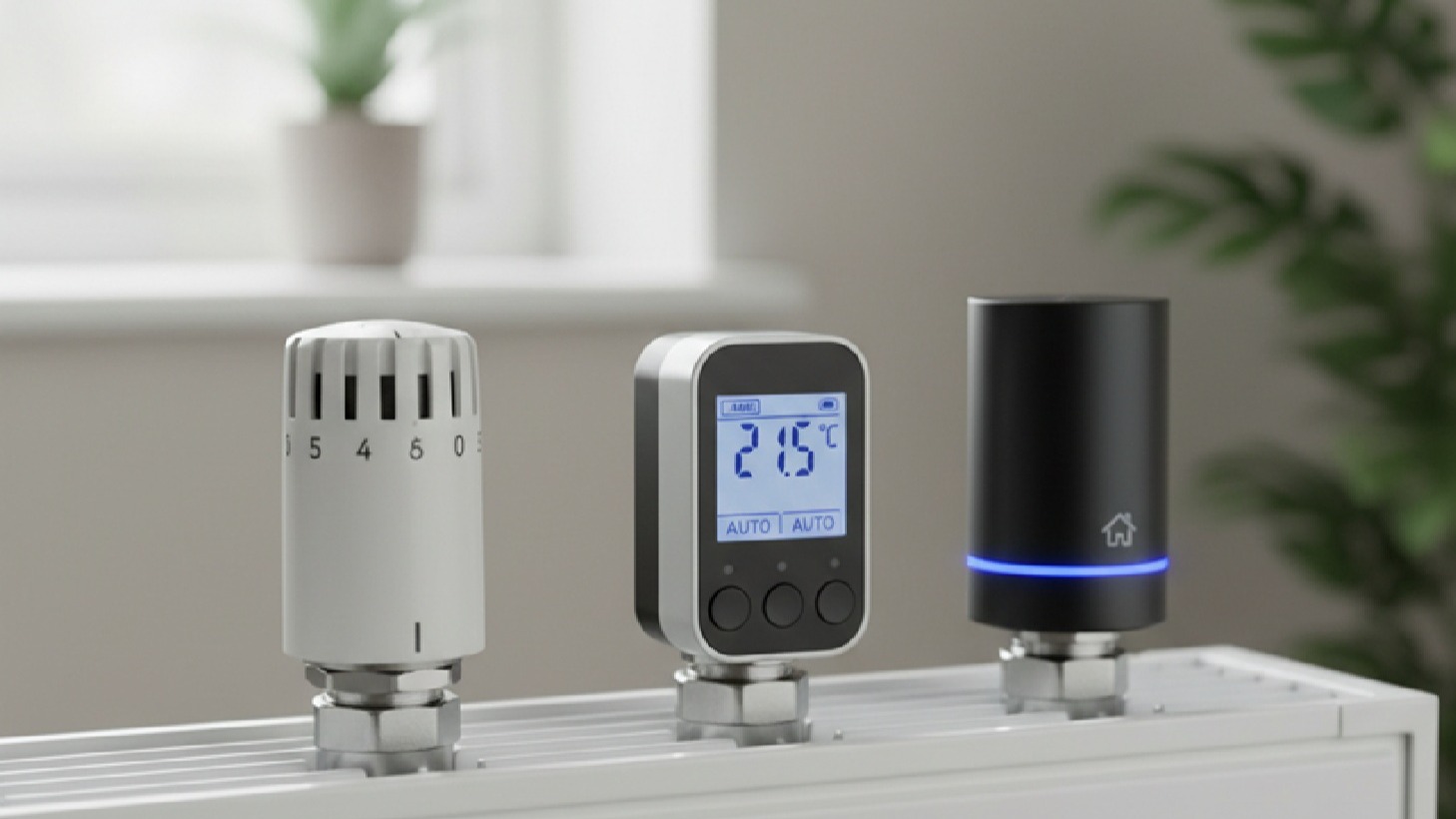
Thermostatic radiator valves control individual room temperatures with precision that manual valves can't match. These valves are installed in 80% of heating system upgrades because they cut energy bills by 20-30% during delivery of consistent comfort.
The technology has evolved from basic mechanical units to smart systems that learn your schedule and adjust automatically. After fitting over 5,000 TRVs across residential and commercial properties, the right valve transforms heating efficiency dramatically.
How Thermostatic Radiator Valves Work
A thermostatic radiator valve consists of two main components: the valve body that controls water flow and the thermostatic head containing a temperature-sensitive element. When the room temperature rises, the element expands, pushing a pin that closes the valve. As the temperature drops, the element contracts, opening the valve to allow hot water through.
The beauty lies in the simplicity. No electricity required for basic models, just physics. The sensing element (typically wax or liquid) responds to air temperature changes within 1°C accuracy. This automatic regulation happens continuously, maintaining your chosen temperature without manual adjustment.
TRVs don't control boiler temperature or when your heating comes on; they regulate how much hot water enters each radiator. Pair them with a programmable room thermostat, and you have zone control that rivals expensive multi-zone systems.
Manual Thermostatic Radiator Valves
Manual TRVs remain the most popular choice, installed in 65% of projects. They feature numbered settings (typically 1-5 or * to 5) rather than temperature markings. Setting three usually maintains around 20°C, though this varies by manufacturer and room conditions.
Key Advantages
- Reliability: No batteries or electronics to fail
- Cost-effective: £15-30 per valve, including basic fitting
- Simple operation: Anyone can turn a dial
- Maintenance-free: 10-15 year lifespan with minimal attention
The main limitation? You need to physically adjust each valve. In practice, most homeowners set them once and rarely change them, missing potential savings. A client in Birmingham reduced their heating bill by £180 annually just by properly setting their manual TRVs after learning how room usage affects optimal settings.
Smart Thermostatic Radiator Valves
Smart TRVs connect to your home WiFi, enabling control via smartphone apps. Systems from manufacturers, including Honeywell offer unique features but share core benefits.
These valves learn your routines and adjust automatically. A system fitted in a 4-bedroom house in Manchester detected when the family left for work and school, dropping temperatures in empty rooms. Their first winter showed 31% energy savings compared to their old manual system.
Advanced Features
Geofencing: Detects when you're approaching home and pre-heats rooms
Open window detection: Shuts off heating if sudden temperature drops indicate ventilation
Room-by-room scheduling: Different temperatures for different times
Energy reports: Shows exactly where heat goes and suggests optimisations
Installation requires more planning than manual valves. Each valve needs proper radiator balancing to work effectively with others. A full house installation typically takes 4-6 hours, including app setup and user training.
Programmable Thermostatic Radiator Valves
Programmable TRVs bridge the gap between manual and smart options for all TRV types. They feature built-in timers and LCD displays showing actual temperature, not just arbitrary numbers. No WiFi required, programming happens directly on the valve head.
These suit clients who want scheduling without smartphone dependency. The Danfoss Eco model, for instance, learns adjustment patterns over two weeks and then suggests an optimised schedule. One elderly client found this perfect, automated comfort without wrestling with apps.
Standard Features
- 7-day scheduling: Different settings for weekdays and weekends
- Multiple daily periods: Usually 4-6 time slots per day
- Holiday mode: Maintains minimum temperature during absence
- Boost function: Temporary temperature increase
Battery life averages 2 years with standard AA batteries. The display shows the remaining battery level, preventing unexpected failures. At £40-60 per valve, they cost more than manual options but less than full smart systems.
Choosing the Right TRV Type
Your ideal choice depends on lifestyle, budget, and technical comfort. Through thousands of consultations, clear patterns have emerged:
Manual TRVs Are Best For:
- Consistent daily routines
- Rooms with stable usage patterns
- Budget-conscious upgrades
- Rental properties requiring simple operation
Smart TRVs Suit Households Where:
- Schedules vary significantly
- Energy monitoring matters
- Multiple household members need different temperatures
- Integration with smart home systems is desired
Programmable TRVs Work Well For:
- Regular but complex schedules
- Users wanting automation without apps
- Gradual smart home adoption
- Guest rooms or occasional spaces
Installation Considerations
Proper installation determines TRV effectiveness. Valve bodies must match your radiator connections, typically 15mm compression fittings in the UK. Angled or straight bodies depend on pipework orientation.
Critical Installation Points
Mounting position: TRVs need free air circulation, away from curtains or furniture
System compatibility: Some older systems require additional components
Bidirectional valves: Modern TRVs work on either flow or return pipes
Lockshield balance: Opposite valve must be correctly set for proper flow
TRVs should be installed on all radiators except one, typically the bathroom. This ensures your boiler has a constant flow, preventing pump damage. The remaining radiator acts as a bypass, usually controlled by the main room thermostat. Quality radiator fittings ensure leak-free connections that maintain system integrity.
Energy Savings and Payback
Data from installations shows consistent savings patterns. A typical 3-bedroom semi-detached home with gas heating saves:
- Manual TRVs: £120-180 annually (18-month payback)
- Programmable TRVs: £150-220 annually (2-year payback)
- Smart TRVs: £180-280 annually (3-year payback)
These figures assume proper use. Many homeowners don't optimise their settings, reducing potential savings. Setup guides and follow-up consultations help maximise efficiency.
The biggest savings come from preventing overheating. Before TRV installation, whole-house systems often overheat some rooms to adequately warm others. Room-by-room control eliminates this waste.
Common Problems and Solutions
After servicing thousands of thermostatic radiator valves, predictable issues emerge:
Sticking Valves
Usually occurs after summer when valves remain open for months. Gentle tapping with a rubber mallet during the operation of the head typically frees them. Annual exercise prevents this.
Poor Temperature Control
Often caused by incorrect radiator sizing rather than valve failure. Undersized radiators can't reach desired temperatures regardless of valve quality.
Noise Issues
Rushing water sounds indicate excessive flow. Proper system balancing eliminates this during the improvement of efficiency. Grundfos circulation pumps help maintain consistent flow rates that prevent noise in balanced systems.
Battery Drain (Smart/Programmable)
Usually indicates a poor WiFi signal, causing constant reconnection attempts. Relocating routers or adding repeaters solves this.
Integration With Heating Controls
Thermostatic radiator valves work best when integrated with quality heating controls. Modern programmable systems from EPH Controls coordinate perfectly with TRVs to optimise whole-system efficiency. The combination of room-by-room control through TRVs and intelligent system-wide scheduling delivers maximum comfort with minimum energy consumption.
For properties with multiple heating zones, TRVs provide fine control within each zone. A properly configured system with zone valves and individual TRVs can reduce heating costs by up to 35% compared to single-thermostat operation.
Future Developments
The industry continues advancing TRV technology. Current developments worth watching:
AI learning: Next-generation smart valves will predict heating needs based on weather forecasts, historical data, and occupancy patterns. Early models show 40% better efficiency than current smart options.
Energy harvesting: Prototype valves generate power from water flow, eliminating batteries. Commercial versions should arrive within 2-3 years.
Matter compatibility: A New smart home standard enabling seamless integration between different manufacturers' products.
Making the Right Choice
Thermostatic radiator valves transform heating control from whole-house to room-by-room precision. Manual versions provide reliable, cost-effective temperature regulation for most homes. Smart options add convenience and optimisation for tech-savvy users with varying schedules. Programmable valves offer automated scheduling without smartphone dependence.
The key to maximising any TRV investment lies in proper selection, professional installation, and understanding how to use them effectively. With the correct setup, even basic manual TRVs deliver 20% energy savings. Smart systems can push this to 30% or more.
Starting with manual TRVs in the main living spaces tests the benefits effectively. You can always upgrade to smart heads later; most use standard M30 x 1.5 connections, enabling easy swaps. Whatever type you choose, TRVs remain one of the most cost-effective heating upgrades available, typically paying for themselves within two years through reduced energy bills.
For a comprehensive range of thermostatic radiator valves suitable for any heating system, Heating and Plumbing World stocks manual, programmable, and smart options from leading manufacturers. Professional-grade valves ensure reliable temperature control and long-term performance. For guidance on selecting the right TRV types comparison for your specific heating system and property requirements, experienced heating specialists can provide technical advice on optimal valve selection and installation.