

Tips for Consistent Water Temperature in Large Homes
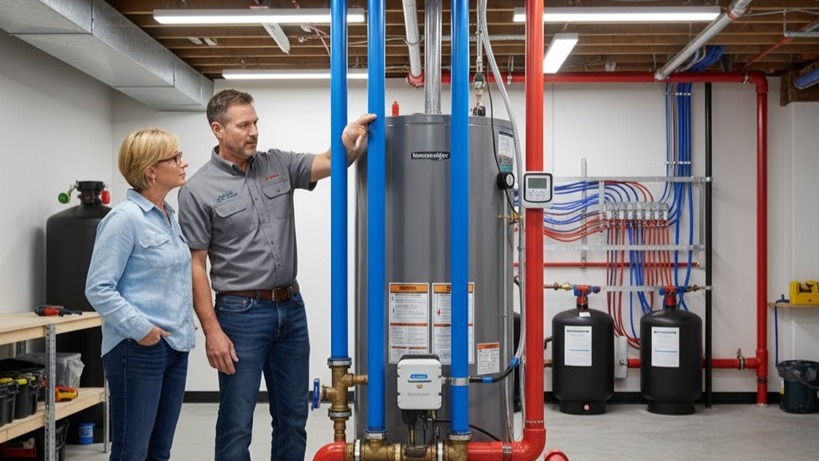
Achieving reliable warmth at every tap in a sprawling family house can feel like chasing a mirage. One minute you're enjoying a piping-hot shower in the master ensuite; the next, someone downstairs runs the washing machine and you're left shivering under a trickle of lukewarm water. For true large home hot water consistency, you need a blend of smart tweaks, robust equipment and regular upkeep. In this guide, courtesy of Heating and Plumbing World, you'll find practical tips, from quick DIY fixes to installing a hot water recirculation pump, plus pointers to expert services and trusted brand partners.
Understanding the Challenges of Hot Water Delivery in Spacious Properties
When your home grows beyond two bedrooms, plumbing complexity multiplies. Long pipe runs, multiple outlets, and peak-time demand surges all conspire to rob you of steady warmth.
Demand Surges and Simultaneous Draw-Offs
In a household of five, it's common to have showers, taps, dishwashers and washing machines all running within minutes of each other. That sudden spike in hot-water usage quickly drains your cylinder or overloads a combi-boiler, causing temperatures to dive.
Many families experience this frustration during morning routines, when multiple household members compete for hot water simultaneously, highlighting the importance of proper system sizing and large home hot water consistency planning.
Heat Loss in Lengthy Pipe Runs
Every metre of copper or plastic pipe between your cylinder and the tap radiates heat into walls, lofts or underfloor spaces. Without proper lagging, hot water arriving at the far end of the house can lose several degrees en route.
Understanding System Types and Their Limitations
Gravity-fed systems (with header tanks in the loft) operate at low pressure, making them most vulnerable to demand shifts.
Unvented mains-pressure cylinders deliver stronger, more consistent flow, but still suffer from heat loss and demand peaks.
Combination boilers heat on demand and need careful sizing; they struggle to maintain temperature when two showers run simultaneously.
Knowing which setup you have helps you choose the right remedies.
The Role of Cylinder Stratification
Tall cylinders often see super-hot water rising to the top while lower layers remain cooler. If your draw-off tap sits below the hottest zone, you'll tap into the colder water first - another subtle cause of inconsistency.
Simple DIY Hacks to Improve Temperature Stability
Before investing in major upgrades, try these quick wins. Often, a few hours of pipe lagging or a thermostat tweak go a long way.
Checking and Calibrating Your Cylinder Thermostat
Your cylinder thermostat should store water at least 60°C to kill bacteria and maintain warmth under load. Brands like Gledhill and Andrews supply reliable stats:
- Locate the stat on your cylinder, often a dial or digital display.
- Confirm the setting reads around 60°C.
- Re-calibrate if readings are significantly off; professional servicing teams can recalibrate or replace faulty stats.
A well-set thermostat is the foundation of large home hot water consistency.
Insulating Exposed Pipework to Combat Heat Leakage
Addressing pipe insulation problems is one of the easiest ways to keep water hot for longer:
- Wrap all exposed hot-water runs with 9 mm-13 mm neoprene sleeves from Polypipe.
- Don't forget the loft, under-sink and garage pipework.
- You'll be surprised how many degrees you recover at the tap.
Flushing Under-Used Outlets to Prevent Stagnation
Cold water left standing in dead-end branches cools quickly, then mixes with hot and drags down the overall temperature:
- Weekly flush: Turn on showerheads, garden taps or seldom-used basins for a minute or two.
- Trim or cap permanently unused branches to eliminate deadlegs altogether.
Moving water fights both stagnation and heat loss.
Balancing Flow with Thermostatic Mixing Valves
Fitting a thermostatic mixing valve (TMV) at each shower or basin delivers a locked-in temperature, typically 38°C for showers, even if pressure dips elsewhere:
- Rapid-response cartridges from Honeywell or Danfoss adjust the hot-cold blend in milliseconds.
- Built-in anti-scald shut-off protects users if the cold supply fails.
TMVs are a simple upgrade that pays off in reliable warmth and safety.
Harnessing Technology: Hot Water Recirculation Pumps and Smart Controls
When DIY measures aren't enough, technology steps in to deliver instant warmth and continuous circulation.
How a Hot Water Recirculation Pump Works
A hot water recirculation pump keeps hot water moving through a dedicated return loop, so every outlet sees warm water on demand:
- Warm water that cools in the pipes is pushed back to the cylinder.
- Fresh hot water replaces it, circulating constantly.
- Timers or thermostats control pump run times for maximum efficiency.
This system means you never waste water waiting for heat, and you enjoy a consistent home hot water supply at every tap.
Choosing the Right Recirculation Pump Model
Leading brands like Grundfos and Stuart-Turner offer pumps in a range of sizes:
- Compact under-sink units suit smaller zones or retrofit projects.
- Larger inline pumps handle full-house loops with multiple outlets.
- Professional installation teams will size and specify the right model for your plumbing layout and demand profile.
Integrating Smart Controls and Demand-Response Systems
For the ultimate in convenience and efficiency:
- Demand-activated sensors trigger the recirc pump only when an outlet is opened.
- Smart thermostats learn your usage patterns and adjust pump schedules accordingly, minimising energy use.
- App control puts on/off switching in your pocket, so you can warm up the remote wings of large homes before arrival.
Explore smart options and ask about full integration services.
Advanced System Upgrades for Bullet-Proof Performance
In very large properties, more sophisticated solutions ensure no corner of the house misses out on hot water.
Zoning Your Hot Water Circuits with Secondary Manifolds
Divide your home into distinct hot-water zones - ground floor, first floor or east/west wings - using a secondary manifold system:
- Install a dedicated pump and return loop for each zone.
- Fit Polypipe manifolds with isolation valves to balance flow to individual outlets.
- Control each zone independently, preventing a busy ensuite from robbing the kitchen.
Zoning mirrors the success of heating manifolds in underfloor heating or radiators, giving true large home hot water consistency.
Increasing Storage Capacity: Cylinder Upgrades and Additions
When demand routinely outstrips supply, nothing cures a shortage better than more stored volume:
- Upgrade to a larger cylinder: Gledhill 300 L and 350 L models suit families of five or more.
- Add a second cylinder in tandem or a compact buffer tank for specific zones, ideal for annexes or home gyms.
- Choose twin-coil cylinders if you also run solar or heat-pump circuits.
More hot-water storage buys you breathing room during peak times. For larger installations, consider pairing your cylinder upgrade with quality expansion vessels to maintain system pressure.
Pump Boosters and Pressure Enhancements
If low pressure exacerbates temperature dips, a dedicated booster pump solves both flow and warmth issues:
- Twin-impeller pumps from Grundfos or Stuart-Turner boost both hot and cold supplies equally.
- Inline booster units lift pressure at remote manifolds or high-level bathrooms.
- A well-sized pump keeps pressures balanced, supporting any thermostatic valves you've fitted.
Installing pressure relief valves alongside booster pumps ensures safe operation under increased system pressure.
Maintenance Practices to Sustain Optimal Performance
Even the best-engineered system needs regular attention to resist degradation and preserve large home hot water consistency.
Scheduling Annual Powerflush and Cylinder Descale
Scale and sludge accumulate in cylinders and pipework, acting as thermal insulation:
- Powerflush your system every 3-5 years using a professional kit.
- Cylinder descaling with specialist chemicals restores efficient heat transfer.
- Professional maintenance packages bundle these treatments for hassle-free upkeep.
When servicing heating systems, genuine boiler spares ensure reliable performance and longevity.
Servicing Pumps, Valves and Controls
Recirculation pumps: Check seals, motor pulses and timer accuracy annually.
Thermostatic valves: Remove and clean cartridges every 6-12 months to prevent sticking.
Cylinder stats and expansion vessels: Test pressure and recalibrate as needed.
A small annual investment in servicing prevents major discomfort later.
Monitoring Temperatures and Flow Rates
Fit simple thermometers at key outlets - kitchen sink, master ensuite, utility sink - and log readings quarterly. Noticing a gradual drop in temps or flow rates alerts you to emerging insulation failures, pump wear or cylinder issues before they escalate.
For properties with substantial storage requirements, water tanks provide reliable backup capacity for both hot and cold water systems.
Partnering with Heating and Plumbing World for Expert Solutions
Designing, installing and maintaining a robust hot-water system in a large home can be complex. A full suite of services covers every stage:
Comprehensive Surveys and System Design
- On-site flow-rate and heat-loss analysis
- Custom pipework layout drawings and zone mapping
- Recommendations for cylinder size, pump selection and controls
Professional Installation and Commissioning
- Cylinder, manifold, pump and TMV fitting
- Control wiring, timer and thermostat programming
- Full commissioning with certification for compliance
Ongoing Servicing and Support Plans
- Tailored maintenance schedules to suit your usage
- Annual power flushes, descales and part replacements
- Emergency call-outs for pressure or temperature failures
Bringing It All Together
Delivering flawless hot water in a large home isn't magic; it's the result of:
- Accurate thermostat calibration for a solid 60°C store.
- High-quality insulation to prevent heat loss.
- Elimination of deadlegs and promotion of circulation.
- Strategic upgrades like a hot water recirculation pump, zoning and extra storage.
- Regular maintenance keeps everything running at peak efficiency.
With these measures in place, you'll enjoy immediate, reliable warmth at every tap, so that tea is always hot, showers stay blissful and daily routines flow without temperature surprises. For expert advice, turnkey installation or a maintenance plan tailored to your home, contact us today. Here's to consistent comfort and no more chilly shocks throughout your entire home.