

Top 10 Best-Selling Boiler Spare Parts Every Engineer Stocks
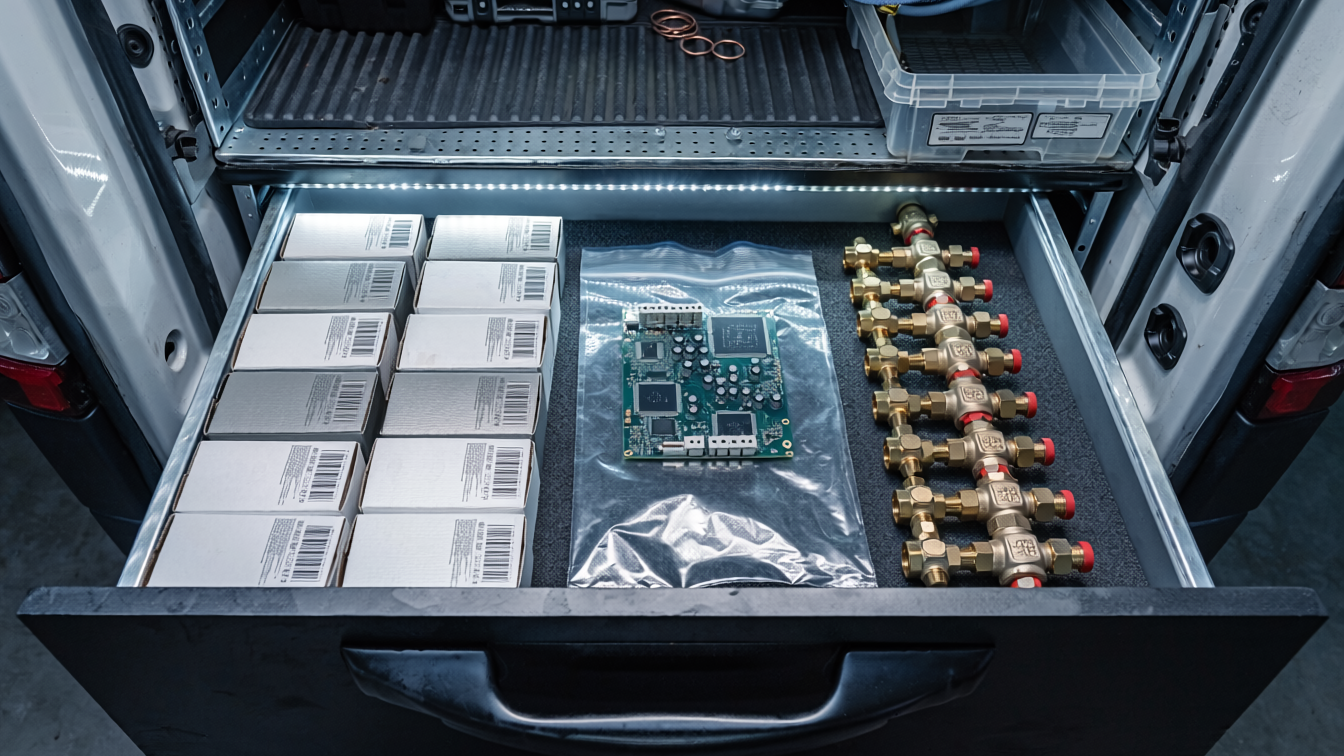
Walk into any experienced engineer's van and you'll find the same core spares tucked into the toolbox. These aren't random picks; they're the parts that fail most often, the components that keep callbacks at bay, and the bits that turn a two-visit nightmare into a single-trip fix. After years on the tools, you learn which spares earn their space and which gather dust.
The difference between a well-stocked van and a poorly prepared one often comes down to understanding failure patterns. Certain boiler components wear predictably, fail seasonally, or break during specific operations. Stocking the right spares means fewer trips to the merchant, happier customers, and a reputation for getting the job done first time. This isn't about hoarding every conceivable part; it's about strategic selection based on call-out frequency and the critical nature of the component.
The best boiler spare parts to stock are those that solve the most common problems across the widest range of systems, whilst being compact enough to justify the van space they occupy. Strategic planning ensures you aren't tied up in traffic when you could be finishing a billable job. It's about being prepared for the inevitable: the more you know about what breaks, the faster you can fix it.
Pressure Relief Valves
Every sealed heating system needs a safety valve, and they fail more often than most homeowners realise. Pressure relief valves (PRVs) stick, weep, or discharge completely when limescale builds up on the seat or when the system pressure runs too high for extended periods. A dripping PRV is one of the most common callouts you'll face, particularly in hard water areas. Expert suppliers like Heating and Plumbing World consistently provide these as high-turnover items.
These valves typically operate at 3 bar, though some commercial systems run higher. The universal 1/2" BSP thread means a single spare fits most domestic boilers from Halstead, Vaillant, and Worcester Bosch. You'll find that having a spare valve on hand for a standard combi boiler transforms what could be a return visit into a completed job. When a PRV fails during a service, you can't just leave it. The system won't be compliant and you're exposing the customer to potential safety issues.
Diverter Valve Actuators
Diverter valve actuators are the motorised heads that switch between heating and hot water on combi and system boilers. They're packed with small gears, a motor, and a microswitch: all components that wear with repeated cycling. The typical domestic system switches this valve dozens of times daily, and after five to seven years, mechanical wear or electrical failure becomes inevitable.
The beauty of stocking actuators is that they're often brand-specific but cover entire product ranges. Think of a boiler like a car; if the gearbox linkage fails, you aren't going anywhere, even if the engine is fine. The actuator is that vital link. Correctly diagnosing diverter valve problems early can save hours of diagnostic time on site. If you've got the part, you're done in thirty minutes.
Printed Circuit Boards (PCBs)
Printed circuit boards are the brains of modern boilers, and when they fail, the entire system stops. Printed circuit boards fail due to power surges, moisture ingress, or component degradation. The symptoms range from complete shutdown to intermittent lockouts that drive customers mad. If you specialise in a particular brand, keeping one or two of the most common PCBs makes commercial sense.
On a recent Christmas Eve, a customer's boiler suffered a total lockout due to a fried control board. Every local merchant was closed, but because the engineer kept a common replacement in the van, he restored heating and hot water within the hour. Without that stock, the family would've spent the holiday without heat. It's instances like this that prove why carrying stock for a suspected pcb fault boiler is a game-changer for your professional reputation.
Ignition Leads and Electrodes
Ignition leads and their associated electrodes are cheap, compact, and fail with predictable regularity. Carbon buildup on the electrode tip, cracks in the ceramic insulation, or degraded lead insulation all prevent reliable ignition. The boiler locks out, the customer panics, and you arrive to find a £15 part is the culprit. Swapping these out during a service for domestic water heating systems is often a pre-emptive win for the client.
Gas Valves
Gas valves regulate fuel flow to the burner, modulating output based on demand. They're robust, but they do fail, usually due to coil burnout, internal diaphragm failure, or contamination. When a gas valve fails, the boiler won't fire, or it fires erratically with unstable flames and lockouts. If you service a lot of specific models, having the common valve makes sense.
Pumps and Pump Heads
Heating system pumps fail due to seized bearings, worn impellers, or electrical faults. A failed pump means no circulation, no heat, and an urgent callout. Keeping common heating pumps or at least compatible pump heads in your inventory handles most seized pump callouts without a second visit. A Grundfos UPS2 or a Wilo Yonos PICO covers a huge range of domestic systems.
Thermocouples and Flame Sensing Devices
Older boilers and many water heaters use thermocouples to prove flame presence. These bimetallic devices are cheap, compact, and near-universal. A selection of common lengths and thread types covers most non-condensing boilers and gas fires. They're also a common upsell during a service; if the thermocouple is marginal, replace it to avoid a callback later in the season.
Expansion Vessels
Expansion vessels absorb the increase in system volume as water heats and expands. When the internal diaphragm fails or the pre-charge pressure is lost, the system pressure fluctuates wildly. Stocking a compatible expansion vessel in common sizes means you can replace a failed unit on the spot. This is much more efficient than trying to repressurise a unit that is clearly past its best.
Seals and O-rings
Seals and O-rings are the unsung heroes of boiler maintenance. Heat exchanger seals, pump seals, and valve seals all degrade over time, causing weeps and drips that escalate into major leaks. A comprehensive seal kit for the brands you service most is essential for avoiding frustrating second visits for minor leaks.
Thermistors and Temperature Sensors
Thermistors measure flow and return temperatures, feeding data to the PCB to modulate burner output and pump speed. When they fail, the boiler behaves erratically. It might overheat, fail to reach temperature, or lock out with cryptic fault codes. These sensors are brand-specific but often shared across model ranges.
Conclusion
Stocking the best boiler spare parts isn't about filling your van with every conceivable component. It's about understanding your customer base and the parts that fail most frequently. A well-chosen selection of core spares covers the majority of common faults, transforming potential two-visit jobs into single-trip fixes.
The payoff isn't just financial, though the profit margin is healthy. It's also reputational. Customers remember the engineer who fixed their boiler in one visit. If you aren't sure which components to prioritise, you can reach out to our experts for advice on the best-selling spares for your specific area.