

Troubleshooting Low Boiler Pressure
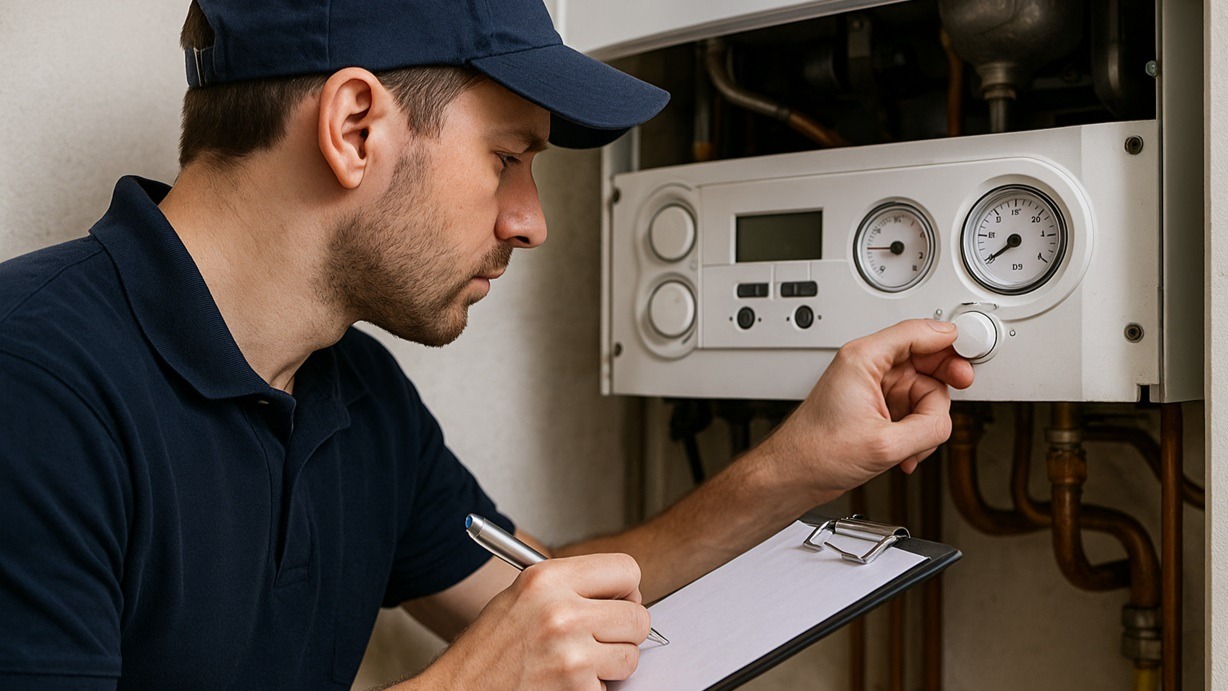
When your boiler’s pressure drops, it can disrupt your home’s heating and hot water supply, leaving you uncertain about the next steps. This guide is here to help you with a clear, step-by-step approach to troubleshooting low boiler pressure, ensuring that your heating system remains efficient and safe. As part of our pillar category, The Ultimate Guide to Home Heating Systems, this article combines expert advice, personal insights, and practical tips to help you quickly pinpoint and resolve the issue.
Picture arriving home on a frosty evening to find your boiler struggling with low pressure. The resulting cold radiators and diminished hot water can be disconcerting. However, with a methodical troubleshooting approach, you can identify the underlying cause and get your system back on track without delay.
Understanding the Issue
Low boiler pressure means the internal pressure of your heating system has fallen below the recommended range, typically between 1 and 1.5 bar when the system is cold. A reading under this range can lead to reduced heating performance and potential safety concerns, making it essential to address the situation promptly.
The Importance of Maintaining Optimal Pressure
- Efficiency: A well-pressured boiler runs more efficiently, reducing energy costs.
- Safety: Modern boilers are designed to shut down if they detect low pressure, preventing damage.
- Longevity: Regular checks and proper troubleshooting help extend your boiler’s lifespan.
For quality spares and professional advice, you might consider visiting our Worcester Bosch Boiler Spares or our range of Baxi Boiler Spares.
Common Causes of Pressure Drops
Understanding why your boiler might be experiencing low pressure is the first step in effective troubleshooting. Here are some common causes:
Leaks in the System
Leaks are one of the most frequent culprits behind low pressure. They might occur in the boiler unit, pipework, or radiator connections. Inspecting all components for any visible signs of leakage is important.
Faulty Pressure Relief Valve
The pressure relief valve is designed to protect your boiler by venting excess water. If this valve malfunctions or activates too frequently, it can lead to a persistent state of low pressure.
Air in the System
Trapped air can also lead to pressure fluctuations. Bleeding your radiators helps remove these air pockets, often restoring the proper pressure balance.
Recent Maintenance or Repairs
Following recent maintenance or system work, a temporary drop in pressure may occur. A simple re-pressurisation can often set things right again.
For more detailed guidance and quality components, visit our Thermecon Oil Boiler Spares page.
Step-by-Step Troubleshooting Guide
Follow these steps to diagnose and resolve issues related to low pressure effectively:
1. Check the Pressure Gauge
Begin by reading the pressure gauge on your boiler. When the system is cold, it should ideally display between 1 and 1.5 bar. If the gauge indicates a lower reading, your system is experiencing low pressure and needs attention.
- Tip: A sudden drop in the gauge reading might signal a leak or a malfunctioning component.
2. Inspect for Leaks
Conduct a thorough visual inspection of your boiler, pipework, radiators, and valves for any signs of water leakage or corrosion.
- DIY Check: Use a dry cloth around joints and connections. A damp cloth may indicate the presence of a leak.
- Action: If you detect a leak, switch off the heating system and contact a qualified professional for repair.
3. Bleed Your Radiators
Air trapped in the system can contribute to low pressure. Bleeding your radiators helps eliminate these air pockets and can improve the pressure balance.
- Procedure: Use a radiator key to slowly open the bleed valve until water begins to flow. Once a steady stream is visible, close the valve.
- Personal Note: I once experienced a situation where bleeding the radiators restored warmth in a home that had been inexplicably cold; it’s a straightforward yet effective troubleshooting tip.
4. Re-Pressurise the System
If there are no obvious leaks and the radiators have been bled, re-pressurising the boiler is the next step.
- Locate the Filling Loop: Most modern boilers include a filling loop that allows you to manually add water.
- Follow Instructions: Refer to your boiler’s manual, slowly open the valve, and monitor the pressure gauge until it reaches the recommended level.
- Monitor: Once the system stabilises at around 1.5 bar, close the valve.
For further guidance on re-pressurisation and to explore related products, check out our Expansion Vessels section or browse our range of Oil Heating Burners.
5. Evaluate the Pressure Relief Valve
If the issue persists, the pressure relief valve might be causing too much water to vent out, contributing to low pressure.
- Observation: Continuous dripping from the valve is a sign that it may be faulty.
- Action: This situation typically requires the attention of a professional technician.
6. Call a Professional
If your troubleshooting efforts do not resolve the issue, it’s time to consult a heating engineer for a comprehensive diagnosis and repair.
For reliable service and quality parts, consider our Flavel range or explore our extensive collection of Fires Spares if your system includes integrated fire safety features.
Preventative Measures to Avoid Future Issues
Effective troubleshooting goes hand in hand with preventative maintenance. Consider these tips to help avoid recurring low-pressure problems:
Regular System Checks
- Monthly Reviews: Check your boiler’s pressure gauge every month to catch potential issues early.
- Visual Inspections: Regularly examine your boiler, radiators, and associated pipework for signs of wear or leakage.
Scheduled Professional Maintenance
- Annual Servicing: Have your boiler serviced by a certified engineer annually to ensure all components are functioning properly.
- Routine Bleeding: Bleed your radiators at the start of each heating season to remove any trapped air.
Monitor Water Quality
- Hard Water Issues: High mineral content can lead to scaling inside your boiler. Consider installing a water softener if you live in a hard water area.
- Regular Flushing: Periodically flush the system to remove sediment buildup.
For additional insights into home heating maintenance and to browse related products, visit our Homepage.
Real-Life Example: A Troubleshooting Journey
I once assisted a homeowner troubled by low boiler pressure on a particularly cold day. After a systematic troubleshooting process, it turned out that a minor leak was the culprit. Once addressed, the boiler’s pressure returned to normal, restoring comfort to the home. This experience underscored the importance of regular maintenance and a calm, methodical approach to troubleshooting.
When to Consider an Upgrade
If the challenges of maintaining optimal pressure become a recurring issue, it may be time to consider upgrading your heating system. Newer boilers offer enhanced safety features, improved efficiency, and smarter diagnostics, making maintenance simpler and more reliable.
Our Firebird Oil Boilers are an excellent option for those considering an upgrade, along with other quality boiler spares available on our site.
Final Thoughts: Keep Calm and Resolve the Issue
While encountering low boiler pressure can be frustrating, a structured troubleshooting approach can often resolve the problem before it escalates. Whether you’re bleeding radiators, repressurising your system, or identifying a leak, these steps help ensure that your home remains warm and safe throughout the winter months.
For more maintenance tips and product recommendations or to explore our extensive range of parts, from Photo Cells for Oil Heating to the Worcester Bosch Condensate Pump, visit our Homepage.