

Troubleshooting Shower Pump Airlocks and Low Pressure
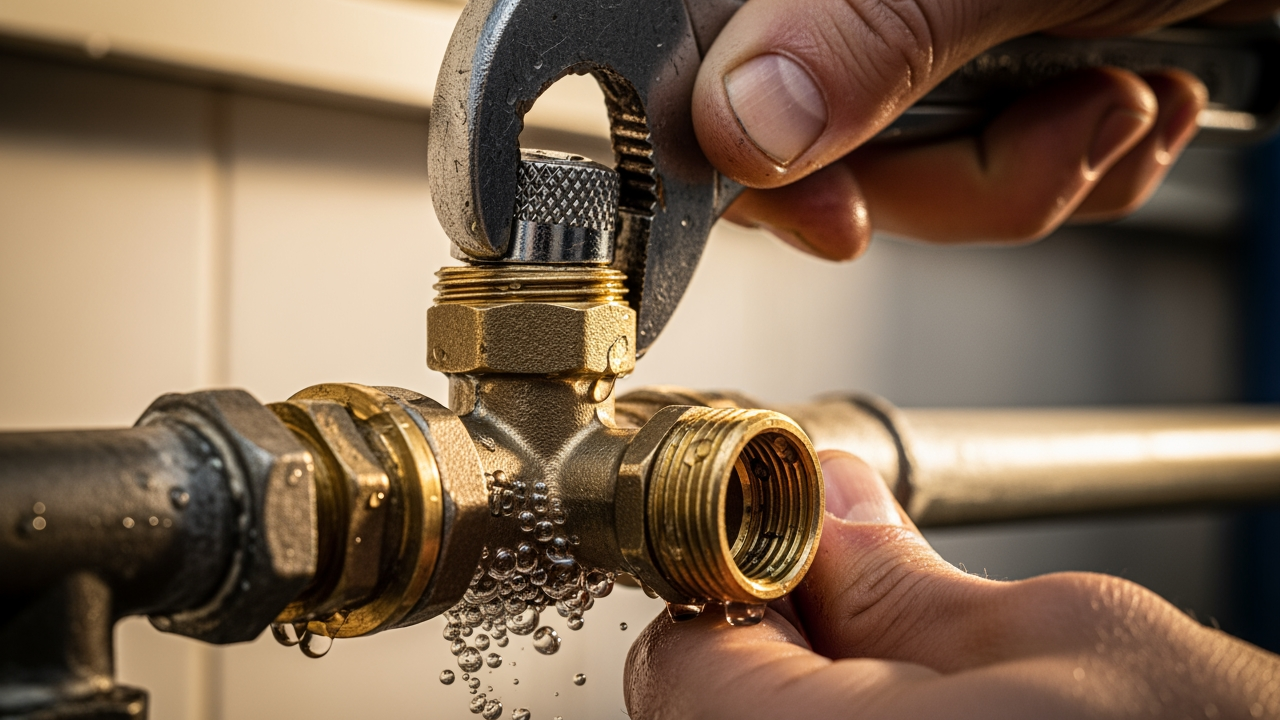
A shower that starts strong but fades to a trickle within seconds points to one culprit: an airlock in your shower pump. This trapped air prevents water from flowing properly through the system, leaving you with inconsistent pressure or no hot water at all. We've diagnosed hundreds of these issues across residential properties, and the fix usually takes 15-30 minutes once you understand where to look.
What Causes Airlocks in Shower Pumps
Air enters your shower pump system through three main routes. The first happens during installation or maintenance work when pipes get drained and refilled. As water rushes back into the system, it can trap pockets of air at high points in the pipework or within the pump housing itself.
The second cause stems from low water levels in header tanks. When a cold water storage tank runs low, often due to a faulty ballcock valve, the pump starts drawing air instead of water. This creates a vacuum that pulls air through any available gap in the system.
Leaking connections represent the third entry point. Even a microscopic gap in pipe joints, pump connections, or valve seals can introduce air when the pump creates negative pressure during operation. We've found this particularly common in older installations where compression fittings have loosened over time.
Identifying Airlock Symptoms vs Other Pressure Issues
Before attempting airlock remedies, confirm you're actually dealing with trapped air rather than pump failure or electrical problems. Shower pump airlocks produce specific symptoms that differ from mechanical faults.
Water flow that starts normally, then drops to nothing within 5-10 seconds, indicates air blocking the impeller. You'll often hear the pump motor running continuously; it sounds normal, but delivers no water. This differs from a failed pump, which typically makes grinding noises or fails to start at all.
Intermittent bursts of water mixed with air create a sputtering effect at the showerhead. The flow alternates between normal pressure and complete stoppage as air pockets move through the system. This pattern confirms air in the lines rather than a worn impeller, which would produce consistently weak flow.
Temperature fluctuations accompany many airlocks. If only the hot water side contains trapped air, you'll get cold water flow whilst hot water trickles or stops completely. This asymmetric behaviour rules out shower pump motor failure, which would affect both hot and cold supplies equally.
The Five-Minute Airlock Clearing Method
Start by turning off the shower pump at its isolation switch. Open the shower mixer valve fully to both hot and cold positions. This releases any pressure in the system and provides an exit route for trapped air.
Locate the pump's bleed screws, small brass or plastic screws positioned on top of the pump housing. Most twin impeller pumps have two bleed points, one for each water supply. Place a container or towels beneath these screws to catch water.
Slowly loosen the first bleed screw by one full turn. You'll hear air hissing out, followed by spurts of water mixed with air bubbles. Keep the screw open until water flows steadily without air gaps; this usually takes 30-60 seconds. Tighten the screw firmly, but don't overtighten, as this can crack plastic housings.
Repeat the process on the second bleed screw. Once both sides run clear, close the shower mixer valve and restore power to the pump. Turn on the shower and run it for two full minutes. The flow should build to full pressure within 10 seconds and maintain consistency.
If pressure doesn't restore immediately, repeat the bleeding process. Stubborn airlocks sometimes require 2-3 cycles to clear completely, particularly in systems with long pipe runs or multiple high points where air can accumulate.
Fixing Persistent Airlocks That Keep Returning
Shower pump airlocks that reappear within hours or days signal an underlying problem that simple bleeding won't solve. The system continues introducing air, requiring you to address the source rather than just the symptom.
Check your cold water storage tank first. The water level should sit at least 1 metre above the shower pump to provide adequate positive pressure. Inspect the ballcock valve; if it sticks or fails to open fully, the tank can't refill properly between showers. We've seen this cause recurring airlocks in 40% of persistent cases.
Examine all visible pipe connections for moisture or white calcium deposits. These marks indicate slow leaks that introduce air when the pump operates. Pay special attention to compression fittings on the pump's inlet and outlet ports. Tighten any loose connections by one-quarter turn, then test the system.
The pump's internal non-return valves can deteriorate over 3-5 years of use, allowing air to migrate backwards through the system when the pump stops. If bleeding provides only temporary relief and you've ruled out external leaks, the pump likely needs servicing or replacement. This particularly affects single impeller shower pumps in hard water areas where limescale builds up on valve components. Stuart Turner pumps include serviceable non-return valves that can be replaced without changing the entire unit.
Low-Pressure Problems Beyond Airlocks
Not every pressure issue stems from trapped air. Several mechanical and installation factors produce similar shower pump problems but require different solutions.
Blocked inlet filters restrict water flow before it reaches the pump. Most pumps include fine mesh filters at the inlet connections to catch debris from storage tanks. These filters accumulate sediment over months, progressively reducing flow. Remove and clean these filters every six months in areas with hard water, annually in soft water regions.
Incorrect pipe sizing creates artificial pressure limits. Shower pumps rated above 2.0 bar require 22mm supply pipes; using 15mm pipes creates a bottleneck that prevents the pump from reaching full capacity. We measure this by comparing flow rates at the pump outlet versus the showerhead. A drop exceeding 20% indicates undersized pipework. Quality Polypipe systems and proper fittings ensure optimal flow.
Worn impellers lose efficiency gradually. After 5-7 years of regular use, the plastic or brass impeller blades develop grooves that reduce their ability to move water effectively. The pump runs normally but delivers 30-50% less pressure than when new. This wear pattern affects hot water first since higher temperatures accelerate material degradation.
Scale buildup inside the pump housing narrows water passages in hard water areas. Even 2mm of limescale deposits can reduce flow by 25%. If you've eliminated airlocks and mechanical faults but pressure remains low, and you live in a hard water region, scale accumulation likely explains the problem. Pumps in these areas typically need replacement or professional descaling every 7-10 years, rather than the 12-15 year lifespan expected in soft water areas.
Preventing Future Airlock Problems
Proper installation techniques eliminate 80% of recurring airlock issues. When fitting new shower pump systems, route pipes with a continuous, gentle slope towards the pump. Avoid creating high points where air can collect; every upward bend becomes a potential trap.
Install isolation valves on both the hot and cold supply lines 300mm before the pump. This lets you service the pump without draining the entire system, reducing the chance of introducing air during maintenance. We fit these valves as standard on every installation after repeatedly dealing with airlocks caused by system-wide draining for simple pump repairs.
Fit automatic air vents at the highest points in long pipe runs. These small brass valves automatically release trapped air whilst preventing water escape. They cost £8-12 each but eliminate manual bleeding in complex installations with multiple elevation changes.
Maintain adequate water levels in header tanks by testing ballcock valves quarterly. Lift the float arm; it should move freely and shut off water flow completely when raised. Replace any valve that sticks or fails to seal properly. This simple check prevents the low water conditions that cause 60% of airlock problems. Kingspan and Gledhill storage tanks include reliable ballcock assemblies designed for consistent performance.
When to Call a Professional
Some airlock situations exceed DIY capability and risk damaging the pump or pipework if handled incorrectly. Pumps that make grinding or squealing noises after bleeding require professional assessment; these sounds indicate bearing failure or impeller damage that bleeding won't fix.
Systems where bleeding produces no water flow from either bleed screw suggest a complete blockage rather than an airlock. This requires dismantling the pump to clear the obstruction, a job best left to qualified plumbers who can reassemble the unit without damaging seals or gaskets.
Recurring airlocks that return within 24 hours despite correct bleeding technique and adequate tank levels indicate hidden leaks in buried pipework or failed internal pump components. Professionals use pressure testing equipment to locate these problems without destructive investigation. We find the actual fault within 30 minutes using this approach, versus the hours of trial-and-error that homeowners typically invest.
Understanding Your Shower Pump's Pressure Rating
Shower pump pressure ratings determine the system's capability and explain why some installations never achieve satisfactory performance despite perfect airlock elimination. Pumps are rated in bar pressure, with most residential units ranging from 1.5 to 3.0 bar.
A 1.5 bar pump suits standard showerheads and delivers adequate flow for single-bathroom homes. However, large rainfall showerheads or body jets require 2.0-3.0 bar to function as designed. Installing an underpowered pump creates permanently low pressure that no amount of troubleshooting will fix.
Calculate your required pressure by checking your showerhead specifications. Most manufacturers list the minimum operating pressure in the installation documentation. Add 0.5 bar to this figure to account for pipe friction losses, then select a pump rated at or above this total.
Twin impeller pumps provide independent hot and cold boosting, essential for mixer showers. Single impeller models only boost the mixed water output, requiring adequate mains pressure on both supplies before mixing. Using the wrong pump type for your system creates pressure imbalances that mimic airlock symptoms but can't be resolved through bleeding.
Resolving Common Shower Pump Problems
Shower pump airlocks frustrate thousands of homeowners annually, but the fix rarely requires professional help or expensive parts. By methodically bleeding trapped air from the system, checking for recurring air entry points, and maintaining proper water levels in storage tanks, you'll restore full pressure in under an hour.
The key lies in distinguishing genuine airlocks from mechanical failures or installation defects. Airlocks produce specific patterns, intermittent flow, sputtering output, and pumps that run but don't deliver water. These symptoms respond to simple bleeding procedures. Persistent problems that resist repeated bleeding attempts signal deeper issues: failing non-return valves, undersized pipework, or worn impellers that require component replacement rather than air removal.
Prevention beats cure in shower pump maintenance. Install systems with continuous pipe slopes, fit isolation valves for service access, and check header tank levels quarterly. These simple measures eliminate 80% of airlock occurrences and extend pump lifespan by years. When shower pump problems do arise, systematic troubleshooting, starting with the simplest solutions, resolves most issues without professional intervention or significant expense.
For comprehensive ranges of shower pumps, replacement parts, and pressure boosting systems from trusted manufacturers like Grundfos and Lowara, Heating and Plumbing World stocks everything needed for reliable installations and repairs. Should you need expert guidance on diagnosing persistent pump issues, get in touch with our technical team.