

Underfloor Heating in Period Properties: What to Watch For
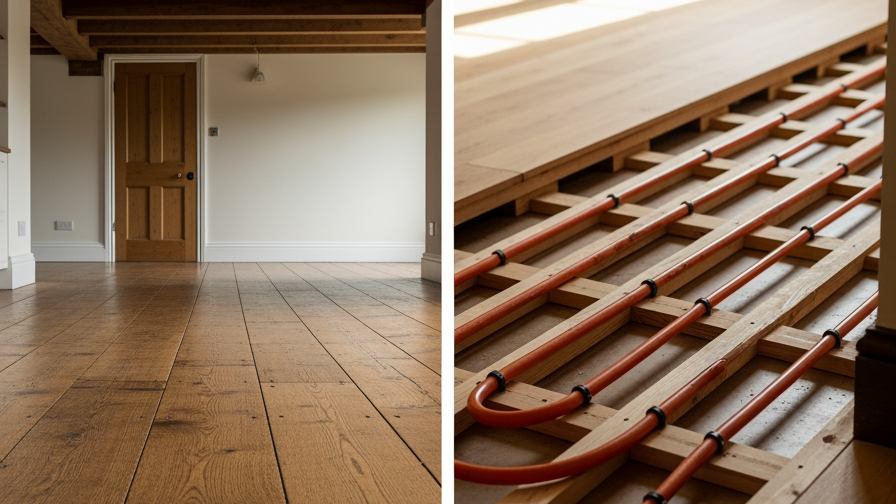
Installing modern heating solutions in historic homes requires careful consideration. While underfloor heating offers numerous benefits, period properties present unique challenges that demand specialist knowledge and meticulous planning. Understanding these complexities ensures successful installation whilst preserving the architectural integrity of older buildings.
Understanding Period Property Constraints
Period properties typically feature construction methods and materials vastly different from modern homes. These structural characteristics significantly influence heating system choices and installation approaches.
Structural Considerations
Original floor construction in historic homes varies considerably depending on age and building style. Georgian and Victorian properties commonly feature suspended timber floors with joists spanning between load-bearing walls. These joists may be spaced irregularly, and subfloor ventilation remains crucial for preventing timber decay. The condition of existing joists determines whether they can support additional weight from heating systems and new floor finishes.
Stone flags, clay tiles, or solid earth floors characterise many ground-floor rooms in older cottages and farmhouses. These surfaces require different installation techniques compared to suspended timber floors. Load-bearing capacity becomes particularly important when adding screed layers or insulation materials. Structural engineers should assess whether existing floors can accommodate the additional mass without compromising building stability.
Medieval and Tudor properties often feature uneven floors with significant level changes between rooms. This irregularity complicates installation and may necessitate creative solutions to maintain consistent heating performance across different areas.
Heritage and Listed Building Regulations
Listed buildings and properties within conservation areas face stringent planning requirements. Local authorities must approve any alterations that affect a building's character or appearance. Installing underfloor heating period properties systems typically requires listed building consent, particularly when modifications impact original features or floor structures.
Conservation officers prioritise preserving historic fabric and traditional construction methods. Applications must demonstrate that proposed heating installations use reversible techniques wherever possible, minimising damage to original materials. Detailed surveys, method statements, and heritage impact assessments often form part of the approval process.
Some conservation areas impose additional restrictions on external alterations, such as flue positions or boiler installations. Understanding these requirements before commencing work prevents costly delays and potential enforcement action.
Types of Underfloor Heating Suitable for Period Properties
Selecting appropriate heating systems for older buildings requires balancing modern efficiency with preservation principles. Different system types offer distinct advantages and limitations in historic contexts.
Electric vs Water-Based Systems
Electric underfloor heating uses heating cables or mats installed beneath floor finishes. These systems require minimal installation depth, making them suitable for rooms where raising floor levels proves problematic. Electric systems work independently from existing boilers, offering flexibility in properties with ageing or inadequate central heating. However, running costs typically exceed water-based alternatives, particularly in larger rooms or whole-house installations.
Water-based systems circulate warm water through pipes embedded in floor construction. These connect to existing boilers or dedicated heat pumps, offering superior energy efficiency for extensive installations. Modern condensing boilers provide excellent compatibility, though older heating systems may require upgrades to maintain adequate flow rates and pressures. The installation depth for water-based systems ranges from 50mm to 150mm depending on construction method, potentially affecting room heights and door clearances.
Low-temperature water systems particularly suit period properties because they operate at reduced temperatures compared to traditional radiators. This characteristic reduces stress on historic walls and minimises heat loss through uninsulated external walls. Heating and Plumbing World supplies components specifically designed for sensitive installations in older buildings.
Low-Profile Systems for Minimal Height Loss
Rooms with low ceilings or original architectural features often cannot accommodate standard underfloor heating installations. Low-profile systems address this limitation by minimising build-up thickness. Some manufacturers offer systems requiring as little as 15mm total height increase, preserving room proportions and existing door clearances.
These specialist systems typically use aluminium heat diffusion plates that spread warmth efficiently across floor surfaces. The reduced thermal mass means quicker heat-up times but may result in more rapid temperature fluctuations. Careful thermostat programming compensates for this characteristic, maintaining comfortable temperatures whilst optimising energy consumption.
Staircases present particular challenges when raising ground-floor levels. Careful planning ensures riser heights remain within building regulations whilst avoiding awkward steps at room thresholds. Sometimes installing underfloor heating only in specific rooms proves more practical than attempting whole-floor coverage.
Essential Preparation Steps
Thorough preparation determines installation success in historic buildings. Rushing this phase inevitably leads to problems that prove costly and disruptive to rectify.
Floor Assessment and Survey
Professional surveys identify potential issues before installation commences. Thermal imaging cameras detect heat loss patterns and moisture problems hidden beneath floor surfaces. These investigations reveal whether existing insulation meets modern standards or requires upgrading. Many period properties lack subfloor insulation entirely, resulting in significant heat loss through ground floors.
Moisture metres measure dampness levels in timber joists and floorboards. Elevated readings indicate problems requiring resolution before heating installation proceeds. Rising damp, penetrating moisture, or inadequate ventilation all compromise underfloor heating performance and risk accelerating structural decay. Addressing these issues forms an essential part of underfloor heating preparation processes.
Borescope inspections allow examination of subfloor voids without extensive floor removal. These investigations assess joist condition, identify vermin damage, and confirm adequate ventilation. Understanding existing conditions enables installers to develop appropriate installation strategies whilst minimising disruption to the original fabric.
Existing Heating System Evaluation
Current boiler capacity determines whether existing heating systems can support additional underfloor heating zones. Older boilers may lack sufficient output for whole-house underfloor heating, particularly when retaining radiators in some rooms. Heat loss calculations establish total heating requirements, informing decisions about boiler upgrades or supplementary heat sources.
System pressure and flow rates significantly affect water-based underfloor heating performance. Period properties often feature dated pipework with restricted diameters that limit flow capacity. Expansion vessels help maintain stable system pressure, whilst pressure relief valves provide essential safety protection during system operation.
Removing radiators creates opportunities for restoring original wall surfaces and reclaiming valuable floor space. However, some rooms may benefit from retaining radiators for rapid heat-up capability or supplementary warmth during particularly cold periods. Hybrid systems combining underfloor heating with strategic radiator placement offer flexibility whilst maximising comfort.
Insulation Requirements
Building regulations mandate specific U-values for floor insulation, though exemptions sometimes apply to listed buildings where meeting standards proves impractical. Balancing thermal performance with breathability remains crucial in older construction. Traditional buildings rely on moisture movement through permeable materials - installing impermeable insulation layers can trap moisture, causing condensation and decay.
Natural insulation materials such as wood fibre, sheep's wool, or cork boards offer excellent thermal performance whilst maintaining vapour permeability. These materials complement traditional construction methods and support conservation principles. Synthetic insulants like polystyrene or polyurethane may achieve superior U-values but require careful vapour barrier design to prevent moisture problems.
Ground floor insulation typically sits between joists in suspended timber floors or forms layers beneath screed in solid floor constructions. Achieving adequate thickness without excessive floor height increases requires careful product selection and installation techniques. Sometimes, accepting slightly reduced insulation levels proves necessary to preserve architectural integrity.
Installation Challenges in Historic Homes
Period property installations encounter obstacles rarely found in modern construction. Anticipating these challenges and developing appropriate responses ensures project success.
Working with Original Floorboards
Historic floorboards possess architectural and historical value deserving preservation. Wide oak or elm boards with hand-cut nails represent irreplaceable elements of building character. Careful lifting, numbering, and storage protect these materials during installation. Professional conservation advice helps determine whether boards can be reused or require specialist repair.
Uneven board thickness and irregular joist spacing complicate pipe laying and insulation installation. Modern underfloor heating systems expect consistent depths and level surfaces - achieving these conditions in period construction often requires creative solutions. Building up joist heights with treated timber battens or installing adjustable feet creates level datum points for pipe installation.
Access to subfloor voids typically requires lifting multiple boards across room widths. Strategic removal minimises disturbance whilst providing adequate working space. Sometimes creating permanent access hatches proves beneficial for future maintenance whilst preserving maximum original floor area.
Dealing with Solid Floors
Stone flag floors, clay tiles, and lime-ash construction characterise many period property ground floors. These surfaces present different challenges compared to suspended timber. Excavating below solid floors risks undermining wall foundations and disturbing archaeological deposits. Conservation officers often require archaeological watching briefs during any ground disturbance in historic buildings.
Modern screed layers sit atop insulation and heating pipes, creating new floor surfaces above original levels. Minimum screed depths typically range from 65mm to 75mm for water-based systems, though specialist thin screeds may reduce this to 50mm. Adding insulation beneath pipes increases total build-up, potentially requiring 150mm or more total height increase.
Drying times for sand-cement screeds extend projects significantly - allowing 1mm per day per millimetre thickness as a general guide. Rapid-drying screeds accelerate this process but increase costs substantially. Planning realistic timescales prevents premature floor covering installation that traps moisture and causes damage.
Room-by-Room Considerations
Different rooms present varying suitability for underfloor heating period properties installations. Ground-floor living spaces typically benefit most from this heating approach. Kitchens with original flagstone floors particularly suit underfloor systems, as stone conducts heat efficiently and benefits from gentle background warmth that reduces condensation.
Hallways and circulation spaces often feature solid floors that respond well to underfloor heating. These areas typically experience high traffic and benefit from even heat distribution. However, careful zone control prevents overheated spaces that receive passive solar gain or warmth from adjacent rooms.
Upper floor installations require particularly careful structural assessment. Additional weight from insulation, pipes, and screed may exceed othe riginal joist capacity. Sometimes, reinforcing floor structures proves necessary, though this work requires sensitive detailing to avoid compromising historic fabric. Lightweight systems specifically designed for suspended floor applications minimise structural intervention.
Critical Technical Considerations
Technical specifications significantly influence system performance and long-term reliability. These factors deserve careful attention during the design and installation phases.
Heat Output and System Design
Heat loss calculations for period properties differ substantially from those of modern homes. Single-glazed windows, solid walls without cavity insulation, and draughty original doors all increase heating requirements. Accurate calculations prevent undersized systems that fail to maintain comfortable temperatures during cold weather.
Pipe spacing determines heat output per square metre. Typical spacings range from 100mm centres for high-output areas to 300mm for moderate requirements. Closer spacing increases installation costs but provides superior responsiveness and even temperature distribution. Edge zones near external walls often benefit from tighter pipe spacing to counteract increased heat loss.
Zone controls allow independent temperature management in different rooms, improving comfort whilst reducing energy consumption. Period properties particularly benefit from zoning because rooms often serve different purposes and receive varying solar gain. Programmable thermostats optimise running costs by reducing temperatures when spaces remain unoccupied.
Moisture Management
Traditional buildings breathe - moisture naturally moves through permeable walls, floors, and roofs. Introducing impermeable layers disrupts this balance, potentially trapping moisture and causing decay. Underfloor heating preparation must carefully consider vapour management strategies appropriate for historic construction.
Breathable membranes allow water vapour transmission whilst preventing liquid water penetration. These products suit period property applications better than impermeable plastic sheets. Natural hydraulic lime screeds similarly maintain breathability whilst providing suitable surfaces for floor finishes.
Rising damp presents particular concerns when installing underfloor heating in properties lacking effective damp-proof courses. Heating systems can exacerbate moisture problems by drawing groundwater upward through capillary action. Addressing damp issues before installation prevents long-term complications and preserves building fabric.
Integration with Existing Features
Period properties contain numerous features requiring careful consideration during heating installation. Original fireplaces, decorative floor grilles, and architectural details all influence system layout. Heating pipes must route around hearths and avoid damaging historic finishes.
Electrical cables and water pipes serving historic buildings often follow irregular routes determined by retrofit installation decades earlier. Identifying existing services prevents accidental damage during floor construction. Cable and pipe detectors help locate buried services, though physical investigation sometimes proves necessary in older properties with undocumented modifications.
Original room layouts sometimes feature small interconnected spaces that complicate zone control and manifold positioning. Modern open-plan conversions may require multiple heating zones with different control strategies. Planning manifold locations ensures accessibility for maintenance whilst minimising visual impact in historic interiors.
Common Mistakes to Avoid
Understanding frequent errors helps prevent problems that compromise installation quality and long-term performance.
Inadequate Preparation
Rushing assessment phases leads to unforeseen complications during installation. Hidden structural defects, moisture problems, or incompatible existing systems create delays and additional costs when discovered mid-project. Comprehensive surveys and professional consultations represent essential investments that prevent expensive remedial work.
Insufficient insulation undermines system efficiency and increases running costs substantially. Period properties already suffer higher heat loss than modern buildings - failing to maximise insulation during floor reconstruction wastes valuable opportunities. Even when building regulations permit reduced insulation standards for historic properties, installing maximum practical insulation levels delivers better performance and lower energy bills.
Neglecting heritage aspects risks enforcement action from local authorities. Conservation officers possess extensive powers to require reinstatement of original features and reversal of unauthorised alterations. Early consultation and obtaining necessary consents prevent legal complications and project delays.
Poor System Specification
Undersized heating capacity leaves homes uncomfortably cold during wthe inter months. Conservative heat loss calculations that underestimate requirements through single-glazed windows or solid walls result in inadequate system sizing. Professional heating engineers experienced with period properties provide realistic assessments based on actual building performance rather than theoretical models.
Incorrect pipe spacing affects temperature evenness and system responsiveness. Widely spaced pipes create hot and cold patches across floor surfaces whilst reducing overall heat output. Following manufacturer guidelines and adjusting specifications for high heat loss areas ensures satisfactory performance.
Selecting inappropriate system types for specific building characteristics compromises results. Electric systems prove unnecessarily expensive for whole-house installations where water-based alternatives suit existing boilers. Conversely, installing water systems in properties with inadequate boiler capacity or problematic existing pipework creates ongoing problems.
Professional Support and Compliance
Expert guidance ensures installations meet technical standards whilst respecting heritage values. Professional involvement protects investments and delivers reliable long-term performance.
Choosing Qualified Installers
Experience with period properties distinguishes specialist installers from general contractors. Historic building work requires understanding traditional construction methods, conservation principles, and appropriate intervention techniques. Installers familiar with listed building requirements navigate approval processes effectively and propose solutions satisfying conservation officers.
Relevant certifications demonstrate professional competence and regulatory compliance. Gas Safe registration remains mandatory for any work involving gas appliances or pipework. Electrical installation qualifications ensure the safe connection of electric heating systems and control equipment. Professional indemnity insurance protects clients if installation problems subsequently emerge.
Understanding conservation principles helps installers balance modern heating requirements with heritage preservation. Reversible installation methods, minimal intervention approaches, and appropriate material selection all support successful outcomes in sensitive historic contexts. Installers should provide examples of previous period property projects and references from satisfied clients.
Safety and Regulatory Compliance
Building regulations apply to heating system installations even in exempt historic buildings. Notification requirements vary depending on work scope and building category. Building control approval or certified installer schemes provide compliance routes whilst ensuring safety standards.
Gas Safe registered engineers must perform all work involving gas-fired boilers and associated pipework. These professionals understand safety requirements and follow manufacturer installation instructions. Quality components from reputable suppliers ensure reliable operation - Worcester Bosch boiler spares and boiler spares maintain system efficiency throughout operational life.
Electrical safety regulations govern power supplies, controls, and electric heating elements. Qualified electricians ensure installations meet current wiring standards and incorporate appropriate circuit protection. Regular maintenance preserves safety and efficiency whilst preventing breakdowns during cold weather.
Manufacturers typically warrant heating systems for defined periods covering defects and performance issues. Installation by qualified professionals often represents warranty conditions. Retaining installation certificates, commissioning records, and maintenance documentation supports warranty claims if problems arise.
Conclusion
Successfully installing underfloor heating in period properties demands careful planning, appropriate system selection, and expert installation techniques. The unique characteristics of historic buildings require specialist knowledge that balances modern comfort requirements with conservation principles. Thorough underfloor heating preparation, comprehensive surveys, and professional guidance ensure installations perform effectively whilst preserving architectural integrity.
Property owners benefit from consulting experienced heating specialists who understand the complexities of working with older buildings. Taking time to assess structural conditions, obtain necessary consents, and specify appropriate systems prevents costly mistakes and delivers satisfactory long-term results. Quality components, proper installation, and regular maintenance ensure heating systems serve historic homes reliably for many years.
For specialist advice on heating system installations in period properties, contact us to discuss project requirements and explore suitable solutions that respect both modern performance standards and historic building character.