

Understanding Heat Pump Defrost Cycles and Sensor Maintenance
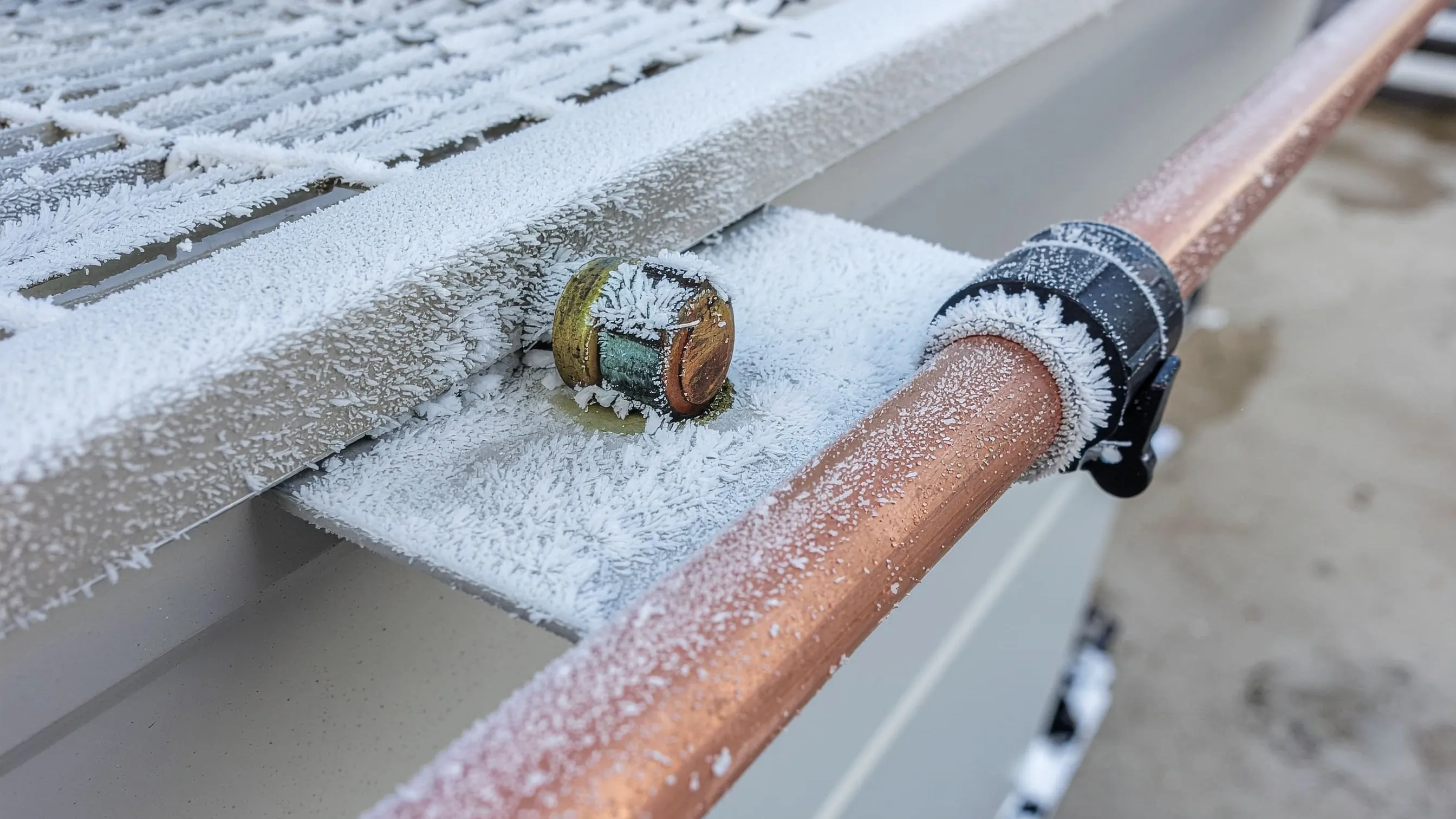
When ambient temperatures plummet and humidity rises, outdoor coils inevitably freeze. A functional heat pump defrost cycle is absolutely critical for maintaining system efficiency and preventing catastrophic mechanical failure during the colder months. You must understand exactly how these systems initiate, sustain, and terminate this vital process. A failing heat pump defrost cycle quickly turns a highly efficient heating unit into a solid block of useless ice. If you cannot diagnose these sequence failures accurately, your clients will be left shivering while their electricity bills skyrocket due to backup heater reliance.
The Mechanics of Winter Operation
During normal winter operation, the outdoor unit extracts latent heat from the freezing air. This thermodynamic process drops the coil temperature below the local dew point, causing moisture to freeze instantly upon contact with the aluminium fins. Left unchecked, this frost acts as a highly effective insulator, completely blocking airflow and destroying the system's coefficient of performance. Effective ice accumulation prevention is therefore hardwired into the core logic of every modern unit on the market today.
The system relies on a perfectly timed heat pump defrost cycle to melt this frost before it causes permanent mechanical damage. It accomplishes this by temporarily running the refrigeration cycle in reverse, sending hot discharge gas from the compressor directly into the outdoor coil instead of the indoor heat exchanger.
While this melts the ice, it also temporarily steals heat from the indoor hot water cylinder or primary heating circuit. You must educate homeowners that this temporary cooling effect is completely normal and necessary for the longevity of their equipment.
Professionals understand that managing this process efficiently separates a good installation from a terrible one. Heating and Plumbing World provides the necessary replacement sensors, control boards, and technical resources to ensure these systems operate exactly as the manufacturer intended. Do not ignore severe frost buildup, as it will inevitably crush the delicate coil fins.
Critical Sensor Functions
The entire clearing sequence relies on highly accurate data from outdoor sensors. The primary triggers are the coil temperature sensor and the ambient temperature thermistor. The main control board constantly monitors the differential between these two sensors to calculate exactly when frost is forming. If the ambient temperature thermistor degrades, drifts, or shifts out of calibration, the system might initiate a melt sequence too early or, disastrously, not at all.
Think of the ambient temperature thermistor like the main thermostat in your own living room. If it thinks the room is twenty degrees when it is actually five, the boiler simply won't fire, and you will freeze. If the heat pump's sensors feed inaccurate resistance values back to the PCB, the protective ice accumulation prevention logic simply cannot function properly.
Last January, a junior technician spent three hours trying to recharge a system he thought was low on refrigerant because the outdoor coil was completely frozen solid. A quick check of the ambient temperature thermistor revealed it was reading twenty degrees higher than actual conditions, preventing the system from ever initiating a melt sequence. Swapping a twenty-pound sensor fixed what he assumed was a major mechanical failure. Always verify your inputs first.
Proper ice accumulation prevention demands that these sensors remain securely clipped to their designated measuring points, wrapped tightly in highly conductive thermal paste. If a sensor vibrates loose, the resulting data skew will completely ruin system efficiency and severely strain your wider central heating components.
The rapid temperature changes during a melt sequence also cause rapid pressure fluctuations on the primary water side. Ensuring the system has an adequately sized expansion vessel protects the internal pipework from these sudden hydraulic stresses during winter operation.
Diagnosing Defrost Failures
When you arrive at a frozen unit, you must follow a strict, logical diagnostic path. Once you have ruled out fundamental airflow issues like a failed fan motor, you must focus entirely on the electronics and the switching mechanisms. The first step involves forcing a manual cycle via the dip switches or digital interface to observe the mechanical sequence. This immediately tests the reversing valve operation under live load conditions.
When the board triggers the melt sequence, you should hear a distinct, loud whoosh as the internal slide shifts. If you hear the solenoid click but observe absolutely no change in refrigerant flow or pressure on your gauges, you have confirmed a mechanical failure in the reversing valve operation.
However, if the solenoid doesn't even receive the required 230-volt or 24-volt signal, you must move backward to the main PCB. Proper defrost control board testing isolates the PCB from the physical components so you can trace the voltage path accurately without assuming a mechanical seizure.
Comprehensive defrost control board testing saves you from condemning expensive mechanical valves when the fault lies entirely with a burnt-out printed circuit trace or a failed relay. Ensure you apply the same rigorous testing standards here as you would when diagnosing complex temperature control system faults on a large commercial boiler rig.
Faulty boards might process the sensor data correctly but physically fail to send the voltage to the valve solenoid. If you are upgrading indoor heating valve control systems simultaneously, make sure the outdoor board is successfully executing its own localized switching tasks first.
Component Testing Procedures
Accurate sensor testing requires a quality multimeter and the manufacturer's specific thermistor resistance chart. Disconnect the sensor completely from the main board before measuring its resistance across the two pins. Compare your ohm reading directly to the chart based on the exact current outdoor temperature. If it reads out of tolerance by more than a few percentage points, it is scrap.
During your defrost control board testing, you must also meticulously check the integrity of the coil sensor. This component lives in a punishing environment, constantly subjected to rapid extreme temperature swings and dripping water. It is a prime candidate for water ingress, which destroys its internal resistance values.
When securing new sensors, always use the correct retaining clips and ensure the wire routing avoids any sharp metal edges that could chafe the insulation over time. Before leaving the site, verify the smooth actuation of the reversing valve operation one final time to guarantee the sequence terminates correctly based on the coil reaching the target temperature.
It is also a perfect opportunity to replace any weeping push fit plumbing fittings near the buffer tank or outdoor unit before repressurising the primary circuit for the rest of the winter season.
Modern smart radiator valves can also help homeowners monitor indoor temperature drops during these mandatory clearing cycles. Explaining this data to clients prevents nuisance callouts when the radiators temporarily cool down. Don't skip these preventative checks or customer education steps.
Conclusion
Mastering the intricacies of the heat pump defrost cycle ensures you can keep these vital systems running efficiently through the harshest winter months. Always verify your sensor resistance values against the exact ambient conditions, conduct thorough electrical board tests before condemning mechanical valves, and secure all replacement components meticulously. If you encounter unusual diagnostic readings, struggle to force a manual clearing sequence, or need assistance interpreting a complex thermistor chart, please speak to our team for expert guidance today.