

Understanding Part L of UK Building Regulations
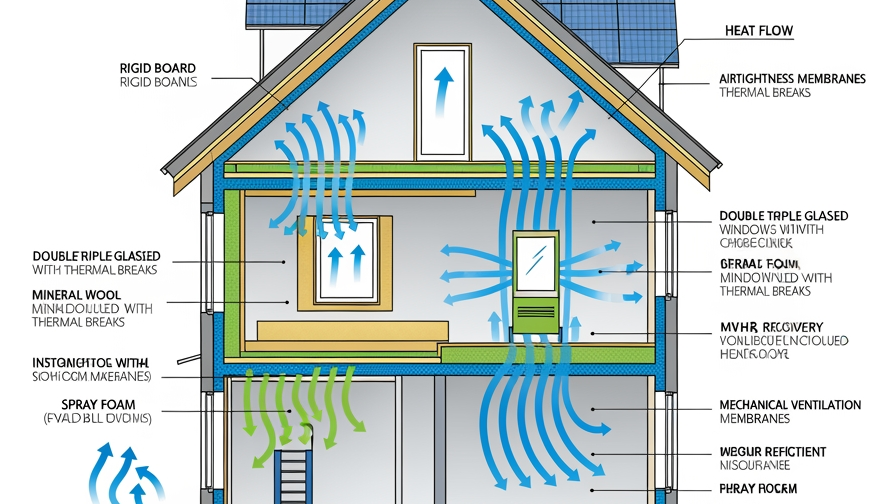
Building regulations exist to ensure safety, sustainability, and energy efficiency across all construction projects in the UK. Among these standards, Part L UK building regulations stand out as one of the most significant frameworks governing how buildings perform thermally and consume energy. Whether undertaking new construction, extensions, or renovations, understanding these requirements is essential for homeowners, developers, and contractors alike.
Part L focuses specifically on the conservation of fuel and power, setting rigorous standards that affect heating systems, insulation, ventilation, and overall building design. At Heating and Plumbing World, compliance with these regulations influences product specifications and installation practices, ensuring customers receive solutions that meet current legislative requirements whilst delivering long-term energy savings.
What Is Part L of the Building Regulations?
Part L UK building regulations comprise the legal framework that governs energy efficiency in buildings across England and Wales. Split into four distinct documents, this regulation addresses different building types and project scopes: Part L1A covers new dwellings, Part L1B deals with existing dwellings, Part L2A applies to new buildings other than dwellings, and Part L2B focuses on existing buildings other than dwellings.
The primary objective centres on reducing carbon emissions from buildings, which account for approximately 40% of the UK's total carbon footprint. By establishing minimum energy performance standards, Part L energy efficiency requirements drive improvements in heating systems, thermal insulation, air tightness, and renewable energy integration. These standards undergo regular updates to align with the UK's net-zero carbon targets, with the most recent significant revision occurring in June 2022.
Core Requirements of Part L Regulations
Building regulations compliance under Part L encompasses several critical areas that work together to reduce energy consumption. The regulations establish maximum U-values for building elements, determining how much heat can pass through walls, roofs, floors, windows, and doors. Lower U-values indicate better insulation performance, with current standards requiring significantly improved thermal efficiency compared to previous versions.
Air-tightness standards form another crucial component, measured through pressurisation tests that identify unwanted air leakage. Buildings must achieve specific air permeability rates, typically no greater than 8 cubic metres per hour per square metre of envelope area for new dwellings. Proper sealing around windows, doors, service penetrations, and construction joints prevents heat loss and improves overall energy performance.
The regulations also mandate minimum efficiency levels for heating systems, including boilers, heat pumps, and controls. Modern condensing boilers must achieve seasonal efficiency ratings of at least 92%, whilst heating controls should include programmable thermostats, thermostatic radiator valves, and zone controls where appropriate. These requirements ensure that heating systems operate optimally whilst providing occupants with precise temperature management.
Energy Performance Calculations and Compliance
Demonstrating Part L energy efficiency requires detailed energy performance calculations using approved software methods. For new buildings and major renovations, these calculations compare the proposed design against a notional building that just meets minimum standards. The Target Emission Rate (TER) establishes the maximum carbon dioxide emissions permitted, whilst the Dwelling Emission Rate (DER) or Building Emission Rate (BER) represents the actual design performance.
The dwelling or building must achieve a DER/BER lower than the TER, proving superior energy performance. These calculations account for thermal elements, heating and hot water systems, ventilation, lighting efficiency, and renewable energy contributions. The process ensures a holistic approach to sustainable building, preventing developers from compensating for poor insulation with oversized heating systems or vice versa.
Energy Performance Certificates (EPCs) provide tangible evidence of compliance, rating buildings from A (most efficient) to G (least efficient). New buildings must achieve minimum EPC ratings, typically band B or higher, demonstrating significant improvements over older construction standards. These certificates remain valid for ten years and must be displayed when properties are sold or rented.
Heating System Requirements Under Part L
Heating systems represent one of the largest energy consumers in buildings, making them a focal point of Part L UK building regulations. The standards mandate high-efficiency equipment, proper system design, and effective controls to minimise fuel consumption and carbon emissions. Condensing boilers have become standard requirements for gas and oil heating, recovering additional heat from flue gases that would otherwise be wasted.
System design must include appropriate boiler spares and components that maintain efficiency over the equipment's lifespan. Regular maintenance and the availability of quality replacement parts ensure heating systems continue meeting performance standards. Correctly sized expansion vessels maintain system pressure within optimal ranges, preventing efficiency losses from over-pressurisation or air ingress.
For properties using oil heating, modern oil boilers must incorporate condensing technology and achieve minimum SEDBUK ratings. The regulations also specify requirements for condensate disposal, with condensate pumps necessary when gravity drainage proves impractical. These systems safely remove acidic condensate produced during the condensing process, protecting drainage systems and the environment.
Thermal Efficiency and Insulation Standards
Achieving Part L energy efficiency extends beyond heating systems to encompass the building's thermal envelope. Wall insulation standards vary depending on construction type, with cavity walls requiring filled insulation, solid walls needing internal or external insulation systems, and timber frame constructions incorporating high-performance insulation materials. Maximum U-values typically range from 0.18 to 0.30 W/m²K for walls, substantially lower than older standards.
Roof insulation receives particular attention due to significant heat loss through poorly insulated loft spaces. Current standards require U-values of 0.15 W/m²K or better for pitched roofs and 0.18 W/m²K for flat roofs. These stringent requirements often necessitate insulation depths exceeding 270mm in loft spaces, with warm roof designs incorporating insulation between and over rafters to eliminate cold bridging.
Floor insulation standards apply to both ground floors and floors above unheated spaces, with maximum U-values typically around 0.18 to 0.22 W/m²K. Ground-supported concrete floors require perimeter and underfloor insulation, whilst suspended timber floors need insulation between joists or beneath floor coverings. These measures prevent heat loss through floors, which historically received less attention than walls and roofs.
Renewable Energy Integration
Part L UK building regulations increasingly encourage renewable energy integration to reduce reliance on fossil fuels and lower carbon emissions. Solar photovoltaic panels, solar thermal systems, heat pumps, and biomass boilers contribute toward meeting energy performance targets. The regulations calculate the carbon reduction benefits of these technologies, allowing developers to offset higher emissions from other building elements.
Heat pumps have gained prominence as low-carbon heating alternatives, extracting ambient heat from air, ground, or water sources. Air source heat pumps offer relatively straightforward installation, whilst ground source systems provide higher efficiency at greater capital cost. Both technologies require careful system design, including appropriate heat emitters, buffer vessels, and controls to achieve optimal performance under Part L standards.
Solar thermal systems provide domestic hot water heating, reducing the energy required from conventional boilers. Combined with high-efficiency condensing boilers and proper controls, these systems significantly lower carbon emissions. The regulations recognise the benefits of renewable technologies whilst maintaining realistic expectations about their contribution to overall building performance.
Impact on Renovation and Extension Projects
Building regulations compliance extends beyond new construction to include extensions, conversions, and certain renovation works. When extending a property, the new construction must meet current Part L energy efficiency standards, often exceeding the performance of the existing building. This requirement ensures steady improvement of the housing stock's overall energy performance, even when projects don't involve complete rebuilds.
Replacement of controlled fittings and services triggers specific requirements. Installing new windows, doors, boilers, or heating controls must comply with current standards, even when undertaken as isolated works. Boiler replacements require minimum efficiency levels, proper controls, and weather compensation where appropriate. This approach ensures incremental improvements across the UK's existing building stock.
Material alterations that affect more than 25% of a building element's surface area must bring that element up to current standards where technically and economically feasible. This requirement prevents situations where extensive renovations inadvertently reduce overall building performance. However, the regulations acknowledge practical limitations, providing alternative compliance routes when meeting full standards proves impractical.
Demonstrating Compliance and Documentation
Proving building regulations compliance requires comprehensive documentation throughout the design and construction process. Energy performance calculations must be completed by qualified assessors using approved software, with detailed reports submitted to building control bodies. These calculations form the basis for establishing Target Emission Rates and demonstrating that proposed designs achieve required standards.
On-site inspections verify that construction matches approved designs, with particular attention to thermal bridging details, insulation installation, and air-tightness measures. Photographic evidence, material specifications, and test certificates provide traceable records of compliance. Air pressure testing conducted by accredited testers provides an objective measurement of building envelope performance, identifying any remedial works required before final approval.
Commissioning certificates confirm that heating systems, ventilation equipment, and building services operate as designed. These documents detail system settings, control programming, and performance verification, ensuring optimal efficiency from day one. Building control bodies review all documentation before issuing completion certificates, confirming that projects meet Part L UK building regulations and other applicable standards.
Recent Updates and Future Directions
The June 2022 update to Part L energy efficiency standards represented the most significant tightening of requirements in over a decade. New dwellings must now achieve approximately 30% lower carbon emissions compared to previous standards, with non-domestic buildings required to reduce emissions by 27%. These changes align with the UK's legally binding commitment to reach net-zero carbon emissions by 2050.
Future updates will likely introduce even more stringent requirements, potentially mandating renewable energy systems for all new buildings and extensive retrofitting of existing properties. The Future Homes Standard, expected to be implemented by 2025, will require new homes to be zero-carbon ready, with heating systems that don't rely on fossil fuels. This fundamental shift will transform heating system specifications and installation practices.
Understanding these evolving standards helps homeowners and developers plan projects that not only meet current requirements but also anticipate future changes. Investing in high-performance heating systems, superior insulation, and renewable technologies now can provide long-term benefits, avoiding costly retrofitting when regulations tighten further. Sustainable building practices increasingly align with economic advantages, as energy-efficient properties command premium values and lower operating costs.
Conclusion
Part L UK building regulations form the cornerstone of sustainable construction practices, driving continuous improvement in building performance across the nation. From heating system efficiency to thermal insulation, air tightness to renewable energy integration, these standards ensure that new and renovated buildings minimise energy consumption and carbon emissions. Understanding Part L requirements enables better project planning, avoiding costly compliance issues whilst delivering properties that offer superior comfort and reduced running costs.
Whether planning new construction, extensions, or heating system upgrades, compliance with building regulations requires careful attention to design details, product specifications, and installation practices. Professional guidance ensures that projects meet current standards whilst incorporating best practices that exceed minimum requirements. For expert advice on heating systems, components, and compliance with Part L energy efficiency standards, contact us to discuss your specific requirements and ensure your project achieves optimal performance.