

Unvented Vs Vented Cylinders: UK Building Regulations Compliance
Choosing between an unvented and vented hot water cylinder isn't just about performance. It is about compliance, safety, and getting the installation right the first time. Get it wrong, and you are looking at failed inspections, expensive remedial work, or worse, a safety incident that lands you in front of Building Control.
The fundamental difference is straightforward. Comparing unvented vs vented cylinders is exactly like comparing a turbocharged engine to a naturally aspirated one. A vented system relies entirely on gravity and natural atmospheric pressure through an open vent and a cold water feed cistern. An unvented cylinder takes the raw, high-pressure mains supply and forces it directly into the system for a vastly more powerful delivery.
The regulatory landscape around these systems has evolved significantly, particularly since the introduction of Part G amendments and G3 requirements that heavily govern unvented installations. For many installers, this shift represents both an opportunity and a challenge. The performance benefits are undeniable, offering better flow rates and more usable space. Yet the installation requirements demand highly specific competencies, and the margin for error is considerably smaller.
Understanding The Core Regulatory Framework
Building Regulations in England and Wales place hot water cylinder installations under Approved Document G for sanitation and hot water safety, alongside Approved Document L for the conservation of fuel and power. In Scotland, you are working to Section 4 and Section 6 of the Scottish Building Standards, while Northern Ireland follows its own Technical Booklet G.
To ensure your work meets these strict standards, Heating and Plumbing World provides complete access to fully certified components that satisfy inspectors across every UK region.
The critical distinction is that unvented hot water storage systems exceeding 15 litres capacity fall strictly under the G3 notification requirement. This means you must either hold the proper certification yourself or work under someone who does. There is absolutely no grey area here. Installing an unvented cylinder without proper qualifications is entirely illegal and invalidates the property's insurance.
Vented cylinders don't require specific G3 certification. Any competent plumber can install them, provided they follow good practice and meet the relevant water regulations. However, Building Control doesn't just care about the cylinder itself. They assess the entire system, including expansion relief, temperature control, and backflow prevention.
The G3 Requirement Explained
Approved Document G3 sets out specific safety requirements for unvented hot water systems. These aren't suggestions; they are legal minimums that must be met before Building Control signs off your work. Every unvented cylinder must incorporate at least two independent safety devices to prevent dangerous pressure or temperature build-up.
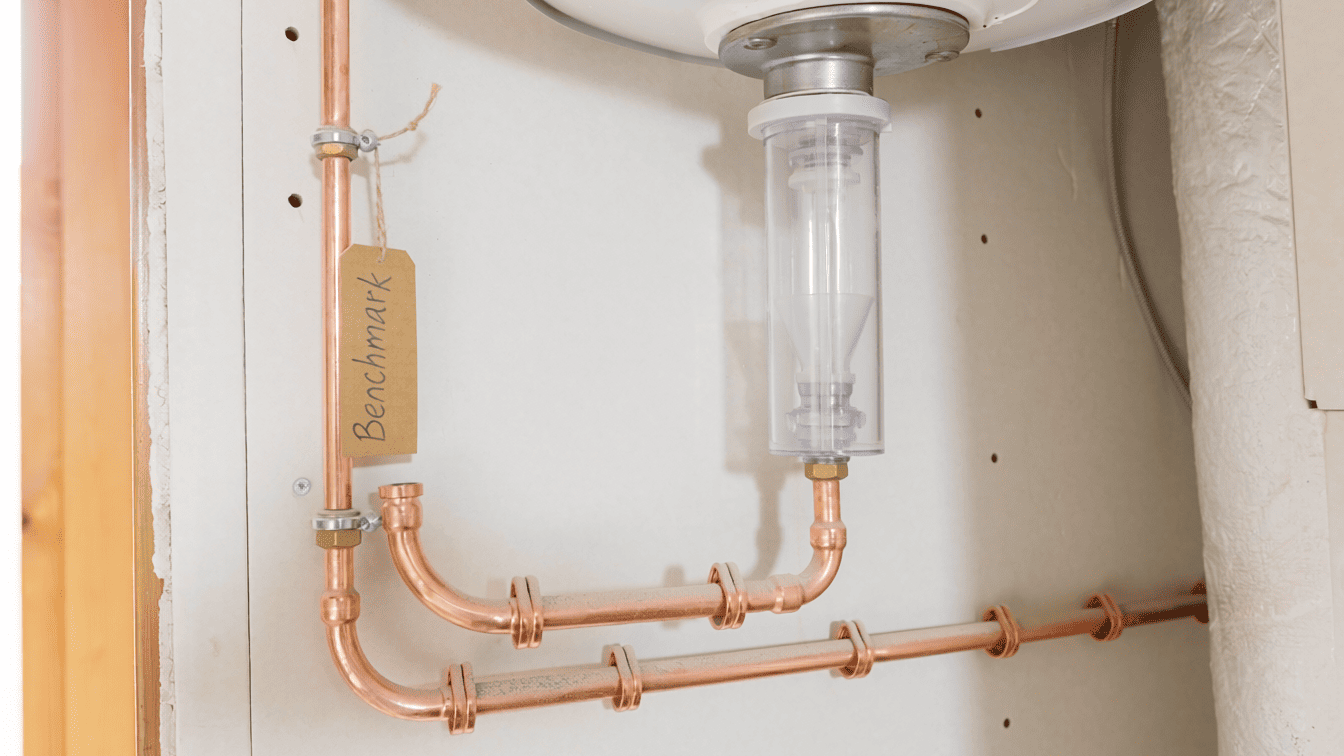
Typically, this requires a temperature relief valve, a pressure relief valve, an expansion vessel, and a properly configured pressure-reducing valve if the incoming mains pressure exceeds the cylinder's rating.
You must also install a dedicated D1 or D2 discharge pipe that safely routes expelled boiling water to a highly visible termination point. The D1 or D2 discharge pipe specification alone trips up many installers. It must be metallic for the first 600mm from the valve, sized correctly, and terminate in a safe location where scalding water won't cause injury.
Gaining the necessary Bpec Unvented qualification allows you to legally install these complex systems. Whether you are installing a standard indirect unit or a high-end pressurised hot water cylinder, holding your Bpec Unvented qualification opens up a massive market of new builds and high-value renovations.
Vented Cylinder Compliance Requirements
Don't mistake the word "simpler" for "unregulated." Vented cylinders must still meet Building Regulations, particularly around water safety and energy efficiency.
The open vent pipe is the primary safety device, allowing natural expansion and preventing pressure build-up. It must rise at least 450mm above the highest water level in the loft-mounted cold water feed cistern and terminate over the tank in a way that aggressively prevents contamination.
The cold water feed cistern needs to comply entirely with Water Supply Regulations. This requires a proper lid, deep insulation to prevent freezing, and a visible overflow pipe.
Temperature control is equally critical. The cylinder thermostat should limit stored water to 60-65°C. For vulnerable occupants, adding dedicated thermostatic radiator valves and independent mixing valves ensures maximum safety.
Energy efficiency requirements under Part L apply strictly to both configurations. You must fit adequate insulation and utilise high-quality pipework insulation on your primary circuits to prevent unnecessary thermal bleed into the surrounding property.
Practical Installation Differences
The on-site reality of installing these systems differs significantly, and understanding these practical distinctions helps you accurately plan your labour, materials, and compliance checks.
Unvented installations demand extreme precision. You are working with highly pressurised systems where every joint must be watertight and every safety device correctly calibrated. The commissioning process takes longer because you must pressure test the entire network, verify the pressure-reducing valve, and confirm the expansion vessel pressure setting matches the static head perfectly.
Vented installations allow more flexibility but introduce entirely different challenges. Routing the open vent correctly matters enormously. It must connect to the cylinder at specific points and never have isolation valves fitted that could be accidentally closed by a homeowner.
Performance Implications For Compliance
Building Regulations care heavily about final outcomes, not just installation methods. A system that technically meets requirements but delivers exceptionally poor performance will generate severe complaints and potential enforcement action.
Flow rates differ dramatically between the two setups. An unvented cylinder connected to a strong 3-bar mains supply delivers blistering performance to multiple outlets simultaneously. A traditional vented setup relies on gravity, delivering substantially lower flow rates depending on the head height.
Recovery time also heavily affects usability. For properties demanding rapid reheat times, specifying a premium cylinder heating system guarantees the boiler can replenish the stored hot water fast enough to keep up with intense family usage. When evaluating unvented vs vented cylinders, heat loss from the loft storage tanks often makes unvented setups marginally more efficient on a SAP calculation.
Common Compliance Failures And How To Avoid Them
Building Control inspectors see the exact same mistakes repeatedly. You must learn from others' highly expensive errors to protect your own margins.
On a recent multi-property conversion, an installer fitted an unvented cylinder in a top-floor flat with marginal mains pressure around 1.2 bar. The system technically functioned, but the flow rates were dreadful. The pressure-reducing valve dropped the incoming pressure further, meaning the shower and kitchen tap couldn't run simultaneously. Building Control passed it, but the furious client demanded a complete redesign. We had to specify a pumped accumulator, completely destroying the initial profit margin on the job.
Common unvented failures include poor D1 or D2 discharge pipe routing and completely missing expansion accommodation. Vented failures often involve inadequate head pressure, dangerous vent pipe dips, or severe contamination risks in the loft.
Choosing The Right System For Compliance And Performance
The final decision between unvented vs vented cylinders shouldn't be purely technical. It needs to account for the property's structure, the client's demands, and your own professional competencies.
Unvented makes total sense when the mains pressure is strong, the property lacks loft space, or multiple high-flow outlets require simultaneous supply. Vented remains highly appropriate when the mains supply is unreliable, the client's budget is severely restricted, or tricky access issues make high-pressure installations impractical.
For installers who don't currently hold a Bpec Unvented qualification, partnering closely with a certified colleague makes brilliant commercial sense. You handle the primary pipework while they commission the unit and provide the final compliance certification.
Documentation And Handover Requirements
Compliance doesn't end when you tighten the last brass fitting. Building Regulations heavily require proper documentation and thorough user instruction.
For unvented installations, you must provide detailed commissioning records showing all test results, manufacturer instructions, the benchmark checklist, and strict emergency procedure information.
For vented installations, the documentation is slightly simpler but absolutely still necessary. You must provide a clear system schematic and comprehensive user instructions covering basic maintenance. Keep copies of everything, because when Building Control eventually requests documentation, you need to produce it immediately.
Regional Variations In UK Regulations
While the core principles remain consistent, regional differences drastically affect compliance requirements across the UK.
Scotland applies much stricter energy efficiency standards under Section 6, often requiring substantially better cylinder insulation than the English minimum. The colder Scottish climate also demands far more attention to heavy freeze protection for loft-mounted cisterns.
Wales applies Approved Documents G and L precisely as in England, but local enforcement practices vary wildly between specific authorities. Understanding these nuanced regional differences prevents devastating compliance issues when you work across county borders.
Future-Proofing Your Installations
Regulations evolve constantly, and the installations you complete today need to remain fully compliant through their entire service life.
Improved energy efficiency standards will continue tightening aggressively under future Part L revisions. Cylinders with exceptional insulation, intelligent smart controls, and seamless integration with renewable heat sources position your installations way ahead of upcoming legislative changes.
Legionella control remains a critical ongoing concern. Both vented and unvented systems need intelligent design features that actively prevent dangerous bacterial growth.
Making The Compliance Process Work For Your Business
Building Regulations compliance shouldn't feel like a frustrating obstacle. It is your professional standard and your ultimate business protection. Installers who treat strict compliance as integral to quality work build far better reputations and avoid incredibly costly comebacks.
Join a Competent Person Scheme if you regularly install unvented cylinders. Self-certification massively streamlines the Building Control process and saves your clients significant money on inspection fees. This gives you a massive competitive advantage when tendering for new work.
Document absolutely everything systematically. Use standard commissioning sheets, take clear photos of critical hidden components, and maintain highly organised records.
Conclusion
The choice between unvented vs vented cylinders ultimately comes down to matching the precise system characteristics to the site conditions, client requirements, and your strict regulatory obligations. Both technologies remain highly compliant and totally appropriate for vastly different applications.
Unvented systems deliver remarkably superior performance where the mains pressure supports them, but they demand highly rigorous safety compliance. Vented systems offer unbeatable simplicity and extreme reliability, particularly in older refurbishment work.
Understanding the regulations isn't just about passing your local inspections. It is about delivering premium installations that perform reliably and safely throughout their entire service life. If you are ever unsure about a complex specification, contact our technical team today for expert guidance on ensuring your next major installation remains completely compliant.