

Upgrading Plumbing When Replacing a Kitchen
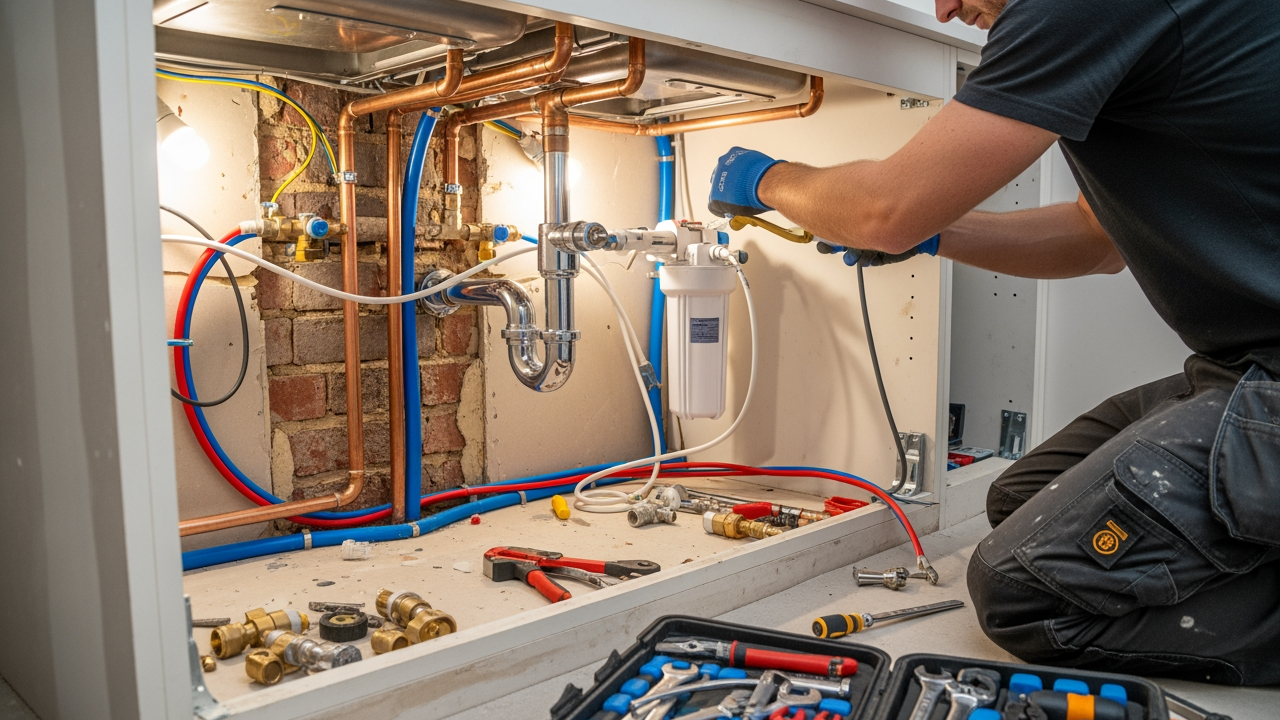
Kitchen renovations present the ideal opportunity to address outdated plumbing infrastructure that might otherwise remain hidden behind cabinets and appliances for years. When undertaking a kitchen replacement, upgrading the plumbing system simultaneously eliminates future disruption, improves water efficiency, and ensures compliance with current regulations. This strategic approach transforms what could be a basic cosmetic update into a comprehensive improvement that enhances both functionality and property value.
Many homeowners focus exclusively on visible elements like worktops, cabinets, and appliances while overlooking the critical infrastructure supporting these features. Yet ageing pipes, inadequate water pressure, and outdated drainage configurations can undermine even the most beautifully designed kitchen. A kitchen plumbing upgrade addresses these foundational issues when access is already available, avoiding the substantial costs and inconvenience of future remedial work.
Why Kitchen Replacements Demand Plumbing Assessment
Kitchen plumbing systems typically remain concealed and undisturbed for decades, making renovation the first opportunity to inspect and assess their condition properly. Pipes installed thirty or forty years ago may have degraded significantly, with corrosion, scale buildup, and material fatigue compromising performance and reliability.
Original installations often reflect the standards and materials common at the time but may fall short of modern requirements. Older properties frequently feature lead pipes, undersized supply lines, or drainage configurations that no longer meet building regulations. Kitchen renovations provide the perfect window to rectify these issues while walls are opened and floors are accessible.
Modern kitchen appliances place different demands on plumbing systems than their predecessors. Today's dishwashers, combination taps, and instant hot water dispensers require adequate water pressure and flow rates that vintage pipework cannot always deliver. Upgrading plumbing infrastructure ensures new appliances operate efficiently and reliably from installation day forward.
Assessing Your Current Plumbing Infrastructure
Before commencing any kitchen plumbing upgrade, a thorough assessment of existing systems identifies problems and informs planning decisions. This evaluation should occur early in the renovation process, ideally before finalising kitchen layout designs that might need adjustment based on plumbing constraints.
Pipe Material Identification
Different pipe materials have varying lifespans, performance characteristics, and compatibility with modern fixtures. Older properties may contain lead pipes, which pose health risks and should be replaced entirely during renovations. Galvanised steel pipes, common in mid-twentieth-century construction, corrode internally over time, restricting water flow and contaminating the supply water with rust particles.
Copper piping represents the traditional standard for quality plumbing installations and remains widely used today. However, copper pipes installed decades ago may show signs of corrosion, pinhole leaks, or joint failures requiring attention. More recent installations might feature plastic pipes in various formats - polybutylene, which has known failure issues, or modern systems like cross-linked polyethene (PEX) or chlorinated polyvinyl chloride (CPVC).
Water Pressure and Flow Testing
Adequate water pressure ensures kitchen taps, dishwashers, and other appliances function properly. Testing should measure both static pressure (with no water flowing) and dynamic pressure (with multiple outlets open simultaneously). UK properties typically receive mains pressure between 1 and 5 bar, though this varies by location and supply network configuration.
Insufficient pressure might indicate undersized supply pipes, partially blocked lines, or problems with the incoming mains connection. Conversely, excessive pressure above 5 bar can damage appliances and cause premature failure of taps and valves. Pressure relief valves protect systems from overpressure conditions while maintaining safe operating parameters.
Drainage System Evaluation
Kitchen drainage requires proper sizing and gradient to prevent blockages and ensure efficient waste removal. Older drainage configurations may feature inadequate pipe diameters, insufficient fall angles, or poor connection details that allow debris accumulation. Kitchen renovations often relocate sinks, dishwashers, and washing machines, necessitating drainage modifications to serve new appliance positions.
The drainage assessment should identify the soil stack location, existing waste pipe routes, and any shared drainage serving multiple properties. Understanding these constraints helps plan new layouts that work with existing infrastructure or identify where modifications become necessary.
Planning Your Kitchen Plumbing Upgrade
Successful plumbing upgrades begin with comprehensive planning that considers current needs, future requirements, and building regulation compliance. This planning phase determines which pipes to replace kitchen pipes with modern materials, where to add new supply lines, and how to optimise drainage configurations.
Appliance Requirements and Positioning
Modern kitchens incorporate numerous water-using appliances, each with specific plumbing needs. Dishwashers require hot and cold supply connections plus dedicated drainage. Washing machines need similar provisions, though kitchen locations are less common in contemporary designs. Combination taps with filtered water or instant hot functions demand additional supply lines and sometimes electrical connections.
American-style fridge freezers with ice makers and water dispensers require cold water supply lines, typically connected using quarter-inch copper or flexible plastic tubing. Positioning these appliances near existing supply points simplifies installations, though running new lines during renovations remains straightforward when walls are opened.
Supply Line Routing and Sizing
Modern supply line installations should use appropriately sized pipes that deliver adequate flow to all outlets simultaneously. The main kitchen supply typically uses 15mm copper pipe or equivalent plastic sizes, with 10mm or 8mm branches serving individual taps or appliances. Undersized pipes restrict flow and reduce pressure at outlets, particularly when multiple fixtures operate concurrently.
Planning new routes considers aesthetics, accessibility, and building fabric protection. Pipes should avoid external walls where possible to prevent freezing, incorporate isolation valves at strategic locations, and follow routes that minimise drilling through structural elements. Heating and Plumbing World supplies a comprehensive ranges of copper pipes, plastic systems, and connection fittings to support any configuration.
Drainage Planning and Waste Connections
New drainage routes must maintain adequate fall gradients - typically 1:40 to 1:100 depending on pipe diameter and waste type. Kitchen sink wastes use 40mm pipes with bottle traps or shallow traps suited to kitchen cabinet installations. Dishwashers and washing machines connect via standpipes with trapped branches preventing odour entry.
Where kitchen layouts relocate sinks significantly from original positions, extending waste runs may prove necessary. Long horizontal runs require careful gradient maintenance and potentially larger pipe diameters to prevent blockages. Some configurations benefit from pumped waste systems that overcome gradient limitations when gravity drainage proves impractical.
Key Upgrade Opportunities During Kitchen Replacement
Kitchen renovations create opportunities to implement improvements that would be difficult or expensive to retrofit later. Identifying these opportunities during planning ensures maximum benefit from the access and disruption already occurring.
Water Supply Pipe Replacement
Replacing aged supply pipes eliminates future failure risks and improves flow characteristics throughout the kitchen. This work typically involves running new copper or plastic pipes from the property's incoming mains supply to all kitchen outlets. Modern installations incorporate isolation valves at the kitchen entry point and at individual appliances, simplifying future maintenance.
The decision to replace kitchen pipes depends on existing material condition, age, and performance. Properties with lead pipes must replace them entirely. Galvanised steel showing corrosion or reduced flow warrants replacement. Even copper pipes over forty years old benefit from renewal if renovation access makes this practical.
Additional Outlet Installation
Future-proofing kitchen plumbing means installing supply points for appliances not currently planned but potentially added later. An extra cold supply with an isolation valve costs little during renovation but avoids substantial work if a water dispenser or additional appliance is subsequently installed. Similarly, capped hot supplies near potential coffee machine or instant tap locations provide flexibility.
Consider dedicated supply lines for appliances requiring consistent pressure, particularly combination boilers serving both heating and hot water. Isolation valves at each appliance connection point allow individual maintenance without shutting down the entire kitchen supply.
Water Quality Improvements
Kitchen renovations provide opportunities to enhance water quality through filtration or treatment systems. Undersink filters remove chlorine, sediment, and taste-affecting compounds, connecting between the cold supply and dedicated filter taps. Whole-house systems installed at the kitchen entry point benefit all outlets throughout the property.
Properties with hard water might install water softeners during kitchen upgrades, protecting appliances from scale buildup and improving cleaning efficiency. Softener installations require drainage connections for regeneration cycles plus electrical supplies for timer controls. Planning these provisions during renovation proves far simpler than retrofitting later.
Hot Water System Integration
Kitchen plumbing upgrades should integrate effectively with hot water systems, whether conventional cylinders, combination boilers, or instantaneous heaters. Properties using stored hot water benefit from reviewing circulation arrangements, potentially adding circulation pumps or insulated pipes that reduce waiting times for hot water delivery.
Combination boiler systems supplying kitchens require adequate flow rates to serve taps and appliances simultaneously. Testing should verify that boiler output capacity matches kitchen demands, particularly when multiple hot water outlets might operate together. Expansion vessels maintain stable pressure in sealed heating systems, preventing fluctuations that affect kitchen hot water delivery.
Material Choices for Modern Kitchen Plumbing
Selecting appropriate materials for kitchen plumbing upgrades involves balancing performance, cost, durability, and installation complexity. Different materials suit different applications, with modern installations often combining multiple types optimally matched to specific requirements.
Copper Piping Systems
Copper remains the premium choice for kitchen plumbing installations, offering proven durability, high temperature tolerance, and universal compatibility with fixtures and fittings. Copper pipes withstand hot water temperatures indefinitely, resist bacterial growth, and maintain consistent performance over decades. The material's rigidity provides secure routing and reliable connections.
Modern copper installations use compression fittings, soldered joints, or push-fit connectors, depending on installer preference and application requirements. Compression fittings offer reliability and ease of future modification. Soldered joints provide permanent, high-integrity connections suited to concealed routes. Push-fit systems enable rapid installation with demountable connections.
Cross-Linked Polyethene (PEX)
PEX piping has gained significant market share for domestic plumbing applications, offering flexibility, corrosion resistance, and simplified installation. The material's flexibility allows continuous pipe runs from manifolds to outlets without intermediate joints, reducing potential leak points. PEX withstands freezing without bursting, making it suitable for routes through cold spaces.
Kitchen installations using PEX typically employ manifold systems with individual dedicated lines to each outlet. This configuration simplifies isolation, enables balanced flow distribution, and reduces pressure loss compared to traditional branched copper systems. However, PEX requires protection from ultraviolet light and direct sunlight, limiting its use in exposed locations.
Multilayer Composite Pipes
Composite pipes combining plastic layers with aluminium or other metals offer the advantages of both materials. The plastic provides corrosion resistance and smooth internal surfaces, while metal layers add rigidity and oxygen barrier properties. These pipes are installed using compression or push-fit fittings, combining copper-like handling with plastic's corrosion immunity.
Kitchen applications particularly benefit from the composite pipe's shape retention after bending, enabling neat routing behind cabinets and through confined spaces. The material suits both hot and cold supplies, maintains pressure effectively, and resists scale buildup better than copper in hard water areas.
Drainage Upgrade Considerations
Modern drainage systems must handle kitchen waste efficiently while preventing odours, blockages, and water damage. Upgrading drainage during kitchen replacement addresses aged materials, improves configurations, and ensures compliance with current building regulations.
Waste Pipe Materials and Routing
Contemporary kitchen drainage uses plastic pipes - typically polypropylene or ABS - that resist corrosion and scale accumulation. These materials install using solvent-weld or push-fit joints, creating reliable waste systems that require minimal maintenance. Older kitchens might feature cast iron or lead waste pipes that warrant replacement with modern alternatives.
Planning waste routes requires maintaining adequate gradients while minimising pipe runs through living spaces. Hidden routes behind cabinets, below floors, or within boxing work best aesthetically. Access provisions at key points enable future maintenance should blockages occur despite proper installation.
Trap Selection and Installation
Kitchen sinks require traps that prevent drainage odours from entering living spaces while accommodating modern waste disposal units, where fitted. Deep bottle traps suit traditional installations, while shallow traps fit beneath low-profile undermount sinks. Trap selection should consider cleaning access, as kitchen waste includes grease and food particles prone to accumulation.
Properties with waste disposal units need suitable traps that withstand the additional load and turbulence these appliances create. Some traps incorporate anti-siphon devices, preventing water seal loss during rapid waste discharge from disposal units or dishwashers.
Dishwasher and Appliance Waste Connections
Dishwashers discharge waste intermittently at high flow rates, requiring proper connection arrangements that prevent backflow and odour entry. Standpipes with trapped branches or dedicated connections to sink waste pipes provide suitable discharge points. Connection heights must exceed dishwasher outlet levels to prevent gravity backflow when machines are not running.
Air gaps or anti-siphon valves protect dishwashers from contaminated water backflow should drainage blockages occur. Building regulations specify these provisions in commercial kitchens, though domestic installations benefit from similar protection. Proper waste connections prevent the unhygienic conditions that develop when appliances discharge inadequately.
Building Regulation Compliance
Kitchen plumbing upgrades must comply with building regulations governing water supply, drainage, and energy efficiency. Understanding these requirements during planning ensures installations meet legal standards while avoiding costly modifications following building control inspections.
Water Supply Regulations
Part G of the Building Regulations covers water efficiency, requiring kitchen taps to flow at rates not exceeding specific limits. Modern taps incorporate flow restrictors, achieving these requirements while maintaining a satisfactory user experience. Installations must prevent contamination risks through proper backflow prevention devices, particularly where kitchen supplies connect to appliances.
Stop valves must be accessible for emergency isolation, typically positioned under kitchen sinks or in adjacent cupboards. The main supply entry point should feature an easily accessible isolation valve allowing the entire property to be isolated rapidly if leaks develop. Water tanks serving kitchen supplies must comply with storage and overflow provisions, preventing contamination.
Drainage Regulations
Building regulations require proper trap seals, adequate ventilation, and compliant connection details for all drainage work. Kitchen waste connections to soil stacks must follow specific rules regarding connection angles, distances from other connections, and stack ventilation provisions. DIY installations often overlook these technical requirements, creating problems that emerge during building control inspections.
Properties modifying drainage arrangements might require building control notification, depending on the scope of work. Significant alterations, new drainage runs, or changes affecting shared drainage typically require notification and inspection. Planning these requirements early prevents delays during renovation programmes.
Professional Installation Versus DIY Approaches
Kitchen plumbing upgrades involve significant technical complexity and building regulation compliance requirements that influence whether professional installation or DIY approaches prove appropriate. This decision affects project success, legal compliance, and long-term reliability.
When Professional Installation Is Essential
Gas connections to kitchen appliances require Gas Safe registered engineers - no exceptions exist for DIY work on gas installations. Properties using combination boilers for kitchen hot water should involve heating professionals in upgrade planning, ensuring modifications don't compromise heating system performance or safety.
Complex drainage modifications, particularly those affecting soil stacks or shared systems, benefit from professional expertise. Plumbers understand gradient requirements, proper venting arrangements, and connection details that prevent future problems. Insurance coverage often depends on professional installation, with DIY work potentially invalidating claims following water damage.
DIY-Suitable Plumbing Tasks
Competent DIYers can tackle certain kitchen plumbing tasks, particularly those using modern push-fit systems requiring no specialist tools or techniques. Replacing kitchen taps, connecting washing machines or dishwashers to existing supplies, and fitting undersink filters suit DIY approaches when individuals possess appropriate skills and confidence.
However, DIY installations must still comply with building regulations, potentially requiring building control notification and inspection. Understanding when professional installation proves necessary versus when DIY approaches suffice helps optimise renovation budgets while ensuring compliant, reliable outcomes.
Cost Considerations for Kitchen Plumbing Upgrades
Kitchen plumbing upgrade costs vary substantially depending on scope, materials, and professional labour requirements. Understanding typical cost ranges helps budget appropriately while identifying potential savings through strategic decisions.
Material Costs
Copper pipe and fittings cost more than plastic alternatives but offer proven longevity and universal installer familiarity. A complete kitchen supply line replacement using copper might cost £200-£400 in materials for a typical installation. PEX or multilayer composite systems achieve similar coverage for £150-£300, though costs depend heavily on specific configurations and fitting quantities.
Drainage materials prove relatively inexpensive, with complete kitchen waste systems typically costing under £100 in materials. Specialist components like waste disposal unit connections, anti-siphon valves, or pumped waste systems add incrementally to these baseline figures.
Labour Costs
Professional plumber rates vary regionally but typically range from £40 to £80 per hour. Complete kitchen plumbing upgrades involving supply and drainage replacement might require 2-4 days of skilled labour, translating to £640-£2,560 in professional fees. Complex installations requiring extensive pipework modifications or building fabric alterations sit toward the higher end of this range.
Combining plumbing upgrades with kitchen installation work may reduce overall costs, as access and preparation work serves both trades simultaneously. Some kitchen installation companies include basic plumbing provisions in quoted prices, though significant upgrades typically attract additional charges.
Long-Term Value
Kitchen plumbing upgrades deliver returns through improved reliability, reduced maintenance requirements, and enhanced property value. New installations eliminate leak risks from aged pipes, improve appliance performance through better pressure and flow, and provide compliance assurance, reducing future modification requirements. These benefits justify upgrade investments even when existing plumbing appears superficially adequate.
Timing and Coordination
Successfully integrating a kitchen plumbing upgrade requires careful timing coordination with other renovation trades and activities. This scheduling ensures work progresses logically without trades interfering with each other or creating unnecessary delays.
First Fix Plumbing Stage
Initial plumbing work - termed "first fix" - occurs after kitchen removal but before new units are installed. This stage involves running new supply pipes and drainage routes to planned appliance and sink locations, typically leaving pipes stubbed out, ready for final connections. Pipework should be pressure-tested at this stage to verify integrity before walls close and units are installed.
First fix work coordinates with electrical installations, as both trades require similar access to wall cavities and floor voids. Communication between plumber and electrician prevents conflicts over routing and ensures proper coordination where services cross or run parallel. Building control inspections often occur at the first fix stage, verifying compliance before concealing work.
Second Fix Plumbing Stage
Final plumbing connections - "second fix" - occur after kitchen units are installed but before worktops fit. This timing allows plumbers to fit taps, make appliance connections, and test that everything functions correctly. Worktop templating should account for tap positions and any undermount sink preparations.
Final drainage connections complete at second fix, with waste traps fitting beneath sinks and appliance standpipes installed in designated locations. Testing should verify proper drainage flow and trap seal retention before considering work complete.
Maintaining Your Upgraded Kitchen Plumbing
New plumbing installations require minimal maintenance but benefit from periodic attention, ensuring optimal performance throughout their service life. Establishing simple maintenance routines prevents minor issues from escalating into significant problems.
Regular Inspection Points
Check beneath sink cabinets monthly for signs of leaks, moisture, or unusual odours indicating drainage problems. Compression fittings occasionally require tightening as pipes settle into new positions. Identifying and addressing minor leaks immediately prevents water damage to kitchen units and the surrounding building fabric.
Test isolation valves annually by closing and reopening them, ensuring they remain functional for emergency use. Valves that are rarely operated can seize over time, making emergency isolation difficult when needed. Annual operation with light lubrication maintains reliability.
Appliance Connection Maintenance
Dishwasher and washing machine supply hoses should be inspected regularly for signs of deterioration, bulging, or cracking. These flexible hoses represent common failure points, with burst hoses causing substantial water damage. Replacing hoses every five years prevents most failures, with replacements costing £10-£20 yet potentially saving thousands in flood damage.
Filter aerators in kitchen taps accumulate sediment and scale over time, reducing flow rates and affecting spray patterns. Removing and cleaning these filters quarterly maintains optimal performance and extends tap service life.
Future-Proofing Your Kitchen Plumbing
Strategic kitchen plumbing upgrades consider not just current requirements but also anticipate future needs and potential modifications. This forward-thinking approach maximises installation value and minimises future disruption.
Provision for Future Additions
Installing capped supply points for potential future appliances costs little during renovation but provides valuable flexibility later. A cold supply near refrigerator locations accommodates ice makers without requiring subsequent pipe modifications. Hot and cold supplies positioned for potential coffee machines or instant hot water taps enable easy additions.
Drainage provisions for potential appliance additions similarly prove worthwhile, particularly if kitchen layouts might accommodate washing machines or additional sinks in future. Capped waste branches or standpipes positioned strategically cost minimal amounts during installation but eliminate major work if subsequently required.
Smart Home Integration Considerations
Modern kitchens increasingly incorporate smart appliances and monitoring systems requiring network connectivity alongside traditional plumbing. Planning cable routes during renovations enables future smart tap installations, leak detection systems, or water usage monitors without subsequent disruption.
Leak detection devices installed at key points provide early warning of developing problems, often allowing intervention before significant damage occurs. These systems range from simple battery-powered sensors to whole-house monitoring integrated with smart home platforms.
Completing Your Kitchen Transformation
A comprehensive kitchen plumbing upgrade transforms renovation projects from cosmetic updates into genuine improvements that enhance functionality, reliability, and property value. By addressing infrastructure alongside visible elements, renovations deliver benefits extending far beyond aesthetic improvements.
The investment in quality plumbing work pays dividends through decades of reliable service, efficient appliance operation, and peace of mind knowing systems meet modern standards. Whether undertaking modest refreshes or complete redesigns, prioritising plumbing infrastructure creates kitchens that perform as impressively as they appear.
For expert guidance on kitchen plumbing projects, component selection, or addressing specific technical challenges, contact us to discuss requirements with experienced professionals who understand the complexities of successful kitchen installations.