

Using Heat Recovery Ventilation Systems in Cold Weather
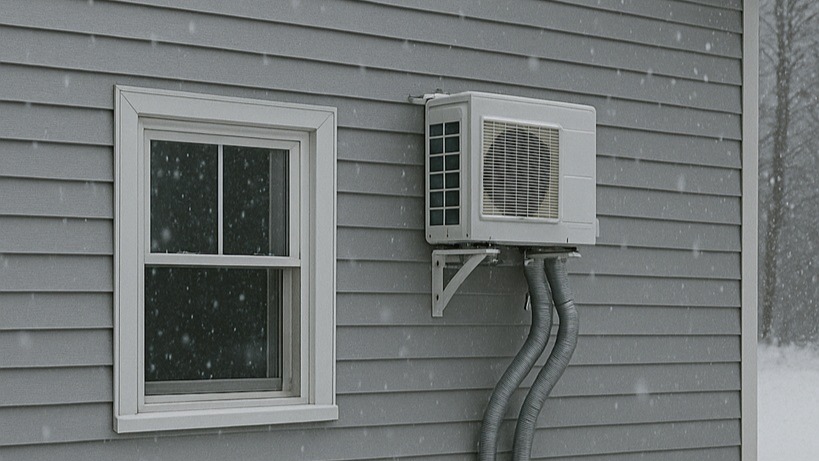
When winter tightens its grip, mechanical ventilation faces its toughest challenge. Cold external air, icy roof ducts, and occupied interiors full of moisture all conspire to upset the balance between indoor air quality and energy efficiency. This is precisely where Heat Recovery Ventilation (HRV) systems come into their own. But maintaining strong HRV performance in winter isn’t automatic; it depends on careful system design, component selection, and maintenance discipline.
For professional installers and facilities engineers, understanding how HRV systems in cold weather behave is essential. The right configuration can cut heating losses dramatically and prevent issues like condensation, draught complaints, or frozen cores. Done poorly, however, an HRV can become a liability, drawing heat out of the building and wasting electricity.
Understanding the Principle of Heat Recovery Ventilation
An HRV system is designed to provide a continuous supply of fresh, filtered air to a building while recovering heat from the stale air being extracted. It operates through two air streams that pass through a heat exchanger core, usually aluminium or polymer, where energy from the warm exhaust air is transferred to the incoming cold air without mixing the two flows.
During the heating season, this process can reclaim up to 90% of the heat that would otherwise escape through open vents or extractor fans. By the time the incoming air reaches the occupied space, it’s comfortably pre-warmed, reducing the workload on the main heating system.
In essence, HRV acts like a lung for the building, breathing in fresh air while retaining body heat. But just like the human body, its performance can drop if the environment becomes too harsh or if vital parts aren’t properly maintained.
A Real-World Analogy
Imagine an HRV unit as a set of lungs wearing a scarf. In mild weather, it breathes easily, and warm indoor air keeps the system comfortable. In sub-zero conditions, the scarf (the heat exchanger) becomes the line of defence against cold, ensuring no icy draughts enter the building. But if that scarf gets wet or clogged with frost, breathing becomes harder. The result? Reduced airflow, lower efficiency, and potential system shutdown.
That’s exactly what happens when HRV systems in cold weather aren’t designed or serviced correctly. Ice can form inside the exchanger core, restricting airflow and damaging motors. Preventing that outcome is one of the key challenges faced by heating and ventilation engineers every winter.
Why HRV Systems Matter in Winter
During winter, buildings are sealed tightly to retain heat. This limits natural ventilation and traps pollutants, moisture, and CO₂ indoors. Without controlled air exchange, condensation forms on windows, mould appears in corners, and indoor air quality drops.
HRV systems counter these problems by maintaining continuous air change while preserving warmth. They help prevent moisture buildup, reduce heat losses, and stabilise humidity, all critical factors in occupant comfort and building health.
Key Benefits in Cold Climates
- Consistent Indoor Air Quality: Keeps oxygen levels high and removes contaminants.
- Moisture Control: Reduces condensation, protecting plaster and timber.
- Energy Efficiency: Recovers most of the heat from exhaust air, saving fuel.
- Comfort: Provides balanced, filtered airflow without draughts.
- Regulatory Compliance: Meets ventilation requirements under Building Regulations Part F and L.
These features make HRV indispensable in modern airtight buildings, from social housing developments to high-end offices.
What Happens to HRV Performance in Winter
Several environmental and system factors influence the efficiency of HRV performance in winter:
- Outdoor Temperature: The colder it gets, the greater the heat recovery potential, but also the higher the risk of frost formation inside the exchanger.
- Humidity Levels: Moisture from showers, cooking, and breathing increases condensation risk.
- Defrost Mechanism: Quality HRV units include bypass dampers or preheaters to prevent freezing.
- System Balancing: Incorrectly balanced supply and extract fans can cause negative pressure and temperature drops.
- Maintenance State: Blocked filters restrict airflow and strain motors, reducing recovery efficiency.
An efficient HRV in summer can lose up to 20% of its performance if filters are clogged or fans are misaligned, something to bear in mind before the cold sets in.
Practical Installation Considerations for Cold Climates
To maintain reliable HRV performance in winter, installers must focus on details that may seem minor but have significant consequences.
Duct Insulation
All external and roof-space ductwork must be fully insulated to prevent condensation and frost formation. Using high-quality Fittings and vapour-sealed insulation sleeves is essential. Even a small gap in insulation can lead to water ingress or heat loss.
Drainage and Condensate Handling
As warm, moist air passes through the heat exchanger, condensation forms. This needs proper drainage to a trap and tundish. Frozen drains can cause backups, so trace heating or routing within conditioned zones is recommended.
Balanced Airflow
The HRV’s supply and extract fans must be carefully balanced. An imbalance not only affects comfort but can also cause negative pressure that draws in cold air through leaks, undermining efficiency. For precise adjustment, use variable-speed controls from Danfoss or EPH Controls to fine-tune flow rates.
Electrical Preheaters and Frost Protection
Many modern HRV units incorporate electric preheaters to temper incoming air and prevent core freezing. Where not included, standalone inline preheaters can be added, often controlled by a frost thermostat for energy efficiency.
Filters and Maintenance Access
Accessible filter panels make winter servicing practical. Always choose filters rated for fine particulate removal without excessive pressure drop. Replacement intervals should be shorter in winter due to increased indoor activity and external pollutants.
A Site Example from Practice
During a renovation of a multi-unit housing block in Manchester, a contractor installed 16 compact HRV systems within roof voids. The winter following completion saw sub-zero temperatures for over two weeks. Initially, two units suffered intermittent frosting.
After investigation, the team discovered insufficient insulation around the roof duct joints and no trace heating on the condensate drains. Once these were corrected and defrost control parameters adjusted, all systems ran flawlessly for the rest of the season.
The lesson was simple: in HRV systems, cold-weather operation, small oversights in installation can quickly erode the expected efficiency gains.
Selecting the Right Components for Winter Durability
Long-term reliability in low temperatures depends on component quality.
Motors and Fans
Choose EC (electronically commutated) fans for lower energy consumption and quieter operation. These adapt automatically to resistance changes caused by filter loading or temperature variations.
Controls
Smart ventilation controls from Honeywell or Danfoss allow frost protection algorithms and schedule control. Integration with a building management system (BMS) ensures continuous monitoring.
Heat Exchangers
Counterflow plate heat exchangers recover more heat than crossflow designs and are less prone to cross-contamination. In severe climates, some systems employ enthalpy exchangers that also transfer moisture, helping stabilise humidity indoors.
Pumps and Ancillaries
For centralised HRV setups with water-based preheaters or post-heaters, use dependable circulation pumps from Grundfos or Lowara to ensure steady performance even in freezing conditions. A well-sized Altecnic expansion vessel in the coil circuit protects against thermal expansion and pressure spikes.
Maintenance Routines for Cold-Weather Reliability
Professionals should schedule HRV service at the start and end of each heating season. Key winter checks include:
- Cleaning or replacing filters.
- Inspecting drain traps and ensuring condensate flow.
- Checking preheater operation and sensor calibration.
- Inspecting duct seals for frost or condensation.
- Confirm that the bypass damper closes properly in heating mode.
Regular maintenance isn’t just about performance; it prevents expensive failures. A frozen heat exchanger can crack and lead to system downtime or costly replacements.
Managing Energy Efficiency During the Heating Season
Energy savings from HRV depend on how the unit is controlled. A common error is running systems continuously at maximum speed. In cold weather, that can over-ventilate and over-cool interiors. Instead, use smart controls that modulate airflow based on occupancy or humidity sensors.
Modern programmable controllers available through EPH Controls or Honeywell can automatically switch between low and high modes depending on CO₂ levels or moisture detection. This ensures air quality is maintained without wasting heat or power.
HRV in Commercial Environments
Commercial buildings face unique challenges in winter. Large open-plan areas, fluctuating occupancy, and longer operating hours can all strain an HRV system.
Facilities managers should integrate ventilation control into the building’s energy strategy. For example, reducing ventilation rates after hours or linking operations with heating schedules can yield significant savings.
Where multiple air-handling units are used, hydraulic integration through buffer circuits and reliable Grundfos pumps ensures steady flow and avoids frost damage in water coils.
Cold-Weather Troubleshooting
When performance drops in cold conditions, these are the typical culprits:
- Filter Blockage: Reduces airflow, causing the exchanger to freeze.
- Faulty Frost Sensor: Fails to trigger defrost cycle.
- Condensate Blockage: Backflow of moisture into the exchanger.
- Air Imbalance: Negative pressure pulls cold air through building leaks.
- Preheater Failure: Inadequate air temperature entering the unit.
A simple rule applies: if the supply air temperature falls below 10°C at the diffuser when heating is on, investigate immediately. Continuous monitoring with temperature sensors or data logging will help identify early warning signs before occupants complain.
The Role of HRV in Energy-Efficient Building Design
For engineers involved in new-build or major refurbishment projects, HRV is a cornerstone of sustainable building design. Passive House and low-energy standards require continuous ventilation with heat recovery to minimise losses.
In winter, the system’s contribution is most visible; it keeps interiors fresh while preserving up to 90% of the building’s thermal energy. This synergy between airtightness and mechanical ventilation represents modern best practice in both residential and commercial sectors.
HRV and Other System Integrations
HRV units can be integrated with other renewable technologies to create hybrid energy solutions. For instance, combining HRV with ground source heat pumps or air-to-water systems enables shared energy recovery loops.
In some cases, waste heat from commercial refrigeration or server rooms can also be recovered via dedicated coils, further boosting system efficiency. Using Altecnic pressure vessels and Grundfos circulators within these integrated systems ensures the water side remains stable and efficient.
A Brief Case from the Field
On a recent retrofit of an office complex in Bristol, engineers installed a high-capacity HRV with an integral frost-protected heat exchanger and bypass control. The system was paired with variable-speed Grundfos pumps serving a low-temperature hot-water circuit.
By tuning the defrost cycle and balancing the supply and extract flow using Danfoss controls, the building achieved a 45% reduction in heating energy during the coldest quarter of the year. Indoor air quality remained within comfort limits throughout.
This project illustrates that HRV systems in cold weather can deliver excellent performance when design, control, and maintenance align.
Long-Term Reliability and Payback
The economic case for HRV is strong. Payback typically occurs within five to seven years in well-insulated properties, faster in commercial buildings with high ventilation demands. Once installed, systems require minimal energy to operate, usually less than 10% of what is saved in heating energy.
A properly maintained HRV unit can last 15–20 years. Replacement parts, such as fans or filters, are relatively low-cost compared with the savings achieved. Long-term, the system not only reduces bills but also enhances occupant wellbeing, productivity, and property value.
Best Practices for Professionals
- Plan for Access: Always allow space for filter changes and coil inspection.
- Insulate All Ducts: Prevent heat loss and condensation.
- Use Quality Components: Pumps, controls, and fittings from trusted suppliers ensure longevity.
- Monitor Performance: Include temperature sensors and differential pressure gauges.
- Educate the Client: Simple operating guidance avoids user tampering that reduces efficiency.
Professionals who apply these principles can confidently deliver systems that meet modern performance expectations even during harsh winters.
Conclusion
As Britain’s winters grow longer and energy costs climb, HRV systems in cold weather have proven indispensable in maintaining comfort and efficiency. When installed and maintained correctly, their ability to preserve warmth, manage humidity, and provide healthy indoor air is unmatched.
Strong HRV performance in winter depends on the same fundamentals that underpin any good heating or ventilation project: correct design, balanced airflow, and dependable components. With precision controls from Honeywell or EPH Controls, durable Grundfos pumps, and pressure-stable Altecnic vessels, a system can operate flawlessly year after year.
For installers, specifiers, and facilities teams, the lesson is clear: winter need not compromise performance. A well-engineered HRV system transforms cold weather from a challenge into an opportunity for efficiency.
When sourcing HRV-related components, professional installers can rely on Heating and Plumbing World as a trusted supplier of high-quality pumps, controls, fittings, and ventilation accessories. For technical support or project guidance, you can always get in touch with their expert team.