

Using TRVs (Thermostatic Radiator Valves) to Save Energy
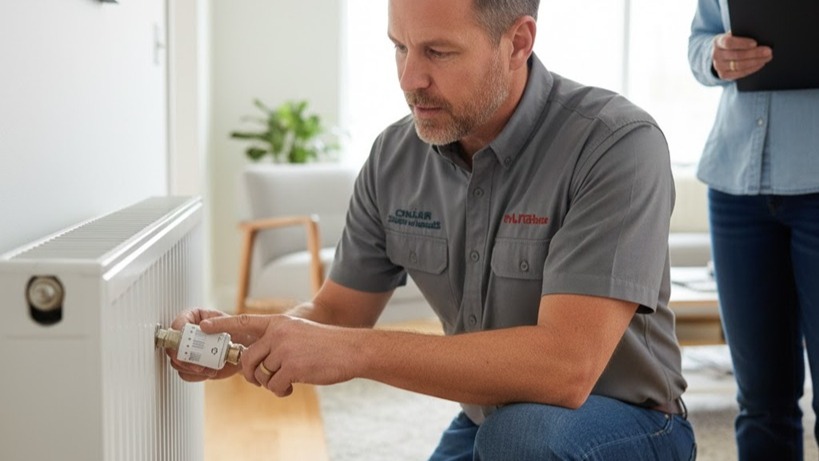
Heating accounts for a big slice of any household energy bill, so finding simple tweaks that make a difference is always welcome. Many homeowners find that fitting thermostatic radiator valves in their properties leads to noticeably reduced heating usage, eliminating the need to constantly adjust the central thermostat or deal with cold spare rooms. Let's explore how to harness TRVs for energy savings, keep every room at the perfect temperature and watch those bills shrink.
Why Every Home Owner Should Know About Thermostatic Radiator Valves
Even if you've used a car, you'll know that cruise control keeps speed steady and saves fuel on long journeys. TRVs do something similar for your home: they automatically regulate the flow of hot water through each radiator to maintain your chosen room temperature. That means you're not overheating an empty study or leaving the kids to shiver in their bedroom because the thermostat is set for the lounge.
Targeted comfort - Spend less time shouting "it's boiling in here!" or "can't feel my toes!" - each room can have its own temperature dial.
Energy efficiency - TRVs cut waste by shutting off once a radiator reaches its set temperature and reopening only when needed.
Easy retrofit - Most modern radiators accept TRVs, so you won't need a full system overhaul, just new valve inserts and a little DIY (or call in your plumber).
Ready to unlock better comfort and lower bills? Let's dive into how thermostatic radiator valves work and the best way to fit them.
How TRVs for Energy Savings Really Operate
It's one thing to know TRVs save energy in theory, but understanding the nuts and bolts helps you make the most of them.
The Science Behind the Self-Regulating Valve
Inside each TRV is a wax or liquid-filled element that expands and contracts with temperature. As the room warms up to your set level, the element pushes against a pin, partially closing the valve and throttling the hot water flow. When the temperature dips, the element contracts, the pin lifts off its seat, and hot water rushes through again.
Precise control - Dial settings (usually numbered 1 to 5) correspond roughly to temperatures between 10°C and 28°C.
Continuous adjustment - Unlike on/off thermostats, TRVs modulate flow in small increments, so you avoid big swings in comfort and boiler cycling.
Compatibility - Works with most hot-water central heating systems - just check valve size and thread type before purchasing.
Spotting Real-World Savings
A typical detached home in the UK could save up to 15% on heating bills by installing TRVs on every radiator, even rooms rarely in use. If your annual gas bill is £1,200, that's nearly £180 back in your pocket each year. Not bad for a small investment in TRVs for energy savings.
Picking the Right Thermostatic Radiator Valves for Your Installation
With so many makes and models on the market, choosing TRVs can feel overwhelming. From budget-friendly to premium designer styles, here's how to zero in on the best fit:
Valve compatibility - Check your radiator inlet threads (usually ½″ or ¾″ BSP). Danfoss valves cover most standard sizes.
Accuracy and build quality - Higher-grade valves, like those from Honeywell, often feature a more precise temperature scale and smoother action.
Aesthetics - Whether you favour polished chrome, white plastic or bold brass, there's a style to suit your décor.
Special features - Some models come with tool-adjustable heads (ideal for childproofing) or pre-set stops to prevent guest mischief.
Tip: If you're replacing old manual valves, consider upgrading both the valve body and thermostatic head to ensure full compatibility and a consistent look across all radiators. Quality valves pair well with reliable boiler spares for comprehensive system performance.
Installing TRVs: A Straightforward Guide
You don't need to be a gas-safe engineer to fit thermostatic radiator valves - most handy DIYers can handle the job in an afternoon. If you'd rather leave it to the pros, reach out to your local installer. Either way, here's the typical process:
Isolate and drain - Switch off the boiler and close the lockshield valve on the radiator. Drain just enough water to drop below the old valve.
Remove the old valve - Use two adjustable spanners: one to grip the valve body, the other to loosen the nut on the radiator tailpiece.
Clean the tailpiece - Remove any old sealant or debris to ensure a watertight fit for your new TRV.
Fit the new valve body - Wrap the tailpiece with PTFE tape, slide on the valve, and tighten the nut firmly (but avoid over-tightening).
Attach the thermostatic head - Simply push or screw on, depending on model - refer to the manufacturer's instructions.
Refill and test - Open lockshield and feed valves, top up the system, bleed the radiator, then fire up the boiler. Twist the TRV head through all settings to check for smooth operation.
When to Call in Reinforcements
If your system has sludge, corroded pipes or unequal pressure, fitting TRVs might require a powerflush or balancing by a Gas Safe-registered engineer. Specialists who understand heating systems can provide expert installation support.
Balancing Your System for Even Warmth
Once every radiator has a TRV, the next step is balancing: adjusting lockshield valves so each radiates heat evenly. If your hall radiator gets scalding while the bedroom by the stairs barely warms, you'll need to throttle flow back into the hall and open up the bedroom valve. Balancing transforms TRVs for energy savings from a "nice-to-have" into an energy-saving powerhouse, because it avoids overworking the boiler and keeps circulation smooth.
Coarse balancing: Run all TRVs at mid-point, then adjust lockshield until all radiators heat up roughly equally within minutes.
Fine tuning: Set each TRV to its usual winter setting and tweak lockshield until that room reaches and holds the ideal temperature quickly.
Pro tip: A simple thermometer placed on the radiator surface helps gauge temperature differences. Consistent readings across rooms mean you're spot on.
Maintenance Tips for Long-Lasting Performance
Once installed, thermostatic radiator valves are largely self-sufficient, but a little TLC goes a long way:
Annual check - During your boiler service, ask the engineer to cycle each TRV head through its range to prevent sticking.
Keep vents clear - Don't stack furniture or tall plants in front of radiators - TRVs rely on air movement around the head to sense room temperature.
Replace faulty heads - If a TRV no longer shuts off fully or leaks, it's usually the head that needs swapping, not the entire valve body.
Replacement TRV heads from Altecnic Ltd and Myson offer a quick fix without draining the system.
Real-Life Savings: Stories from UK Homes
Homeowners across the UK report substantial savings after fitting TRVs on all radiators. In Leeds, one household noticed their gas bill drop by £50 within two months - that's over £200 saved over winter. In Edinburgh, a four-bed semi saw a 12% reduction in annual heating costs after installing TRVs and balancing their system, allowing the family to relax in separate zones without thermostat disputes.
Every home's savings will vary based on insulation, boiler efficiency and usage habits, but one thing's certain: once you've experienced zoned heating with TRVs for energy savings, you'll wonder how you ever managed without them.
Beyond Valves: Pairing TRVs with Other Energy-Saving Measures
TRVs make a strong first line of defence, but to maximise savings consider these complementary steps:
Thermal controls - Integrate TRVs with smart thermostats or programmable timers so your heating matches your lifestyle - warm floors when you wake, gentle background heat when you're out.
Lagging and insulation - Draught-proofing doors, loft insulation and cavity wall insulation cut the heat loss roughly in half. Combined with TRVs, you'll get more warmth for less gas. Consider pairing with expansion vessels to maintain optimal system pressure.
Pump efficiency - An old, power-hungry circulation pump can offset TRV gains. Upgrade to a high-efficiency Grundfos or Lowara model for smoother flow and reduced electricity use.
Why Heating and Plumbing World Is Your Go-To for TRVs
As a long-standing UK supplier, Heating and Plumbing World understands trade-quality components and practical advice. Here's how we help you nail your TRV upgrade:
Extensive stock - From budget-friendly basics to premium designer finishes, we carry TRVs from leading brands like Danfoss and Honeywell.
Expert support - Our team can help you size, spec and source all the fittings you need - don't hesitate to ask about pipework and servicing supplies. For Worcester Bosch systems, genuine Worcester Bosch boiler spares ensure seamless integration.
Fast delivery - Get everything you need for a single radiator or a full-house install straight to your door.
Trade accounts - Competitive pricing, bulk discounts and dedicated account management make us a favourite with installers and project managers.
Getting Started: Your Next Steps
Survey your radiators - note thread sizes and any styling preferences.
Choose your valves - browse Danfoss TRVs or opt for the precision of Honeywell thermostatic radiator valves.
Gather fittings - sealant tape, new lockshield valves or replacement heads are all available from fittings departments. For comprehensive system upgrades, pressure relief valves provide essential safety protection.
Book installation - if you're not a confident DIYer, we can recommend local Gas Safe-registered engineers to handle the work safely.
Enjoy zoned comfort - set each TRV to your ideal temperature and watch your home, and your bank account, thank you.
Installing thermostatic radiator valves is one of the most cost-effective, straightforward ways to gain control over your heating, reduce wastage and cut bills year after year. Whether you're a seasoned installer stocking up for multiple properties or a homeowner tackling your first energy upgrade, expert advice, quality components and swift deliveries are available to support your project. For personalised guidance on selecting the right TRVs for your system, contact us today. Happy saving!