

Vaillant ecoFIT Boiler Spares: pure vs sustain Models
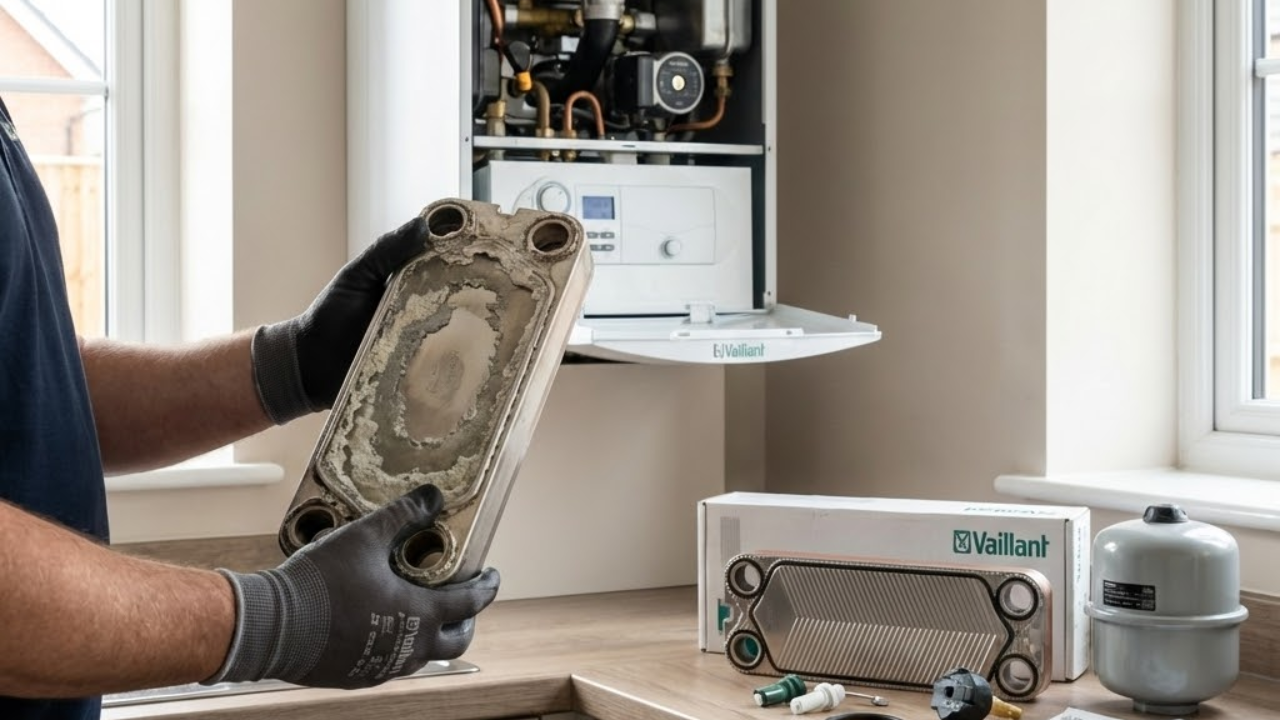
Vaillant ecoFIT boilers have become ubiquitous in UK domestic installations over the past decade, and for good reason. The combination of reliable German engineering, straightforward installation, and decent parts availability makes them a sensible choice for both new builds and replacement projects. But when you're standing in front of a locked-out ecoFIT at 7pm on a Friday evening, knowing which spare parts fail most frequently and having access to the right components becomes critically important.
The ecoFIT range splits into two main variants: ecoFIT pure and ecoFIT sustain. Understanding the differences between these models affects your spare parts strategy, diagnostic approach, and the advice you give clients about repair versus replacement decisions. Both ranges share common DNA, but there are enough variations in control systems and component specifications that you need to identify which model you're working on before ordering parts.
Understanding the ecoFIT pure Range
The ecoFIT pure models represent Vaillant's entry into the compact combi boiler market, designed for properties where space is at a premium and installation simplicity matters. These units typically deliver 25-35kW output, covering most domestic heating and hot water requirements without unnecessary complexity.
The pure range uses a proven heat exchanger design with an aluminium primary exchanger and a separate stainless steel DHW plate heat exchanger for domestic hot water production. This configuration makes maintenance more straightforward than older designs where DHW production occurred within the primary exchanger, but it also means you have two potential failure points rather than one.
Control systems in pure models are relatively straightforward. You get a modulating gas valve calibration system that adjusts burner output based on demand, basic frost protection, and a simple user interface. The valve system in these units provides efficient operation while keeping the control architecture accessible for diagnostics. There's no built-in weather compensation capability, though you can add external controls if a client requests it.
Common failure modes in pure models cluster around a few predictable areas. The plate heat exchanger DHW system is vulnerable to limescale buildup in hard water areas, leading to reduced hot water flow rates and eventually complete blockage. The diverter valve occasionally sticks, preventing hot water production even when the boiler fires for heating. And the pressure sensor, which monitors system pressure and prevents dry firing, can fail and cause nuisance lockouts.
ecoFIT sustain Models: Enhanced Efficiency and Controls
The sustain range steps up performance and control sophistication. These boilers incorporate weather compensation capability as standard, allowing output modulation based on outdoor temperature rather than just internal demand. For clients serious about energy efficiency, particularly in well-insulated properties, this feature can deliver meaningful savings over the heating season.
Heat exchanger design in sustain models is similar to pure variants, but with enhanced insulation and flow optimization that improves efficiency ratings. You'll see these specified in projects chasing higher SAP ratings or trying to meet stringent building regulations. The plate heat exchanger configuration remains the same, which means hard water remains just as problematic as in pure models.
Where sustain models differentiate most significantly is in the control platform. The gas valve system offers wider turndown ratios, weather compensation integrates with external sensors for predictive heating, and the user interface provides more detailed diagnostics. This sophistication is helpful when diagnosing complex faults, but it also means more potential failure points in the electronic control system.
Sustain models also incorporate enhanced frost protection that monitors both flow and return temperatures, not just the primary circuit. This prevents freeze damage in properties that might be left unoccupied during winter months, though it's not a substitute for proper draining if a property will be empty for extended periods.
Critical Spare Parts for ecoFIT Boilers
Certain components fail with predictable regularity across both pure and sustain models. Having these parts available saves time and prevents repeat visits.
The DHW plate heat exchanger is perhaps the most common replacement item in hard water areas. Limescale blocks the narrow waterways, reducing flow and eventually preventing hot water production entirely. You'll recognise this fault from the symptoms: heating works fine, but hot water flow drops progressively over weeks or months until taps barely deliver tepid water even with the boiler firing.
Descaling can restore function if caught early, but once the exchanger is severely scaled, replacement is more reliable than attempting to flush it clear. The part isn't cheap, but labour time for repeated descaling attempts quickly exceeds the component cost. When fitting a replacement plate heat exchanger, always recommend a scale inhibitor or, better still, a water softener if the client's budget allows.
The modulating gas valve controls fuel supply and burner output. These valves are highly reliable, but they do fail. Symptoms include failure to ignite, inability to modulate properly resulting in the boiler stuck at maximum or minimum output, or intermittent lockouts. Gas valve failures require Gas Safe competent replacement, and you must verify correct gas rate and burner pressure across the modulation range after fitting.
Diverter valve motors actuate the valve that switches between heating and hot water modes. The motor itself is the common failure point rather than the valve body. When it fails, you'll typically get heating but no hot water, or occasionally no heating because the valve is stuck in DHW position. Replacement motors are available separately from complete valve assemblies, which saves cost if the valve body and seals are sound.
Expansion vessels lose pre-charge pressure over time. An ecoFIT with a failed expansion vessel will show constantly dropping system pressure, with the customer topping up the system every few days. Check the vessel pre-charge with the system drained and isolated. It should read around 0.8-1.0 bar. If it's dropped significantly or if you can't detect any pressure, the diaphragm has likely failed and you need a replacement vessel.
Pressure sensors monitor system pressure to prevent dry firing. When these fail, you get lockouts with error codes indicating low pressure even when the system gauge shows correct pressure. The sensor itself is a relatively inexpensive component, but diagnosis is critical because the same symptoms can indicate actual pressure loss from leaks, failed expansion vessels, or auto-air vent issues.
Understanding Fault Codes for Accurate Diagnosis
Vaillant's diagnostic system uses fault codes to guide troubleshooting, and understanding these codes prevents misdiagnosis and unnecessary parts replacement.
The E119 fault code is particularly common. This indicates that the pressure sensor is reading below the minimum threshold. But E119 doesn't automatically mean a failed sensor. Check actual system pressure first. If the gauge shows adequate pressure but you're still getting E119 fault code errors, then suspect the sensor. If the gauge shows low pressure, you need to find why the system is losing pressure before assuming a sensor fault.
F28 and F29 codes relate to ignition failures. F28 indicates an ignition attempt failed, while F29 means ignition succeeded but flame was lost during operation. These codes point you toward ignition electrodes, gas supply issues, or flame sensing problems rather than indicating a specific failed component. Systematic testing of spark presence, gas pressure, and flame signal strength identifies the actual cause.
F75 codes suggest the pump isn't generating expected pressure differential, which could indicate pump failure, air in the system, or blocked filters and strainers. Don't immediately replace the pump. Verify the system is properly filled and vented, check the pump isn't seized, and inspect filters before condemning the pump itself.
The diagnostic display also shows live data like flow temperature, return temperature, and flame signal strength. Use this information during testing rather than just relying on fault codes. A weak flame signal combined with intermittent lockouts points to electrode positioning or sensing rod issues even if you're not getting a specific code for that fault.
Sourcing Genuine Vaillant Spares
Vaillant maintains decent UK parts availability through their official distribution network and established trade suppliers. Genuine Vaillant ecoFIT spares carry Vaillant part numbers and come with appropriate certification for gas components.
Pattern parts are available for some components, but exercise caution. Heat exchangers, gas valves, and safety-critical components should always be genuine Vaillant parts. Using non-approved gas components violates Gas Safe requirements and potentially invalidates insurance if there's an incident. The cost premium for genuine parts is negligible compared to the risk.
For components like pump heads, pressure vessels, and some sensors, high-quality alternatives from reputable manufacturers can be acceptable if they meet the original specifications. Always verify compatibility with the specific ecoFIT model you're working on. Part numbers changed during production runs, and some components aren't interchangeable between early and late versions of the same model.
Heating and Plumbing World stocks Vaillant ecoFIT spares across both pure and sustain ranges, which means you can source parts with technical support to verify you're ordering the correct component for your specific installation. When you're dealing with a model variant or production change, having supplier support that understands the nuances prevents ordering delays and fitting wrong parts.
Preventative Maintenance for ecoFIT Longevity
Regular servicing dramatically extends component life and prevents premature failures. For ecoFIT boilers, certain maintenance tasks deserve particular attention.
Annual descaling in hard water areas is non-negotiable if you want to avoid premature plate heat exchanger failure. Use a descaling solution appropriate for stainless steel exchangers, circulate it through the DHW circuit for the recommended dwell time, then flush thoroughly with clean water. This simple procedure, done annually, can double or triple the life of the plate heat exchanger component.
System water quality affects the primary circuit. Test inhibitor concentration and pH annually. If the system water is contaminated with iron oxide sludge, fit a magnetic filter if one isn't present, and consider a power flush if contamination is severe. Clean system water protects the pump, heat exchanger, and all water-bearing components.
Gas pressure and combustion analysis should be verified every service visit. Correct burner pressure across the modulation range ensures efficient combustion and prevents sooting or incomplete combustion that damages the heat exchanger. If readings are out of specification, investigate the cause before adjusting the gas valve.
Check expansion vessel pre-charge, test the pressure relief valve, and verify the auto-air vent isn't passing water. These five-minute checks catch problems before they cause component failures or leave customers without heating.
The modulating gas valve calibration system benefits from periodic verification, particularly if you're seeing efficiency complaints or unusual cycling behavior. The boiler's diagnostic mode allows you to test modulation range and ensure the valve is responding correctly to demand signals.
Weather Compensation Setup for sustain Models
If you're servicing sustain models with weather compensation capability, proper setup makes a substantial difference to efficiency and client satisfaction. The outdoor sensor must be positioned correctly: north-facing wall, away from direct sunlight, windows, and heat sources like boiler flues or tumble dryer vents.
The compensation curve needs matching to the property's heating system. Different emitter types and insulation levels require different curves. Underfloor heating, for example, needs a much flatter curve than traditional radiators. Vaillant provides standard curves, but fine-tuning based on client feedback improves comfort and efficiency.
Weather compensation capability works best in well-insulated properties with consistent occupancy patterns. If a client's lifestyle involves irregular heating schedules or frequent temperature adjustments, weather compensation might not deliver expected benefits and a simpler control strategy could be more appropriate.
When to Recommend Replacement Rather Than Repair
Sometimes repairing an ecoFIT doesn't make economic sense. A ten-year-old pure model needing a heat exchanger replacement might be better replaced entirely. Modern boilers are significantly more efficient, and if one major component has failed, others are likely approaching end-of-life.
Multiple component failures within a short period suggest the boiler has reached end-of-life. If you've replaced the pump, pressure sensor, and diverter valve within twelve months, the next failure is probably imminent. At that point, accumulated repair costs approach the price of a new installation.
Efficiency considerations matter. An old ecoFIT running at 85% efficiency uses 15% more gas than a modern condensing boiler at 94% efficiency. Over several years, fuel savings can substantially offset the cost of replacement. When a client faces a significant repair bill on an older unit, present them with lifecycle cost analysis comparing repair versus replacement.
Parts availability also influences this decision. Whilst Vaillant generally maintains good parts support for discontinued models, some older components become difficult to source. If lead times stretch to weeks for critical parts, replacement becomes more attractive regardless of the unit's age.
Diagnostic Approach for ecoFIT Faults
Effective diagnosis prevents wasted time and unnecessary parts orders. Start with the basics: Is there power? Is the gas valve open? Is system pressure adequate? You'd be surprised how often the "fault" is an isolation valve closed during decorating or a tripped RCD that the homeowner didn't notice.
Use the boiler's diagnostic mode to access live data and historical fault codes. This information narrows the diagnostic field significantly. If you're seeing repeated E119 fault code lockouts, for example, you know to focus on system pressure, the pressure sensor, and related components rather than investigating ignition or flame detection.
Test systematically rather than replacing parts speculatively. Measure gas pressure at the valve with a manometer. Check pump operation with a multimeter. Verify flame signal strength. Visual inspection catches obvious issues like corroded wiring, weeping joints, or blocked condensate traps that no fault code will identify.
Document what you find, particularly if the fault is intermittent or environmental. Take photos, record measurements, and note system conditions. This information proves invaluable if you need to refer back or if the fault recurs after initial repair.
Practical Scenario: sustain Model DHW Fault
A client called with a sustain model that produced heating but increasingly poor hot water performance. Flow rate had dropped over six months from adequate to barely usable, and temperature was inconsistent.
Fault codes showed nothing relevant. System pressure was correct, the diverter valve operated properly, and the boiler fired reliably for DHW demand. But the DHW output was clearly compromised.
Isolating the DHW circuit and removing the exchanger revealed severe limescale buildup despite the property having a magnetic filter fitted. The filter protected the primary circuit admirably, but did nothing for the DHW side where incoming mains water flowed through the exchanger before reaching taps.
We fitted a new plate heat exchanger and recommended a point-of-entry water softener to prevent recurrence. The client initially resisted the softener cost, but when we explained that another £300 exchanger replacement in two years would exceed the softener investment, they agreed.
Installation took about ninety minutes including system drainage, exchanger replacement, and recommissioning. Three years later, that boiler is still performing perfectly, demonstrating that proper diagnosis and addressing root causes delivers better outcomes than just replacing failed components.
Conclusion
Servicing Vaillant ecoFIT pure and sustain boilers requires understanding the differences between models, recognising common failure patterns, and having access to genuine spare parts when components fail. The plate heat exchanger DHW system, modulating gas valve calibration components, and pressure sensors deserve particular attention during maintenance and when diagnosing faults.
Weather compensation capability in sustain models provides genuine efficiency benefits when properly configured, but it's not a magic solution and needs appropriate setup for the specific property and heating system. Regular preventative maintenance, particularly annual descaling in hard water areas, dramatically extends component life and prevents premature failures.
Stock the high-failure parts that keep you productive: plate heat exchangers, diverter valve motors, pressure sensors, and expansion vessels. Build relationships with suppliers who can provide technical support when you need to verify part numbers or identify the correct component for a specific production variant.
When faults occur, use diagnostic codes intelligently and test systematically. An E119 fault code doesn't automatically mean a failed sensor until you've verified actual system pressure and ruled out real pressure loss. This diagnostic rigor prevents unnecessary parts replacement and keeps customers satisfied with first-time fixes.
For comprehensive Vaillant spare parts availability and technical support to identify the correct components for your installation, Heating and Plumbing World provides the trade-focused service that makes sourcing parts straightforward. If you need specific technical advice or help identifying the right part for an ecoFIT variant, contact us-we'll help you get the information you need to complete the repair efficiently.