

What to Consider When Moving a Boiler
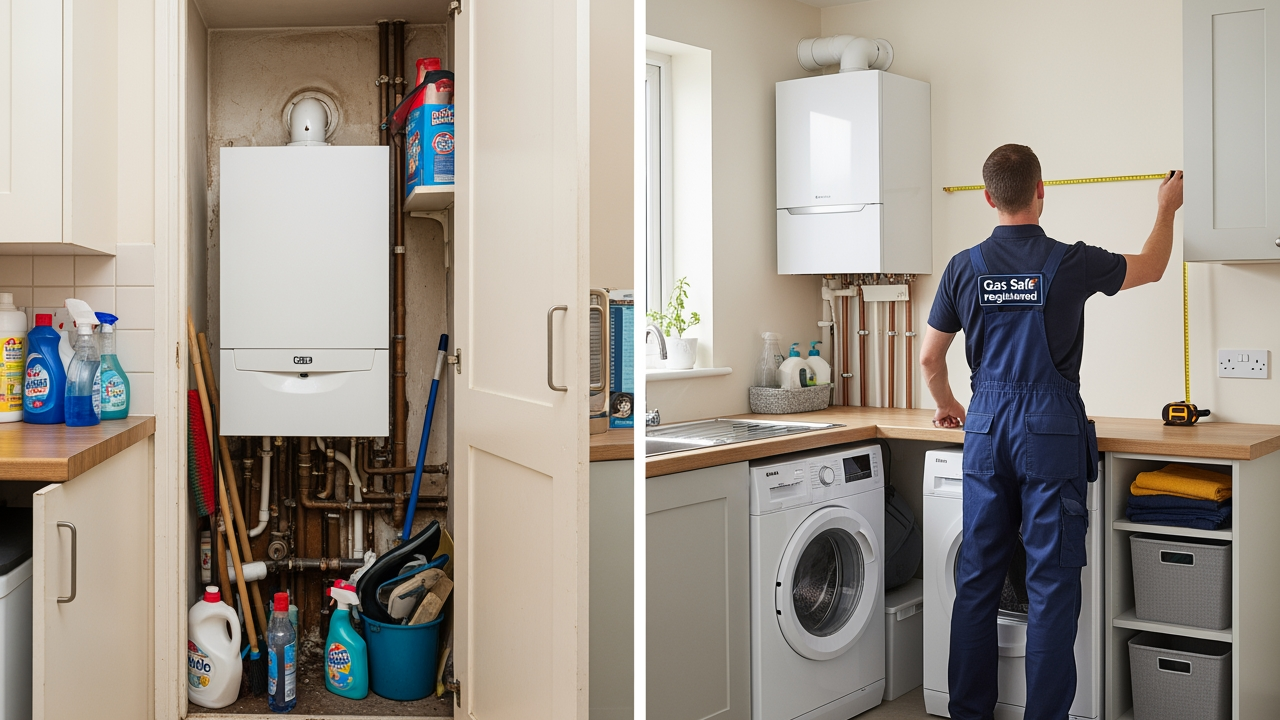
Relocating a boiler represents a significant home improvement decision that affects safety, efficiency, cost, and property layout. Whether planning a kitchen extension, converting a loft, or simply seeking more usable space, homeowners often consider moving their boiler to a more convenient location. However, boiler relocation involves complex regulatory requirements, substantial costs, and technical challenges that demand careful evaluation before proceeding.
Moving boiler safety must remain the paramount concern throughout any relocation project. Gas and oil boilers pose serious risks when improperly installed, including carbon monoxide poisoning, gas explosions, and fire hazards. Only Gas Safe-registered engineers can legally relocate gas boilers in the UK, while oil boiler work requires OFTEC registration. Understanding the full scope of considerations - from legal requirements to structural modifications - helps homeowners make informed decisions about whether relocating a boiler makes practical and financial sense.
This comprehensive guide examines every aspect of boiler relocation, including regulatory compliance, cost factors, location suitability, and alternative solutions that may better serve your needs.
Legal and Regulatory Requirements for Relocating a Boiler
Boiler relocation is notifiable work under Building Regulations, meaning legal compliance requires proper authorisation and inspection before, during, and after the move. Understanding these requirements prevents costly mistakes and ensures boiler safety throughout the project.
Gas Safe and OFTEC Registration Requirements
Gas Safe registration is mandatory for anyone working on gas boilers, pipework, or appliances. This legal requirement exists to protect the public from dangerous installations that could cause carbon monoxide poisoning or explosions. Gas Safe engineers carry photo ID cards showing their unique licence number and competencies - always verify registration before allowing any gas work to proceed.
For oil boilers, engineers must hold OFTEC (Oil Firing Technical Association) registration. OFTEC qualifications cover oil burner installation, commissioning, and servicing. Some engineers hold both Gas Safe and OFTEC registration, while others specialise in one fuel type.
Unregistered boiler work constitutes a criminal offence punishable by fines up to £5,000, imprisonment, or both. Insurance companies typically refuse claims for damage caused by non-compliant installations, leaving property owners financially exposed for any resulting damage.
Building Regulations Notification and Approval
Moving a boiler triggers Building Regulations notification requirements under Part L (Conservation of Fuel and Power) and Part J (Combustion Appliances and Fuel Storage Systems). Homeowners have two compliance routes:
Building Notice: Submit plans to the local authority Building Control before work begins. Building Control officers inspect the installation at key stages and issue a completion certificate when satisfied that the work meets regulations. Fees typically range from £300 to £500, depending on the local authority and project complexity.
Competent Person Scheme: Hire a Gas Safe registered installer who belongs to an approved Competent Person Scheme. These installers self-certify their work and issue Building Regulations Compliance Certificates directly to homeowners, eliminating separate Building Control fees and simplifying the approval process.
Completion certificates prove regulatory compliance and are essential documents for property sales. Missing certificates can delay conveyancing, reduce property values, or require expensive retrospective approval applications.
Planning Permission Considerations
External flue positions may require planning permission, particularly for properties in conservation areas or listed buildings. Flues on front elevations typically need permission, while rear or side wall positions often fall under Permitted Development rights. Local planning authority rules vary, so check requirements before finalising the new boiler location.
Flue termination positions must comply with Building Regulations Part J requirements, which specify minimum distances from windows, doors, boundaries, and ventilation openings. These clearances prevent combustion gases from entering buildings or accumulating in enclosed spaces.
Key Factors That Determine Boiler Relocation Feasibility
Not every desired boiler location proves practical or cost-effective. Several technical factors determine whether relocating a boiler makes sense for your property and circumstances.
Distance from Gas Supply and Existing Pipework
The further you move the boiler from existing gas supply points, the more expensive the project becomes. New gas pipework requires proper sizing calculations, pressure testing, and often multiple fittings and isolation valves. Each additional metre of pipework increases both material and labour costs.
Similarly, central heating pipework must reach the new location. For short moves within the same room or to an adjacent space, extending existing pipes may suffice. Longer moves require running new pipework through walls, floors, or ceilings - increasing costs and potentially affecting room aesthetics.
Flue Route and Termination Position
Flue positioning represents one of the most challenging aspects of boiler relocation. Balanced flue boilers require an external wall position, limiting location options. The flue must terminate in a position that meets regulatory clearances from windows, doors, boundaries, and air bricks.
Challenging flue routes increase costs substantially. Flues cannot pass through specific spaces, require proper support, and must maintain correct gradients for condensate drainage. If the desired location lacks suitable external wall access, alternative solutions like vertical flues may be necessary - adding complexity and expense.
Structural Modifications Required
Boiler relocation often necessitates structural changes beyond simple pipework extensions. Common modifications include:
New Wall Mountings: Different walls require different fixing methods. Solid brick or blockwork provides secure boiler mounting, while stud walls may need reinforcement or dedicated support frames. Some boilers weigh over 50kg when filled with water, demanding robust mounting solutions.
Cupboard or Enclosure Construction: Building cupboards around relocated boilers protects equipment and improves aesthetics. Enclosures must provide adequate ventilation for room-sealed boilers and meet specific ventilation requirements for open-flue models.
Electrical Supply: Boilers require dedicated electrical circuits with appropriate fused spurs. Moving the boiler may necessitate running new electrical cables from the consumer unit, adding to project costs.
Drainage Access: Condensing boilers produce acidic condensate requiring proper drainage. Heating and Plumbing World supplies quality components, including condensate pumps for situations where gravity drainage proves impractical. The new location must provide access to suitable drainage points, whether internal waste pipes, external drains, or soak-aways.
Hot Water Cylinder Proximity (for System and Regular Boilers)
System and regular boilers connect to separate hot water cylinders. These boilers work most efficiently when located relatively close to the cylinder due to heat loss in primary pipework. Excessive distances between the boiler and the cylinder reduce system efficiency and increase heating times.
For properties with conventional heating systems featuring separate cylinders, consider whether moving the boiler necessitates relocating the cylinder as well - potentially doubling project complexity and cost.
Assessing Potential New Boiler Locations
Choosing the right new location balances practical requirements, regulatory constraints, aesthetic preferences, and cost considerations. Evaluating each potential location systematically prevents expensive mistakes.
Kitchen Relocations
Kitchens represent popular boiler locations due to existing services and practical access for maintenance. Modern boilers fit neatly into kitchen cupboards, freeing floor space while maintaining easy access for servicing. However, kitchen relocations present specific challenges:
Cupboard Space Competition: Kitchen designs prioritise storage and appliances. Adding or relocating a boiler consumes valuable cupboard space that could otherwise be used to store food, cookware, or appliances.
Aesthetic Integration: Visible pipework, flues, and boiler fronts must integrate with kitchen design. High-quality installations conceal pipes within cupboard spaces and position boilers to minimise visual impact.
Water Supply Access: Combi boilers require an adequate cold water supply pressure and flow rates. Kitchen locations typically provide good mains water access, though supply pipe sizing may need upgrading for optimal performance.
Utility Room and Garage Relocations
Utility rooms and garages offer dedicated plant room space away from living areas, reducing noise and freeing premium space. However, these locations introduce specific considerations:
Frost Protection: Garages and outbuildings experience colder temperatures than heated living spaces. Boilers, pipework, and expansion vessels require frost protection to prevent damage during winter. Insulation, trace heating, or alternative locations may be necessary for unheated spaces.
Condensate Freezing: External condensate pipes can freeze in cold weather, causing boiler shutdowns. Installing larger diameter pipes, insulating them properly, or using condensate pumps to route discharge internally prevents freezing issues.
Distance from Living Areas: Longer pipe runs from remote boiler locations increase heat loss and reduce system efficiency. Proper pipe insulation becomes essential for maintaining performance.
Loft Relocations
Loft boiler installations maximise living space but present unique challenges requiring careful evaluation:
Access for Installation and Maintenance: Boilers weigh 40-80kg, making loft access difficult. Installation requires sufficient loft hatch size and potentially temporary roof removal. Future servicing and repairs face similar access challenges, potentially increasing service costs.
Floor Strength: Loft floors often comprise lightweight timber joists designed for ceiling loads, not heavy equipment. Structural engineers may need to specify floor reinforcement to support boiler weight, adding expense to the project safely.
Water Pressure Issues: Combi boilers in lofts provide excellent hot water pressure but require adequate mains pressure at height. Water pressure drops approximately 0.1 bar per metre of elevation, so loft installations may need pressure boosting equipment for optimal performance.
Ventilation and Flue Routing: Loft spaces require adequate ventilation for safe boiler operation. Vertical flues through the roof often provide the most practical solution, though installation costs exceed side-wall balanced flues.
Bathroom Relocations
Building Regulations prohibit boiler installation in bathrooms containing baths or showers due to safety risks from water contact and ventilation requirements. Separate WCs without bathing facilities may accommodate boilers if space and ventilation requirements are met, though this rarely represents an optimal solution.
Cost Considerations for Boiler Relocation
Understanding the full financial impact helps homeowners evaluate whether relocating a boiler represents good value compared to alternative solutions.
Professional Labour Costs
Gas Safe registered engineers charge £40-£80 per hour, depending on location and experience. Boiler relocation projects typically require 1-3 days of labour, translating to £500-£2,000 in professional fees before materials. Complex relocations involving difficult access, extensive pipework modifications, or structural alterations increase labour time and costs.
Always obtain multiple detailed quotes from Gas Safe-registered engineers before committing to boiler relocation. Quotes should itemise labour, materials, Building Control fees, and any structural work required.
Materials and Component Costs
New materials required for boiler relocation include:
Pipework: Copper pipe costs £3-£8 per metre, depending on diameter. Typical relocations require 10-30 metres of new pipework for gas, heating flow and return, and possibly hot and cold water connections.
Flue System: Flue components cost £150-£400 depending on length, diameter, and type. Vertical flues and complex routing increase costs substantially.
Fittings and Valves: Compression fittings, isolation valves, drain valves, and connection fittings add £100-£300 to material costs.
Wall Mounting: Boiler mounting brackets, wall plugs, and fixings cost £30-£80. Stud wall reinforcement requires additional timber and fixings.
Controls Relocation: Moving the boiler often necessitates relocating thermostats, programmers, and control panels. New cable runs and control repositioning add £100-£200 to project costs.
Quality replacement parts from established manufacturers ensure reliable performance and regulatory compliance. Using certified Worcester Bosch boiler spares during relocation work maintains system integrity and warranty coverage.
Additional Costs for Complex Projects
Certain factors escalate project costs significantly:
Structural Work: Removing walls, creating cupboards, or reinforcing floors requires additional trades, including builders, carpenters, and potentially structural engineers. These works add £500-£2,000+, depending on scope.
System Modifications: Changing from a conventional system to a combi boiler while relocating eliminates the need for hot water cylinders and cold water tanks. However, this conversion adds £500-£1,500 to overall costs, including cylinder removal, pipe modifications, and system reconfiguration.
Power Flushing: Relocating older boilers provides an opportunity to clean heating systems thoroughly. Power flushing costs £300-£500 but prevents dirty system water from damaging relocated equipment and extends component lifespan.
Building Control Fees: Direct Building Control notification costs £300-£500, though Competent Person Scheme installers eliminate this separate fee.
Total Project Cost Estimates
Typical boiler relocation costs range from £1,500-£5,000+, depending on complexity:
Simple Relocation (adjacent room, short pipe runs, straightforward access): £1,500-£2,500 Moderate Relocation (different floor, moderate pipe runs, some structural work): £2,500-£4,000 Complex Relocation (loft installation, extensive pipework, significant structural modifications): £4,000-£7,000+
These estimates include professional labour, materials, and Building Control compliance but exclude additional boiler replacement costs if upgrading equipment simultaneously.
Moving Boiler Safety During the Relocation Process
Safety must remain paramount throughout planning, execution, and commissioning phases. Understanding safety requirements prevents dangerous situations and ensures compliant installations.
Pre-Work Safety Assessment
Gas Safe engineers conduct comprehensive risk assessments before beginning relocation work, evaluating:
Existing Installation Safety: Testing the current installation identifies any existing defects that require attention before relocation begins. Carbon monoxide testing, gas tightness checks, and flue performance analysis establish baseline safety.
New Location Suitability: Engineers assess whether proposed locations meet ventilation requirements, provide adequate clearances from combustible materials, and allow safe flue termination positions.
Temporary Heating Arrangements: Boiler relocations typically leave properties without heating for 1-3 days. Planning alternative heating arrangements protects vulnerable occupants during winter projects.
Safe Isolation and Disconnection
Proper isolation procedures prevent gas leaks, water damage, and electrical hazards during boiler removal:
Gas Isolation: Engineers shut off the gas supply at the emergency control valve, purge remaining gas from the pipework, and cap connections securely. Portable gas detection equipment monitors for leaks throughout the disconnection process.
Water Drainage: Draining the boiler and connected pipework prevents water damage during removal. System isolation valves allow draining individual components without emptying the entire heating system, where possible.
Electrical Isolation: Disconnecting electrical supplies at the consumer unit prevents shock hazards during boiler handling and cable modifications.
Installation Safety Standards
The new installation must meet identical safety standards to original equipment installations:
Gas Tightness Testing: All new gas pipework undergoes pressure testing to verify joint integrity. Engineers use manometers to detect pressure drops indicating leaks, resolving any issues before commissioning.
Ventilation Verification: Room-sealed boilers require no additional ventilation, but engineers verify adequate space around the boiler for air circulation and servicing access. Open-flue boilers require ventilation openings sized according to appliance's input rating.
Flue Performance Testing: Smoke pellets or electronic flue analysers verify proper combustion gas evacuation. Flue gas analysers measure carbon monoxide levels, oxygen content, and combustion efficiency to ensure safe, efficient operation.
Safety Device Testing: Engineers test all safety devices, including gas valves, flame failure devices, overheat thermostats, and pressure relief valves to verify correct operation before leaving the installation.
Commissioning and Performance Verification
Proper commissioning confirms the relocated boiler operates safely and efficiently:
Combustion Analysis: Flue gas analysis verifies efficient combustion with minimal carbon monoxide production. Engineers adjust burner settings to achieve optimal combustion ratios specified by manufacturers.
System Pressurisation: Sealed heating systems require correct operating pressure, typically 1.0-1.5 bar when cold. Engineers pressurise systems correctly and verify that pressure relief valves operate at specified pressures.
Control Operation: Testing programmers, thermostats, and zone controls confirms proper system operation. Boiler interlock verification ensures the boiler fires only when heat demand exists.
Homeowner Handover: Engineers demonstrate boiler operation, explain controls, identify isolation points, and provide safety guidance, including carbon monoxide detector requirements.
Alternatives to Boiler Relocation
Before committing to expensive relocation projects, consider whether alternative solutions better serve your needs and budget.
Boiler Replacement in Current Location
Modern boilers occupy significantly less space than older models. A wall-hung condensing boiler measures approximately 700mm high × 400mm wide × 300mm deep - considerably smaller than floor-standing models. Replacing an old boiler with a compact modern unit may free sufficient space without requiring relocation.
Boiler replacement costs £1,500-£3,500 depending on model and complexity, potentially less expensive than relocation while delivering improved efficiency, reliability, and reduced energy bills. Quality boiler spares ensure optimal performance of existing equipment until replacement makes economic sense.
Boxing or Enclosing the Existing Boiler
Building an attractive cupboard or enclosure around the existing boiler improves aesthetics without moving equipment. Custom cabinetry integrates boilers into room design, concealing equipment while maintaining access for servicing.
Enclosures must provide adequate ventilation and servicing access. Louvred doors, ventilation grilles, or removable panels ensure safe operation while improving appearance. This solution costs £200-£1,000 depending on materials and complexity - a fraction of relocation expenses.
Room Layout Reconfiguration
Sometimes adjusting room layouts, cupboard positions, or appliance placement achieves desired objectives without moving the boiler. Kitchen redesigns can work around existing boiler locations through creative planning, potentially saving thousands of pounds.
Consulting with kitchen designers or architects before deciding on boiler relocation may reveal alternative solutions that achieve your goals more economically.
Upgrading to Combination Boilers
Properties with conventional heating systems featuring separate hot water cylinders and cold water storage tanks contain multiple large components consuming significant space. Converting to a combi boiler eliminates cylinders and tanks, freeing substantial space throughout the property.
Combi boiler conversions cost £2,000-£4,000, including cylinder removal, pipe modifications, and system reconfiguration. This investment may deliver greater space savings than simple relocation while modernising the entire heating system.
Long-Term Implications of Boiler Relocation
Understanding how relocation affects future maintenance, property sales, and system performance helps homeowners evaluate long-term value.
Service and Maintenance Access
Convenient boiler access simplifies annual servicing, reduces maintenance costs, and increases the likelihood of homeowners maintaining proper service schedules. Awkward locations such as lofts, tight cupboards, or positions requiring furniture removal may increase service call-out charges and deter regular maintenance.
Gas Safe regulations require annual boiler servicing to verify safe operation, maintain efficiency, and preserve warranty coverage. Accessible locations make servicing straightforward, while difficult positions may incur supplementary charges for access difficulties.
Property Value Impact
Boiler location affects property appeal and value. Optimal locations enhance property attractiveness, while poor positions may deter potential buyers. Estate agents report that:
Positive Locations: Utility rooms, dedicated cupboards, or discrete kitchen positions appeal to buyers seeking tidy, functional homes.
Negative Locations: Boilers dominating living spaces, blocking natural light, or consuming premium storage reduce property appeal.
The cost of boiler relocation should be weighed against potential property value increases. Professional estate agent advice helps determine whether relocation represents a worthwhile investment for properties approaching sale.
Warranty and Guarantee Considerations
Relocating boilers affects manufacturer warranties and insurance coverage. Most warranties become void when boilers are moved unless qualified Gas Safe engineers perform the relocation with proper documentation. Always retain Building Regulations compliance certificates and commissioning records to maintain warranty validity.
Insurance companies require proof of compliant installations. Missing documentation may result in claim rejections following boiler-related incidents, leaving homeowners financially exposed.
Practical Steps for Planning Boiler Relocation
Successful relocation projects follow systematic planning processes that identify requirements, secure approvals, and manage execution professionally.
Initial Consultation with Gas Safe Engineers
Schedule consultations with multiple Gas Safe-registered engineers to assess feasibility, discuss options, and obtain detailed quotes. Experienced engineers evaluate existing systems, identify challenges, recommend solutions, and provide realistic cost estimates.
Check Gas Safe registration at the official register website or helpline before allowing any engineer to quote or commence work. Verify that competencies match your specific requirements - not all Gas Safe engineers work with all boiler types or fuel types.
Obtaining Building Control Approval
Decide whether to use Building Control or a Competent Person Scheme installer. Building Control involvement requires submitting plans before work begins and scheduling inspections during installation. Competent Person Scheme installers handle certification directly, simplifying the process.
Never commence work without proper authorisation. Retrospective approval applications prove difficult, expensive, and may not succeed if installations fail to meet regulations.
Scheduling Work Appropriately
Plan boiler relocation during warmer months when temporary heating loss causes minimal inconvenience. Avoid winter relocations unless emergency circumstances demand immediate work.
Most relocation projects require 2-3 days from initial isolation to final commissioning. Ensure someone can provide site access throughout this period and accommodate any unforeseen complications that may extend timescales.
Post-Completion Documentation
Upon completion, verify you receive:
Building Regulations Compliance Certificate: Proves legal compliance and is essential for property sales.
Benchmark Logbook: Records installation details, commissioning parameters, and subsequent service history.
Boiler Warranty Registration: Complete manufacturer warranty registration within specified timeframes (typically 30 days) to activate coverage.
Operating Instructions: Manufacturer literature explaining boiler operation, maintenance requirements, and troubleshooting guidance.
Store these documents safely and provide copies to solicitors during property sales to demonstrate compliant installations.
When Boiler Relocation Makes Sense
Despite costs and complexity, certain circumstances justify relocating a boiler:
Major Home Renovations: Comprehensive renovations, including extensions, reconfigurations, or conversions, often necessitate boiler relocation as part of wider works. Incorporating relocation into larger projects may reduce overall costs through shared labour and materials.
Freeing Premium Space: Converting rooms to alternative uses may justify relocation costs. Moving boilers from bedrooms, dining rooms, or living spaces to utility areas enhances property functionality and appeal.
Resolving Safety Issues: Boilers in dangerous positions - such as insufficient ventilation, combustible material proximity, or non-compliant flue positions - require relocation to meet safety standards regardless of cost.
Improving System Efficiency: Relocating boilers closer to heat demand areas or improving flue performance may deliver efficiency improvements that offset costs through reduced energy bills over time, though this rarely justifies relocation based purely on efficiency gains.
Conclusion
Relocating a boiler involves substantial costs, regulatory requirements, and technical challenges that demand thorough evaluation before proceeding. Moving boiler safety, compliance with Building Regulations, structural modifications, and professional labour costs combine to make relocation a significant investment requiring careful justification.
Homeowners should explore alternatives, including boiler replacement, enclosures, room reconfiguration, or system upgrades, before committing to relocation. Many objectives can be achieved more economically through solutions that avoid moving equipment.
When relocation proves necessary or clearly beneficial, working with experienced Gas Safe registered engineers ensures safe, compliant installations that meet all regulatory requirements. Proper planning, quality materials including certified components and genuine replacement parts, and thorough documentation create successful relocations that enhance property functionality and value.
For expert advice on boiler relocation projects and access to quality heating components, including fire valves and condensate pumps, contact us to discuss your specific requirements. Professional guidance ensures your project achieves its objectives while maintaining safety and regulatory compliance throughout.