

What to Know About Building Control and Heating Changes
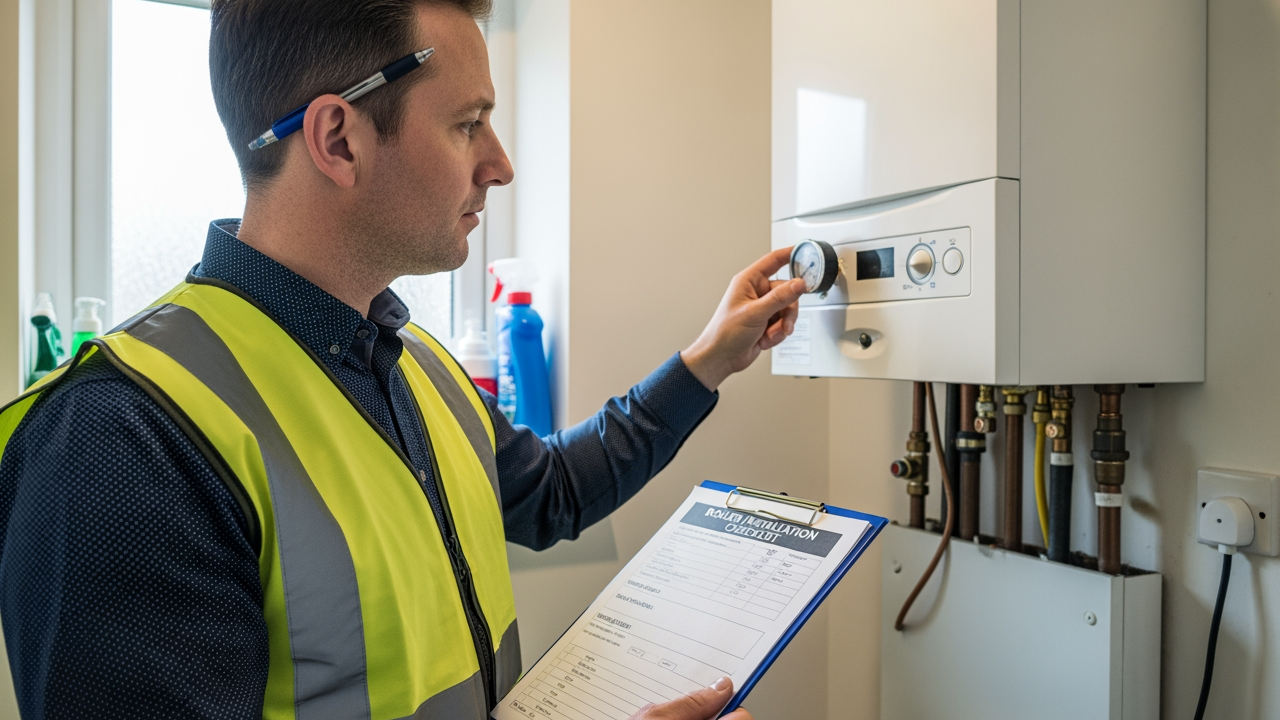
Navigating the regulatory landscape surrounding heating installations and modifications requires careful understanding of building control processes and compliance requirements. Any significant work involving heating systems in UK properties must adhere to strict standards that protect occupant safety, ensure energy efficiency, and maintain building integrity. These regulations affect homeowners, landlords, and contractors undertaking everything from boiler replacements to complete heating system overhauls.
Heating and Plumbing World recognises that building control heating requirements can seem complex, particularly when balancing technical specifications with legal obligations. Understanding when notification is necessary, which standards apply, and how to demonstrate compliance streamlines project execution whilst avoiding costly delays or remedial work. This comprehensive guide clarifies the key aspects of building control heating processes and current heating system regulations.
Understanding Building Control Requirements
Building control exists to ensure construction work meets minimum standards for health, safety, structural integrity, and energy efficiency. Local authority building control departments or approved inspectors oversee compliance, reviewing plans and inspecting work at critical stages. For heating system installations and modifications, building control heating oversight ensures proper design, safe installation, and adherence to current regulations, including Part L energy efficiency standards and Part J combustion appliance requirements.
The scope of building control involvement depends on the work's nature and extent. Routine maintenance and like-for-like replacements of certain components typically fall outside building control jurisdiction, whilst new installations, system conversions, or substantial modifications require formal notification or approval. Understanding these thresholds prevents inadvertent non-compliance that could affect property insurance, future sales, or occupant safety.
Competent person schemes provide an alternative compliance route for certain heating works. Gas Safe registered engineers undertaking gas appliance installations can self-certify their work without a separate building control notification, issuing certificates that confirm compliance with building regulations. Similar schemes exist for oil and solid fuel installations, streamlining the approval process whilst maintaining safety standards through professional accreditation and oversight.
When Building Control Notification Is Required
Heating system regulations mandate building control notification for specific types of work that affect building performance or safety. Installing a new heating system, whether replacing an existing system or providing heating for the first time, requires notification before work commences. This includes complete boiler replacements with associated pipework modifications, new radiator circuits, underfloor heating installations, and heat pump systems.
Significant modifications to existing systems also trigger notification requirements. Extending heating circuits into new rooms, relocating boilers to different positions, or changing fuel types all constitute notifiable work. Converting from conventional to combination boilers, or vice versa, involves substantial system alterations that require building control oversight. These changes affect building energy performance, combustion safety, and structural considerations that fall within regulatory scope.
Certain heating-related building work requires notification even when not directly involving heating equipment. Creating new habitable spaces through loft conversions or extensions necessitates building control approval, with heating provisions forming part of the overall assessment. Installing new hot water storage cylinders, particularly unvented systems operating under mains pressure, requires notification due to safety implications from stored energy and pressure relief requirements.
Gas Safe Registration and Compliance
Gas Safe-registered engineers must undertake all gas work in the UK, a legal requirement under the Gas Safety (Installation and Use) Regulations. This registration system ensures competence through formal qualifications, ongoing assessment, and accountability mechanisms. Gas Safe registration covers installation, maintenance, and repair of gas appliances, pipework, and associated safety devices, with specific competencies required for different appliance types and fuel gases.
Gas Safe engineers issue Building Regulations Compliance Certificates following installations, confirming work meets all applicable standards. These certificates serve dual purposes: demonstrating regulatory compliance to building control authorities and providing property owners with documentary evidence of safe, legal installation. Retaining these certificates proves essential for property transactions, insurance claims, and ongoing safety management.
The Gas Safe Register maintains public records of registered engineers, allowing homeowners to verify credentials before engaging contractors. Engineers carry photographic identification cards listing their specific competencies, which should be checked before work commences. This verification protects against illegal gas work that poses serious safety risks, including carbon monoxide poisoning, gas leaks, and explosion hazards.
Boiler Installation Standards
Modern boiler installations must comply with multiple regulatory frameworks encompassing energy efficiency, combustion safety, and system design. Building control heating oversight ensures new boilers meet minimum efficiency standards, currently requiring condensing technology for gas and oil appliances. Seasonal efficiency ratings must achieve at least 92% for gas boilers and 90% for oil boilers, with ErP ratings providing standardised performance comparisons.
Installation location affects compliance requirements and practical considerations. Boilers installed in habitable rooms require room-sealed combustion systems that draw air from outside rather than consuming room air. Flue termination positions must maintain specific clearances from windows, doors, air bricks, and adjacent property boundaries, preventing combustion products from entering buildings or affecting neighbours. These spatial requirements often influence appliance selection and positioning decisions.
System design extends beyond the boiler itself to encompass controls, safety devices, and distribution components. Heating controls must include programmable room thermostats, boiler interlock functionality, and thermostatic radiator valves on most radiators. Pressure relief valves prevent dangerous over-pressurisation, whilst expansion vessels accommodate thermal expansion in sealed systems. Quality components from manufacturers like Worcester Bosch and Baxi ensure reliable long-term performance and regulatory compliance.
Part L Energy Efficiency Compliance
Heating system regulations incorporate Part L building regulations requirements that mandate minimum energy performance standards. New heating installations must achieve specified seasonal efficiency levels, with calculations accounting for boiler efficiency, system losses, and control effectiveness. These standards drive continuous improvement in heating technology, phasing out inefficient equipment in favour of condensing boilers, heat pumps, and renewable energy systems.
Control requirements under Part L ensure heating systems operate only when necessary, matching heat delivery to actual demand. Time and temperature controls allow occupants to programme heating schedules, whilst weather compensation systems adjust output based on external conditions. Zone controls enable different temperature settings across property areas, preventing energy waste in unused spaces. These measures collectively reduce fuel consumption whilst maintaining comfort levels.
Existing buildings undergoing heating system replacements must meet current standards where reasonably practicable. Like-for-like replacements still require modern efficiency levels, though some flexibility exists when constraints prevent full compliance. Building control heating assessments consider practical limitations, including chimney configurations, space constraints, and budget considerations, balancing ideal standards against realistic implementation.
Part J Combustion Appliance Requirements
Part J building regulations govern combustion appliances and fuel storage systems, establishing safety standards for gas, oil, and solid fuel heating. These requirements address combustion air supply, flue design, ventilation, and clearances to combustible materials. Proper implementation prevents carbon monoxide risks, ensures complete combustion, and facilitates safe operation throughout the appliance's service life.
Ventilation requirements vary depending on appliance type and installation location. Room-sealed appliances require no additional ventilation as they draw combustion air directly from outside. Open-flued appliances installed in habitable rooms need permanent ventilation to provide combustion air and dilute any spillage products. The required ventilation area depends on appliance heat input and room volume, with specific calculations determining appropriate provision.
Flue systems must achieve satisfactory draught, safely convey combustion products to the atmosphere, and prevent condensation damage. Flue sizing, route, and termination positions follow manufacturer specifications and regulatory minimums. Regular inspection and maintenance ensure continued safe operation, with annual servicing by qualified engineers identifying potential issues before they compromise safety or efficiency.
Heat Pump Installations and Building Control
Heat pump systems introduce additional complexity to building control heating processes due to their electrical power requirements, outdoor unit positioning, and system design considerations. Planning permission may be required for air source heat pump outdoor units, though permitted development rights often apply when specific criteria are met. Ground source heat pumps typically avoid planning requirements but involve more extensive installation work affecting the building structure.
Electrical installation must comply with BS 7671 wiring regulations, undertaken by qualified electricians who certify compliance. Heat pumps require dedicated electrical circuits with appropriate protective devices, whilst supply capacity must accommodate the system's power demand. Building control verification ensures electrical work meets safety standards, with Part P building regulations governing domestic electrical installations.
System design for heat pumps differs substantially from conventional boiler installations. Lower flow temperatures necessitate larger heat emitters, often requiring radiator upgrades or underfloor heating systems. Buffer vessels smooth operation and prevent short cycling, whilst weather compensation controls optimise efficiency. These design considerations require specialist knowledge, making professional installation essential for achieving regulatory compliance and satisfactory performance.
Hot Water System Regulations
Unvented hot water cylinders operate under mains pressure, storing substantial thermal energy that requires comprehensive safety measures. Building control notification is mandatory for unvented cylinder installations due to inherent risks from pressure and temperature. Installation by competent persons with specific unvented hot water qualifications ensures proper safety device installation and system commissioning.
Safety devices on unvented cylinders include temperature relief valves, pressure relief valves, expansion vessels, and temperature limiting devices. These components work together to prevent dangerous over-temperature or over-pressure conditions. Discharge pipework from relief valves must route safely to appropriate discharge locations, typically external drainage points with visible terminations that alert occupants to valve operation.
Water tanks used in vented hot water systems also require careful installation, meeting building regulations standards. Proper support, overflow provisions, and insulation prevent structural damage, water waste, and energy losses. Tank positioning affects system hydraulics and safety, with specific requirements for overflow pipe routing and cold water supply arrangements.
Documentation and Certification Requirements
Comprehensive documentation proves essential for demonstrating building control, heating compliance, and maintaining regulatory records. Installation certificates from Gas Safe, OFTEC, or HETAS-registered engineers provide primary evidence of compliant work. These documents detail the work undertaken, confirm appliance specifications, verify safety checks, and certify compliance with building regulations.
Building control completion certificates or compliance certificates formally close the regulatory process, confirming all requirements have been met. These documents prove critical during property transactions, with solicitors routinely requesting certificates for heating system work undertaken during the seller's ownership. Missing certificates can delay sales or require retrospective inspections that add costs and uncertainty.
Retaining commissioning records, system design calculations, and manufacturer documentation supports ongoing maintenance and future modifications. Service records demonstrate responsible ownership and proper maintenance, valuable for warranty claims and fault diagnosis. Digital record-keeping systems help prevent document loss over time, ensuring critical information remains accessible throughout the system's lifespan.
Retrospective Building Control Applications
Properties with heating work undertaken without proper building control notification may require retrospective applications, particularly when selling or significantly modifying. Building control departments can accept retrospective applications, though approval requires satisfactory evidence that work meets applicable standards. This evidence may include engineer assessments, testing, and documentary reviews proving compliance.
Retrospective applications typically incur higher fees than standard notifications, reflecting additional work investigating existing installations. Some authorities impose penalty multipliers for non-compliant work, emphasising the importance of proper notification before commencing projects. In cases where work fails to meet standards, remedial measures become necessary before approval, potentially involving significant costs and disruption.
Avoiding retrospective applications requires clear understanding of notification requirements before undertaking heating work. Consulting building control departments or competent person scheme members during project planning clarifies obligations and prevents inadvertent non-compliance. This proactive approach protects property values, ensures occupant safety, and maintains clear regulatory records.
Common Non-Compliance Issues
Several common heating system regulations breaches occur despite regulatory oversight. Inadequate combustion ventilation tops the list, with blocked air bricks, sealed rooms, or insufficient ventilation areas causing carbon monoxide risks. Annual servicing should verify ventilation adequacy, with modifications or blockages corrected immediately upon discovery.
Incorrect flue installations represent another frequent issue, including inadequate termination clearances, unsuitable materials, and improper jointing. Flue systems must maintain gas-tight integrity whilst providing appropriate draught and weatherproofing. Visual inspection reveals many flue defects, though some require smoke or pressure testing for conclusive assessment.
Control system deficiencies prevent optimal efficiency and violate current requirements. Missing programmable thermostats, absent boiler interlock functionality, or inadequate zone controls reduce system performance and increase running costs. Upgrading controls during routine maintenance brings systems closer to current standards, even when not legally required for existing installations.
Future Regulatory Changes
Heating system regulations continue evolving toward decarbonisation targets and improved energy efficiency. The Future Homes Standard, expected around 2025, will prohibit fossil fuel heating systems in new dwellings, favouring heat pumps and other low-carbon technologies. This fundamental shift requires substantial changes to building design, heating system specifications, and installer competencies.
Existing buildings face increasing pressure to upgrade heating systems and improve energy efficiency. Government grant schemes incentivise heat pump installations, insulation improvements, and renewable energy adoption. Future regulations may mandate efficiency upgrades during property transactions or impose minimum energy performance standards for rental properties, driving widespread heating system improvements.
Staying informed about regulatory developments helps property owners and industry professionals anticipate changes and plan accordingly. Investing in efficient, low-carbon heating technologies now may avoid forced upgrades later whilst capturing available grant funding. Professional installers continuously update knowledge and competencies, ensuring they can specify and install systems meeting emerging standards.
Conclusion
Understanding building control heating requirements and current heating system regulations proves essential for anyone undertaking heating work in UK properties. From initial planning through installation and certification, compliance with building regulations protects occupant safety, ensures energy efficiency, and maintains property values. Engaging qualified professionals registered with appropriate competent person schemes streamlines the process whilst guaranteeing compliant, safe installations.
Whether replacing an existing boiler, installing a new heating system, or upgrading to low-carbon technologies, proper attention to regulatory requirements prevents costly issues and ensures optimal performance. Professional guidance helps navigate complex standards, select appropriate equipment, and complete necessary documentation. For expert advice on heating system installations, component specifications, and building regulations compliance, contact us to discuss your specific requirements and ensure your project meets all applicable standards.