

When to Call a Gas Safe Engineer: DIY vs. Professional Limits
Gas work isn't like replacing a tap washer or bleeding a radiator. Get it wrong and you're not dealing with a minor leak; you're risking carbon monoxide poisoning, explosions, or invalidating your home insurance. That is why Gas Safe registration exists and why the law is crystal clear about what you can and cannot do yourself.
Every year, illegal gas work results in preventable deaths. Poorly installed or maintained gas appliances cause around 40 fatalities annually in the UK, with carbon monoxide being the silent killer. Unlike a botched plumbing job that floods your kitchen, faulty gas work can kill you in your sleep. Understanding where the DIY boundary ends and professional responsibility begins isn't just about following regulations; it is about protecting your family and your property value.
Think of the gas system like the electrical system in your home. You can change a lightbulb or plug in an appliance, but you wouldn't rewire a circuit or install a new consumer unit. The same principle applies here: basic interaction is fine, but anything involving the infrastructure requires a Gas Safe registered engineer.
The Legal Framework: What The Law Actually Says
The Gas Safety (Installation and Use) Regulations 1998 are unambiguous. Any work on a gas fitting or gas appliance must be carried out by a Gas Safe registered engineer. This isn't a recommendation or best practice guidance; it's the law. "Gas fitting" covers more than you might think. It includes pipework, meters, emergency control valves, regulators, and any appliance designed to burn gas.
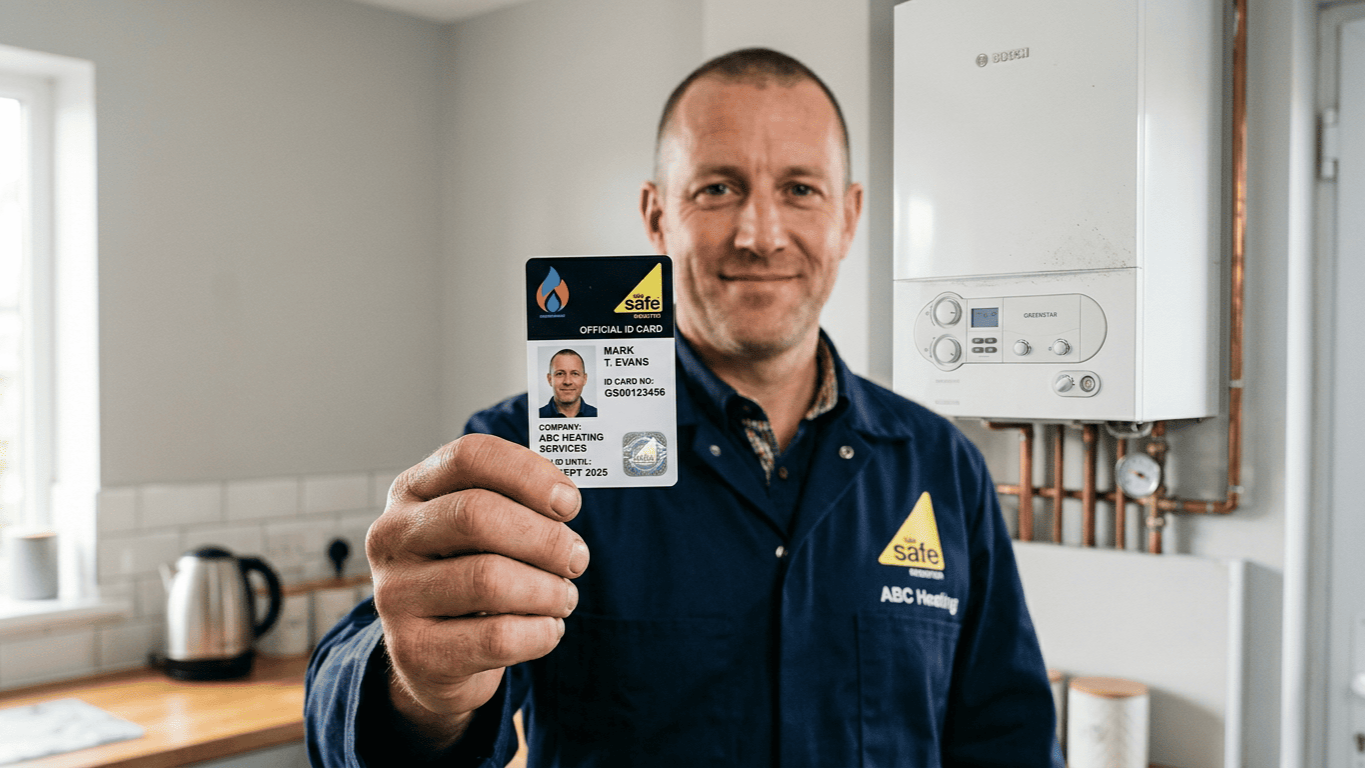
The penalties for illegal gas work are severe. Individuals can face unlimited fines and up to six months in prison. More importantly, if illegal gas work causes injury or death, you could face manslaughter charges. Your home insurance will almost certainly be invalidated, leaving you personally liable for any damages. Every engineer working on gas must be registered and they must carry a Gas Safe ID card. Always check this card; it's your guarantee they're legally entitled to work on your combi boiler.
Work That Always Requires A Gas Safe Registered Engineer
Certain tasks are absolutely off-limits for DIY, regardless of your skill level. Installing any gas appliance sits at the top of this list. Whether it is a cooker, hob, or fire, the installation must be handled by a professional. This also applies when you're looking to update water heating systems that rely on a gas supply.
Working on gas pipework is strictly professional territory. This covers extending gas runs, repairing leaks, or modifying existing pipework. Even if you're a competent plumber who works with water daily, gas requires specific registration. Furthermore, boiler repairs must be handled by a professional to ensure that the combustion process remains safe and efficient. Reconnection must always be tested for leaks, which is work that requires Gas Safe registration.
On a recent job, an engineer arrived at a kitchen renovation where the homeowner had disconnected the old hob and attempted to install a new one themselves. They had cross-threaded the connection and created a slow leak that had been filling the kitchen with gas for two days. They had been cooking on electric camping stoves, completely unaware of the danger. It is a prime example of why even "simple" swaps require a Gas Safe registered engineer.
The Grey Areas: Tasks That Seem DIY-Friendly But Are Not
Some jobs appear simple enough for a competent DIYer, but they still fall under Gas Safe regulations. Replacing radiator valves on a system heated by a gas boiler is a common misconception. While the radiators are part of the water circuit, you're still working on an appliance that's integral to a gas-fired system.
Upgrading thermostats or heating controls for a gas boiler also requires consideration. Replacing mechanical thermostats might seem straightforward, but modern smart controls often interface with the boiler's internal systems. If the work involves any connection to the boiler itself, you need a professional.
Bleeding radiators is generally acceptable, but if you're repeatedly adding water because of pressure loss, you likely have a leak or a failed expansion vessel. Don't keep topping up; call a professional to diagnose the underlying fault rather than masking it.
Legitimate DIY Maintenance Tasks
Not everything related to your heating system requires professional intervention. Bleeding radiators to release trapped air is straightforward DIY work. If your radiators are cold at the top, air has accumulated. Using a radiator key to release this air and top up the system pressure is well within homeowner capability.
Topping up system pressure on a modern boiler is another acceptable task. Most units have a filling loop that allows you to repressurise the system. It's a simple process of opening valves until the pressure gauge reaches the correct level, typically 1.0 to 1.5 bar. You can also safely change radiator thermostatic valve heads, provided you're not removing the valve body itself. Keeping boiler spares and tools like radiator keys handy is good practice for these minor maintenance items.
Warning Signs That Demand Professional Attention
Recognising symptoms early can prevent dangerous situations. The smell of gas is the most obvious sign. If you smell gas, don't look for the source; open windows, avoid electrical switches, and call the National Gas Emergency Service immediately. Yellow or orange flames on your gas hob indicate incomplete combustion. Gas appliances should burn with a crisp blue flame.
Sooting or staining around gas appliances also signals combustion problems. If the pilot light keeps going out, it often suggests a fault with the thermocouple or the gas valve. While it might seem like a minor annoyance, a failing thermocouple is indicating a safety system failure that requires diagnosis. If your carbon monoxide alarm sounds, evacuate the property immediately and call 999.
The Carbon Monoxide Risk: Why Amateur Gas Work Is Deadly
Carbon monoxide is why gas work regulations exist. This colourless, odourless gas is produced when gas doesn't burn completely. Every home with gas appliances should have an audible carbon monoxide alarm. Faulty gas work creates CO in several ways, including blocked flues or incorrect burner settings.
A case from a few years back illustrates the danger perfectly. A homeowner installed a new gas fire themselves but didn't understand that the flue needed a specific diameter to create an adequate draft. The fire worked, but combustion products weren't venting. Three weeks later, the family was hospitalised. The homeowner faced a £5,000 fine and their insurance refused to cover the medical costs. This is why professional flue gas testing is a mandatory part of any installation or service. Without proper flue gas testing, there is no way to verify that an appliance is safe to use.
Finding And Verifying A Gas Safe Registered Engineer
When you need gas work done, checking the Gas Safe Register online is the first step. Every engineer must carry a registration card with their photo and licence number. Examine their ID card before they start work to confirm they're qualified for the specific category of work you need. Someone registered for cookers might not be qualified for heating system control modifications or boiler swaps.
Ensure they provide documentation after completing the work. For significant repairs or installations, you should receive a Building Regulations Certificate. This Building Regulations Certificate proves the work meets current standards and is essential for insurance and future property sales. Property value is affected by this documentation; red flags are raised by buyers' solicitors if it is missing.
Conclusion
The boundary between DIY and professional gas work is legally defined for a reason. Any work on gas pipework, appliances, or meters requires a Gas Safe registered engineer. Professional gas work costs money, but it's a fraction of the cost of the alternatives, such as unlimited fines or loss of life.
Your heating system will need professional attention throughout its life. Building a relationship with a trusted engineer ensures you have reliable support when you need it most. At Heating and Plumbing World, we stock professional-grade equipment to support these essential safety standards.
If you're unsure whether a specific task requires a professional, the answer is almost certainly yes. Please speak to our team for guidance on selecting the right components for your registered engineer to install.