

When to Replace Your Heating System: A Guide
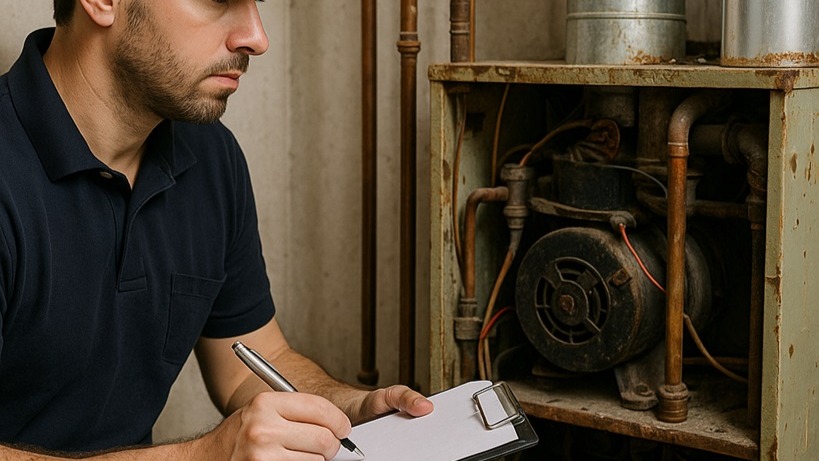
Upgrading your heating system is a significant decision, but knowing when to replace rather than repair it can make all the difference to your comfort, efficiency, and safety at home. This guide, part of our pillar category, The Ultimate Guide to Home Heating Systems, walks you through the key signs indicating replacing your heating system. We’ll share practical tips, personal insights, and expert advice in a friendly, conversational tone to help you make an informed choice.
Imagine settling in after a long day, only to find that your heating system struggles to warm up your home. It might be a minor hiccup or a sign that your system has simply reached the end of its life. This article explores the common indicators, cost considerations, and benefits of upgrading your heating system.
Recognising the Signs, It’s Time for a Change
Over time, even the best heating systems lose efficiency. Here are some telltale signs that you might need a replacement:
1. Age and Wear
Most heating systems are built to last between 15 to 20 years. As your system ages, you may notice:
- Frequent Repairs: If you’re calling out for service more often than before, it could be a sign your system is past its prime.
- Inefficiency: An older unit may struggle to maintain consistent temperatures or run efficiently, leading to higher energy bills.
- Outdated Technology: Modern systems offer improved safety features, better efficiency, and smarter controls that older systems simply can’t match.
2. Rising Energy Bills
If your energy bills have been steadily increasing without a corresponding rise in usage, it might be because your heating system isn’t operating as efficiently as it once did. Even with minor repairs, an outdated system can drain your wallet.
3. Uneven Heating and Cold Spots
Have you noticed that some rooms are consistently colder than others? Uneven heat distribution is often a symptom of a failing heating system. Over time, wear and tear can lead to poor circulation, resulting in cold spots and discomfort during the winter months.
4. Unusual Noises and Odours
Strange sounds like banging, gurgling, or whistling coming from your boiler or furnace should never be ignored. Similarly, unpleasant odours might indicate a buildup of dust, mould, or even gas leaks. These issues can not only affect performance but may also pose serious safety risks.
5. Safety Concerns
Modern heating systems are equipped with safety features to protect your home. If your current system frequently shuts down due to safety concerns, such as carbon monoxide leaks or low pressure, this is a clear sign that replacement is a wise investment.
For specialist advice or to source reliable components, consider exploring our range of Worcester Bosch Boiler Spares or our Baxi Boiler Spares.
The Financial Perspective: Repair vs. Replacement
Weighing the Costs
It’s important to balance the cost of continual repairs with the benefits of investing in a new system. Here are a few financial factors to consider:
- Repair Costs Add Up: If you’ve spent a significant portion of the system’s value on repairs over the past few years, a new system might be more cost-effective in the long run.
- Energy Efficiency Savings: Modern heating systems are designed to be energy efficient. Although the upfront cost may be higher, the reduced energy bills and potential government incentives can offset the initial investment.
- Resale Value: An updated heating system can also enhance the resale value of your home, making it an attractive prospect for potential buyers.
Personal Experience
I recall a time when a friend of mine was faced with constant repairs on an ageing boiler. After comparing the repair costs with the energy savings from a new, efficient system, they decided to upgrade. Not only did they notice an immediate drop in their monthly bills, but the comfort of having a reliable, modern system was well worth the investment.
For further insights on cost-effective solutions, you can also explore our detailed guides on Expansion Vessels and Oil Heating Burners.
Benefits of Replacing Your Heating System
Upgrading your heating system comes with a host of benefits that go beyond just improved warmth:
Enhanced Energy Efficiency
Modern systems use advanced technology to optimise energy consumption. With better heat distribution and precise temperature control, you can enjoy a warmer home at a fraction of your previous energy bills.
Improved Safety Features
Newer systems are designed with improved safety features, such as:
- Carbon Monoxide Detectors: Integrated sensors can alert you to dangerous gas leaks.
- Automated Shut-Off: Systems are programmed to shut down if unsafe conditions are detected, preventing potential damage or hazards.
Reduced Maintenance Requirements
A brand-new system typically requires less frequent servicing, saving you time and money on repairs. You can enjoy your cosy home more and spend less time worrying about breakdowns.
Better Indoor Air Quality
Older systems can sometimes circulate dust, mould, and other contaminants. A modern heating system not only heats your home more evenly but can also improve air quality by incorporating advanced filtration and ventilation technologies.
For additional safety components, check out our offerings like Firebird Oil Boilers and Fire Valves for integrated fire safety features.
Factors to Consider Before Making the Switch
Before replacing your heating system, consider these critical factors:
Assess Your Current System’s Performance
Take a close look at how well your current system meets your heating needs. Consider:
- Temperature Consistency: Does your home maintain a comfortable temperature throughout?
- Response Time: Does the system heat up quickly or lag behind?
- Noise Levels: Is the system quiet, or do you frequently hear unusual noises?
Evaluate the Installation Process
Replacing a heating system isn’t just about swapping out old parts. It’s an opportunity to reassess your home’s overall heating design. Modern systems can be integrated with smart controls and zoning options, allowing for customised heating solutions that maximise comfort and efficiency.
Consider Future-Proofing
Think about how your heating needs might change in the coming years. If you plan to renovate or expand your home, investing in a scalable and flexible system now can save you hassle later. New systems are often designed with future upgrades in mind, making them a more adaptable long-term solution.
Environmental Impact
With an increased focus on sustainability, newer heating systems are designed to be more environmentally friendly. Upgrading to a system with lower emissions can reduce your carbon footprint and may even qualify you for green energy incentives.
For environmentally conscious homeowners, browsing our Kingspan Ferham Tanks can offer insights into eco-friendly water storage and heating solutions.
The Replacement Process: What to Expect
Consultation and Assessment
Your journey to a new heating system begins with a consultation from a trusted heating engineer. They will assess your home’s requirements, inspect your current system, and recommend the most suitable options. This process ensures that you’re investing in a system that meets both your immediate and future needs.
Choosing the Right System
Selecting a new heating system involves considering a variety of factors, such as:
- Type of Fuel: Options include gas, oil, and renewable energy sources.
- System Efficiency: Look for systems with high energy efficiency ratings.
- Smart Technology: Many modern systems come equipped with smart controls for remote management and enhanced energy monitoring.
- Compatibility: Ensure the new system integrates well with existing infrastructure, like radiators and thermostats.
For a range of high-quality options, you might visit our Flavel and Cannon pages, which showcase trusted brands in the heating industry.
Installation and Commissioning
Once you’ve chosen your new system, the installation process begins. This phase typically includes:
- Removal of the Old System: A careful dismantling to avoid damage to your home.
- Installation of the New System: Fitting the new unit with precision and care.
- Testing and Commissioning: Ensuring that the system operates correctly, with all safety and efficiency parameters checked.
Post-Installation Support
After installation, regular maintenance remains essential to keep your system operating at its best. Most manufacturers offer warranties and maintenance packages that can provide peace of mind and long-term savings.
For ongoing support, remember to explore our range of Boiler Spares and Expansion Vessels that can help keep your system running efficiently for years to come.
Personal Anecdote: Making the Switch
I once helped a client who had been battling with an ageing heating system that struggled to keep up with their home’s demands. Despite numerous repairs, the system’s performance had steadily declined. After a thorough consultation, we opted for a modern, energy-efficient model. The installation process was smooth, and the benefits were immediately noticeable: more consistent heating, lower bills, and enhanced safety features. This experience reaffirmed that sometimes, replacing an old system isn’t just an expense; it’s a long-term investment in comfort and reliability.
Frequently Asked Questions
How Do I Know If Repairs Are Enough?
While small issues can often be fixed, persistent problems such as frequent breakdowns, uneven heating, or escalating repair costs are strong indicators that a replacement is more practical than continuing to repair an ageing system.
What Are the Most Energy-Efficient Options Available?
Modern boilers and heating systems now come with advanced energy ratings and smart technology. Look for models that offer high efficiency, reduced emissions, and the potential for integration with home automation systems.
Can I Upgrade My System in Phases?
In some cases, upgrading may be possible in stages. However, for optimal performance and safety, replacing the entire system at once is generally recommended.
For more detailed answers, check out our extensive guides on the Homepage, where you’ll find additional resources and expert advice.
Final Thoughts: Investing in Comfort and Efficiency
Replacing your heating system can seem daunting at first, but recognising the signs of wear, understanding the financial benefits, and knowing what to expect from the replacement process can make the decision much easier. A new system is more than just a mechanical upgrade; it’s an investment in the comfort, efficiency, and safety of your home.
By staying informed and weighing your options carefully, you can ensure that your home remains warm and welcoming for years to come. If you’re ready to explore replacement options or need further guidance, be sure to visit our Homepage for the latest insights and product offerings.