

When to Upgrade Your Gravity-Fed Shower to a Pumped System
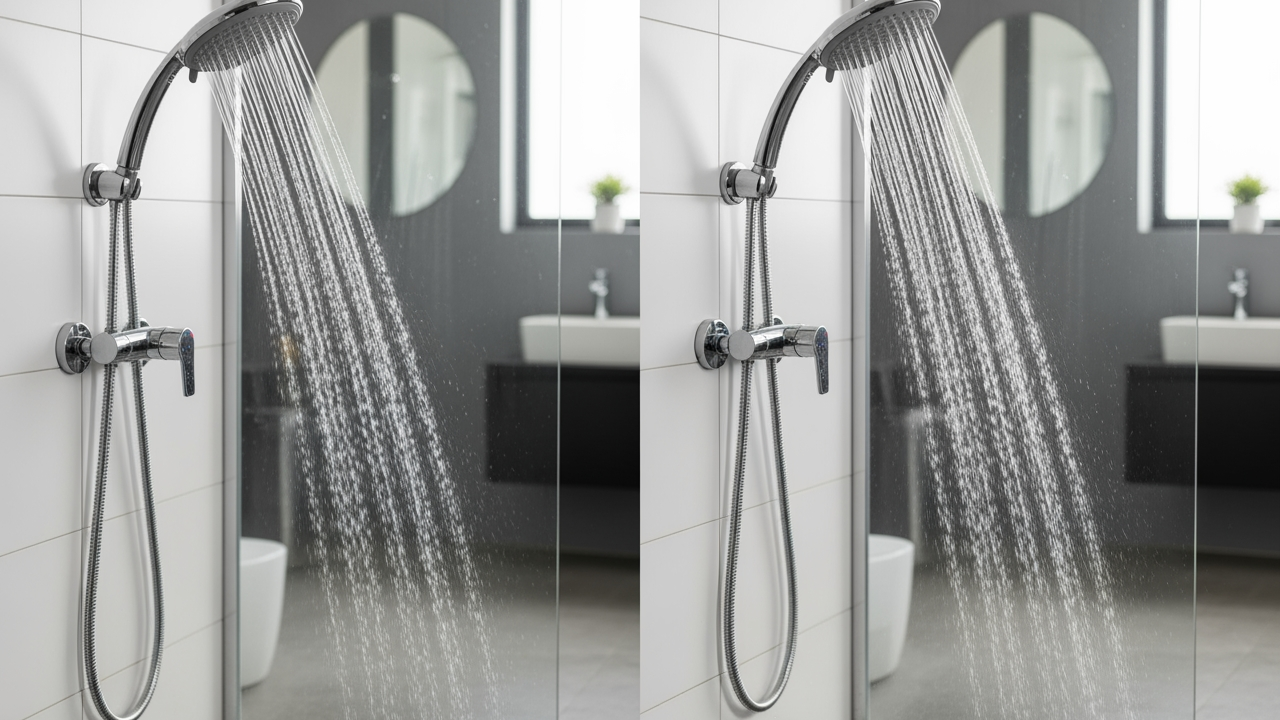
Standing under a shower that barely produces enough pressure to rinse shampoo from your hair wastes 10 minutes every morning. Gravity-fed systems work fine in two-storey homes with adequate height between the cold water tank and shower head, but they fail when that vertical distance drops below one metre or when multiple outlets run simultaneously.
Shower pumps are installed in homes where gravity alone can't deliver the 1.5 bar pressure needed for a decent shower. The decision on a gravity-fed shower upgrade depends on measurable factors: tank height, flow rate, and whether your current system meets your household's demands.
How Gravity-Fed Systems Actually Work
Gravity-fed showers rely on a cold water storage tank in your loft and a hot water cylinder, typically in an airing cupboard. Water flows downward through pipes, and the vertical distance, called the head, creates pressure. Each metre of head generates approximately 0.1 bar of pressure.
A shower head positioned 1.5 metres below your cold water tank produces roughly 0.15 bar. That's barely enough for a trickle. Most modern shower valves need at least 0.2 bar to function, and thermostatic mixing valves require balanced pressure from both hot and cold supplies.
The system struggles when multiple taps run at once. Someone flushes the toilet whilst you're showering, and the cold water diverts to refill the cistern. Your shower temperature spikes because the cold supply drops, but the hot water maintains its flow.
Five Signs You Need a Pumped System
1. Flow rate below 8 litres per minute
Test your current flow by running the shower into a bucket for 30 seconds. Multiply the litres collected by two. Anything under 8 litres per minute feels unsatisfying. Standard mixer showers need 8-12 litres per minute for comfortable use, whilst rainfall shower heads require 12-15 litres per minute.
2. Temperature fluctuates when other taps open
This indicates insufficient pressure to maintain consistent flow through your thermostatic valve. The valve can't compensate quickly enough when demand changes elsewhere in the system.
3. Head height under one metre
Measure the vertical distance from the base of your cold water tank to your shower head. Below one metre, gravity can't generate adequate pressure. Bungalows and loft conversions frequently face this limitation because the tank sits too close to the shower outlet.
4. The mixer valve won't maintain temperature
Thermostatic mixing valves need balanced pressure from hot and cold supplies, typically within 0.1 bar of each other. Unequal pressure causes the valve to shut down as a safety feature, cutting the flow to a dribble or stopping completely.
5. Plans to add a second bathroom
Adding another shower to a gravity-fed system splits the already limited flow. Two people showering simultaneously with a gravity system means both get inadequate pressure unless you upgrade to a pumped solution.
Single Impeller vs Twin Impeller Pumps
Single impeller pumps boost either hot or cold water, not both. They work when one supply has adequate pressure but the other doesn't, commonly when the mains cold water pressure is good but hot water from the cylinder lacks force.
These pumps cost £150-300 and suit situations where you're upgrading from a standard mixer to a thermostatic valve that requires balanced pressure. Install the pump on the weak supply line to match the pressure of the stronger one.
Twin impeller pumps boost both hot and cold supplies simultaneously. They contain two pumps in one housing, ensuring balanced pressure to the thermostatic valves. These units cost £250-500 and handle whole-bathroom upgrades, including multiple shower heads, body jets, or rainfall fixtures. Heating and Plumbing World supplies twin impeller pumps from Stuart Turner, a leading manufacturer of water pressure solutions.
Twin pumps deliver 1.5-3.0 bar pressure and flow rates of 12-18 litres per minute, sufficient for high-performance shower systems. They're essential when both hot and cold supplies lack adequate pressure.
Positive vs Negative Head Pumps
Positive head pumps sit below the cold water tank, with water feeding into the pump under gravity. They activate when you open the shower valve, sensing the pressure drop and responding within seconds. These pumps cost less (£200-400) and work reliably when you have at least 600mm of head height.
Negative head pumps sit level with or above the cold water tank. They use a pressure switch or flow switch to detect when you've opened the shower and actively pull water from the tank. These units cost £400-700 but solve problems in bungalows and loft conversions where tank placement makes positive head installation impossible.
A negative head pump installed in a 1960s bungalow where the cold water tank sat in a shallow loft space only 400mm above the shower solved years of weak flow. The negative head pump delivered 2.0 bar pressure and transformed a 4-litre-per-minute dribble into a 14-litre-per-minute shower.
Where to Install the Pump
Pumps need dedicated connections from the cold water tank and hot water cylinder. Don't connect them to pipes serving other outlets; the pump will activate every time someone opens any tap in the house, wasting energy and wearing out the motor.
Install the pump as close to the shower as possible while keeping it accessible for maintenance. Airing cupboards work well because they're warm (pumps shouldn't freeze) and near the hot water cylinder. Mount the pump on a solid surface with anti-vibration mounts to reduce noise.
The pump must sit on a flat, stable base. Vibration from an improperly mounted pump travels through pipes and joists, creating a humming noise throughout the house. Rubber isolation pads under every pump and flexible connections to the pipework prevent this issue.
Position the pump so you can access the isolating valves on both inlet pipes. You'll need to shut off the water supply for eventual maintenance or replacement. Include a check valve on the outlet to prevent backflow when the pump stops.
Electrical Requirements
Shower pumps need a dedicated electrical supply protected by a 3-amp fused spur. The pump must be on its own circuit, not sharing with other bathroom equipment. Regulations require the electrical connection to be outside the bathroom, typically in an airing cupboard or loft space.
Many pumps include a 3-metre cable, which reaches an airing cupboard installation from a fused spur in an adjacent landing or bedroom. Never use a standard plug socket; pumps need a permanent, fused connection that can't be accidentally unplugged.
Some installations require a qualified electrician to run a new circuit from your consumer unit. Budget £150-300 for electrical work if your current wiring doesn't support the pump location.
What the Upgrade Actually Costs
Supply and installation of a twin impeller positive head pump costs £600-900 in most UK homes. That includes the pump unit (£250-400), isolation valves, check valves, flexible connections, anti-vibration mounts, and 3-4 hours of labour.
Negative head pumps cost £800-1,200 installed because the units themselves are more expensive, and installation takes longer. Add electrical work if needed: £150-300 for a new fused spur on an existing circuit, or £300-500 for a complete new circuit from the consumer unit.
Whole-house pumps that boost pressure throughout your property cost £1,200-2,000 installed. These make sense when you're renovating multiple bathrooms or adding en-suites, but they're excessive for solving a single shower problem.
System Compatibility Issues
Combination boilers don't need shower pumps; they already deliver mains pressure hot water. Installing a pump on a combi system damages the boiler and voids its warranty. If you have a combi boiler and weak shower pressure, the problem lies elsewhere: scaled-up pipes, a faulty pressure relief valve, or undersized boiler output.
Unvented hot water cylinders operate at mains pressure and don't require pumps. These systems store hot water under pressure, delivering a strong flow without additional pumping. Check your cylinder type before specifying a pump; you might have an unvented system that needs different troubleshooting. Quality cylinders from Gledhill or Kingspan already provide excellent pressure without pumping.
Electric showers don't benefit from pumps because they heat cold water internally as it flows. These units connect directly to the cold water main and include built-in flow restrictors. Adding a pump can damage the heating element by forcing too much water through the unit.
Maintenance Requirements
Shower pumps last 8-12 years with minimal maintenance. Descalcify the impellers every 2-3 years in hard water areas. Limescale buildup reduces efficiency, causing the motor to work harder and wear faster.
The pump should activate within 2-3 seconds of opening the shower and shut off within 5 seconds of closing it. Delayed activation indicates a failing pressure switch. A pump that continues running after you've closed the shower has a faulty flow switch or a leak in the system.
Listen for changes in operating noise. Pumps run quietly with a steady hum. Grinding, squealing, or rattling indicates worn bearings or a damaged impeller. Catch these problems early, and a £50 repair kit prevents a £400 pump replacement.
Check isolation valves annually. Close and reopen them to prevent them from seizing. A valve that won't close when you need to service the pump means draining down the entire system, adding hours to any maintenance job.
When Not to Upgrade
Don't install a pump to compensate for a cold water tank that's too small. If your tank empties during a shower, you need a larger tank or a better flow rate from the ball valve to refill it. A pump will drain an undersized tank even faster.
Skip the pump if your hot water cylinder can't sustain the flow rate. A standard 150-litre cylinder with a 3kW immersion heater recovers slowly. Running a high-flow shower depletes it quickly, leaving you with cold water mid-shower. Upgrade to a larger cylinder or a faster-recovery system first.
Avoid pumps when your property has plans for a full heating system upgrade. If you're considering a combination boiler or unvented cylinder in the next 2-3 years, those systems eliminate the need for shower pumps. Spend your money on the complete upgrade rather than a temporary solution.
Conclusion
A gravity shower upgrade makes sense when your gravity-fed setup delivers less than 8 litres per minute, when head height falls below one metre, or when temperature fluctuations disrupt every shower. Twin impeller pumps solve most domestic situations, providing balanced pressure to thermostatic valves and supporting modern shower fixtures.
The £600-900 investment transforms daily showers from frustrating to functional. Choose positive head pumps for standard installations where the cold water tank sits well above the shower, and negative head pumps for bungalows or loft conversions with limited height differential.
Measure your current flow rate, check your head height, and verify your system type before purchasing. A properly specified and installed pump delivers 10 years of reliable service, but the wrong pump for your configuration creates new problems whilst failing to solve the original issue. For expert advice on gravity-fed shower upgrade options and pump selection, contact us for tailored recommendations.