

When You Need a Gas Safe Engineer and Why It Matters
Gas appliances keep homes warm, provide hot water, and power cooking - but they also pose serious risks when not properly maintained or installed. Understanding when to call a Gas Safe engineer can prevent dangerous situations, protect your family, and ensure compliance with UK law.
What Is a Gas Safe Engineer?
A Gas Safe engineer holds official registration with Gas Safe Register, the only legally recognised body for gas work in the United Kingdom. This certification confirms the engineer has undergone rigorous training, passed competency assessments, and maintains up-to-date knowledge of gas safety regulations.
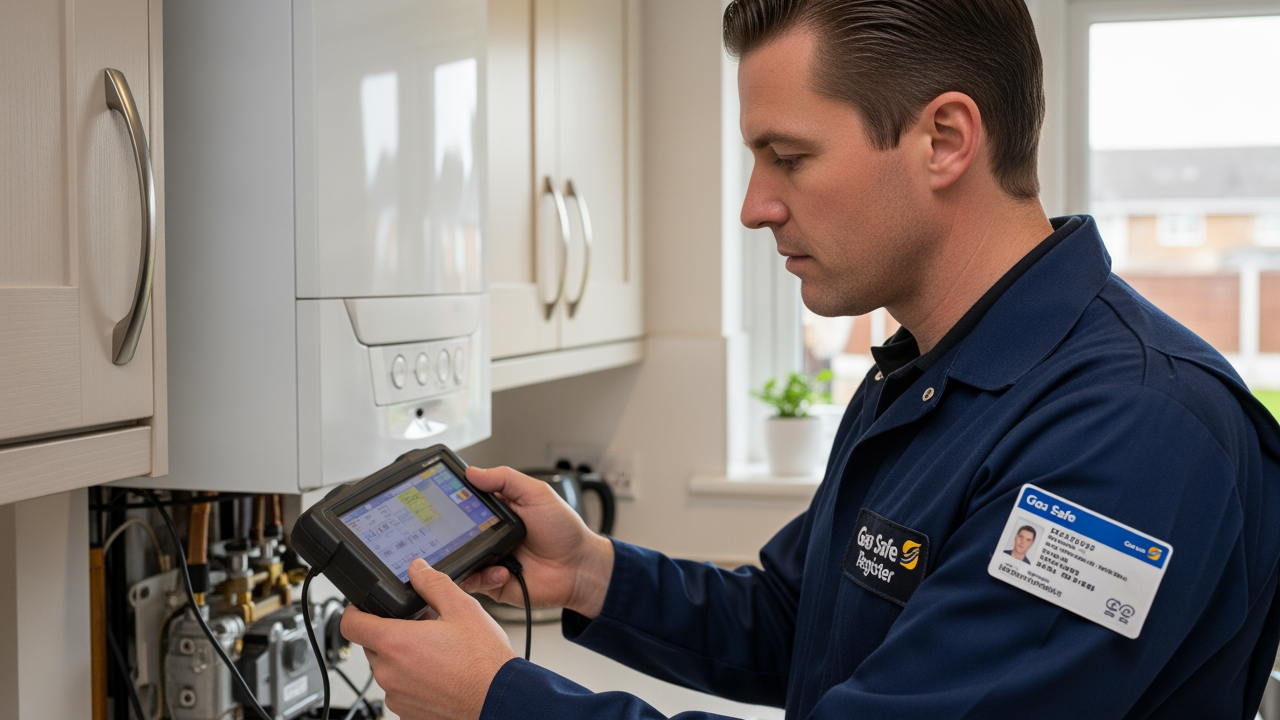
Every Gas Safe engineer carries a unique identification card listing their qualifications and the types of gas work they're authorised to perform. Homeowners should always verify this card before allowing any gas work to proceed. The Gas Safe Register website also provides a verification service where you can check an engineer's credentials using their licence number.
Legal Requirements for Gas Work
UK law mandates that only Gas Safe-registered engineers can legally work on gas appliances, fittings, and installations. The Gas Safety (Installation and Use) Regulations 1998 make it a criminal offence for anyone to carry out gas work unless properly registered. Penalties for non-compliance include unlimited fines and imprisonment.
For landlords, the legal obligations extend further. Annual gas safety checks must be conducted by qualified professionals, with certificates provided to tenants. Homeowners, whilst not legally required to have annual inspections, face significant safety risks and potential insurance complications without regular maintenance.
When You Must Call a Gas Safe Engineer
New Boiler Installation
Installing a new heating system requires professional expertise. Whether upgrading to a modern condensing boiler or replacing an old unit, Heating and Plumbing World recommends using certified engineers who understand current Building Regulations and can properly commission your system. Incorrect installation affects efficiency, creates carbon monoxide risks, and may void manufacturer warranties.
Modern boilers require precise installation of condensate pipes, flue systems, and controls. The wrong positioning or inadequate ventilation can create dangerous situations. Professional engineers ensure all components, including expansion vessels and pressure relief valves, function correctly and meet safety standards.
Annual Boiler Servicing and Gas Safety Checks
Regular maintenance prevents breakdowns and identifies developing problems before they become dangerous. Annual gas safety checks should examine the condition of gas appliances, test for carbon monoxide emissions, verify adequate ventilation, and inspect flue systems for blockages or damage.
During servicing, engineers clean burners, check gas pressure, test safety devices, and ensure efficient combustion. They'll also inspect internal components that may require replacement. Having genuine boiler spares available ensures repairs meet manufacturer specifications and maintain appliance safety.
Gas Appliance Repairs
Never attempt DIY repairs on gas appliances. Even seemingly minor issues like pilot light problems or unusual noises require professional assessment. Gas leaks, incomplete combustion, and faulty safety controls can develop quickly into life-threatening situations.
Common repair scenarios requiring a Gas Safe engineer include boilers failing to ignite, radiators not heating properly, unusual smells near gas appliances, yellow or orange flames instead of blue, and persistent pilot light failure. For popular brands, certified engineers stock specific components like Worcester Bosch boiler spares or Baxi boiler spares to complete repairs efficiently.
Gas Appliance Disconnection or Capping
Moving or removing gas cookers, fires, or boilers requires proper disconnection. Simply turning off the supply isn't sufficient - the supply pipe must be properly capped to prevent leaks. This work demands a Gas Safe engineer who can safely isolate the supply and ensure no gas escape occurs.
Suspected Gas Leaks
Gas leaks represent immediate emergencies. Signs include distinctive sulphur-like smells (gas companies add this odour to naturally odourless gas), hissing sounds near gas pipes or appliances, dead vegetation near underground gas lines, and physical symptoms like headaches, nausea, or dizziness.
If you suspect a leak, evacuate the property immediately, avoid creating sparks (don't use light switches or mobile phones indoors), leave doors and windows open, and call the National Gas Emergency Service on 0800 111 999. Once the emergency is resolved, a Gas Safe engineer must investigate the cause and perform necessary repairs before restoring the gas supply.
Carbon Monoxide Concerns
Carbon monoxide, an odourless and colourless gas, results from incomplete combustion in gas appliances. Symptoms of poisoning include headaches, dizziness, nausea, breathlessness, collapse, and loss of consciousness. Long-term exposure can be fatal.
Any carbon monoxide alarm activation requires immediate action. Evacuate the property, ventilate by opening windows and doors, turn off gas appliances if safe to do so, and call a Gas Safe engineer immediately. Professional testing equipment can detect carbon monoxide levels and identify which appliance is malfunctioning.
Converting Appliances Between Gas Types
Natural gas and LPG (liquefied petroleum gas) require different burner configurations and operating pressures. Converting appliances between gas types demands professional expertise to replace jets, adjust regulators, and test for safe operation. Incorrect conversion creates serious safety hazards.
Moving Gas Meters or Pipework
Relocating gas meters, extending supply pipes, or altering gas installations falls under notifiable work that must comply with Building Regulations. Only Gas Safe engineers can legally perform this work, which includes proper pressure testing, appropriate pipe sizing, and adequate ventilation considerations.
Why Gas Safe Registration Matters
Safety Assurance
Gas Safe registration guarantees engineers possess the knowledge and skills to work safely with gas. Their training covers combustion theory, ventilation requirements, safety device operation, and emergency procedures. This expertise prevents the dangerous mistakes that unqualified individuals might make.
Legal Protection
Using unregistered engineers leaves homeowners legally vulnerable. Insurance companies may refuse claims for damage caused by improper gas work. Additionally, if selling a property, conveyancing solicitors will request gas safety certificates, and work by unregistered engineers provides no valid documentation.
Quality Workmanship
Registered engineers maintain professional standards and follow industry best practices. They understand manufacturer specifications, use appropriate materials, and test their work thoroughly. This quality approach ensures gas appliances operate efficiently and safely for years.
Warranty Compliance
Most boiler manufacturers require installation and servicing by Gas Safe-registered engineers to maintain warranties. Using unqualified individuals voids these warranties, leaving homeowners liable for expensive repairs that would otherwise be covered.
How to Find a Qualified Gas Safe Engineer
The Gas Safe Register website provides a searchable database of registered engineers in your area. You can search by postcode, specify the type of work required, and view engineers' qualifications. Always verify the engineer's identity card before work begins and check it includes authorisation for the specific task.
Recommendations from trusted sources provide valuable guidance, but always verify registration independently. Some engineers specialise in particular appliance brands or system types, so explaining your requirements helps identify the most suitable professional.
The Cost of Cutting Corners
Hiring unregistered individuals might seem economical initially, but the risks far outweigh any savings. Poorly installed or maintained gas appliances can explode, leak carbon monoxide, or fail catastrophically. The financial costs of emergency repairs, property damage, or insurance claim rejection pale beside the potential loss of life.
Professional gas safety checks typically cost between £60-£90, whilst boiler servicing ranges from £70-£120 depending on location and system complexity. These modest investments provide peace of mind and prevent expensive emergency call-outs.
Protecting Your Family
Carbon monoxide detectors should be installed in every room containing a gas appliance and near bedrooms. These devices provide early warning of problems, but they supplement rather than replace professional gas safety checks. Test detectors monthly and replace batteries annually.
Ensure adequate ventilation around gas appliances. Never block air vents or flue terminals, and avoid drying clothes over boilers or blocking ventilation grilles. Good airflow prevents incomplete combustion and carbon monoxide buildup.
Educate household members about gas safety signs and emergency procedures. Everyone should know how to turn off the gas supply at the meter and recognise when to evacuate and call emergency services.
Taking Action
Regular maintenance prevents most gas-related problems. Schedule annual gas safety checks, respond promptly to any unusual smells or appliance behaviour, and never ignore warning signs. Professional engineers identify developing issues before they become dangerous.
Keep records of all gas work, including installation certificates, service reports, and safety check documentation. These records prove compliance for insurance purposes, assist future engineers in understanding your system, and provide valuable information when selling property.
Gas safety isn't an area for compromise or cost-cutting. The expertise of a qualified Gas Safe engineer protects your family, your property, and your peace of mind. Whether installing new appliances, conducting routine maintenance, or addressing problems, professional gas work represents an essential investment in safety.
If you need qualified professionals for gas appliance installation, servicing, or repairs, contact us to discuss your requirements with experienced Gas Safe registered engineers.