

Why Your ASHP Flow Temperature Sensor Is Critical for Efficiency
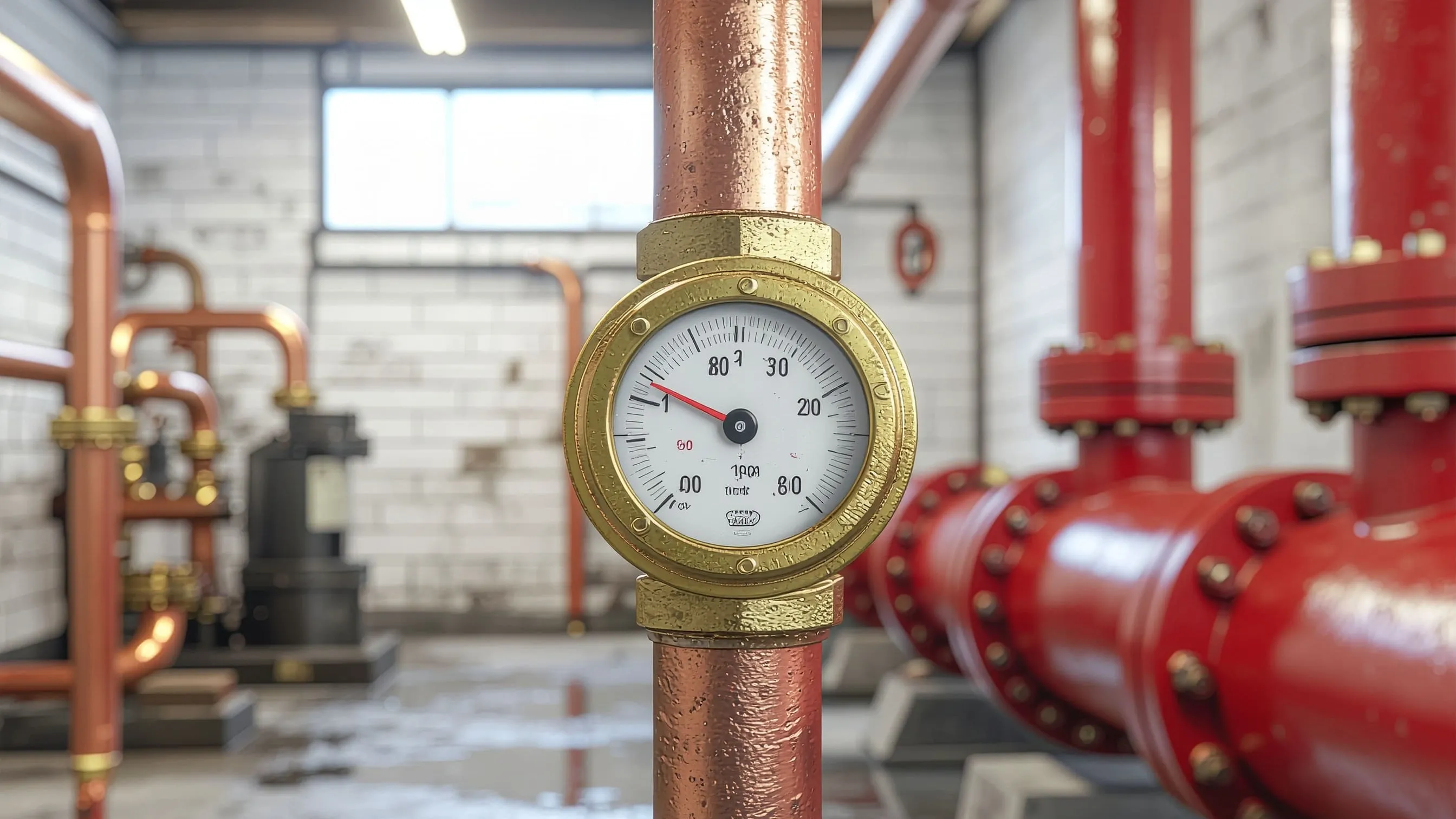
Air source heat pumps operate on incredibly tight thermodynamic margins. Unlike traditional fossil fuel boilers that simply blast eighty-degree water through the pipes regardless of demand, a modern heat pump relies entirely on precise, dynamic temperature control. The ASHP flow temperature sensor is the central nervous system of this operation. It tells the main control board exactly how hot the water leaving the heat exchanger actually is. If this measurement is inaccurate, the entire system runs blind. Understanding how to diagnose, test, and replace this critical component ensures your installations achieve their maximum designed efficiency.
The Physics of Heat Pump Efficiency
The core rule of heat pump thermodynamics is simple: the lower your flow temperature, the higher your coefficient of performance. For every degree you can drop the flow target while still satisfying the heat loss of the property, your electrical efficiency improves significantly.
Think of the ASHP flow temperature sensor like the speedometer on a heavy commercial vehicle. If the dial says you are doing thirty miles per hour when you are actually doing seventy, you are going to burn excess fuel and eventually crash. An inaccurate thermistor forces the compressor to run far harder than physically necessary.
Professionals know that maintaining precise temperature tracking is what separates a world-class installation from a terrible one. Heating and Plumbing World supplies the exact OEM replacement sensors and thermal pastes required to keep these systems running at peak operational efficiency. Do not settle for generic parts when thermodynamic accuracy is at stake.
Last October, a newly qualified installer couldn't understand why a massive twelve-kilowatt unit was drawing maximum current but failing to heat the property effectively. He had accidentally clipped the primary flow sensor onto the return pipe during a frantic late-night commissioning phase. The unit chased a flow temperature setpoint it could never physically reach because it was reading the cooler returning water. A two-minute sensor relocation fixed a problem that was destroying the system's efficiency overnight.
How Flow Sensors Dictate Compressor Load
Modern inverter-driven compressors do not simply switch on and off. They modulate their speed continuously to match the exact heating demand of the property. The control board relies strictly on the ASHP flow temperature sensor to determine how fast the compressor needs to spin.
If the sensor indicates the leaving water is five degrees below the target flow temperature setpoint, the inverter ramps up the compressor speed. If the sensor is coated in biological sludge or loosely attached to the pipework, it will register a falsely low temperature. This forces the compressor to run at maximum load constantly, vastly accelerating mechanical wear and tear on the internal scroll mechanism.
Reliable heating controls depend entirely on the absolute accuracy of these initial raw thermistor readings. If the foundation data is corrupted by a faulty sensor, every subsequent decision made by the main printed circuit board will be completely wrong.
You must ensure that the sensor accurately reflects the true temperature of the water inside the flow and return pipework, not just the ambient air surrounding the copper tube. A poorly insulated sensor is a massive liability.
Weather Compensation and Dynamic Adjustments
To achieve maximum seasonal efficiency, modern systems utilise a dynamic weather compensation curve. This logic automatically adjusts the target flow temperature based on how cold it is outside. When the outdoor temperature drops, the system calculates a higher target for the primary flow water to counteract the increased heat loss of the building.
The system relies on the flow sensor to confirm it has actually reached the new target set by the weather compensation curve. If the weather is exceptionally mild, the curve might demand a flow temperature of just thirty-five degrees.
Combining this dynamic outdoor logic with a modern smart trv on every radiator allows for incredibly granular, room-by-room climate control. The heat pump provides exactly enough thermal energy to satisfy the worst-case room, while the individual valves trim the flow to the warmer spaces.
In this highly optimized setup, your main digital thermostat simply acts as a final high-limit safety rather than the primary driver of the heat pump. The true driving force is the mathematical relationship between the outdoor sensor, the flow sensor, and the internal curve settings.
Measuring Temperature Differentials
Evaluating the overall hydraulic health of the system requires a precise delta T calculation. This is the mathematical difference between the hot water leaving the heat pump and the cooler water returning from the property.
A standard delta T calculation for a modern air source system is usually around five degrees. If your flow sensor and your return sensor indicate a differential of twelve degrees, water is moving far too slowly through the flow and return pipework. This usually points to a failing circulation pump, a blocked magnetic filter, or severely undersized pipework.
Accurate sensor readings directly impact radiator performance across the entire property. If the flow sensor is artificially capping the system at forty degrees due to a calibration drift, the heat emitters will never output their designed wattage, leaving the homeowner freezing during deep winter.
When the system diverts heat to an unvented cylinder system, the flow temperature setpoint is temporarily overridden to satisfy domestic hot water demands. The flow sensor must accurately track this rapid temperature spike to sixty degrees and safely step the compressor back down once the cylinder is fully satisfied.
Best Practices for Sensor Placement and Diagnostics
When installing or replacing an ASHP flow temperature sensor, physical contact is everything. The copper or brass sensing bulb must sit completely flush against the clean metal of the flow and return pipework. Always clean the copper pipe with abrasive mesh and apply a generous bead of highly conductive thermal paste before snapping the retaining clip into place.
Once secured, you must insulate the sensor heavily using closed-cell foam insulation. If ambient cold air washes over the sensor body, it will skew the delta T calculation and force the system to overwork.
When diagnosing a suspected fault, never rely on visual inspections alone. Disconnect the sensor from the main PCB and test its resistance across the pins using a high-quality multimeter. Compare your readings directly against the manufacturer's specific thermistor resistance chart based on the actual pipe temperature.
If the sensor values drift off the chart, or if it fails to track the target dictated by the weather compensation curve, cut it out and replace it immediately. A twenty-pound sensor dictates the efficiency of a ten-thousand-pound heating system. Don't take chances. Test properly.
Conclusion
The flow temperature sensor is arguably the most critical electronic component for maintaining heat pump efficiency and protecting the compressor from premature failure. Always verify sensor resistance values with a reliable multimeter, ensure perfect physical contact using thermal paste, and insulate the measurement point heavily against ambient air. If you encounter unusual diagnostic readings, struggle to balance your temperature differentials, or need assistance interpreting a complex manufacturer resistance chart, please contact our support team for dedicated expert guidance today.