

WiFi-Enabled Plumbing Sensors for Leak Detection
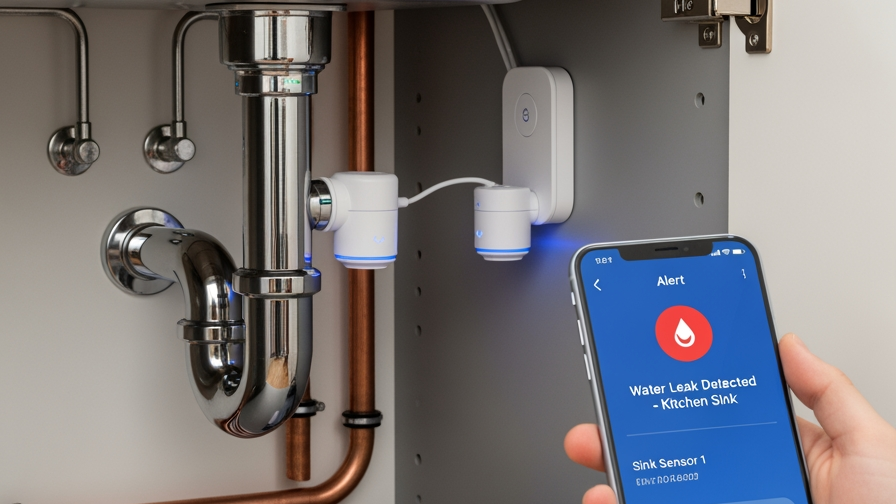
Water damage remains one of the most costly and preventable disasters facing UK homeowners. A small, undetected leak can cause thousands of pounds in structural damage, mould growth, and ruined possessions. Traditional leak detection relied on visible signs - damp patches, water stains, or puddles - by which time significant damage had already occurred. Modern technology offers a proactive solution through WiFi plumbing sensors that monitor water systems continuously and alert homeowners to problems before they escalate.
These intelligent devices represent a significant advancement in home plumbing safety, combining wireless connectivity with precision monitoring to provide early warning of leaks, unusual water flow, or pressure changes. For homeowners seeking peace of mind and property protection, leak detection sensors offer 24/7 surveillance of plumbing systems with instant smartphone notifications.
How WiFi Plumbing Sensors Work
WiFi plumbing sensors function by monitoring various water-related parameters and transmitting data wirelessly to a central hub or directly to smartphones via dedicated apps. Most systems operate on battery power or low-voltage connections, making them suitable for installation in areas without convenient electrical outlets.
The sensors detect water presence, flow rate changes, pressure variations, or temperature fluctuations, depending on their design. When abnormal conditions occur - such as water where it shouldn't be or unusual flow patterns suggesting a leak - the system triggers alerts via push notifications, emails, or audible alarms. Many advanced models integrate with smart home ecosystems like Amazon Alexa or Google Home, enabling voice control and automation routines.
Types of Sensors Available
Point-of-leak sensors sit on floors or surfaces in vulnerable areas, detecting water accumulation. These compact devices work well under sinks, near water heaters, behind washing machines, and around toilet bases. Inline flow meters install directly into water supply pipes, monitoring flow rates and identifying abnormal consumption patterns. Water pressure monitors track system pressure, detecting drops that indicate leaks or rises that could stress pipes and pressure relief valves.
Key Benefits of Leak Detection Sensors
Early detection capabilities stand out as the primary advantage of WiFi-enabled leak detection sensors. Catching leaks within minutes rather than days or weeks prevents extensive water damage to floors, walls, ceilings, and furnishings. Insurance companies increasingly recognise this value, with some offering premium discounts for properties equipped with monitored leak detection systems.
Remote monitoring transforms property management, particularly for holiday homes, rental properties, or during extended absences. Homeowners can check system status from anywhere with internet access, receiving instant alerts if problems arise. This capability proves invaluable during winter months when frozen pipes pose heightened risks, or when travelling leaves properties unattended for weeks.
Water conservation benefits extend beyond leak detection. By tracking consumption patterns, these systems help identify inefficient fixtures, running toilets, or dripping taps that waste water gradually. The environmental and financial savings accumulate significantly over time, with many households reducing water bills by 10-15% after installing monitoring systems and addressing identified inefficiencies.
Installation Considerations
Installation complexity varies significantly based on sensor type and system sophistication. Point-of-leak sensors typically require no professional installation - homeowners simply place them in strategic locations and connect them to WiFi networks following manufacturer instructions. These plug-and-play devices offer immediate protection for high-risk areas.
Inline flow meters and automatic shut-off valves demand professional installation, as they integrate directly into plumbing infrastructure. Heating and Plumbing World recommends consulting qualified plumbers for these installations to ensure proper integration with existing systems and compliance with building regulations. Professional installation also guarantees warranty coverage and optimal sensor placement.
Optimal Placement Locations
Strategic sensor positioning maximises protection. Kitchens and bathrooms represent the highest-risk areas, warranting multiple sensors under sinks, near dishwashers, behind toilets, and around bath and shower enclosures. Utility rooms housing washing machines, tumble dryers with condensate drainage, and hot water cylinders require monitoring.
Boiler rooms and heating systems benefit significantly from WiFi plumbing sensors, as leaks from expansion vessels, radiator valves, or boiler components can go unnoticed until substantial damage occurs. Basements, loft spaces with water tanks, and areas below ground-floor plumbing particularly benefit from continuous monitoring due to their concealed nature.
Choosing the Right System
Battery life considerations impact maintenance requirements significantly. Premium sensors operate for 2-3 years on standard batteries, whilst budget models may require replacement every 6-12 months. Mains-powered options eliminate battery concerns but restrict placement to areas with electrical access. Hybrid systems offering both power options provide maximum flexibility.
Alert customisation features distinguish sophisticated systems from basic models. The best leak detection sensors allow users to set sensitivity levels, configure multiple notification methods, designate alert recipients, and create monitoring schedules. Some systems integrate with home automation platforms, triggering responses like shutting off water supplies automatically or activating dehumidifiers when leaks occur.
Connectivity reliability proves crucial - sensors are only effective if they maintain consistent communication. Systems using WiFi should support modern security protocols (WPA2 or WPA3) and offer backup communication methods like cellular connections for critical alerts. Range becomes important in larger properties, with some systems requiring additional WiFi extenders or mesh networks for reliable coverage.
Integration with Existing Plumbing Systems
Modern condensing boilers from manufacturers like Worcester Bosch increasingly feature built-in leak detection capabilities and smart connectivity. Homeowners can enhance these systems with supplementary WiFi plumbing sensors to monitor areas beyond the boiler itself. When selecting Worcester Bosch spares for maintenance or repairs, considering components with smart features maintains system cohesion.
Automatic shut-off valves represent the ultimate integration, combining leak detection with immediate response capabilities. When sensors detect water where it shouldn't be, motorised valves close the main water supply within seconds, preventing catastrophic damage. These systems particularly suit properties left vacant regularly or occupied by elderly residents who might struggle responding quickly to traditional alarms.
Traditional plumbing systems in older properties can be retrofitted with leak detection sensors without extensive modifications. Point-of-leak sensors work universally, whilst inline meters can be installed at water meter locations or main supply entry points. Properties with water storage tanks should monitor overflow pipes and tank compartments where leaks commonly develop unnoticed.
Maintenance and Troubleshooting
Regular maintenance ensures the reliable operation of WiFi plumbing sensors. Battery-powered units require periodic battery replacement according to manufacturer schedules - most systems provide low-battery warnings well in advance. Testing sensors monthly by triggering them with small amounts of water confirms functionality and familiarises occupants with alert systems.
Software updates delivered via smartphone apps introduce new features, improve connectivity, and address security vulnerabilities. Enabling automatic updates ensures sensors maintain optimal performance without manual intervention. Cleaning sensor surfaces quarterly prevents false alarms caused by dust or debris accumulation, particularly important in dusty environments like basements or utility rooms.
False alarms occasionally occur, typically caused by condensation, high humidity, spilt drinks, or cleaning activities. Adjusting sensor sensitivity settings or repositioning units away from temporary moisture sources resolves most issues. Connectivity problems usually stem from WiFi range limitations, network changes, or router updates requiring sensor reconfiguration through apps.
Professional Support and Expert Advice
Selecting appropriate leak detection technology for specific property needs can seem overwhelming given the variety of available systems. Professional guidance ensures optimal protection without unnecessary expense or complexity. Qualified plumbers assess property layouts, identify high-risk areas, recommend suitable sensor types, and provide installation services where required.
Integration with existing heating and plumbing infrastructure requires technical knowledge to ensure compatibility and maximise effectiveness. Sensors monitoring boiler systems must work harmoniously with safety devices like pressure relief valves without creating conflicts or false alarms. Professional installers ensure all components function together reliably.
Conclusion
WiFi-enabled plumbing sensors represent a wise investment for property protection, offering round-the-clock monitoring and early warning capabilities that prevent costly water damage. The technology has matured significantly, providing reliable, affordable solutions suitable for properties of all types and ages. From simple point-of-leak sensors to comprehensive systems with automatic shut-off capabilities, options exist for every budget and requirement.
The peace of mind these systems provide extends beyond financial protection - knowing that plumbing systems are monitored continuously allows homeowners to travel confidently, sleep soundly, and avoid the stress of discovering major leaks after they've caused extensive damage. As smart home technology continues advancing, integrating leak detection sensors with other property protection systems creates comprehensive security ecosystems.
For expert advice on selecting and installing WiFi plumbing sensors suited to specific property needs, or for professional assessment of high-risk areas requiring monitoring, contact us today. Professional guidance ensures optimal protection and seamless integration with existing heating and plumbing systems.