

Wireless Boiler Diagnostics: How It's Changing Maintenance
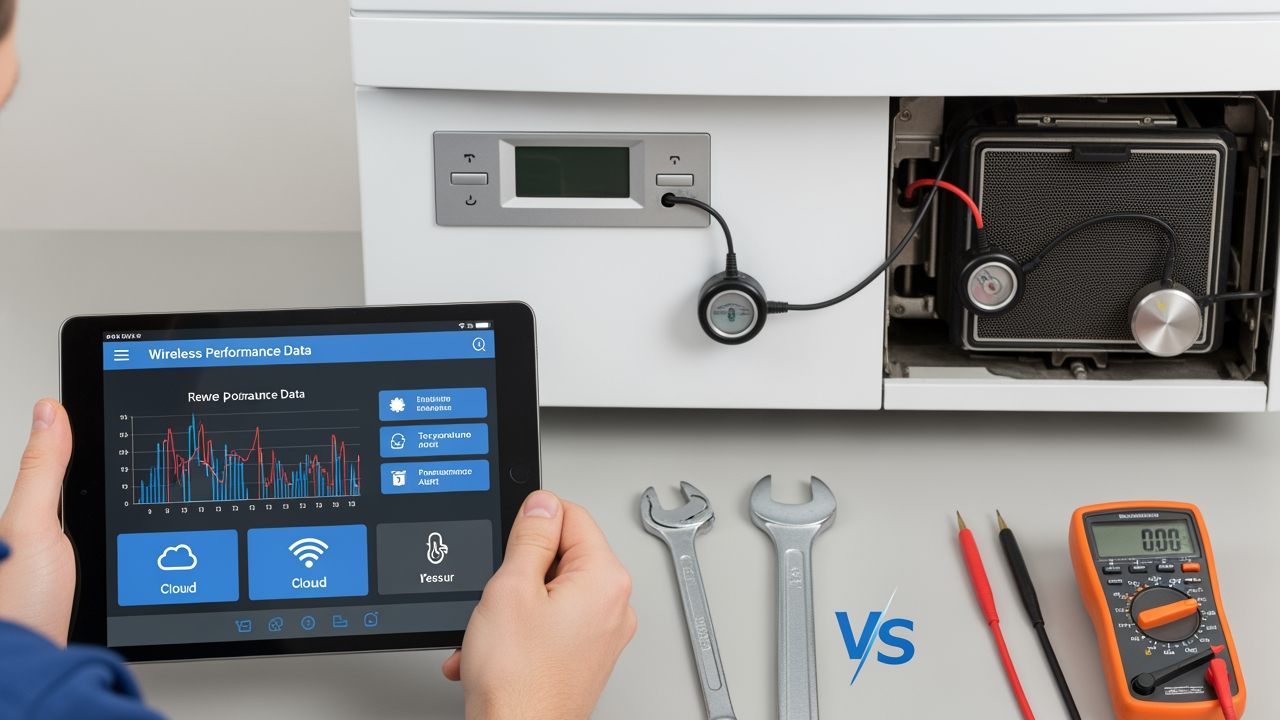
The heating industry is undergoing a technological revolution that's transforming how boilers are monitored, maintained, and repaired. Traditional reactive maintenance - waiting for breakdowns before taking action - is giving way to intelligent, data-driven systems that predict problems before they occur. At the heart of this transformation lies wireless boiler diagnostics, a technology that's changing everything from how engineers diagnose faults to how homeowners manage their heating systems.
What Is Wireless Boiler Diagnostics?
Wireless boiler diagnostics represents a fundamental shift in heating system monitoring. Rather than relying on annual service visits or waiting for obvious signs of trouble, this technology uses connected sensors to continuously monitor boiler performance. These wireless devices track critical parameters, including temperature fluctuations, pressure variations, combustion efficiency, and component operation cycles.
The system works by transmitting real-time data from the boiler to cloud-based platforms, where sophisticated algorithms analyse performance patterns. Engineers and homeowners can access this information through mobile apps or web dashboards, providing unprecedented visibility into heating system health. Unlike traditional diagnostic tools that only capture snapshots during service visits, wireless systems maintain constant surveillance, detecting subtle changes that human inspection might miss.
Modern wireless diagnostic platforms integrate seamlessly with both newer condensing boilers and older heating systems. Retrofitting existing installations typically involves installing compact sensors that communicate via Wi-Fi or dedicated wireless protocols, requiring minimal disruption to property owners.
The Shift to Predictive Boiler Maintenance
Perhaps the most significant impact of wireless boiler diagnostics is enabling predictive boiler maintenance strategies. This approach moves beyond scheduled annual services to data-informed interventions based on actual system condition rather than arbitrary timeframes.
Predictive maintenance algorithms analyse historical performance data alongside real-time sensor readings to identify patterns that precede component failure. For example, gradual pressure drops might indicate a developing leak, while efficiency degradation could signal burner or heat exchanger issues. By detecting these warning signs weeks or months before complete failure, engineers can schedule repairs during convenient times rather than responding to emergency breakdowns during cold winter nights.
The financial benefits are substantial. Emergency callouts typically cost two to three times more than planned maintenance visits. More importantly, catching problems early often means repairing rather than replacing expensive components. A heat exchanger developing minor scale buildup can be cleaned during routine maintenance, but if left undetected, the same issue could cause complete system failure, requiring costly replacement.
Heating and Plumbing World has observed that properties using wireless diagnostic systems experience 40-60% fewer emergency breakdowns compared to those relying solely on annual servicing. This dramatic reduction stems from identifying and addressing minor issues before they escalate into major failures.
Key Components of Modern Diagnostic Systems
Effective wireless boiler diagnostics systems comprise several integrated components working in concert. Sensor packages measure temperature, pressure, flow rates, and combustion parameters, with data transmission occurring at intervals ranging from minutes to hours, depending on system configuration.
Cloud-based platforms serve as the analytical engine, processing incoming data streams and applying machine learning algorithms to detect anomalies. These platforms maintain historical records, enabling trend analysis that reveals gradual performance degradation invisible during individual service visits.
Mobile applications put diagnostic power in engineers' hands, allowing remote system checks before site visits. This capability transforms service delivery - technicians arrive prepared with relevant boiler spares and tools, having already diagnosed the problem remotely.
For properties with multiple heating systems, such as apartment buildings or commercial premises, centralised dashboards provide oversight across entire heating portfolios. Facilities managers can prioritise maintenance resources based on actual system health rather than fixed schedules, optimising both service timing and budget allocation.
Benefits Across the Heating Industry
Homeowners gain peace of mind from continuous monitoring that catches problems early. System efficiency alerts help optimise settings for lower energy bills, while maintenance notifications ensure servicing occurs at optimal intervals. For elderly or vulnerable residents, wireless diagnostics provides an additional safety layer, detecting dangerous conditions like carbon monoxide risks or pressure anomalies that could indicate gas leaks.
Heating engineers benefit from dramatically improved diagnostic efficiency. Remote fault identification reduces unnecessary site visits while ensuring technicians bring the correct parts and tools when attendance is required. Pre-visit diagnostics cut onsite troubleshooting time, allowing engineers to serve more customers effectively. The data-rich insights also support more accurate quotations and better customer communication about necessary repairs.
Property managers and landlords operating multiple heating systems realise significant operational efficiencies. Centralised monitoring across building portfolios enables strategic maintenance scheduling, reducing emergency callouts and associated costs. Compliance documentation becomes automated, with service records and safety checks maintained digitally. For social housing providers, these systems help meet duty of care obligations by ensuring vulnerable tenants' heating systems receive proactive attention.
Real-World Applications and Performance
Wireless diagnostic technology proves valuable across residential and commercial applications. Single-family homes benefit from basic monitoring packages that alert homeowners to developing issues and efficiency opportunities. Multi-unit residential buildings leverage more sophisticated systems monitoring numerous boilers simultaneously, with automatic alerts prioritising engineer attention where most needed.
Commercial applications extend to hotels, hospitals, schools, and office buildings where heating system reliability directly impacts operations. A hotel cannot afford heating failures during winter occupancy, making predictive boiler maintenance essential for maintaining guest comfort and business reputation.
The technology works particularly well with Worcester Bosch systems, with many newer models featuring built-in connectivity. However, aftermarket wireless sensors successfully retrofit older installations, including Baxi boiler spares systems and traditional floor-standing models, demonstrating the technology's versatility across heating system types and ages.
Performance monitoring extends beyond the boiler itself to associated components. Expansion vessels, pressure relief valves, and circulation pumps all benefit from condition monitoring, ensuring entire heating systems operate optimally rather than focusing solely on the boiler unit.
Implementation Considerations
Adopting wireless boiler diagnostics requires evaluating several factors. Compatibility verification ensures chosen systems work with existing heating equipment. Most platforms support major manufacturers, including Worcester Bosch, Baxi, Vaillant, and Ideal, though proprietary systems may require brand-specific solutions.
Installation complexity varies from simple plug-and-play devices to systems requiring professional fitting. Basic monitoring packages often install without specialist knowledge, whilst comprehensive diagnostic systems benefit from professional setup, ensuring sensors are positioned correctly and calibration meets manufacturer specifications.
Ongoing costs typically involve subscription fees for cloud platform access and data storage. Prices range from £5 to £ 20 monthly, depending on feature sophistication and monitoring scope. These costs should be weighed against emergency callout savings and extended equipment lifespan benefits.
Internet connectivity requirements deserve consideration, particularly for properties with limited Wi-Fi coverage near boiler locations. Some systems use cellular connections, bypassing this limitation, though cellular packages may incur higher subscription costs.
The Future of Connected Heating Systems
Wireless boiler diagnostics represents merely the first wave of heating system digitisation. Integration with smart home ecosystems is accelerating, allowing heating control via voice assistants and automation platforms. Future systems will coordinate with weather forecasts, occupancy sensors, and energy tariffs to optimise both comfort and running costs automatically.
Artificial intelligence development promises even more sophisticated predictive boiler maintenance capabilities. Machine learning models trained on millions of boiler operating hours will detect failure patterns too subtle for current algorithms, pushing intervention timing earlier and reducing breakdown rates further.
Industry-wide standardisation efforts aim to improve interoperability between different manufacturers' equipment and monitoring platforms. These standards will simplify installations and give property owners greater choice in diagnostic system providers whilst maintaining compatibility with existing heating equipment.
The heating engineer's role is evolving alongside these technological advances. Rather than purely reactive repair technicians, modern engineers become data analysts and system optimisers, using diagnostic insights to deliver superior service quality and customer outcomes.
Making the Transition
For property owners considering wireless diagnostic adoption, starting with basic monitoring provides valuable insights while limiting initial investment. Many suppliers offer trial periods, allowing risk-free evaluation of system benefits before committing to longer-term subscriptions.
Heating engineers should evaluate wireless diagnostic platforms as business tools that enhance service delivery and differentiate their offerings. The ability to provide proactive maintenance recommendations backed by data positions forward-thinking engineers as trusted advisors rather than simple repair contractors.
The technology continues to mature rapidly, with costs declining and capabilities expanding. Early adopters benefit from immediate operational improvements, whilst those waiting risk falling behind competitors already leveraging these tools to deliver superior customer experiences and business efficiency.
Wireless boiler diagnostics and predictive maintenance approaches represent the future of heating system care. Properties equipped with these technologies experience fewer breakdowns, lower operating costs, and greater peace of mind. For heating professionals, embracing this technological shift opens opportunities for improved service delivery and enhanced customer relationships.
If you're ready to explore how wireless diagnostic technology could benefit your heating system or property portfolio, contact us for expert guidance on selecting and implementing the right solution for your specific needs.