

Worcester Greenstar Range Guide: Model-Specific Spare Parts
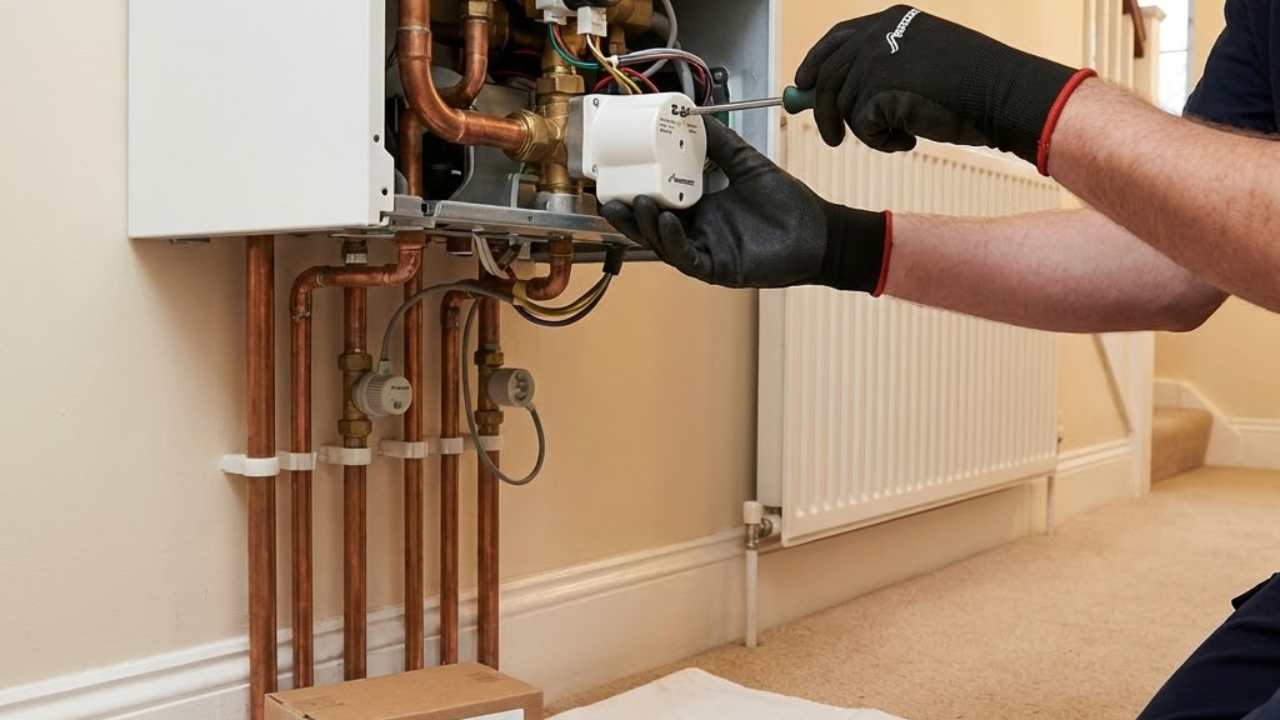
Worcester Bosch Greenstar boilers dominate the UK domestic heating market, and for valid reasons. The combination of brand recognition, dealer network support, and generally reliable performance makes them a sensible specification for most installations. But when you're servicing or repairing Greenstar units, knowing which spare parts are model-specific and which are interchangeable saves time, prevents ordering errors, and keeps customers satisfied.
The Greenstar range encompasses multiple series with distinct architectures. The CDi Compact models represent Worcester's most popular compact combi range. The Greenstar 8000 Style series offers premium features with colour displays and enhanced connectivity. The older CDi Classic units still populate thousands of properties despite being discontinued. Understanding the differences between these ranges affects your parts sourcing strategy and diagnostic approach.
Worcester's market dominance means parts availability is generally excellent. But it also means you encounter model-specific components that aren't interchangeable, even within the same series. A diverter valve from a CDi Compact 25i won't necessarily fit a CDi Compact 30i. The Wave connectivity differs between generations. Display modules vary by series. Getting the correct part first time requires accurate model identification and understanding of Worcester's part numbering system.
Understanding the CDi Compact Range
The CDi Compact series represents Worcester's volume seller in the domestic combi market. These units pack reasonable performance into a compact footprint, making them suitable for properties with limited boiler location options. Output ratings typically span 25kW to 35kW, covering most domestic heating and hot water requirements.
The CDi Compact architecture uses a proven heat exchanger design with an aluminium primary exchanger and a separate plate heat exchanger for DHW production. This configuration is maintenance-friendly compared to older combi designs where DHW heating occurred within the primary circuit. When the DHW exchanger scales in hard water areas, you replace a relatively affordable component rather than the entire primary heat exchanger.
The CDi Compact diverter valve is a common failure point. This three-way motorised valve switches flow between heating and hot water modes. The actuator motor fails more frequently than the valve body itself. Symptoms include functioning heating but no hot water, or occasionally the reverse if the valve sticks in DHW position. Replacement motors are available separately from complete valve assemblies, which reduces repair costs if the valve body is sound.
Control systems in CDi Compact units are straightforward. You get modulating burner control, basic frost protection, and compatibility with external room thermostats. There's no built-in weather compensation, though you can add Worcester's Wave smart control system for enhanced features. The standard wired thermostats use simple on/off or modulating protocols depending on the specific model fitted.
Common CDi Compact failures cluster around predictable areas. The plate heat exchanger DHW system scales in hard water areas, reducing hot water flow rates over time. The diverter valve motor fails, preventing mode switching. The PCB occasionally fails, though Worcester boards are more reliable than some competitors. And the expansion vessel loses pre-charge, causing pressure loss that customers perceive as leaks.
Greenstar 8000 Style: Premium Features and Specific Components
The Greenstar 8000 Style series positions itself as Worcester's premium residential offering. These boilers incorporate enhanced efficiency ratings, sophisticated control interfaces, and improved modulation characteristics compared to the CDi Compact range. The visual difference is immediately obvious: the Greenstar 8000 Style display panel with its colour screen and intuitive interface replaces the simple LED or basic LCD displays found on CDi models.
Heat exchanger technology in the 8000 Style series uses an optimised design that improves efficiency and reduces noise. The burner modulates more smoothly across a wider range, which improves comfort and efficiency. Gas valve control is more sophisticated, with finer modulation steps that prevent the slight temperature variations sometimes noticed with cruder on-off or step modulation.
The Greenstar 8000 Style display module is model-specific and represents one of the more expensive components if it fails. Unlike CDi Compact units where the control interface is relatively basic and affordable, the colour touchscreen in 8000 Style units is a sophisticated component. Failures are uncommon, but when they occur, the replacement cost is significant. Protect these displays from moisture, voltage spikes, and impact damage.
Wave receiver connectivity comes standard in many 8000 Style installations. The Wave smart control system allows remote operation via smartphone apps, multi-zone control, and enhanced scheduling features. The receiver module that interfaces between the Wave system and the boiler is specific to the 8000 Style architecture. If you're troubleshooting communication issues between Wave controls and the boiler, verify you have the correct receiver variant for the specific 8000 Style model.
Condensate trap maintenance is particularly important in the 8000 Style range. These units produce substantial condensate during operation, and blockages cause lockouts. The trap design differs slightly from CDi Compact models, with a deeper sump that should be cleaned annually. Frozen condensate causes winter callouts that are entirely preventable with proper installation and insulation of condensate pipework.
Model Identification and Accurate Parts Ordering
Worcester's model numbering can be confusing if you're not familiar with their system. A "CDi Compact 25" could refer to multiple variants depending on the suffix letters. "25i" denotes internal controls, "25c" indicates combination boiler with certain control options, and "25s" suggests system boiler configuration. These suffixes affect which parts are compatible.
The rating plate on every Greenstar boiler contains the complete model designation and GC number (Worcester's internal reference number). Always reference both when ordering parts. The GC number is particularly important for older or discontinued models where the marketing name might be ambiguous. When you call a parts supplier and provide the GC number, they can immediately identify the correct components without ambiguity.
Worcester's FD code (fault display code) system helps identify failed components, but don't rely on fault codes alone. An EA fault code indicates ignition failure, but the actual cause could be gas supply issues, faulty electrodes, failed ignition leads, or PCB problems. Systematic diagnosis prevents ordering unnecessary parts based on fault code assumptions.
Serial numbers reveal production dates, which matters for older installations where part specifications changed during production runs. Early CDi Compact units used different PCBs than later production. Some diverter valves changed specification midway through a model's lifecycle. If you're ordering for an older installation, provide the serial number to verify part compatibility.
Critical Spare Parts for Greenstar Installations
Certain Greenstar components fail with predictable frequency across most models, making them sensible stock items for engineers maintaining multiple Worcester installations.
Diverter valve motors are the most common replacement item. The CDi Compact diverter valve motor is standardised across most output ratings in that series, which simplifies stocking. Symptoms are distinctive: heating works but DHW doesn't, or hot water works but no heating. The motor itself is a relatively inexpensive component, and replacement takes perhaps thirty minutes including system drain and refill.
Expansion vessels lose pre-charge pressure gradually over years of thermal cycling. A failed vessel causes system pressure to drop continuously, with customers reporting daily pressure top-ups. Check the vessel pre-charge with the system drained and gauge connected to the Schrader valve. Pre-charge should read around 0.8-1.0 bar for most domestic installations. If pressure is significantly low or absent, replace the vessel.
Plate heat exchangers for DHW fail primarily in hard water areas. Limescale blocks the narrow waterways, progressively reducing hot water flow until the tap delivers barely usable flow rates even with the boiler firing at full output. Descaling can restore function if caught early, but severely scaled exchangers are more reliably replaced. When fitting a new exchanger, recommend water softening or at minimum magnetic filtration and regular inhibitor treatment.
PCBs occasionally fail, though Worcester's reputation for board reliability is better than some competitors. Common PCB failure symptoms include complete dead unit with no display, intermittent lockouts with no clear cause, or erratic behaviour like incorrect temperature readings. Before condemning a PCB, verify power supply integrity, check for water ingress in the control compartment, and ensure all connections are secure.
Pressure sensors monitor system pressure to prevent dry firing. These fail occasionally, causing lockouts even when system pressure is adequate. The sensor itself is affordable and quick to replace, but diagnosis is essential because identical symptoms can indicate actual pressure loss from leaks or failed expansion vessels.
Wave Smart Controls and Connectivity Issues
Worcester's Wave smart control system adds genuine convenience for customers and offers useful remote diagnostic capability for installers. But the Wave system also introduces additional failure points and troubleshooting complexity compared to simple wired thermostats.
The Wave receiver mounts near the boiler and communicates wirelessly with Wave room controllers or internet gateway modules. Receiver failures are uncommon, but when connectivity issues arise, systematically verify the receiver is correctly paired with the controllers and that wireless signal strength is adequate. Metal-framed buildings or thick masonry walls can obstruct wireless signals, requiring receiver repositioning.
Wave receiver connectivity problems often manifest as intermittent communication loss rather than complete failure. The boiler might respond to controller commands initially but lose connection after hours of operation. Check battery levels in wireless controllers first, then verify receiver-to-boiler wiring is secure. Worcester's diagnostic mode can display connection status and signal strength, which helps identify whether the issue is wireless interference or hardware failure.
Software updates for Wave systems occasionally resolve connectivity or functionality issues. Worcester releases firmware updates periodically, which can be applied via the Wave internet gateway or sometimes directly through the boiler interface. Before replacing Wave hardware for unusual behaviour, verify the system is running current firmware.
When Wave systems fail and immediate replacement isn't feasible, standard wired room thermostats can be temporarily fitted to maintain basic boiler control. Worcester boilers accept either modulating or on-off thermostats depending on the specific model and control terminal configuration. This interim solution keeps customers with heating and hot water while Wave replacement components are sourced.
Condensate Trap Maintenance and Freeze Prevention
Condensate management causes more winter callouts than any other issue in modern condensing boilers. Worcester Greenstar units produce substantial condensate, and blockages or freezing cause immediate lockouts.
The condensate trap beneath every Greenstar boiler collects acidic condensate before it drains to waste. This trap must remain water-filled to prevent combustion gases escaping into the property. Blockages occur when debris accumulates in the trap, preventing condensate drainage. Symptoms include gurgling sounds during operation, water pooling beneath the boiler, or lockouts with condensate-related fault codes.
Annual condensate trap cleaning prevents most blockages. Remove the trap (straightforward on most Greenstar models with a quarter-turn bayonet fitting), flush with clean water, inspect the siphon for debris, and refit. This five-minute task during annual service prevents callouts and maintains reliable operation.
External condensate pipework freezing causes the majority of winter emergency callouts. Worcester's installation instructions specify minimum pipe sizing (32mm for external runs) and insulation requirements, but installations don't always follow guidelines. Short external runs might freeze in severe weather even with insulation. If you encounter repeated freeze issues, consider rerouting the condensate drain internally or fitting trace heating to the external section.
Fault Finding Systematic Approach for Greenstar Boilers
Effective Greenstar diagnosis prevents wasted time and unnecessary parts ordering. Worcester's fault code system guides troubleshooting, but codes indicate symptoms rather than causes.
Start with the basics even when fault codes suggest component failure. Verify gas supply by checking the meter is on, isolation valves are open, and gas pressure at the boiler inlet meets specification. Confirm system pressure is adequate with the gauge and by checking actual pressure sensor readings in diagnostic mode. Ensure power supply is stable without voltage fluctuations.
Use Worcester's diagnostic mode to access live data and historical fault logs. Flow and return temperatures, fan speed, gas valve position, and flame current readings reveal system behaviour that fault codes alone don't capture. Historical fault logs show whether the current issue is a new failure or a recurring problem, which changes diagnostic approach.
Test systematically rather than guessing. If fault codes point to ignition failure, verify spark presence at the electrodes, confirm gas valve operation with a multimeter, check flame sensing rod continuity, and measure flame rectification current. These measurements identify the actual failed component rather than replacing parts speculatively based on fault code suggestions.
Document findings, particularly for intermittent faults. Photo evidence of failed components, recorded measurements, and notes about system conditions help if issues recur or if warranty claims require supporting evidence. This documentation proves invaluable when diagnosing elusive intermittent problems that don't manifest during service visits.
When to Recommend Replacement Versus Repair
Worcester Greenstar boilers are generally reliable, but sometimes repair isn't the sensible recommendation. A fifteen-year-old CDi Classic needing a heat exchanger and PCB is probably beyond economical repair. Multiple component failures within short periods suggest the unit is approaching end-of-life.
Parts availability for discontinued models influences replacement decisions. Whilst Worcester maintains parts support for many years after discontinuation, some older components become difficult to source with extended lead times. If critical parts for an older boiler require weeks to obtain, replacement might be more practical than leaving customers without heating.
Efficiency considerations matter for older installations. A CDi Classic from 2010 might achieve 88% efficiency, while a modern Greenstar 8000 Style runs at 94%. Over the boiler's lifetime, fuel savings can substantially offset the replacement cost. Present customers with lifecycle cost analysis comparing repair versus replacement, including fuel savings from improved efficiency.
If multiple repairs are needed and the cumulative cost approaches 50-60% of a new installation, replacement usually makes better financial sense. Factor in that a new boiler comes with warranty coverage, while repaired older units might experience additional failures shortly after initial repair.
Sourcing Worcester Greenstar Spares
Worcester's UK dealer network and established parts distribution mean Greenstar spares are generally readily available with short lead times. Most common components can be sourced same-day or next-day from established trade suppliers.
Genuine Worcester parts carry Worcester part numbers and appropriate approvals for safety-critical components. Gas valves, PCBs, and pressure vessels should always be genuine Worcester components. Using non-approved parts violates Gas Safe requirements for safety-critical gas components and potentially invalidates any remaining warranty.
For some standard components like circulator pumps, expansion vessels, and sensors, high-quality alternatives from reputable manufacturers can be acceptable if they meet original specifications. Always verify compatibility with the specific Greenstar model, and ensure any alternative components carry appropriate approvals and certifications.
Heating and Plumbing World maintains comprehensive Worcester Greenstar spare parts stock covering the full range from current models to discontinued units. When you need accurate parts identification or technical support to verify compatibility across different Greenstar variants, having access to suppliers with Worcester expertise prevents ordering delays and fitting incorrect components.
Preventative Maintenance Extending Greenstar Lifespan
Regular servicing dramatically extends component life and prevents premature failures in Greenstar installations. Certain maintenance tasks deserve particular attention for Worcester boilers.
Annual combustion analysis verifies efficient operation and catches deteriorating performance before complete failure. Flue gas analysis should show CO₂ levels appropriate for the fuel type (typically 8.5-9.5% for natural gas) and minimal CO production. If readings drift outside specification, investigate causes before components fail.
System water quality testing matters. Check inhibitor concentration and pH levels, and inspect for iron oxide contamination. Contaminated system water accelerates pump wear, causes valve sticking, and damages heat exchangers. If water quality is poor, consider power flushing the system and fitting magnetic filtration if not already present.
Heat exchanger inspection during annual service catches scale buildup before it causes complete blockage. For DHW plate exchangers, check incoming cold water flow rates and outgoing hot water temperatures. Reduced flow with adequate burner firing indicates scaling. Catch this early and descaling can restore function without exchanger replacement.
Expansion vessel pre-charge verification prevents pressure loss issues. With the system drained, check vessel pre-charge matches installation requirements (typically 0.8-1.0 bar). If pre-charge has dropped, pump the vessel back to specification. Catching pre-charge loss before the diaphragm fails completely extends vessel life.
The Wave system benefits from periodic verification, particularly if customers report occasional communication issues. Check signal strength in diagnostic mode, verify battery condition in wireless controllers, and ensure firmware is current. These checks prevent minor issues becoming major reliability problems.
Conclusion
Servicing Worcester Greenstar boilers across the CDi Compact, Greenstar 8000 Style, and older CDi Classic ranges requires understanding model-specific differences, recognising common failure patterns, and having access to genuine spare parts when components fail. The CDi Compact diverter valve motor, plate heat exchangers, expansion vessels, and pressure sensors represent the most common replacement items across the range.
The Greenstar 8000 Style display and control system adds sophistication but also introduces expensive model-specific components that require careful handling. Wave receiver connectivity provides genuine customer value but demands understanding of wireless troubleshooting and system pairing procedures. Condensate trap maintenance prevents the majority of winter emergency callouts and should be emphasised during customer education.
Stock the high-failure items that prevent repeat visits: diverter valve motors, pressure sensors, and basic consumables. Build relationships with suppliers who understand Worcester's model variations and can provide technical support when identifying correct parts for specific variants. Invest time in accurate diagnosis using Worcester's fault codes and diagnostic data rather than replacing components speculatively.
For comprehensive Worcester Greenstar spare parts availability and technical support to identify correct components across the full model range, contact us-we'll help you source exactly what you need to complete repairs efficiently and keep your customers' heating systems operating reliably.